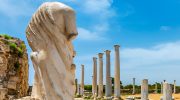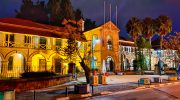
British colonial architecture in Cyprus reflects 82 years of British rule from 1878 to 1960. Unlike other colonies where British builders copied English designs directly, architecture in Cyprus followed a different path. British planners created a local style that combined European ideas with Cypriot building traditions.
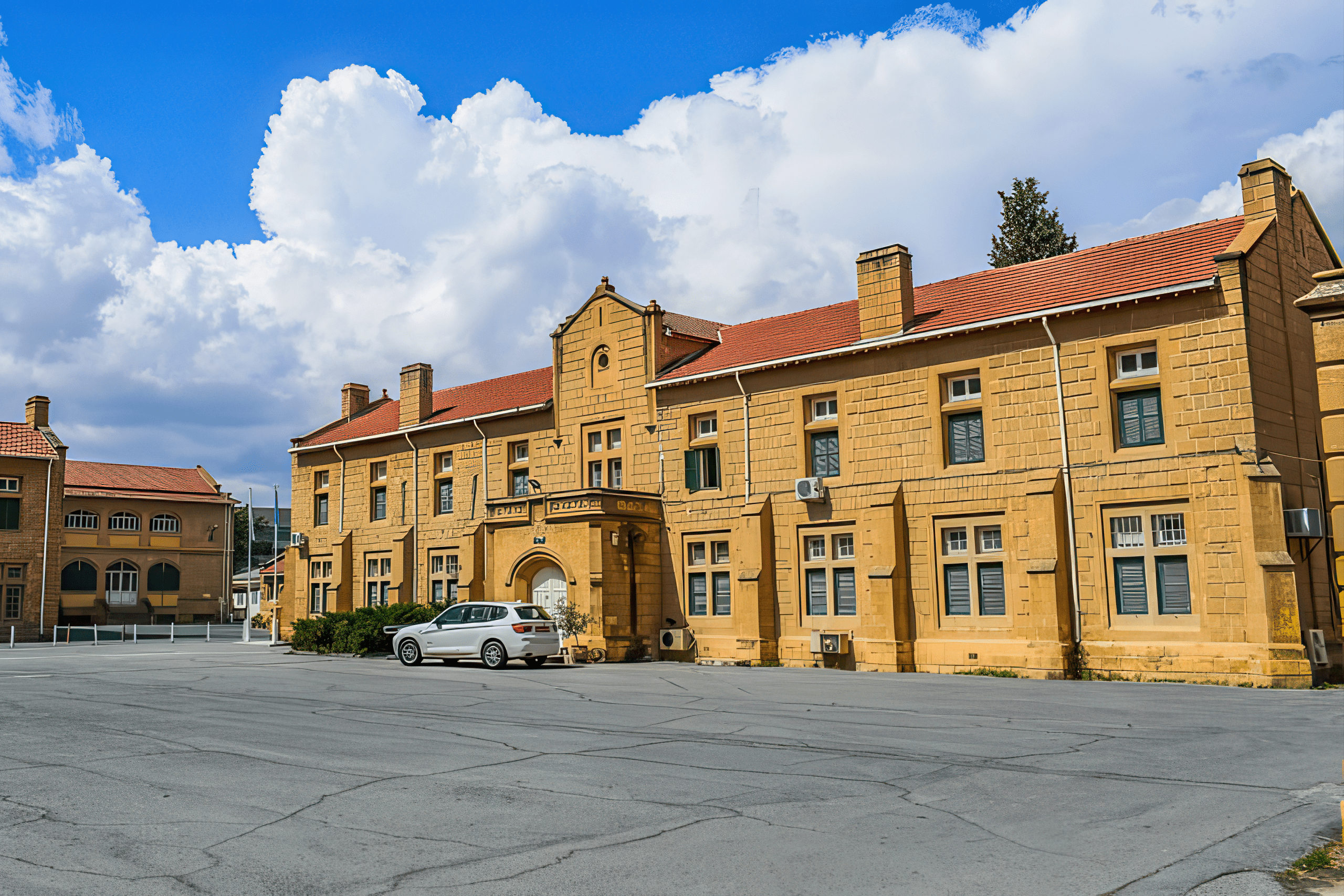
During this period, around 700 colonial buildings were constructed across the island. These included government offices, hospitals, post offices, courthouses, schools, and police stations. Most of these buildings were planned and built by the Public Works Department, which employed architects and engineers from Britain, other British territories, and Cyprus.
Historical Background
Cyprus came under British control in 1878 when the Ottoman Empire leased the island to Britain. At that time, the island was economically weak. Most towns and villages had an appearance closer to Middle Eastern settlements than European cities.
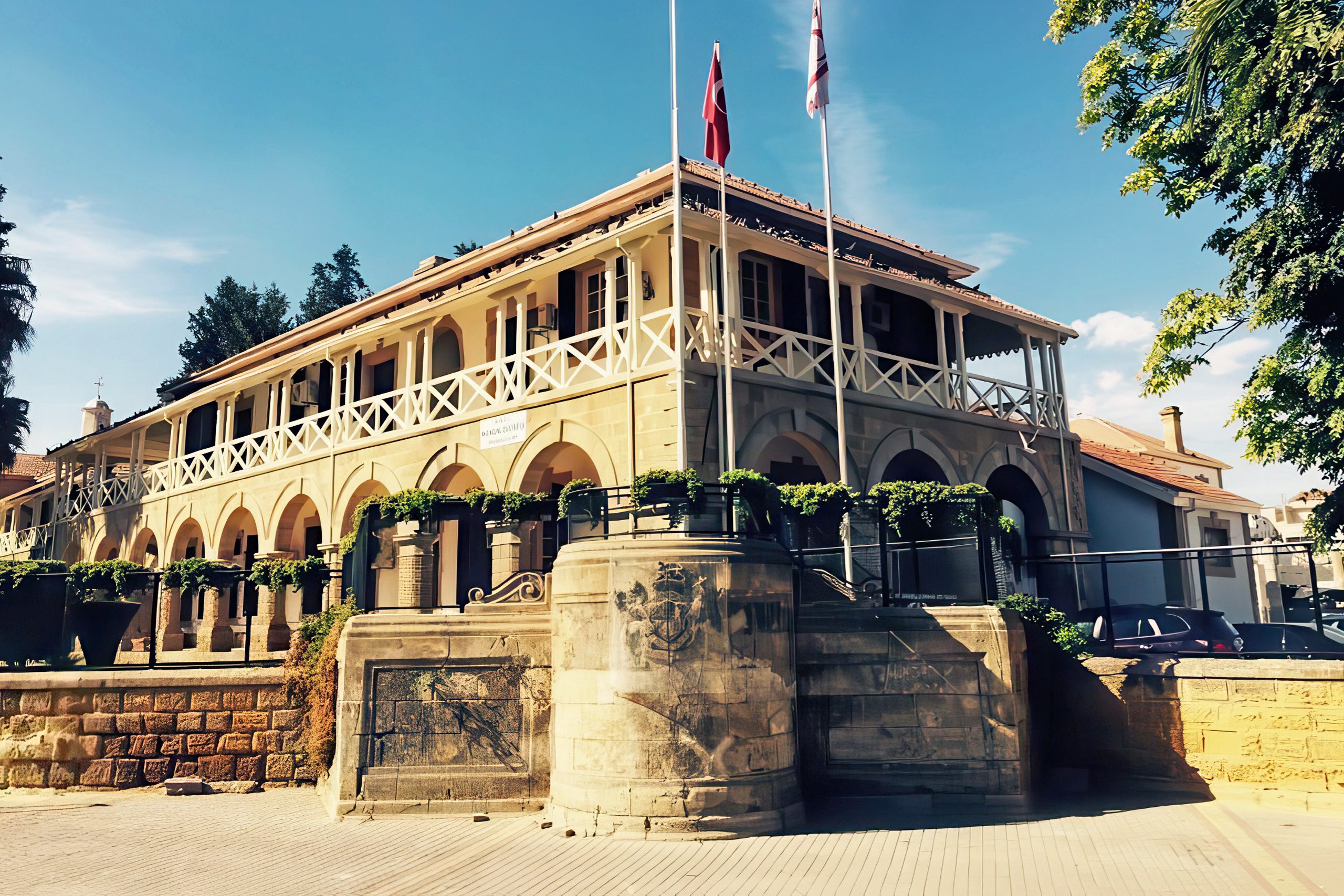
The contrast between Cyprus and Britain was clear. Britain was a major industrial power with global influence, while Cyprus remained largely rural. When World War I began and the Ottoman Empire joined Germany, Britain canceled the lease and formally annexed Cyprus in 1914.
In 1925, Cyprus became an official crown colony. This change marked a turning point in British construction policy. Early colonial buildings were simple and practical, showing Britain’s limited interest in long term investment. After full colonial status was established, construction increased rapidly. The British administration required courts, hospitals, schools, police stations, and government offices to manage the island effectively.
Architectural Characteristics
Colonial architecture in Cyprus can be divided into three distinct types. The first and least common type followed purely British design without local influence. Only three buildings on the island represent this approach. These are the Anglican Cathedral of St Paul in Nicosia, the church of St George in the Forest, and the British governor’s summer residence in the Troodos Mountains. These buildings served symbolic and ideological purposes and expressed British identity without adaptation to local traditions.
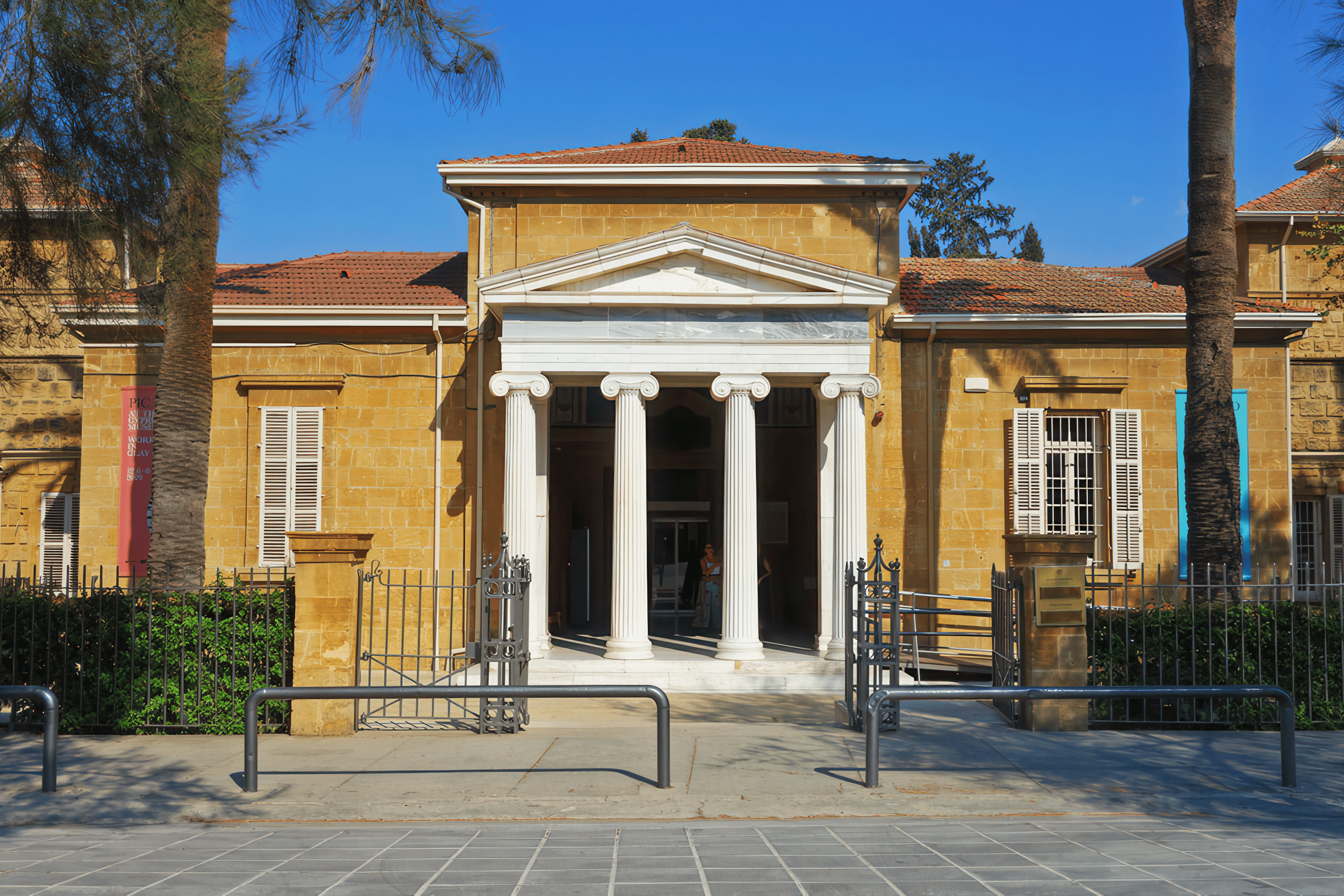
The second type, often described as classic colonial architecture, included buildings with symmetrical layouts, whitewashed walls, and tall shuttered windows usually painted blue. Colonnades, deep verandas, and shaded porticos were common features that helped reduce exposure to the Mediterranean climate. Local limestone served as the primary construction material. Examples include administrative buildings in Larnaca and Limassol, the historical archive building in Larnaca, and the municipal building in Polis Chrysochous. During the early colonial period from 1878 to 1914, most public structures followed neoclassical principles with prominent entrances, columned porticos, and decorative cornices.
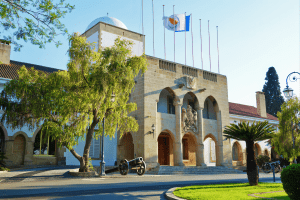
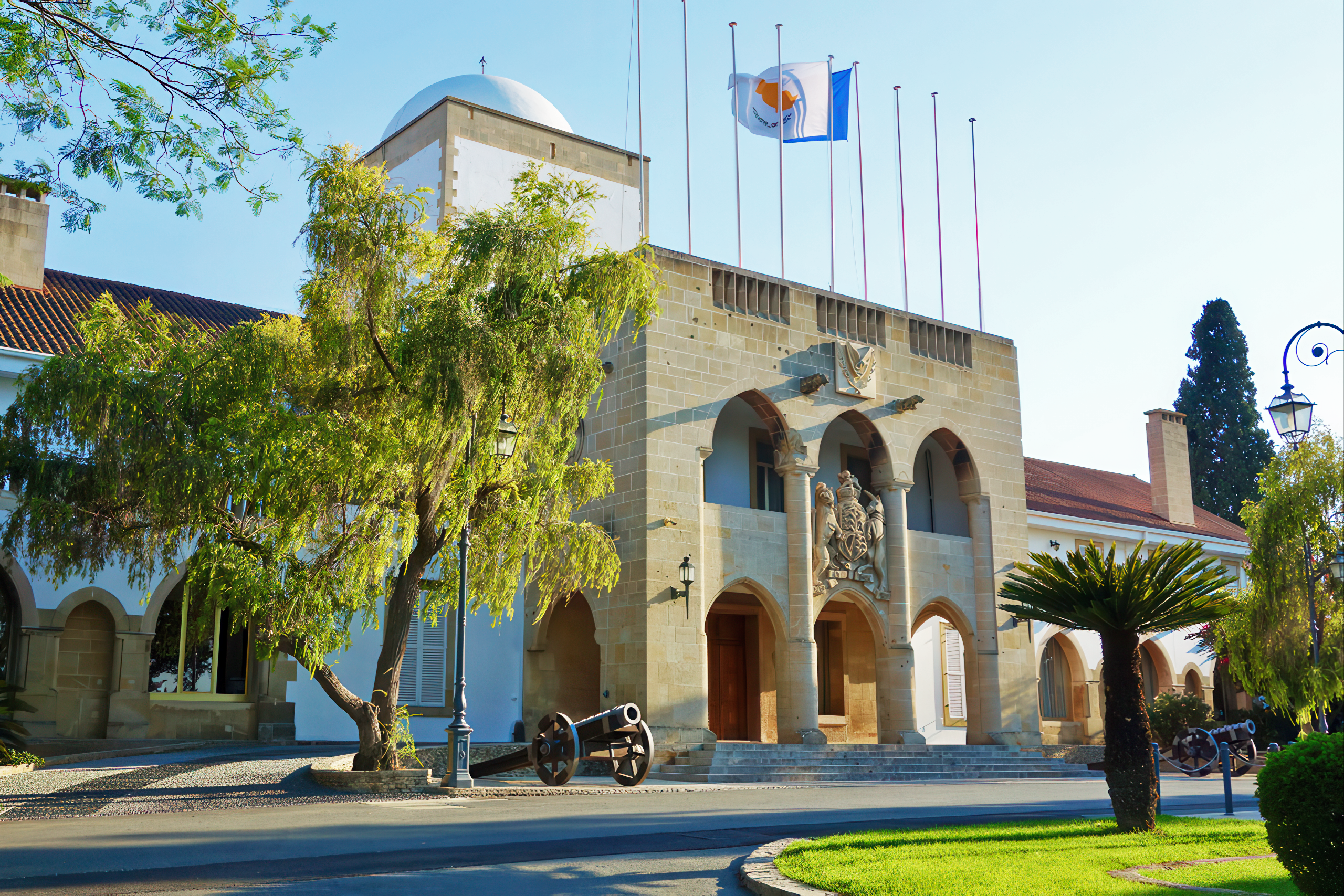
The third type, known as the colonial neo Cypriot style, developed as Cypriot architects became involved in colonial projects. Buildings of this type feature unbleached walls constructed from large blocks of yellow Cypriot stone, arcades with pointed arches inspired by local Gothic traditions, gateways similar to those found in village houses, and windows framed with carved stone. Examples include the Larnaca Art Gallery, which originally served as the port customs building, the Larnaca police station, and the Presidential Palace. The Maltese architect Joseph Gaffiero designed several notable buildings in this style, including the Limassol City Hospital, now used as the regional administration building, and the Paphos post office.
Notable Architects and Buildings
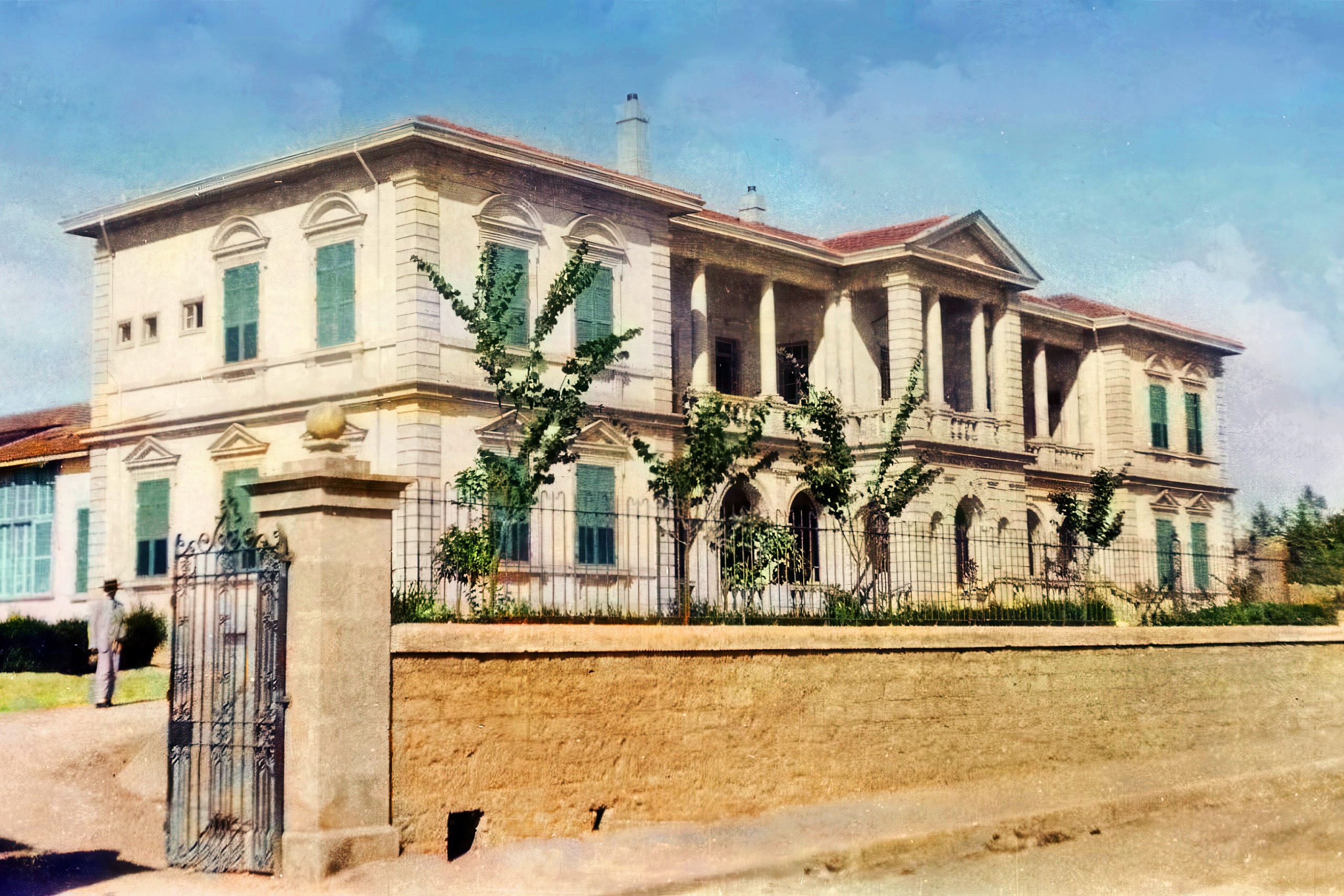
Joseph Gaffiero, born in 1877 and died in 1953, was a Maltese engineer who designed the Limassol City Hospital using a balanced British neoclassical style. The building includes columns, pilasters, rusticated surfaces, pediments, and balustrades. A Cypriot newspaper of the period praised it as the only public building in Cyprus constructed with architectural harmony and a rhythm suited to the climate. The article contrasted it with other British buildings, which it described as resembling prisons or recalling Scottish towers and dark houses shaped by English snow and fog.
Benjamin Gunsberg, a German Jewish architect, designed the Ledra Palace Hotel in Nicosia, which opened in 1949. Although constructed during the colonial period, the hotel reflected a shift toward modern design and luxury tourism. Gunsberg also designed the Forest Park Hotel in Platres and several other buildings across Cyprus. The Ledra Palace cost approximately 240,000 pounds and included 94 bedrooms, central heating, hot water, restaurants, bars, a ballroom, and later a swimming pool.
The Municipal Art Gallery and Museum of Paleontology in Larnaca, constructed around 1881, represents early colonial architecture. Originally built as a government facility, it features load bearing masonry walls made from local limestone several feet thick. These walls were designed to resist lateral forces. The building includes pitched roofs covered with terracotta tiles laid in a herringbone pattern and supported by timber trusses.
Urban Planning and Infrastructure
When the British first arrived, they chose Nicosia’s “Frankish quarter” for their administrative buildings, the area stretching from what is now Ataturk Square to the Paphos Gate. A medieval Lusignan palace still stood there, but the British demolished it to build a courthouse. Later, the administrative quarter moved outside the old city walls. The British implemented strategic urban planning across Cyprus, building wide, straight roads, organizing neighborhoods systematically, and establishing public spaces. These interventions fundamentally transformed Cyprus’s urban landscape from its Ottoman-era patterns.
The British also introduced elements of town planning that included new towns and the expansion of existing settlements. They favored organized development over the organic growth patterns typical of traditional Cypriot villages. Infrastructure projects included the construction of roads, bridges, and public utilities that modernized the island’s basic services.
Evolution Through Time
The interwar period (1919-1939) saw a shift toward more functional and modernist styles. Buildings from this era sometimes incorporated motifs from passenger steamers, including porthole windows, balconies resembling ship decks with linear metal handrails, and rational interior organization. This reflected the broader European modernist movement’s influence on colonial architecture. During the late colonial period (1940-1960), modernism became more pronounced, though traditional elements persisted in many government buildings.
The development of colonial architecture coincided with changing attitudes toward Cyprus’s medieval past. British authorities emphasized the island’s European medieval heritage, particularly Gothic structures from the Lusignan and Venetian periods, while downplaying classical Greek heritage. This selective historical focus had political motivations, as the Greek Cypriot population’s connection to ancient Greek culture fueled nationalist sentiments and desires for independence or union with Greece.
Legacy and Modern Perspective
After Cyprus gained independence in 1960, the new government showed ambivalent attitudes toward British colonial architecture. On one hand, the colonial secretariat building was demolished to make way for a new administrative complex. On the other hand, the former British Government House became the Presidential Palace after only superficial modifications. These contradictory approaches reflected the young nation’s complex relationship with its colonial past.
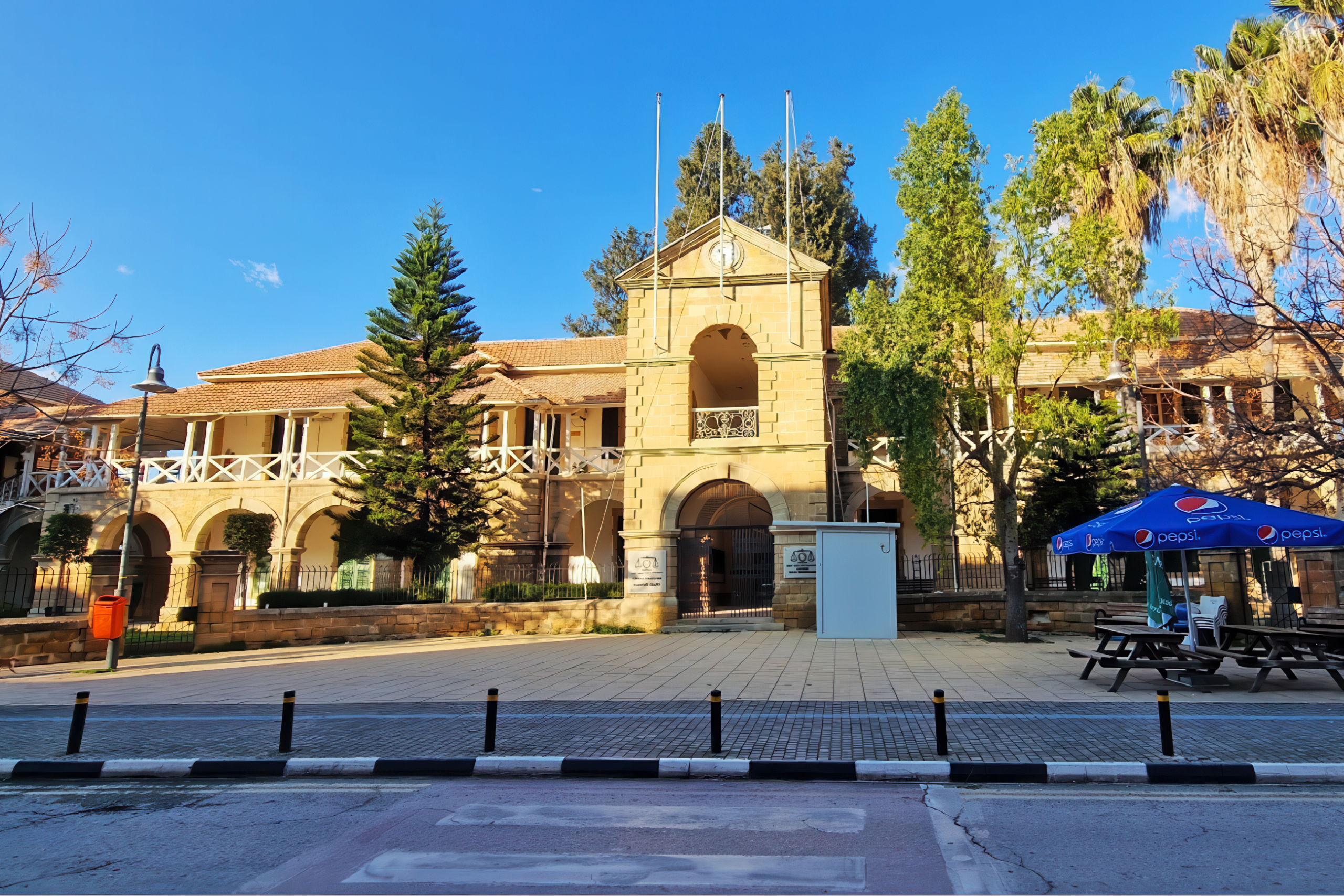
Today, approximately 700 colonial buildings survive across Cyprus. They form an integral part of the island’s urban character, particularly in city centers. Many continue to serve public functions, housing government offices, museums, cultural centers, and educational institutions. The buildings represent a significant architectural heritage period, documenting the island’s transition from Ottoman backwater to modern European state. Architectural historians now study these structures not just as examples of colonial power but as evidence of cultural exchange, where Cypriot builders and architects influenced the final forms even within a colonial framework.
The British colonial period introduced Cyprus to European architectural trends, modern building techniques, and systematic urban planning. While built to serve imperial needs, these structures contributed to the island’s architectural diversity. They sit alongside Byzantine churches, Venetian fortifications, Ottoman mosques, and contemporary buildings, creating the layered architectural landscape that characterizes Cypriot cities today.
Visiting Colonial Architecture Today
Many colonial buildings remain accessible to visitors throughout Cyprus. In Nicosia, the Presidential Palace and various government buildings showcase the neo-Cypriot colonial style. Larnaca’s Art Gallery and administration buildings provide excellent examples of classic colonial architecture. Limassol’s former city hospital, now the District Administration building, demonstrates Joseph Gaffiero’s neoclassical approach. The Ledra Palace Hotel in Nicosia, though located in the UN buffer zone and no longer functioning as a hotel, remains a powerful symbol of the colonial period and Cyprus’s subsequent division.
Walking through these buildings or viewing them from the street offers insight into how colonial authorities projected power while adapting to local conditions. The thick limestone walls, deep verandas, and strategic placement of windows reveal practical solutions to Cyprus’s climate. The incorporation of Gothic arches and local stone shows how Cypriot elements were woven into European architectural vocabularies.
A Lasting Colonial Imprint
British colonial architecture in Cyprus matters because it documents a transformative period in the island’s history. These buildings represent more than imperial power; they show how architectural traditions meet, merge, and create something distinct. The colonial period introduced Cyprus to modern infrastructure, systematic planning, and European architectural movements. At the same time, Cypriot architects and builders shaped these influences, creating hybrid forms that reflected local climate, materials, and aesthetic preferences. Understanding these buildings helps explain how Cyprus developed its modern urban character and why its cities look the way they do today.