Cyprus offers some of the Mediterranean’s most spectacular coastal viewpoints where limestone cliffs tower above turquoise waters, creating panoramic scenes that have inspired mythology and attracted visitors for millennia. Cape Greco National Park on the southeastern tip provides dramatic limestone cliffs plunging into emerald water, with hiking trails leading to viewpoints where ancient Greeks believed gods walked.
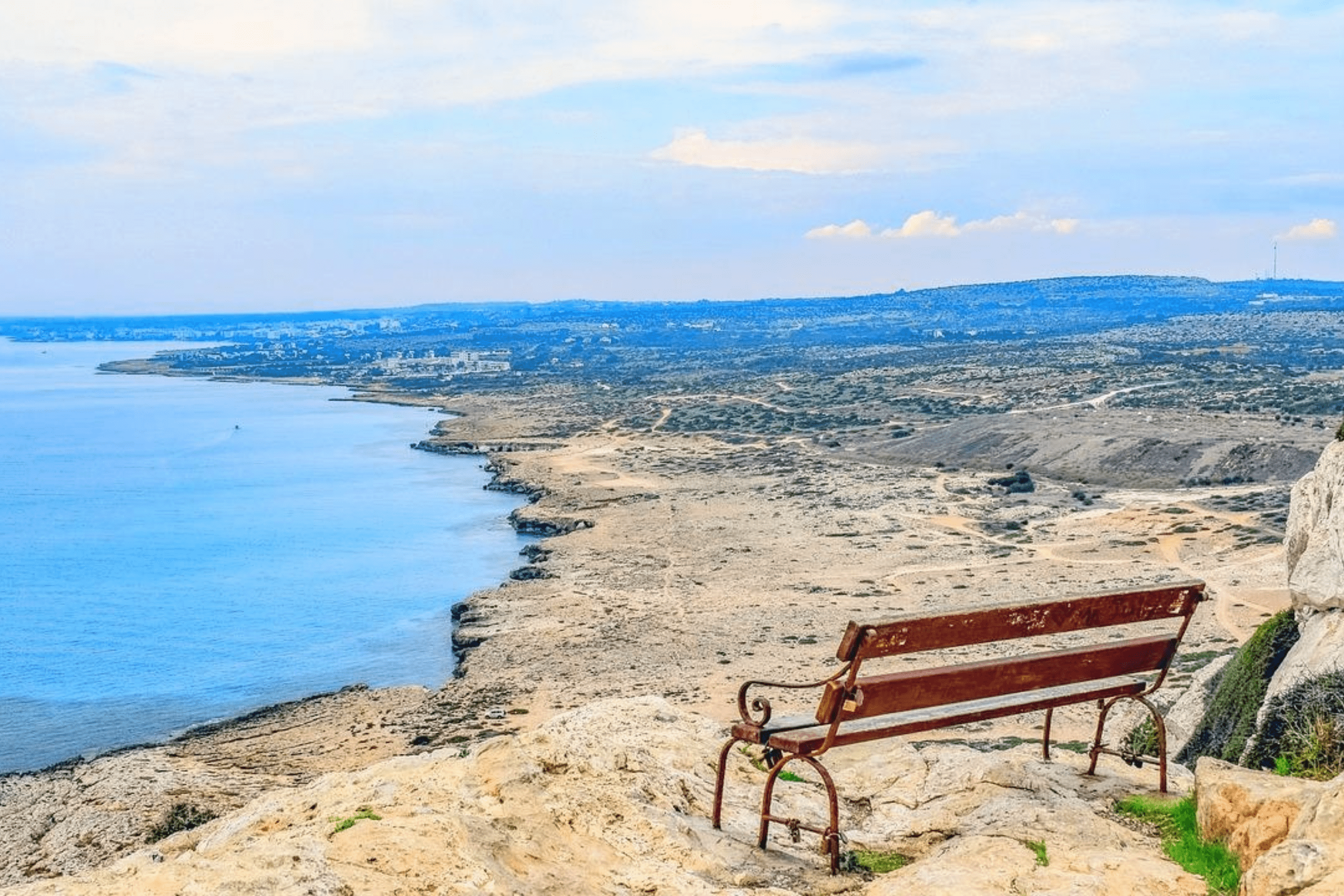
The Cape Greco viewpoint, located on a hill in the west, offers wonderful views of the entire cape, including the Blue Lagoon where meter-high waves crash against rocks when wind blows. These elevated perspectives reveal the island’s geological drama while connecting visitors to landscapes that shaped Cyprus’s cultural identity.
The Legendary Rock of Aphrodite
Petra tou Romiou, known as Aphrodite’s Rock, represents Cyprus’s most iconic coastal landmark where mythology meets natural beauty. The rugged coastline features striking rock formations emerging majestically from turquoise Mediterranean waters, creating dramatic and awe-inspiring panoramas. The main rock, a towering limestone stack, is surrounded by smaller rocks and a pebble beach, all set against the backdrop of rolling hills.
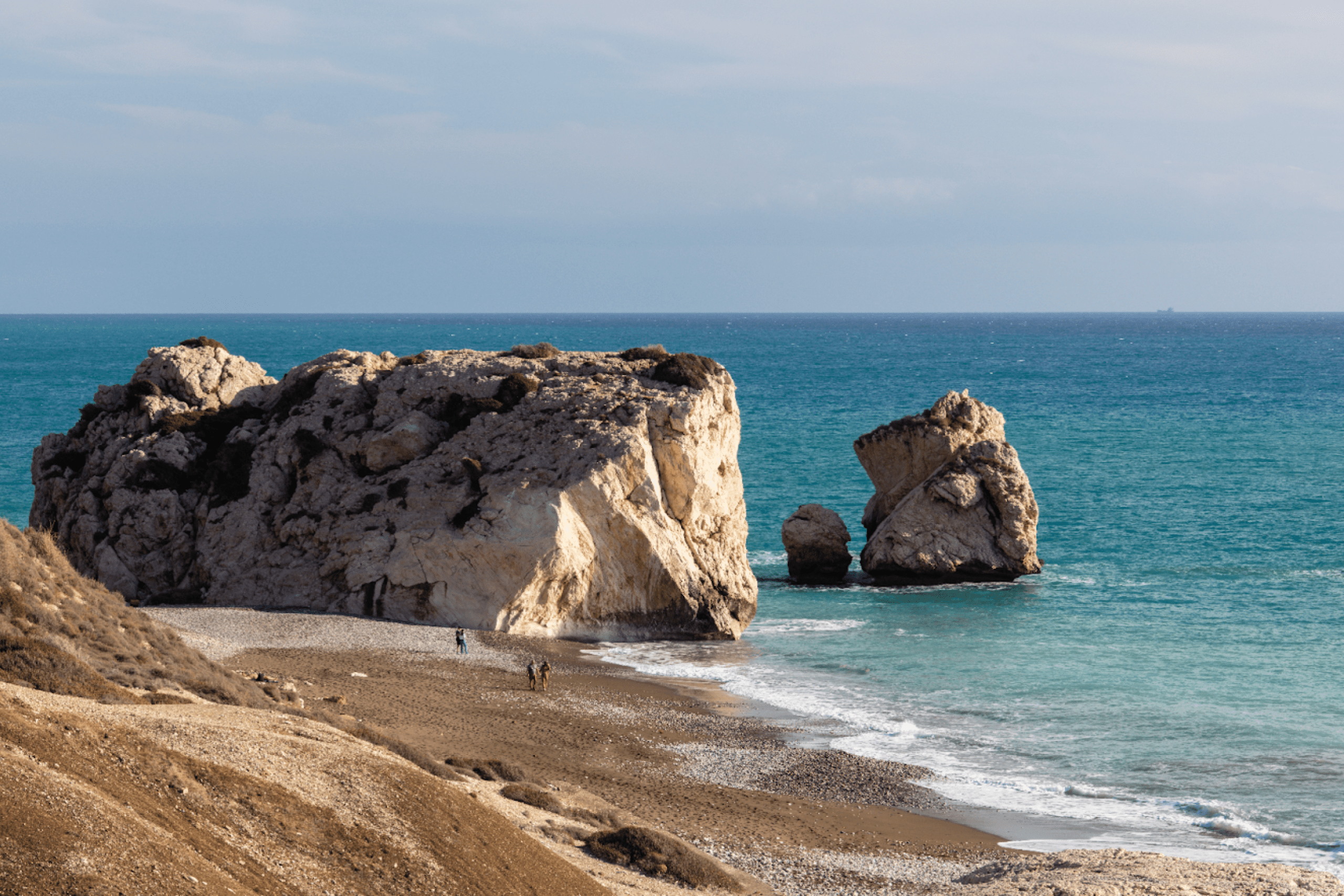
According to ancient Greek mythology, the goddess Aphrodite emerged from sea foam at this exact location. The tale suggests that Chronos castrated his father Uranus and threw his genitals into the sea. From the resulting foam, Aphrodite was born, carried to shore on a scallop shell. This mythical connection has made Petra tou Romiou a pilgrimage site for romantics and a popular destination for proposals, weddings, and romantic getaways.
The colors here are truly spectacular, especially during sunrise and sunset. As the sun dips below the horizon, painting the sky in hues of orange, pink, and purple, the rocks cast long shadows creating a magical atmosphere perfect for contemplation or romantic moments. The site lies approximately 25 kilometers east of Paphos and 45 kilometers west of Limassol along the main coastal road B6.
Cape Greco’s Coastal Drama
Cape Greco marks the easternmost point of Cyprus and the southernmost of Famagusta Bay, covering 385 hectares of pristine coastal and marine environments as a protected national park. The landscape consists predominantly of limestone formations shaped over millennia by erosive forces of wind and sea. The karst topography has given rise to numerous caves and natural arches contributing to the area’s rugged beauty.
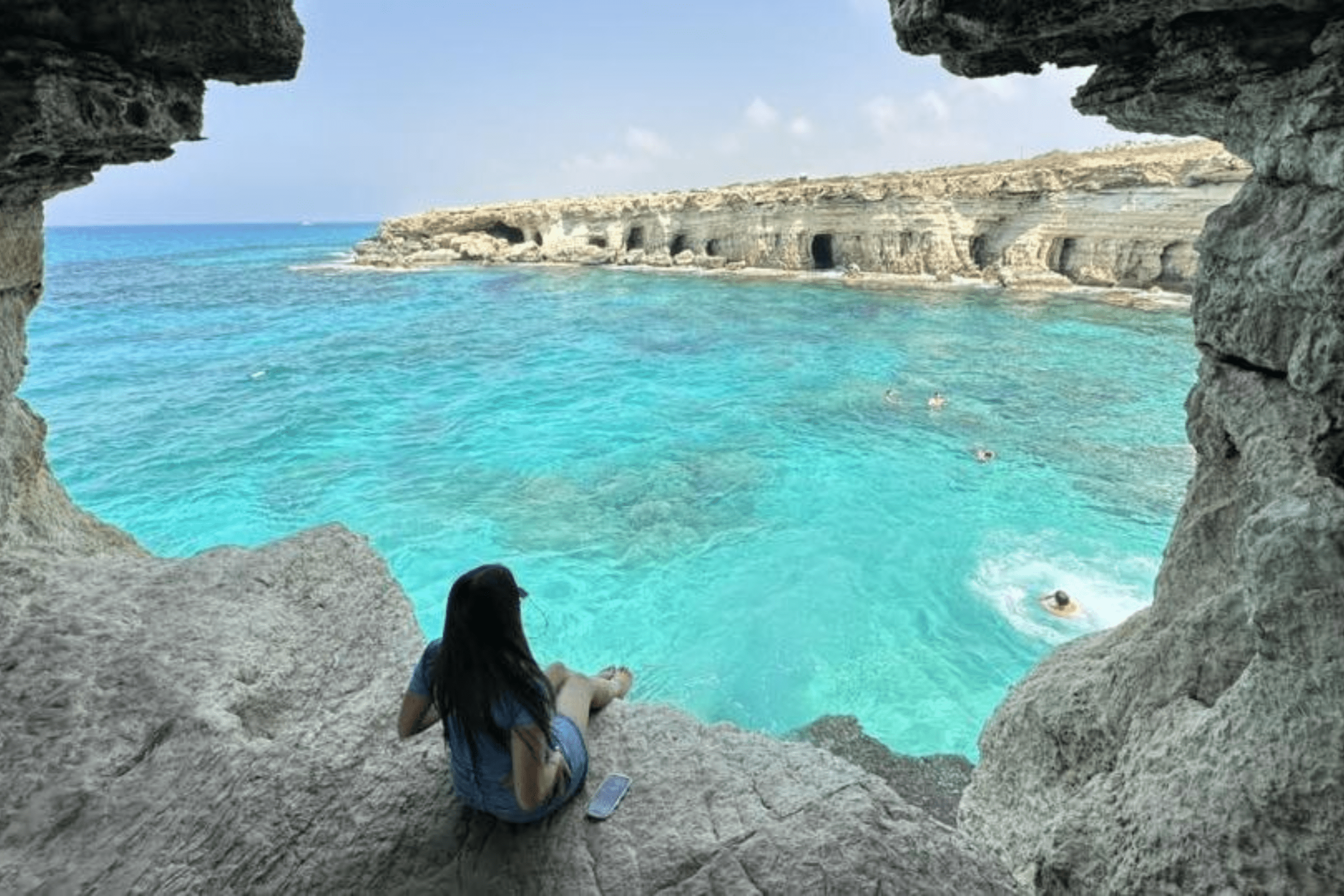
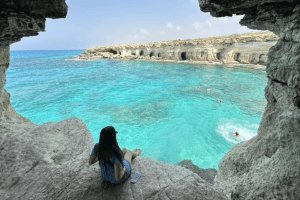
The cape features several beautiful bays and lagoons, spectacular sea caves, and rugged cliffs that create some of Cyprus’s most photographed landscapes. Multiple nature trails wind through the park, lined with pine trees and diverse botanical splendor, pausing to take in spectacular views from sea cliffs looking down to the beautiful Mediterranean. Many benches spread along these trails allow breaks to admire surroundings in stillness.
The Aphrodite nature trail stretches two kilometers along the northeast coast, doubling as a Cultural Route due to mythical connections to Aphrodite’s birthplace. Another trail leads to Cyclops Cave, a site of mythological significance believed to be the home of the legendary Cyclops from Homer’s Odyssey. The cave features impressive stalactites and stalagmites formed from limestone over thousands of years.
The Chapel of Agioi Anargyroi sits on rocky cliffs overlooking the sea and turquoise waters near Cape Greco. This tiny whitewashed church dedicated to Saints Cosmas and Damian features steps leading down to the sea where holy water runs. Below the chapel, a hermit’s cave mentioned in local legend adds historical intrigue. The chapel has become a popular spot for wedding photos due to its stunning clifftop location.
Governor’s Beach White Cliffs
Located 25 minutes from Limassol, Governor’s Beach ranks among Cyprus’s most beautiful and recognizable beaches due to unusual white rock formations contrasting with dark volcanic sand. As the first rays of sunrise appear over the horizon, the dazzling white stones glow in shades of pink, orange, and gold, creating unique natural beauty.
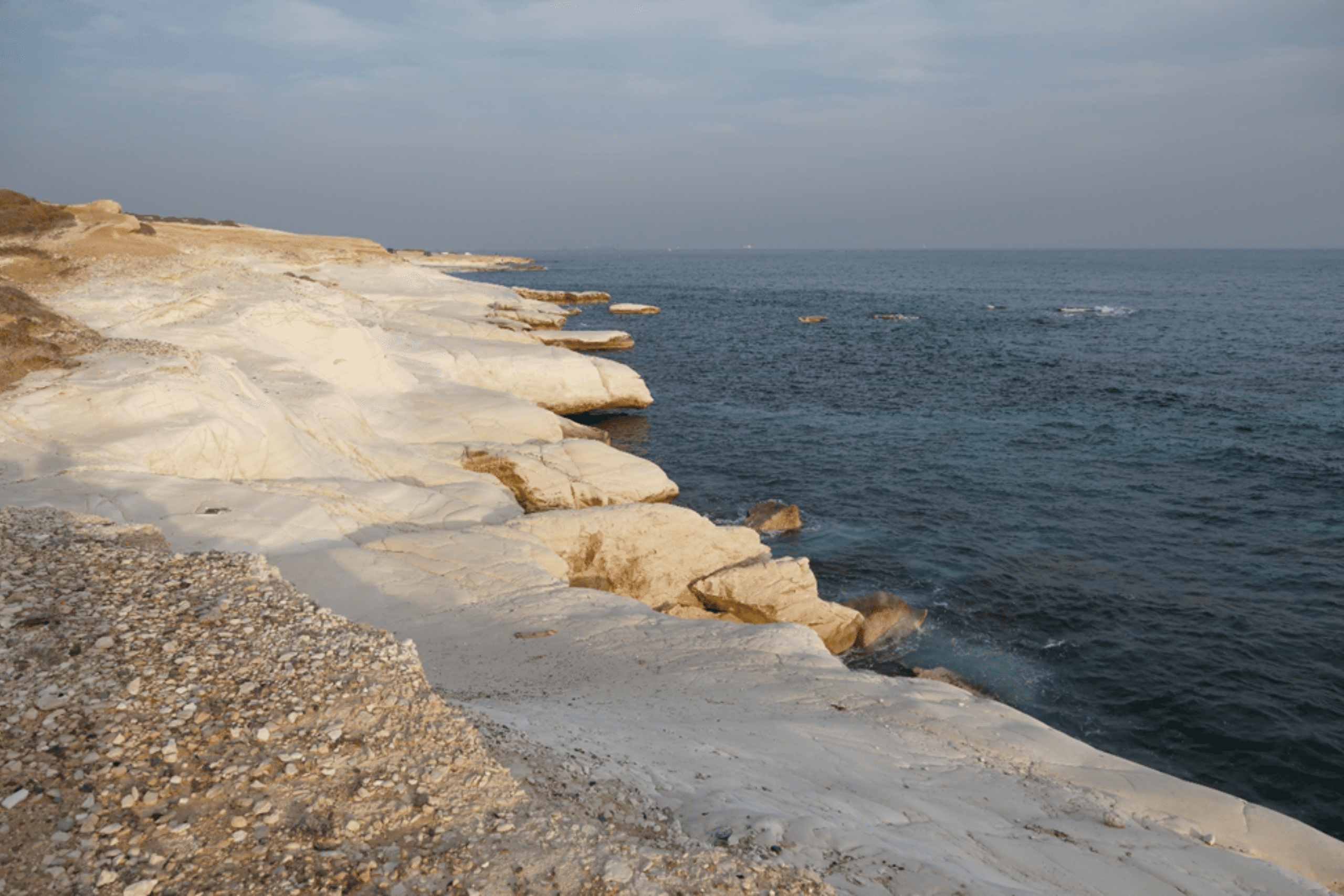
The white chalk cliffs frame the beach, rising dramatically from the shoreline and providing elevated viewpoints across the Mediterranean. The formations result from millions of years of geological processes including ancient sea deposits that later emerged through tectonic uplift, then weathered by wind and waves into distinctive shapes.
Kourion’s Ancient Clifftop Setting
The archaeological site of Kourion perches dramatically on coastal cliffs 70 meters above the sea, combining ancient history with Mediterranean panoramas. This important Greco-Roman city features an ancient theater that overlooks the Mediterranean and still hosts live performances two thousand years after construction.
The clifftop setting creates dramatic atmosphere especially during golden hour when sunset light illuminates the ancient stone ruins in orange-gold hues. The theater, once a place for spectacles, now becomes a stage for nature’s own performance. Watching sunset against these ancient structures feels like a small journey back in time, creating stunning photo opportunities.
Troodos Mountains – Mount Olympus Summit Views
While Cyprus is famous for its coastline, some of the most spectacular viewpoints begin inland and stretch all the way to the sea. The Troodos Mountains offer panoramic vistas that reveal the island’s dramatic elevation changes. From Mount Olympus, the highest point in Cyprus at 1,952 meters, visitors enjoy sweeping views across pine-covered slopes, distant villages, and on exceptionally clear days, glimpses of the Mediterranean shimmering on the horizon.
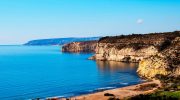
The drive up through winding mountain roads builds anticipation as landscapes shift from coastal plains to dense cedar forests. Observation areas near the summit allow visitors to appreciate how Cyprus rises sharply from sea level into mountainous terrain. During winter, snow often dusts the peaks, creating a rare Mediterranean alpine scene. The contrast between cool mountain air and the distant warm coastline creates a perspective few travelers expect from a Mediterranean island.
Akamas Peninsula – Lara Bay Viewpoint
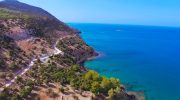
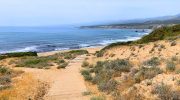
The wild beauty of the Akamas Peninsula offers some of the island’s most untouched elevated coastal views. One of the most rewarding stops is the Lara Bay viewpoint, where rugged cliffs overlook a vast stretch of golden sand meeting deep blue waters.
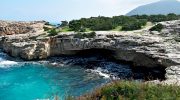
This protected area is part of a conservation zone known for turtle nesting beaches. From above, the coastline curves gracefully, framed by untouched hills and crystal-clear water. The elevated perspective reveals the isolation and natural purity of western Cyprus, far from developed resorts. Sunsets here feel raw and untamed, with the horizon stretching endlessly across open sea.
Unlike more accessible viewpoints, the journey to Lara Bay often requires a 4×4 vehicle or a scenic hike, which keeps the landscape serene and uncrowded.