Scenic routes and viewpoints

Best Coastal Routes to Drive in Cyprus

Best Coastal Routes to Drive in Cyprus

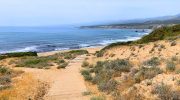
Cyprus offers some of the Mediterranean's most spectacular coastal drives. The island's shoreline stretches across hundreds of kilometers, combining turquoise waters with dramatic cliffs, hidden coves, and beaches rich in mythology. These routes showcase Cyprus's natural beauty while connecting historical sites, traditional villages, and protected nature areas. The B6 coastal road between Paphos and Limassol provides one of Cyprus's most scenic drives. This route covers approximately 70 kilometers and takes about 90 minutes without stops, though the attractions along the way deserve considerably more time. The parallel A6 motorway offers faster travel, but the B6 keeps drivers closer to the coastline for better sea views. The route's highlight arrives at Petra tou Romiou, known internationally as Aphrodite's Rock. Located roughly…

Read more
Popular Tourist Travel Paths Around Cyprus

Popular Tourist Travel Paths Around Cyprus

Cyprus offers distinct travel paths that showcase different aspects of the island within compact distances. The most popular routes connect coastal cities, ancient archaeological sites, mountain villages, and natural landmarks. Each path reveals unique character, from beach-focused coastal routes to cultural exploration in the mountains. The island spans just 240 kilometers east to west and 96 kilometers north to south, making multiple routes accessible during a single visit. Well-maintained roads, clear signage in both Greek and English, and short drive times allow travelers to experience varied landscapes within hours. These established paths have developed over years of tourism, balancing accessibility with authentic experiences. The Coastal Circuit from East to West The main coastal route runs from Larnaca through Limassol to…

Read more
Walking and Seaside Visits in Cyprus

Walking and Seaside Visits in Cyprus

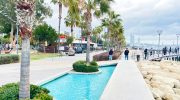
Cyprus life revolves around the Mediterranean Sea and the simple pleasure of walking. The island's 650 kilometers of coastline and 326 days of annual sunshine create perfect conditions for daily seaside visits that locals consider essential rather than optional.  Walking serves multiple purposes in Cypriot culture, from exercise and social connection to mental relaxation and community participation. The coastal promenades and beaches function as outdoor living rooms where families gather, friends meet, and strangers become acquaintances through repeated casual encounters. The History of Coastal Walking Traditions The tradition of evening coastal walks, known as the volta, traces back to ancient Greek and Roman practices of gathering in public spaces. During Byzantine times, promenades along harbor areas served as meeting points…

Read more
Mirror-Like Landscapes of Cyprus

Mirror-Like Landscapes of Cyprus

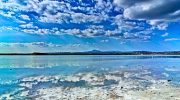
Cyprus mirror-like landscapes create minimalist vistas where earth, water, and sky merge into simplified compositions perfect for contemplative viewing and photography. The Larnaca Salt Lake complex southwest of Larnaca city provides the island's most dramatic example, transforming seasonally from a shallow reflective wetland in winter to an expansive white salt flat in summer.  This network of four interconnected lakes, Aliki, Orphani, Soros, and Spiro, covers approximately 2.2 square kilometers and creates mirror reflections of the sky, Hala Sultan Tekke mosque, and palm trees during wet months. The minimalist aesthetic results from the flat terrain, horizontal lines, limited color palette of blue, white, and occasional pink from flamingos, and vast open spaces where human structures become small elements in much larger…

Read more
Skiing in Cyprus

Skiing in Cyprus

Cyprus offers a unique winter sports experience where skiers can enjoy slopes under beautiful Mediterranean blue skies, then drive to the beach for afternoon swimming on the same day. Skiing can be enjoyed on the slopes of Mount Olympus at 1,951 meters above sea level, usually from the beginning of January until the end of March. The Troodos ski resort sits only 2 kilometers from Troodos Hill resort, about an hour's drive from the seaside town of Limassol and the capital Nicosia. The ski season depends heavily on weather conditions, with temperatures in the Troodos Mountains dropping to minus 5 degrees Celsius at night and around 4 degrees Celsius during the day when snow coverage reaches as much as 2…

Read more
Cyprus Tourist Travel Routes

Cyprus Tourist Travel Routes

Cyprus offers distinct travel paths that showcase different aspects of the island within compact distances. The most popular routes connect coastal cities, ancient archaeological sites, mountain villages, and natural landmarks. Each path reveals unique character, from beach-focused coastal routes to cultural exploration in the mountains. The island spans just 240 kilometers east to west and 96 kilometers north to south, making multiple routes accessible during a single visit. Well-maintained roads, clear signage in both Greek and English, and short drive times allow travelers to experience varied landscapes within hours. These established paths have developed over years of tourism, balancing accessibility with authentic experiences. The Coastal Circuit from East to West The main coastal route runs from Larnaca through Limassol to…

Read more
Best Inland Mountain Routes Across Cyprus

Best Inland Mountain Routes Across Cyprus

The Troodos Mountains cover one-third of Cyprus and rise to 1,952 meters at Mount Olympus. This massive range stretches across most of the western side of the island, offering cool pine-scented air, traditional villages, and winding roads that climb from sea level through multiple climate zones. These mountain routes provide a complete contrast to coastal Cyprus, both in landscape and atmosphere. Three main routes connect Nicosia to the Troodos region, each offering distinct scenery and driving experiences. The most scenic path runs through Evrychou, Galata, Kakopetria, Platania, outside Kyperounta, Amiantos, and finally Platia Troodos. This route covers approximately 100 kilometers and takes between 90 minutes to two hours depending on traffic and stops. The road features numerous curves and requires…

Read more
Platres to Prodromos Drive

Platres to Prodromos Drive

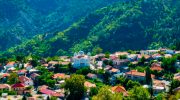
The scenic road from Platres to Prodromos traces one of the most beautiful routes in the Troodos Mountains. This approximately 18-kilometer drive connects two of Cyprus's most significant mountain villages, winding through dense pine forests at elevations between 1,100 and 1,400 meters above sea level. The route offers travelers a chance to experience the island's mountainous interior, where cool air and verdant landscapes contrast sharply with the coastal regions below. Platres sits at an altitude of 1,100 meters and serves as one of the largest resort villages in the Troodos range. Prodromos, positioned at 1,380 meters, holds the distinction of being the highest village in Cyprus. The road between them follows the natural contours of the mountain, revealing panoramic views…

Read more
Vertical Cyprus Rising Landscapes

Vertical Cyprus Rising Landscapes

Most visitors meet Cyprus at sea level, through beaches and coastal towns. But the island's character is shaped just as much by what rises behind it. From volcanic peaks and forested ridges to monastery balconies and fire lookout stations, Cyprus's high ground offers a different kind of understanding. These elevated viewpoints are not simply scenic stops. They explain how the island was formed, how people survived, and how geography quietly directed history, belief, and daily life. This is Cyprus seen vertically, where altitude changes perspective. An island lifted from the sea Cyprus’s mountainous backbone exists because the island itself was pushed upward from the ancient Tethys Ocean. The Troodos Mountains are one of the world’s most complete examples of exposed…

Read more