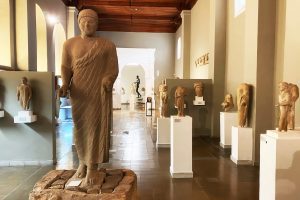
Adaptation of Imported Artistic Techniques in ancient Cyprus involved incorporating styles from regions such as Greece, Egypt, and the Near East, then modifying them to align with local beliefs and values. Rather than exact replication, Cypriot artists infused these elements with distinctive island characteristics, resulting in art that felt authentically Cypriot – unique and rich in significance. This process of selective adaptation transformed external influences into innovative expressions, illustrating how an island on the periphery of empires developed a vibrant creative identity.
- A Creative Synthesis at a Mediterranean Crossroads
- The Beginnings of Cultural Adaptation
- Distinctive Features of the Adaptations
- Intriguing Examples of Hybrid Creations
- Profound Implications of the Adaptations
- Contemporary Echoes in Cyprus
- Opportunities for Exploration
- A Legacy of Enduring Adaptation
A Creative Synthesis at a Mediterranean Crossroads
Cypriot art emerged from the island’s position as a nexus of cultural exchange, where imported techniques underwent transformation to reflect indigenous perspectives. External styles arrived through trade, migration, and conquest, but artists selectively reshaped them to emphasize themes central to Cypriot life, such as harmony with nature, divine protection, and communal resilience. Pottery, sculptures, and architectural elements bear witness to this blending, where foreign forms gained new meanings tied to the island’s spiritual and social fabric. The outcome was a visual language that balanced innovation with tradition, capturing the essence of a society
navigating diverse influences while preserving its core identity.
The Beginnings of Cultural Adaptation
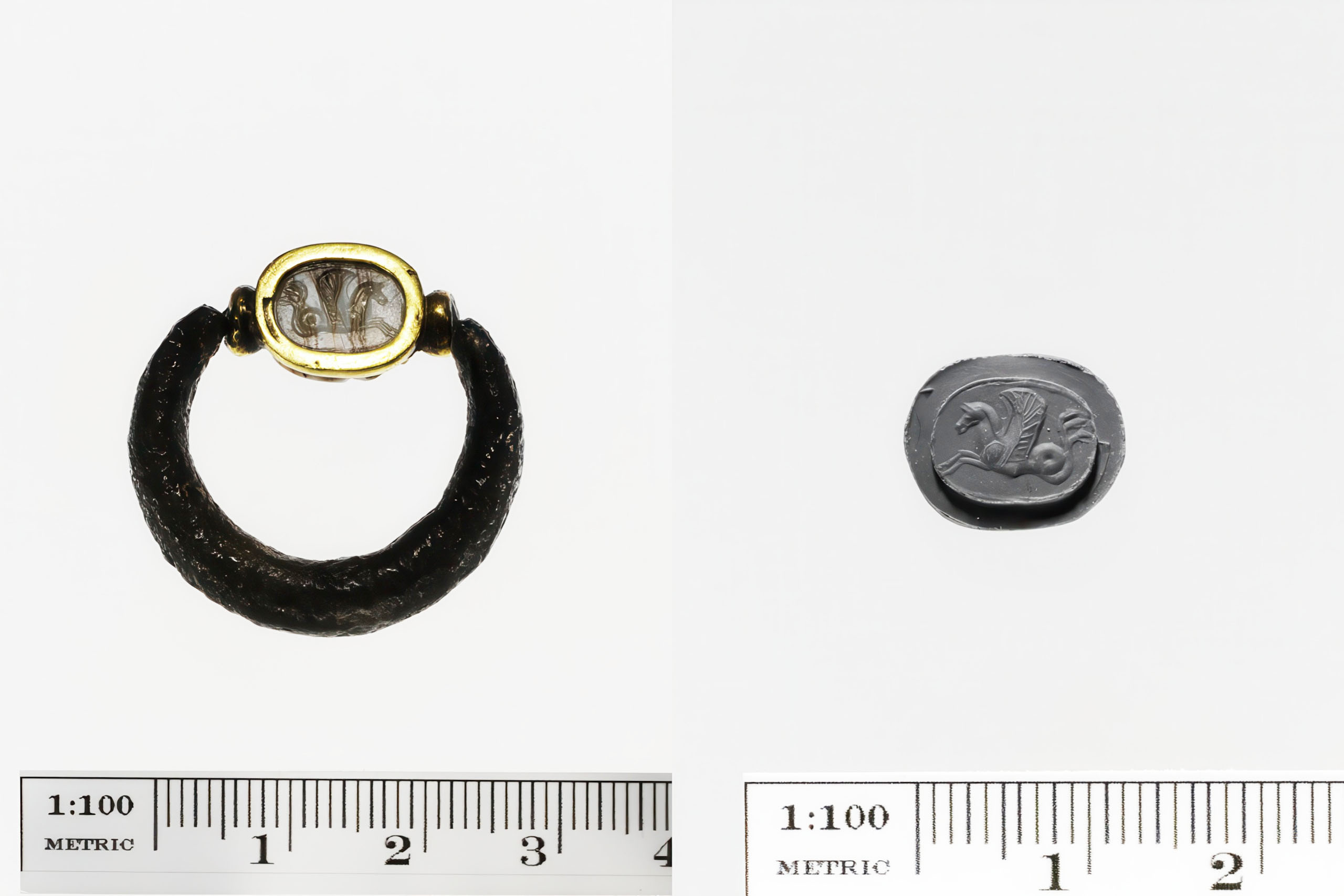
The practice of adapting imported techniques traces back to the Bronze Age around 2500 BC, when Cyprus’s copper resources attracted merchants from surrounding areas. Early artifacts reveal initial modifications: Egyptian scarab designs, symbols of rebirth, were engraved with Cypriot motifs on the reverse, integrating Nile Valley mysticism with island-specific protective symbols. As Mycenaean Greeks settled after 1200 BC, their narrative pottery styles – featuring heroic figures – were altered to include local elements like exaggerated fertility attributes, aligning with Cypriot reverence for natural abundance.
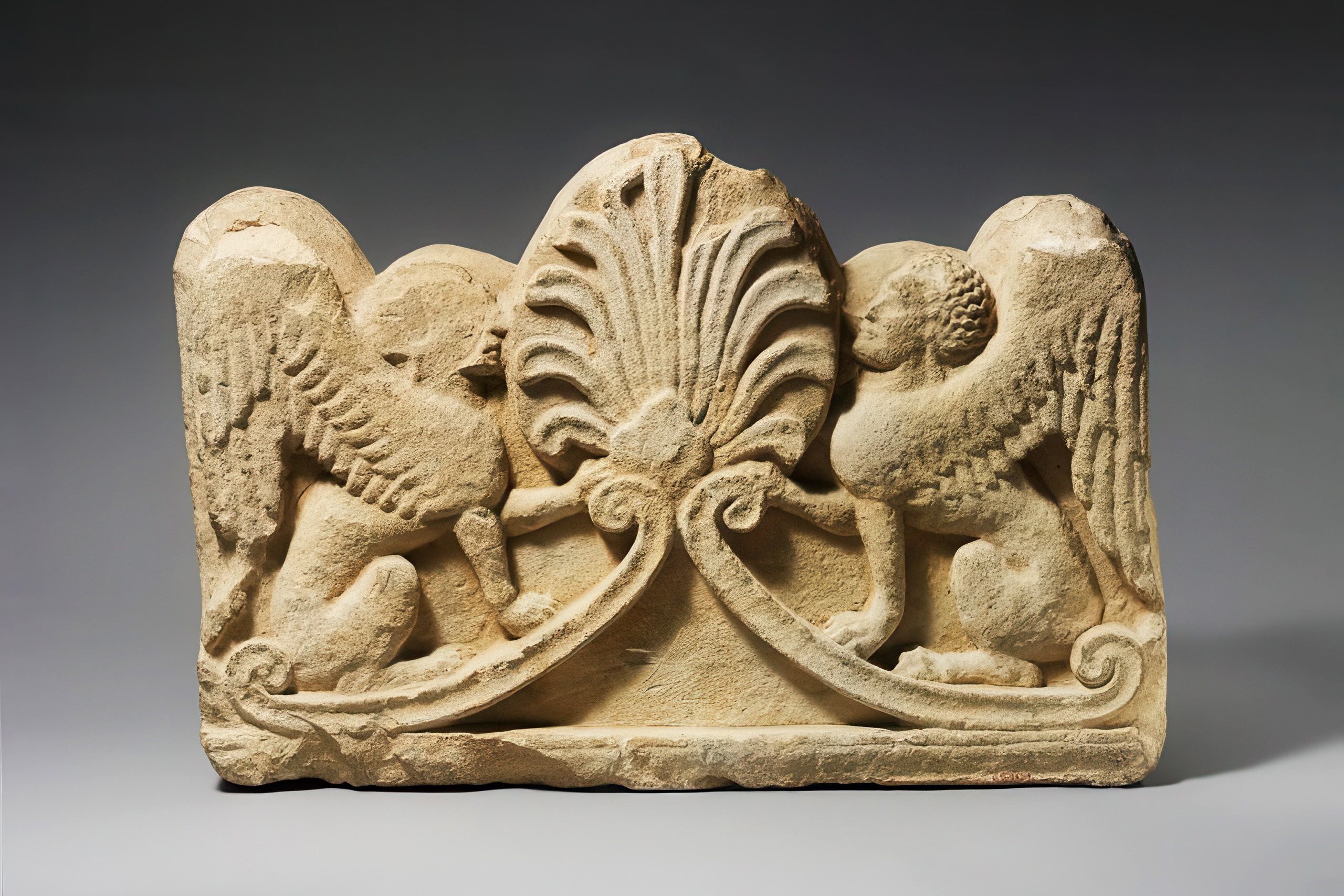
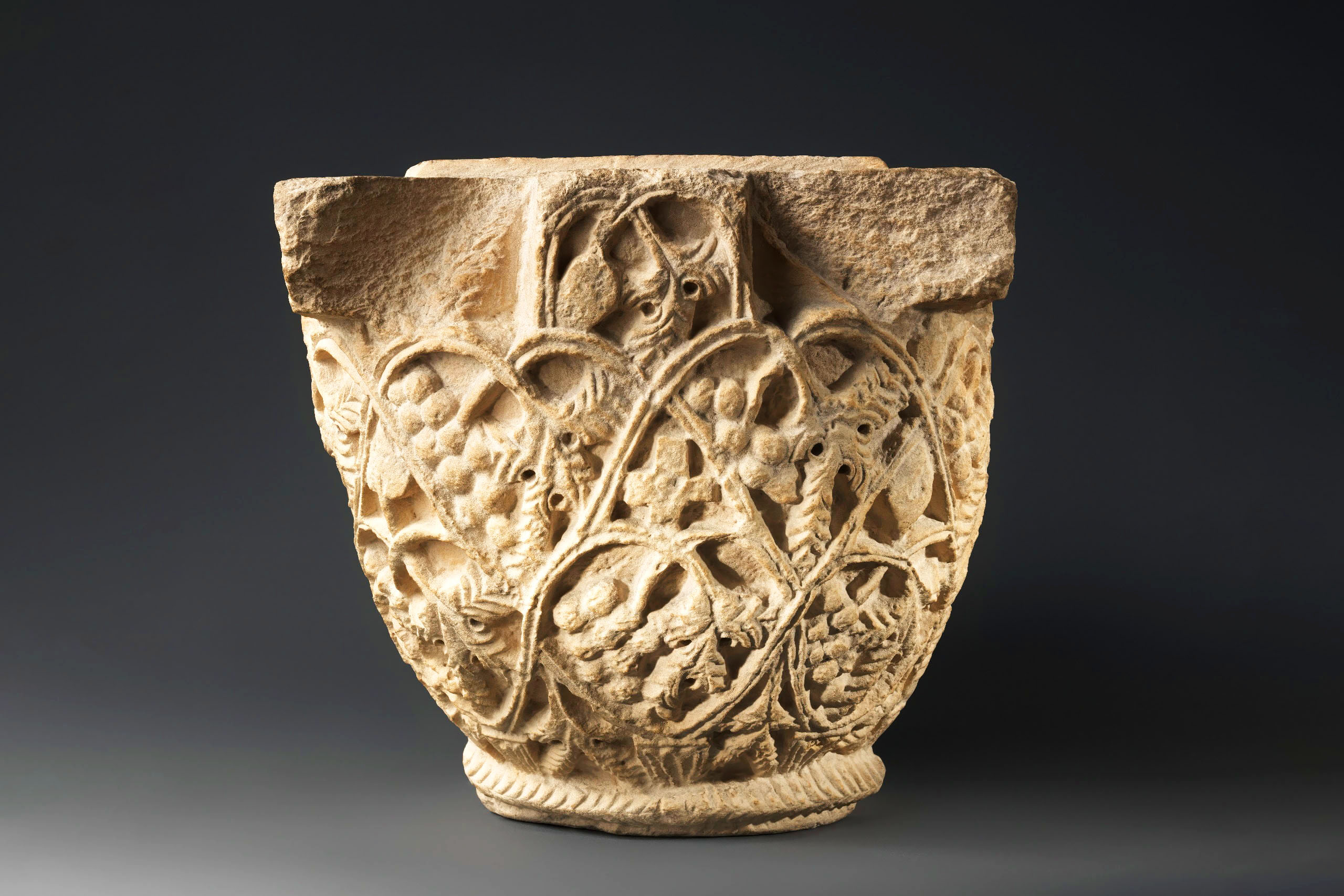
The Iron Age, following 1050 BC, intensified this process amid increased Greek colonization. Phoenician ivories with intricate Eastern patterns were reinterpreted in Cypriot workshops, softened to emphasize balance rather than opulence, fitting the island’s agrarian spiritual outlook. Persian administration from 525 BC introduced imperial motifs like winged creatures, which Cypriot artists scaled down and combined with Aegean fluidity to symbolize local guardianship over land and sea. Roman influence from 58 BC further layered adaptations, as mosaic techniques from Italy were adjusted to incorporate Cypriot symbols of renewal, such as intertwined vines representing post-drought recovery. Across these periods, as successive empires shaped the island, this selective reshaping ensured art remained a vehicle for Cypriot values, evolving through centuries of interaction.
Distinctive Features of the Adaptations
Cypriot adaptations were characterized by intentional selectivity, where techniques were chosen for their compatibility with local narratives. Greek realistic human forms, for instance, received enlarged hips or stylized postures to underscore fertility, aligning with island beliefs in earth’s nurturing power. Near Eastern tree of life patterns, emblematic of eternal growth, evolved into Cypriot vine motifs that symbolized resilience after seasonal dry spells. This was not haphazard; it stemmed from a worldview where deities resided in nature, prompting adjustments that grounded foreign grandeur in familiar island contexts.
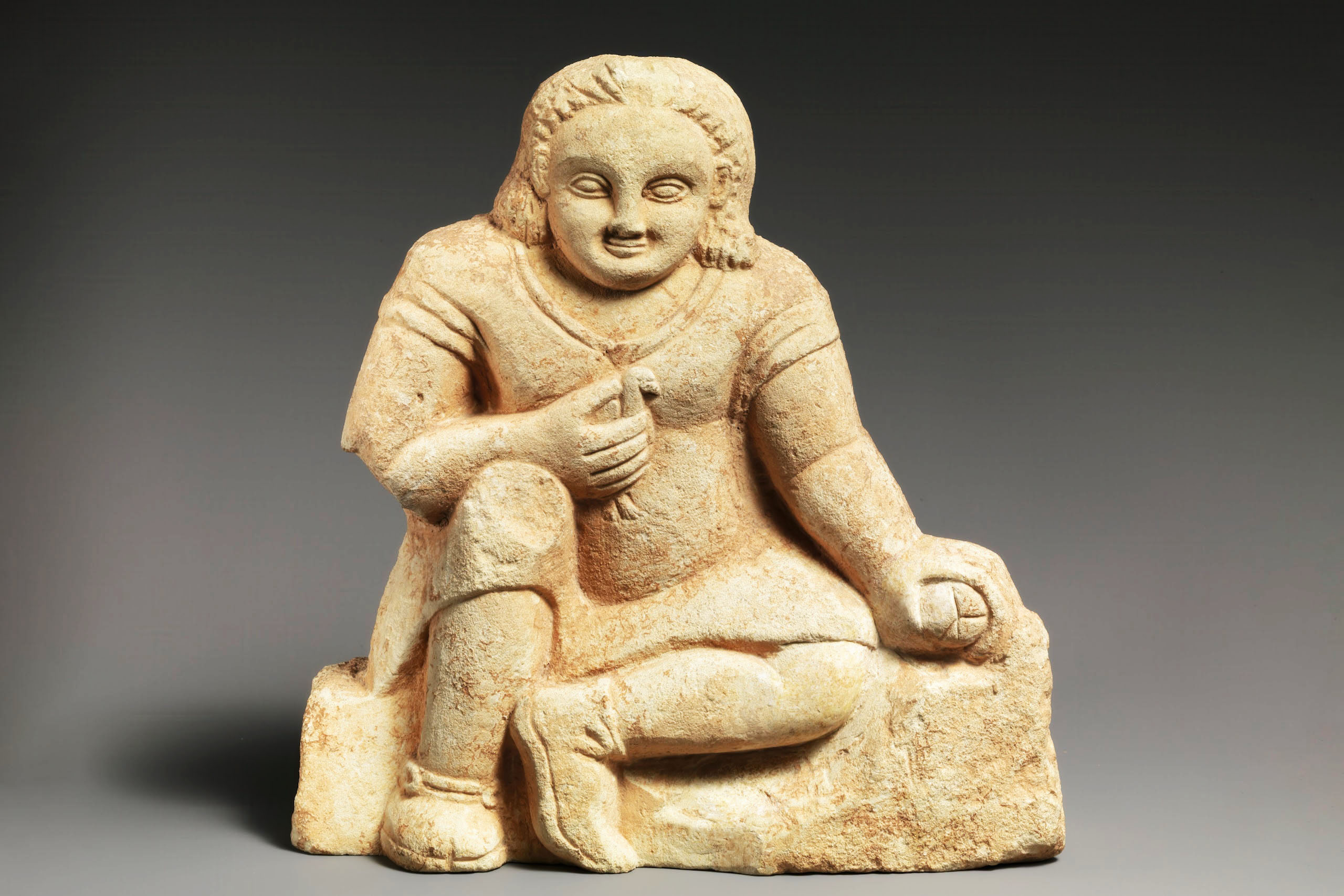
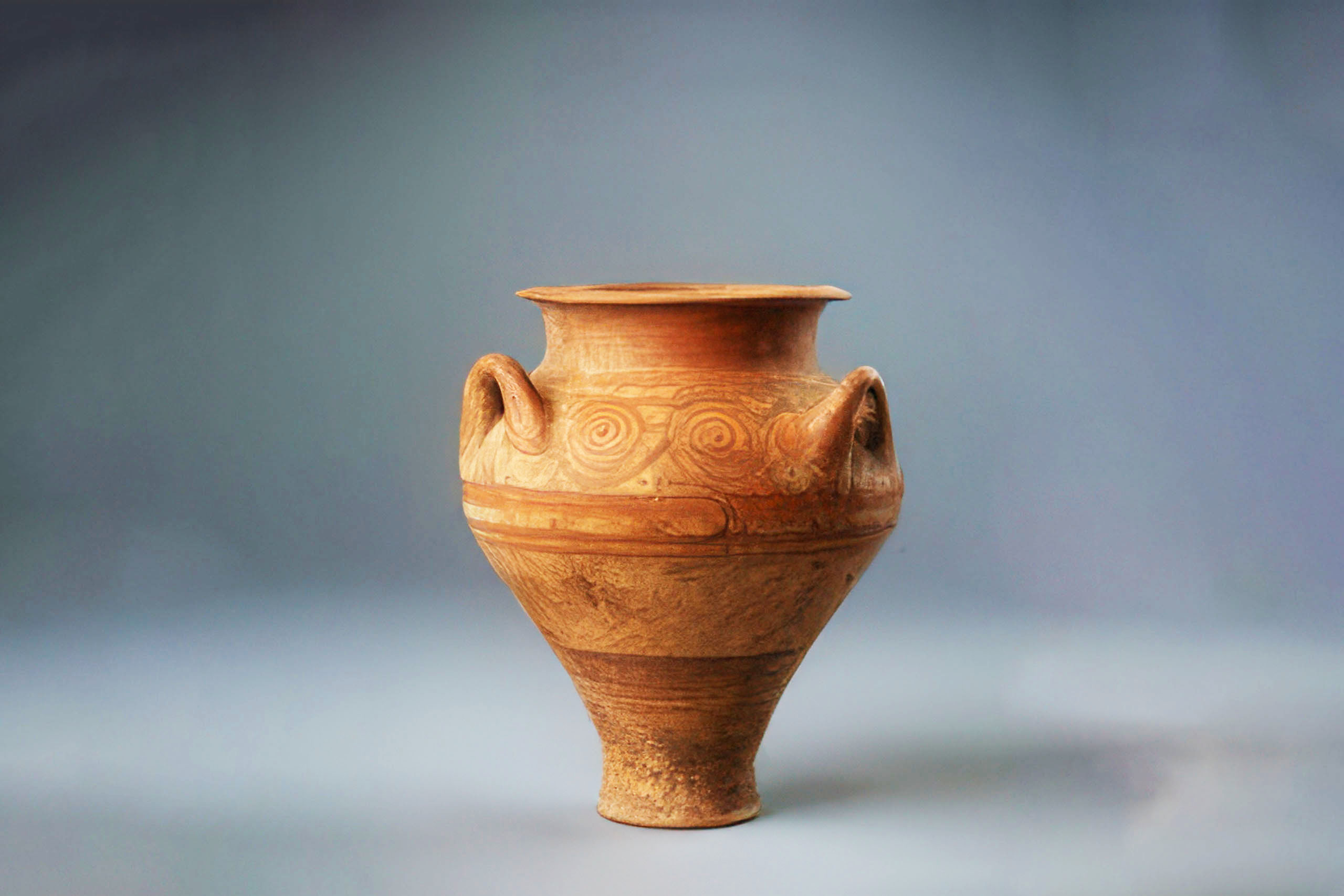
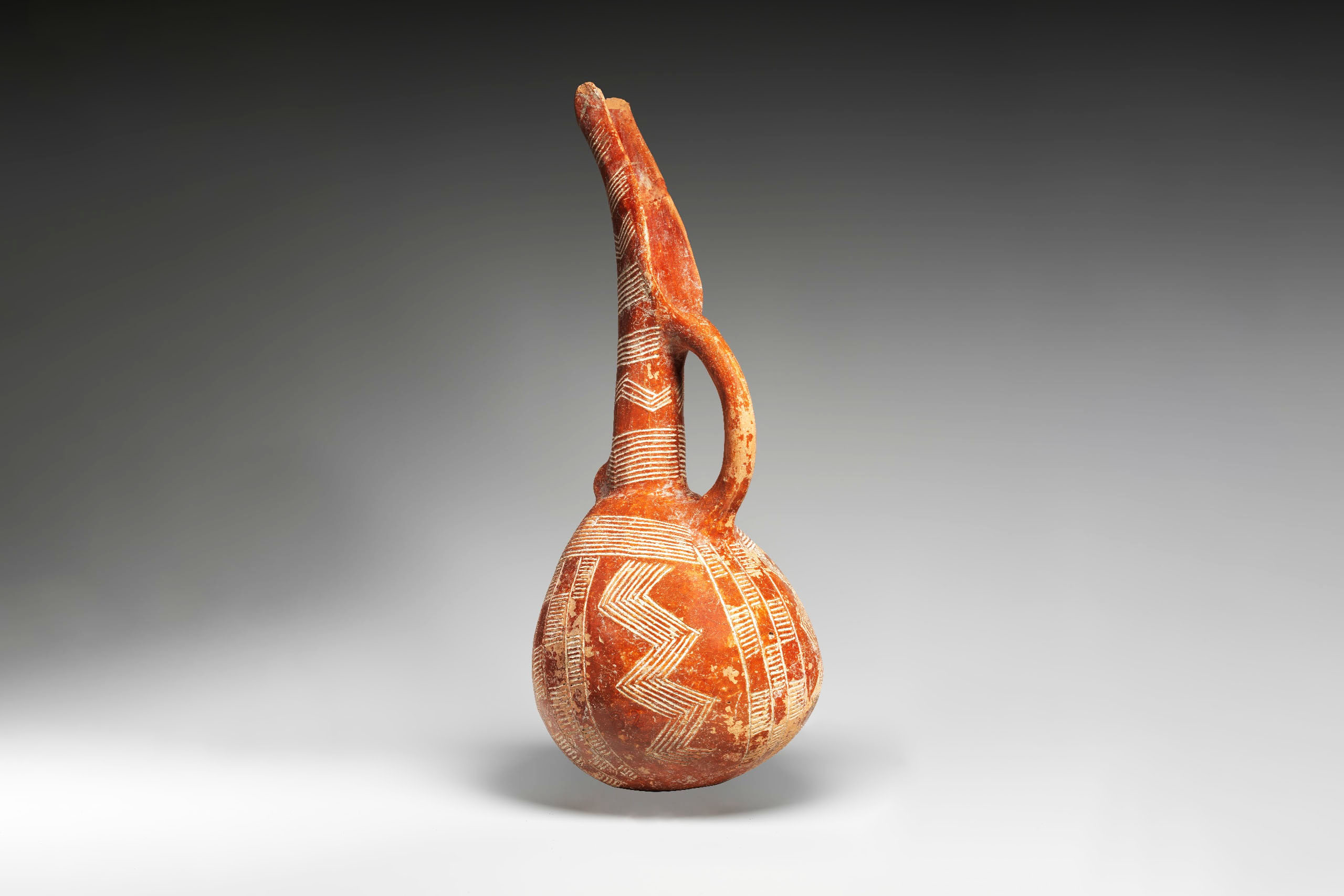
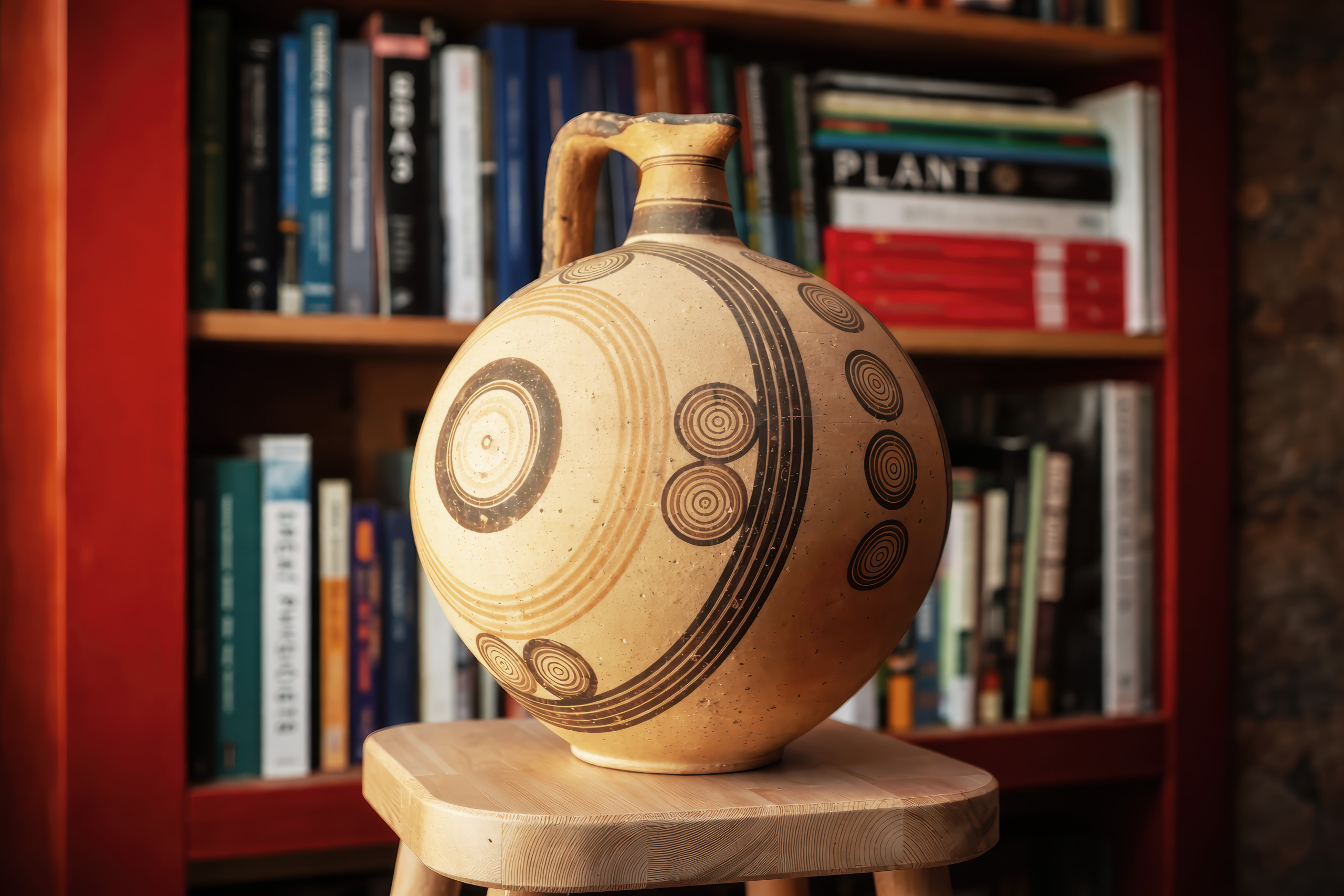
The results produced art with balanced compositions and symbols resonant with everyday experiences, such as bountiful harvests or secure family lineages. Pottery from this era often featured brighter, earth-toned palettes over imported dark figures, enhancing visibility in ritual settings and tying designs to Cyprus’s sunlit landscapes. Such modifications created works that appeared influenced yet inherently local, fostering a sense of cultural continuity amid external pressures.
Intriguing Examples of Hybrid Creations
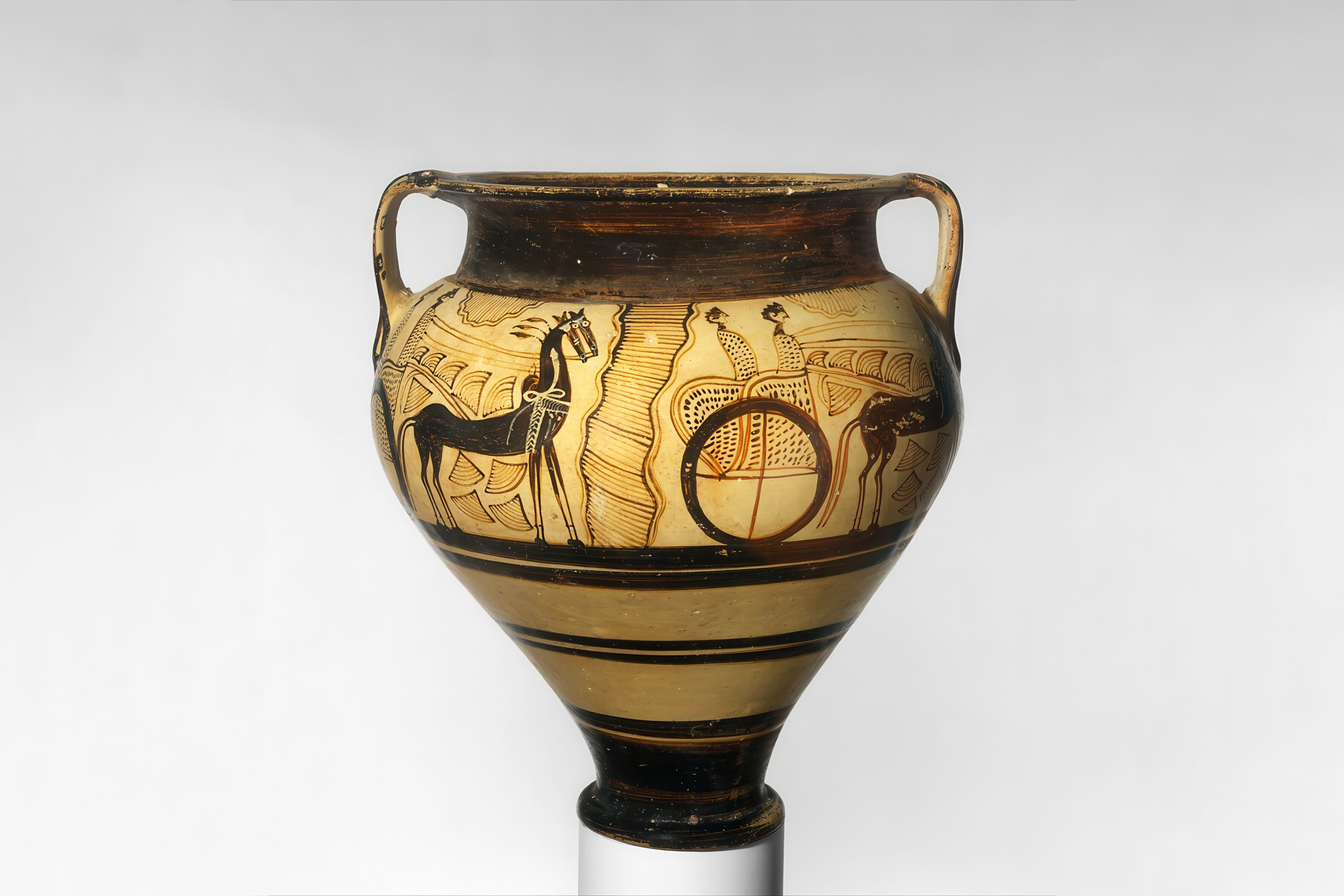
Certain artifacts highlight the ingenuity of these adaptations. Egyptian scarab beetles, traditional emblems of rebirth, were transformed by engraving Cypriot seals on their undersides, merging foreign amuletic power with island-specific protective runes. Pottery adopted Greek black-figure techniques but infused them with vibrant colors and additional fauna, shifting heroic myths toward representations of local nature guardians.
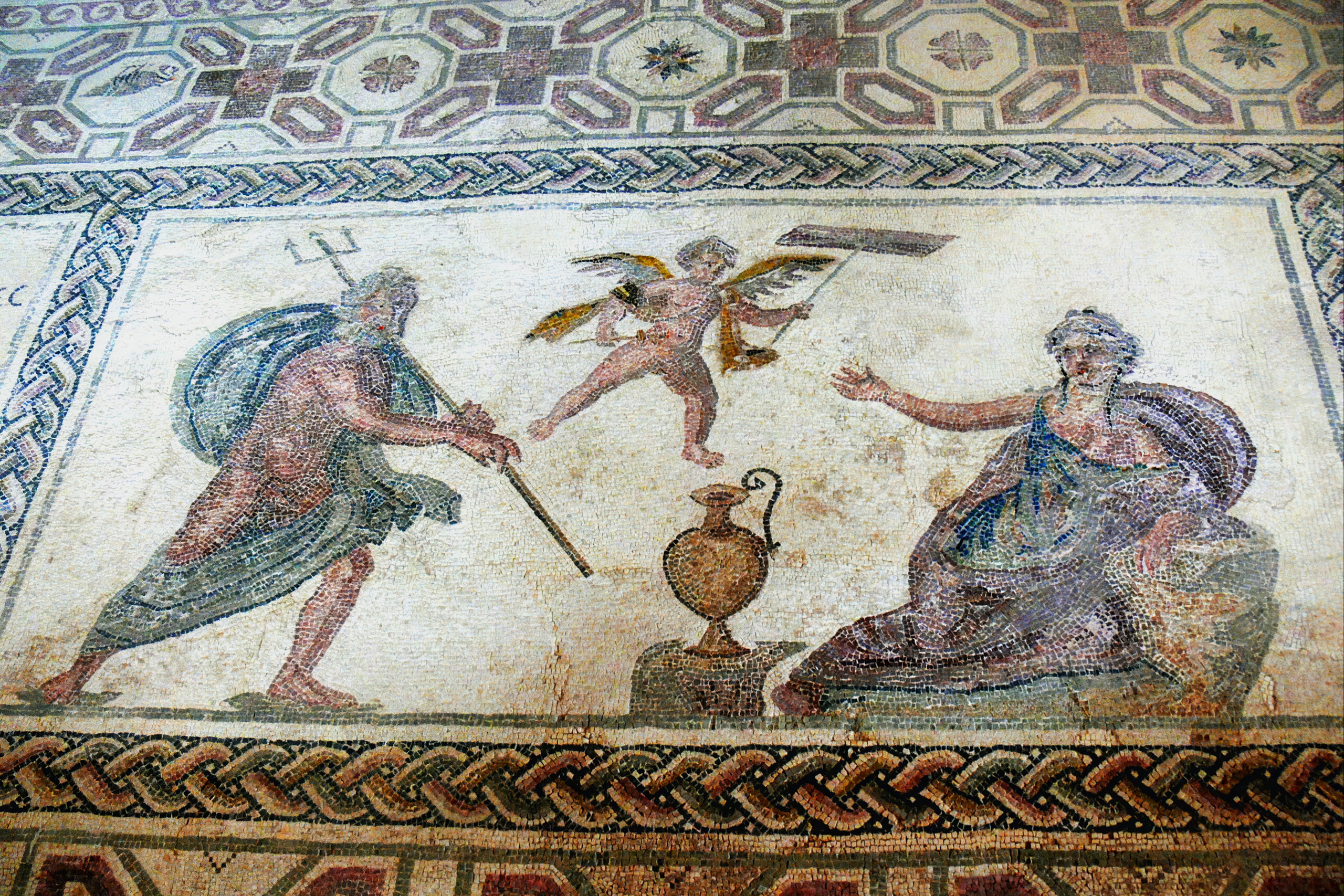
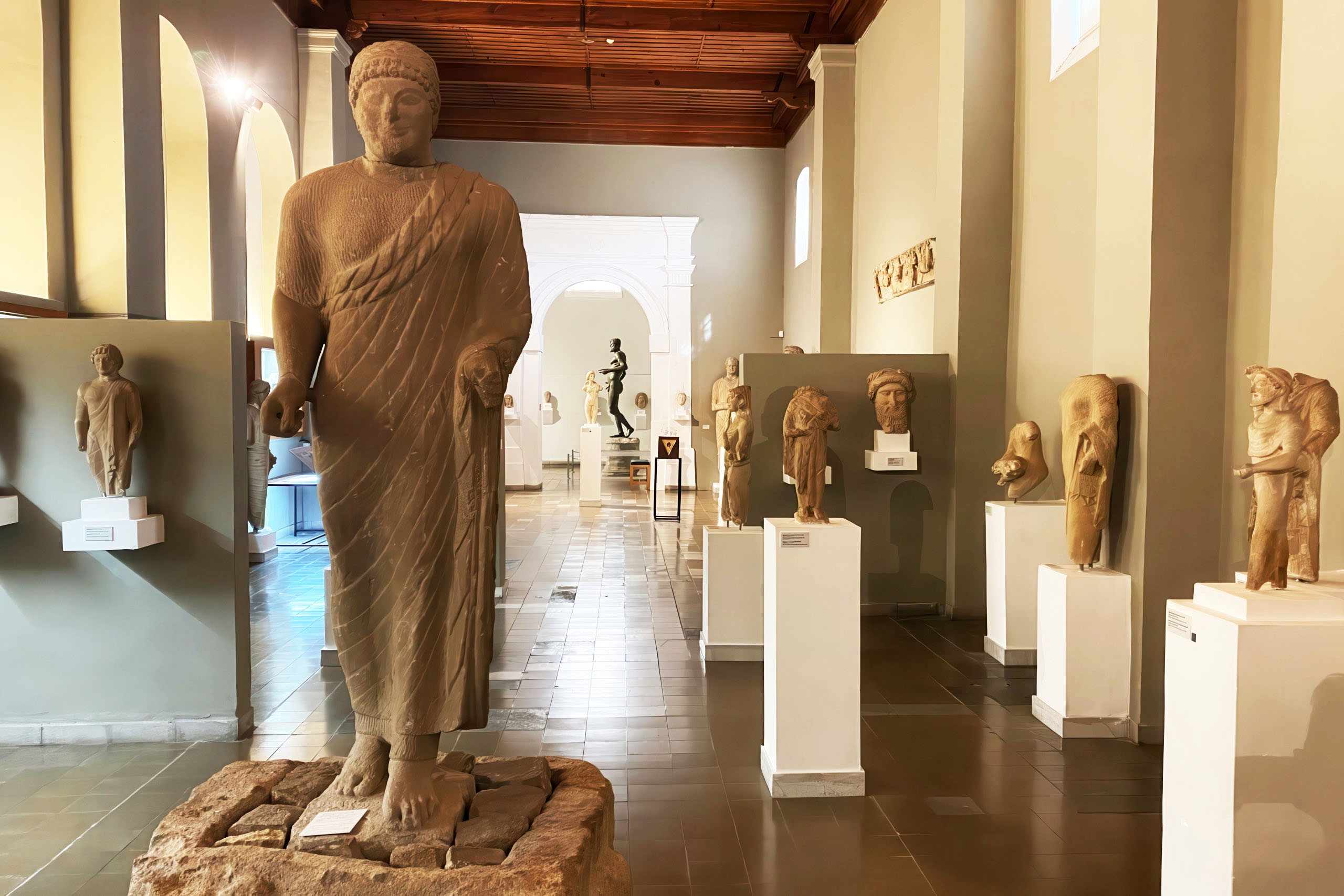
Roman mosaics depicted Greek deities like Dionysus accompanied by Eastern tigers, yet proportions were adjusted to emphasize equilibrium rather than dominance, reflecting Cypriot ideals of moderated celebration. Statues occasionally combined Persian facial hair with Greek expressions of serenity, producing forms that conveyed authority tempered by island gentleness. These instances demonstrate how adaptations yielded creations that balanced imported elements with indigenous symbolism.
Profound Implications of the Adaptations
Closer analysis reveals the strategic depth of these modifications. Artists avoided wholesale adoption, selecting techniques that amplified Cypriot themes, such as the interconnectedness of land and water. Greek fluid lines were often rigidified to evoke solidity, aligning with concepts of enduring earth spirits. Near Eastern goldwork was subdued through integration with local copper, underscoring the island’s mineral-based prosperity as a spiritual endowment.
This process proved vital during periods of upheaval, such as invasions, by preserving cultural identity through art that subtly asserted local values. Religiously, it facilitated the reshaping of external deities to resemble Cypriot figures, rendering worship more intimate and potent. Ultimately, it forged an artistic identity that was composite yet cohesive, embodying Cyprus as a realm of receptive evolution.
Contemporary Echoes in Cyprus
Adaptation of artistic techniques from antiquity continues to resonate in modern Cypriot contexts. Contemporary creators draw on global styles while incorporating island-specific elements, such as ancient patterns in murals addressing unity across divisions. This legacy fosters resilience amid ongoing changes, evident in festivals where Greek-inspired dances merge with local culinary traditions, mirroring historical blends.
Tourism sustains the tradition through exhibits that showcase these adaptations, inspiring appreciation for Cyprus’s role in cultural exchange. Educational initiatives highlight them to promote multiculturalism, while environmental efforts adapt symbolic motifs to advocate for sustainable practices. In literature and media, narratives romanticize this fusion, portraying the island as an enduring intersection of influences. This ongoing integration demonstrates how historical adaptations inform present-day expressions of identity and creativity.
Opportunities for Exploration
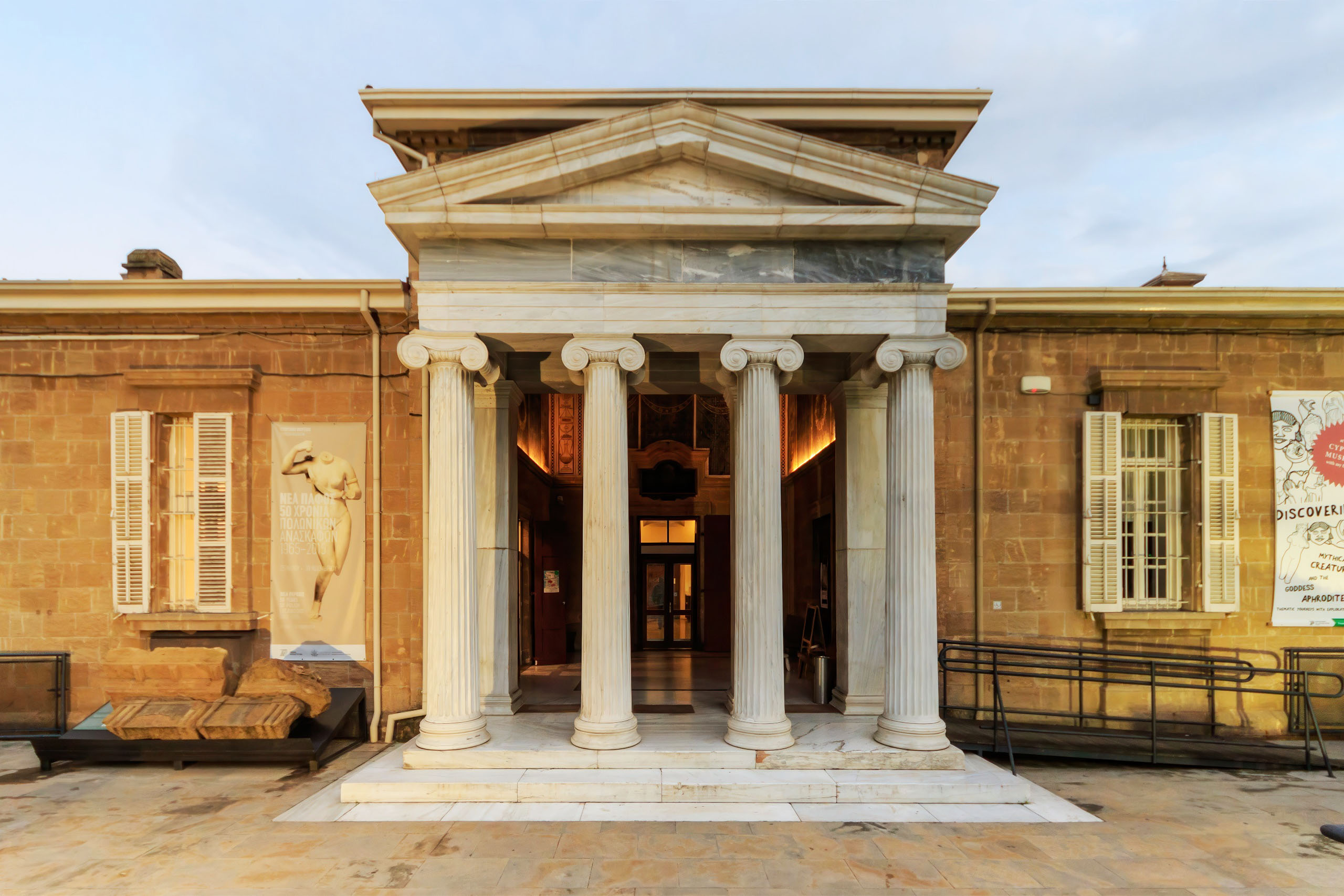
The Cyprus Museum in Nicosia displays statues and pots illustrating these adaptations, with low admission fees. Paphos ruins provide access to mosaics and carvings at no cost for many areas. Guided tours, available for modest prices, offer explanations of the modifications. Spring and fall present favorable conditions for visits, facilitating observation of the techniques in varied settings.
A Legacy of Enduring Adaptation
Adaptation of imported artistic techniques in Cyprus illustrates how external styles were reshaped to embody local beliefs, yielding an art form uniquely reflective of the island’s heritage. This selective process was not mere skill but a means of forging identity amid flux, producing works of lasting relevance. The legacy enriches understandings of Cyprus as a creative nexus, where synthesis generated profound expressions. Interaction with a modified pattern or figure evokes admiration for transformations that convert the borrowed into the inherent. This tradition affirms that adaptation fosters beauty with permanence.