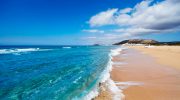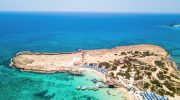
Cyprus ranks among the Mediterranean’s premier diving destinations, offering crystal-clear waters with visibility often exceeding 30 meters, warm sea temperatures reaching 27 degrees Celsius in summer, and diverse underwater landscapes ranging from ancient shipwrecks to vibrant reef systems.
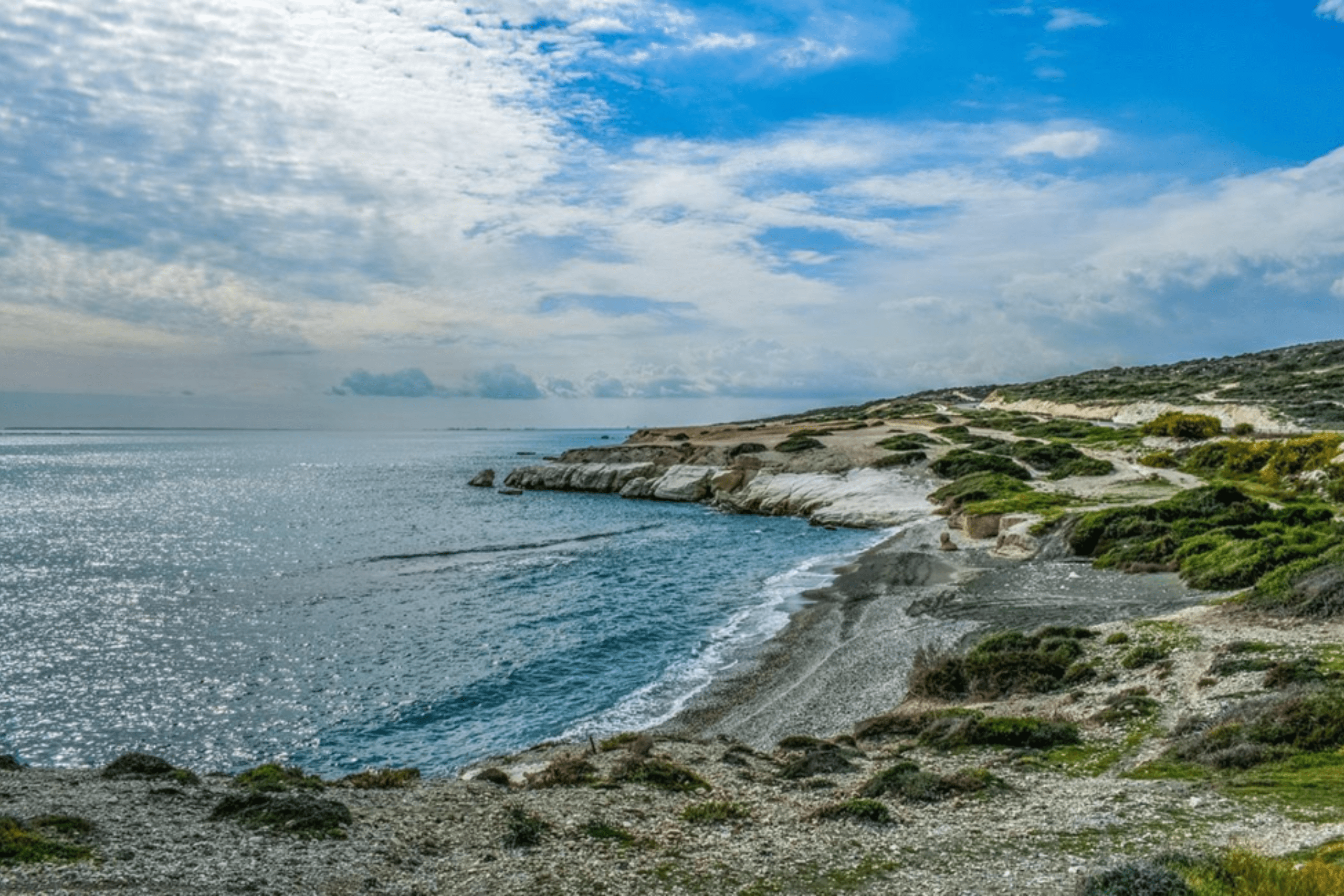
The island’s strategic location at the crossroads of three continents has resulted in a rich maritime history, with numerous wrecks resting on the seabed alongside natural caves, underwater cliffs, and thriving marine ecosystems. Cyprus’s diving season extends year-round, though the most comfortable conditions occur between April and November when water temperatures remain above 20 degrees Celsius and weather conditions are optimal.
The Zenobia Wreck Near Larnaca
The MS Zenobia stands as one of the world’s top ten wreck dives and Cyprus’s most famous underwater attraction. This Swedish-built roll-on roll-off ferry sank on her maiden voyage on June 7, 1980, just outside Larnaca harbor after suffering computer malfunctions that caused ballast system failures. The ship now rests on her port side at depths ranging from 16 to 42 meters, making different sections accessible to divers of varying experience levels.
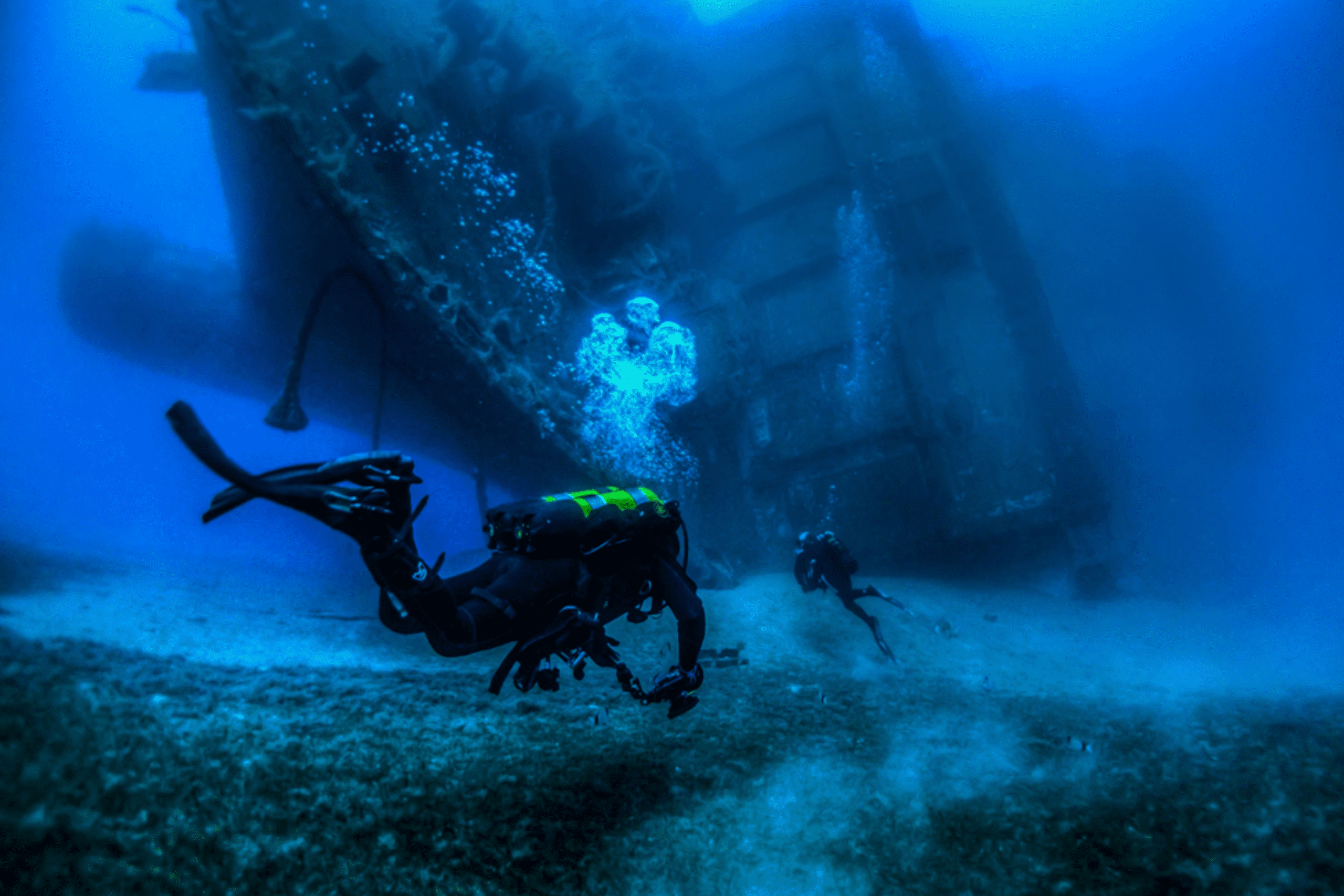
The 172-meter-long vessel carried 104 articulated lorries loaded with cargo when she sank, creating an enormous artificial reef that has attracted diverse marine life over four decades. Divers can explore the bridge, engine room, and cargo holds still containing trucks and trailers frozen in time. The wreck has become home to groupers, barracuda, lionfish, and occasionally tuna, while the superstructure hosts colorful sponges, soft corals, and anemones.
Technical divers can penetrate deeper sections of the wreck, exploring corridors and cabins at depths exceeding 30 meters. Recreational divers typically focus on the upper decks and exterior structures between 16 and 25 meters. Multiple dive operators in Larnaca offer daily trips to the Zenobia, with some providing specialized wreck penetration courses for experienced divers.
MUSAN Underwater Sculpture Museum
The Museum of Underwater Sculpture Ayia Napa, or MUSAN, opened in August 2021 as Cyprus’s first underwater forest and sculpture park. Located off Pernera Beach between Protaras and Ayia Napa at depths of 8 to 10 meters, the installation features 93 sculptural elements created by British artist Jason deCaires Taylor, covering approximately 1,000 square meters of previously barren seabed.
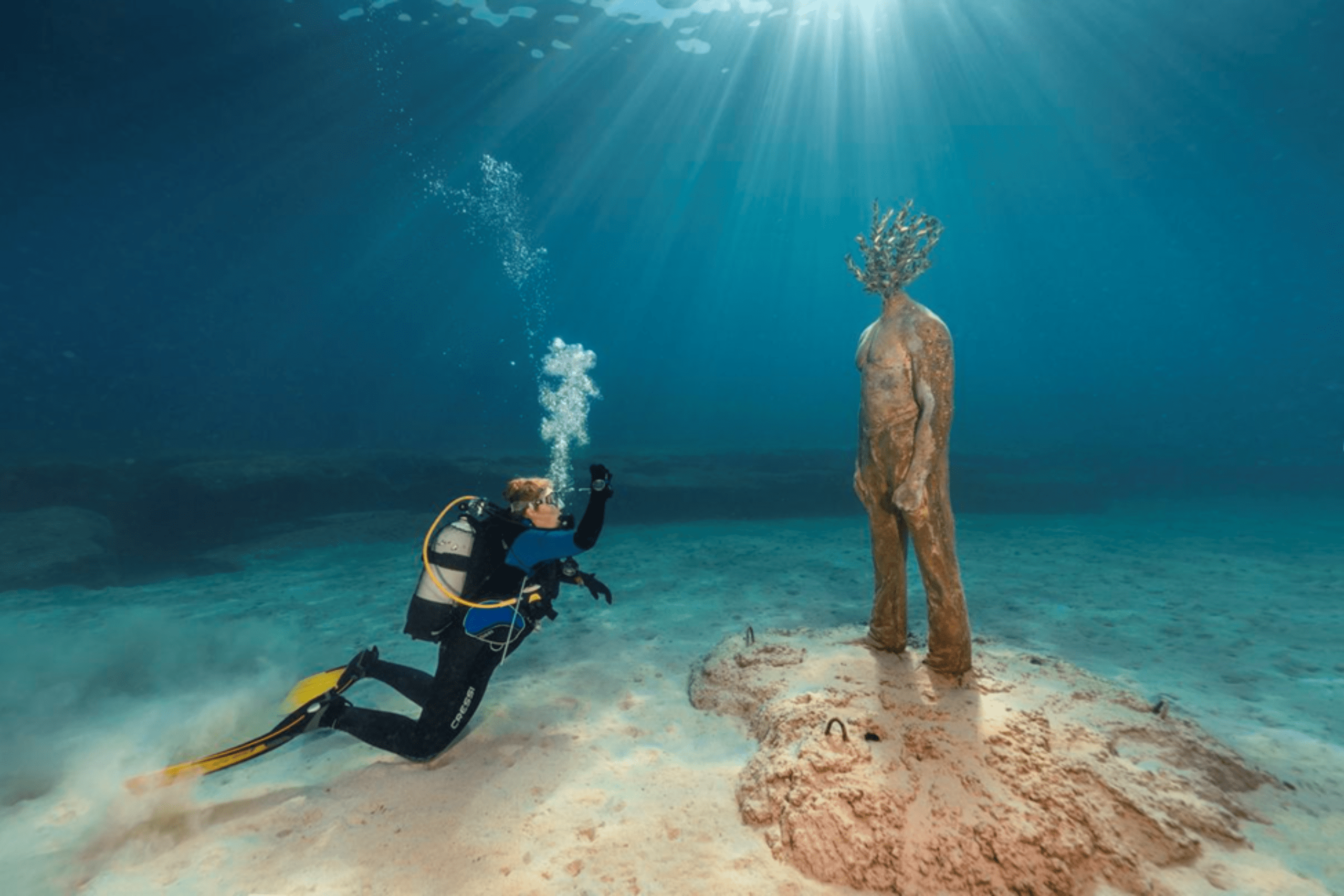
The sculptures depict human figures interacting with nature, including children playing, a couple taking a selfie, and figures surrounded by trees. Each sculpture weighs up to 13 tons and was constructed from inert pH-neutral marine-grade stainless steel and concrete designed to encourage coral growth and provide habitat for marine species. The installation aims to create an artificial reef while raising environmental awareness about ocean conservation.
The shallow depth makes MUSAN accessible to snorkelers, beginner divers, and experienced divers alike. The site has quickly attracted marine life including octopus, sea bream, damselfish, and various invertebrates that use the sculptures as shelter and feeding grounds. Dive centers in Ayia Napa and Protaras offer guided tours to MUSAN as part of discover scuba programs and certified diver excursions.
Chapel Reef and Underwater Structures
Chapel Reef near Protaras features an underwater chapel dedicated to Saint Nicholas, patron saint of sailors, placed at 12 meters depth. The small white chapel structure creates a unique diving experience combining spiritual elements with marine exploration. The surrounding reef system hosts octopus, moray eels, nudibranchs, and various fish species that shelter among rocks and crevices.
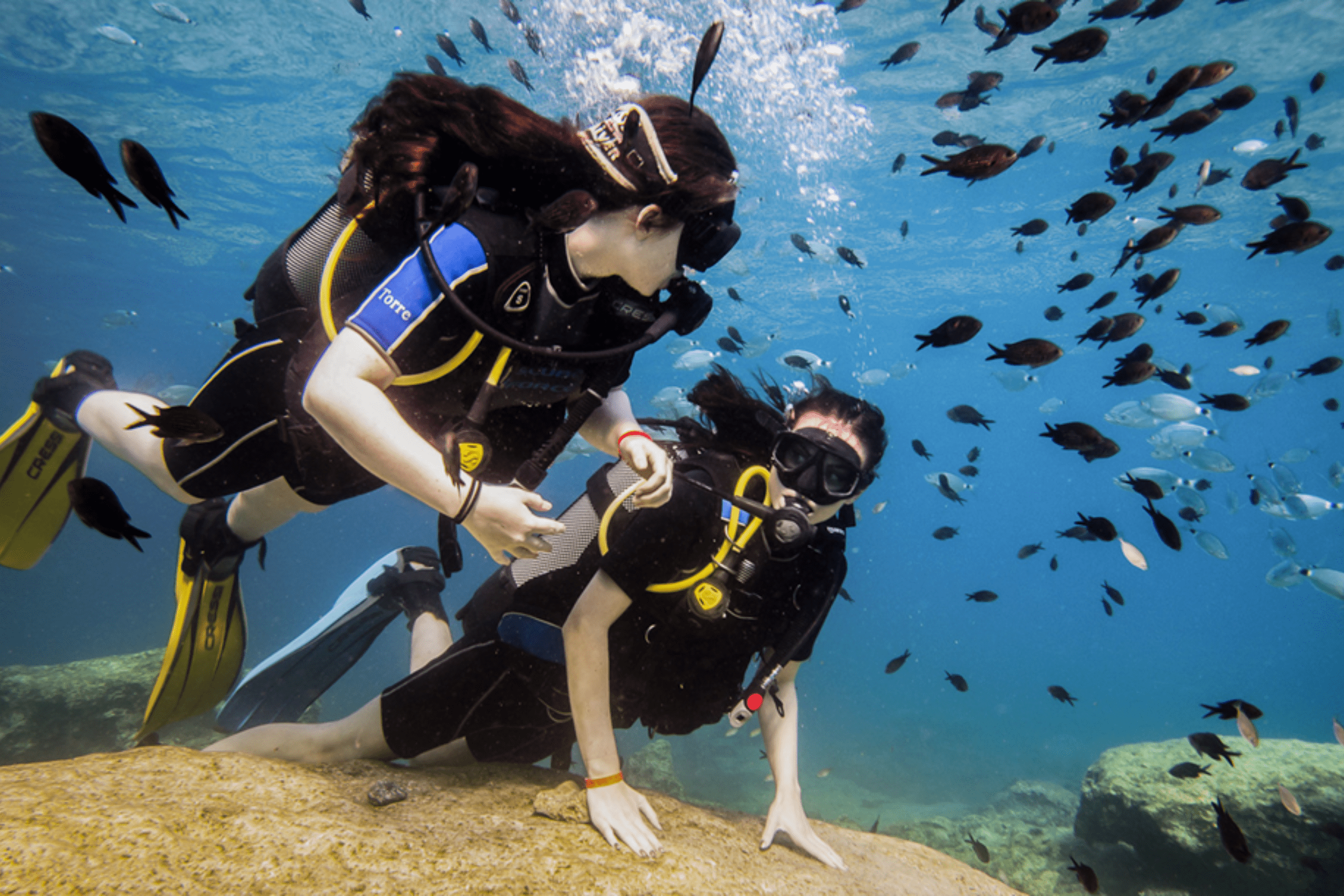
The chapel site is suitable for all certification levels and often serves as a second dive after visiting shallower sites. The clear waters and moderate depth allow extended bottom times, making it popular for underwater photography. Nearby dive sites include Cyclops Cave and Green Bay, both featuring interesting rock formations and diverse marine life.
Cave Systems and Natural Formations
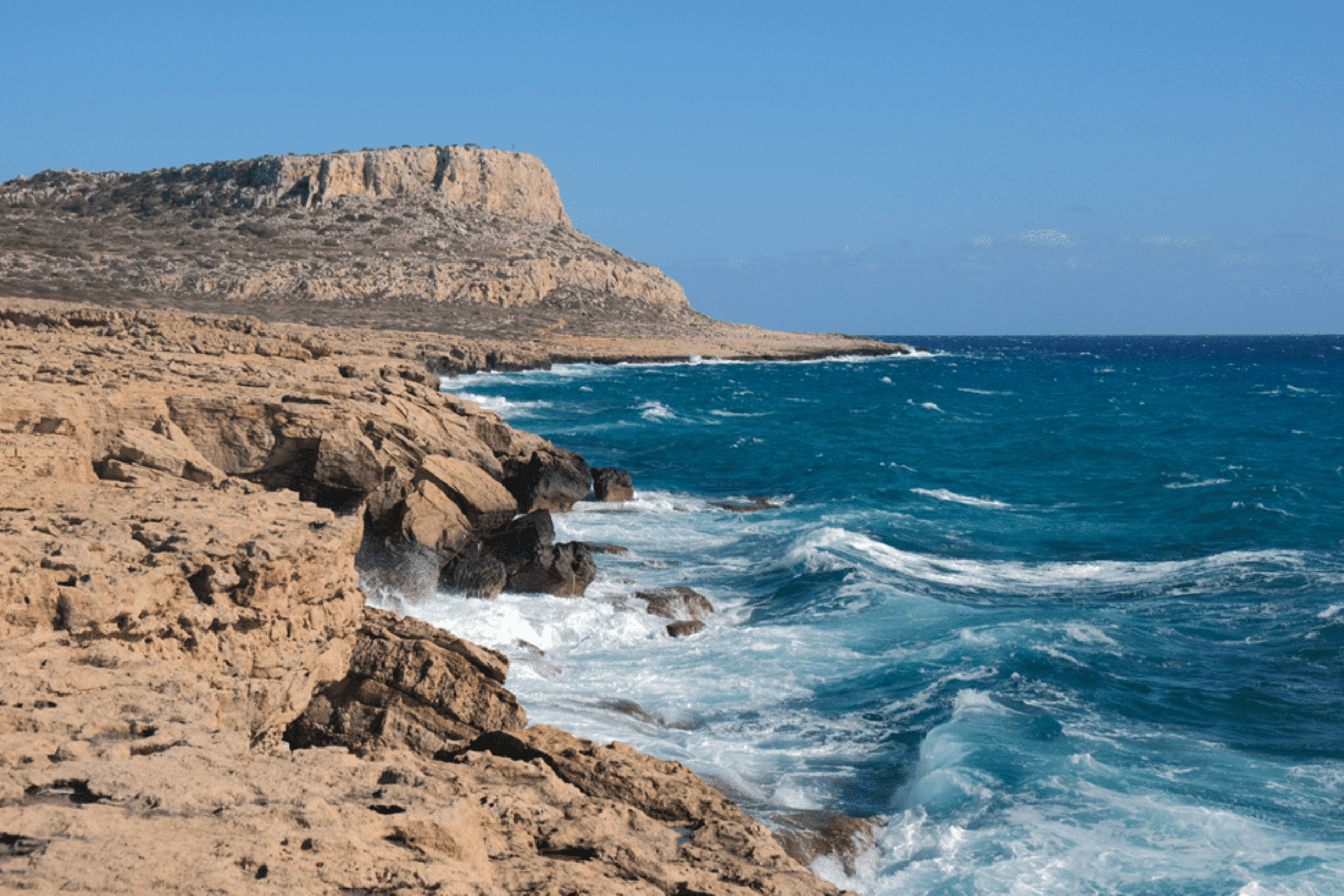
Cape Greco National Park offers numerous cave dive sites along its dramatic limestone coastline. The sea caves feature swim-throughs, caverns, and tunnels created by thousands of years of wave erosion. Cathedral Cave stands out for its large chamber with natural light filtering through openings in the rock ceiling, creating dramatic light effects particularly during midday hours.
Turtle Cove, despite its name, attracts divers more for its geological features than turtle sightings, though green sea turtles do occasionally visit the area. The site features a large cavern entrance at 6 meters leading to a chamber reaching 18 meters depth. The cave walls host colorful sponges and soft corals, while the entrance typically holds schools of salema porgy and damselfish.
Amphorae Cave and Historical Sites
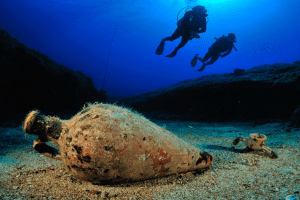
Amphorae Cave near Protaras takes its name from ancient ceramic vessels discovered in the cave decades ago, though these artifacts were removed for preservation. The cave dive features a narrow entrance at 8 meters opening into a larger chamber at 18 meters. The site requires good buoyancy control and careful finning technique to avoid disturbing sediment on the cave floor.
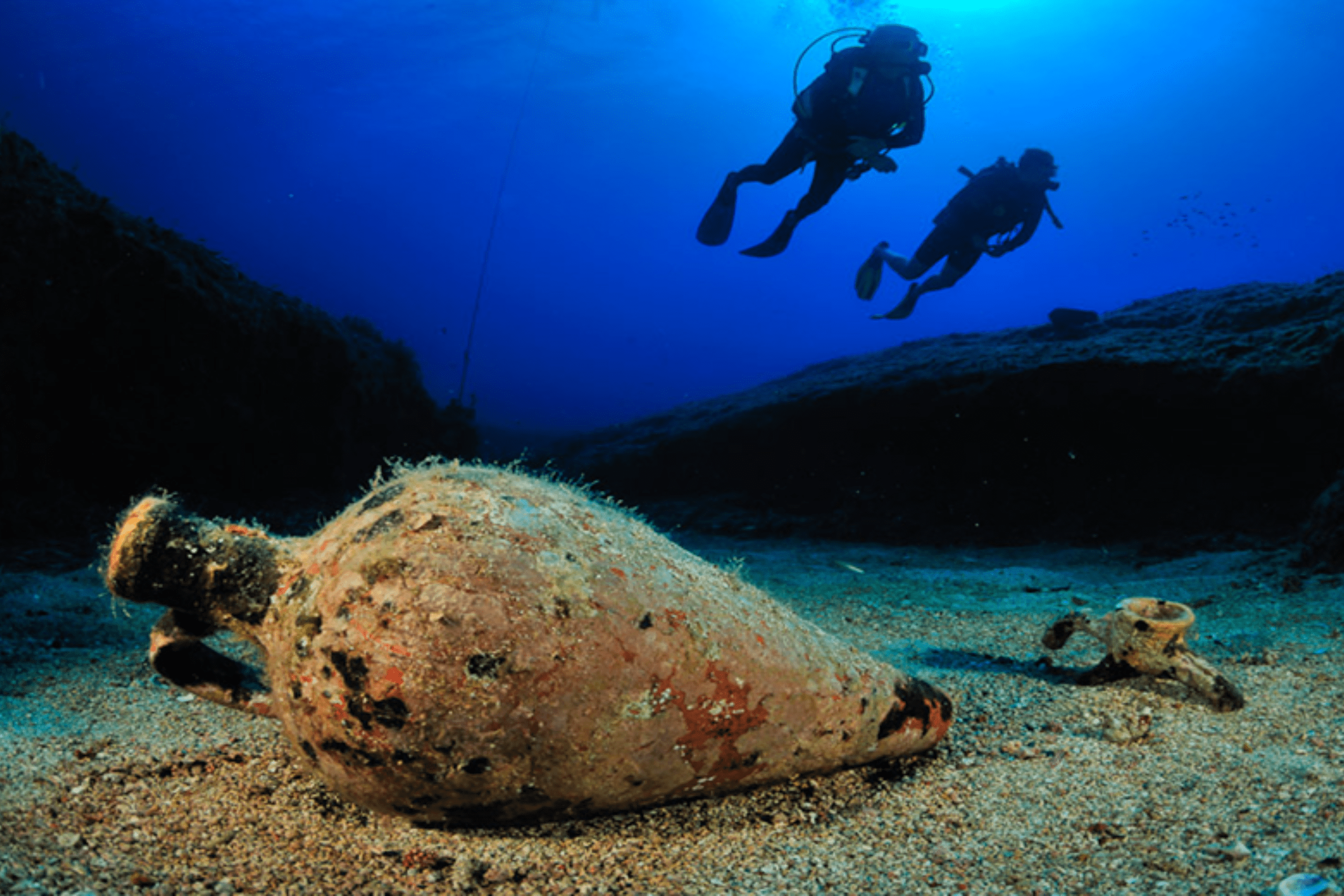
Multiple ancient amphora sites exist around Cyprus where divers can see pottery fragments scattered on the seabed, remnants of ancient maritime trade routes. These archaeological sites are protected by law, with removal or disturbance of artifacts strictly prohibited. Dive guides provide historical context while ensuring sites remain undisturbed for future generations.
Why Cyprus Offers World-Class Diving
The combination of historical wrecks, artificial reefs, natural caves, and clear warm waters makes Cyprus exceptional for diving. The island’s compact size allows accessing multiple dive sites during a single visit, with drive times between coastal regions rarely exceeding 90 minutes. Dive operators maintain high safety standards, with most instructors holding PADI, SSI, or CMAS certifications and offering courses in multiple languages.
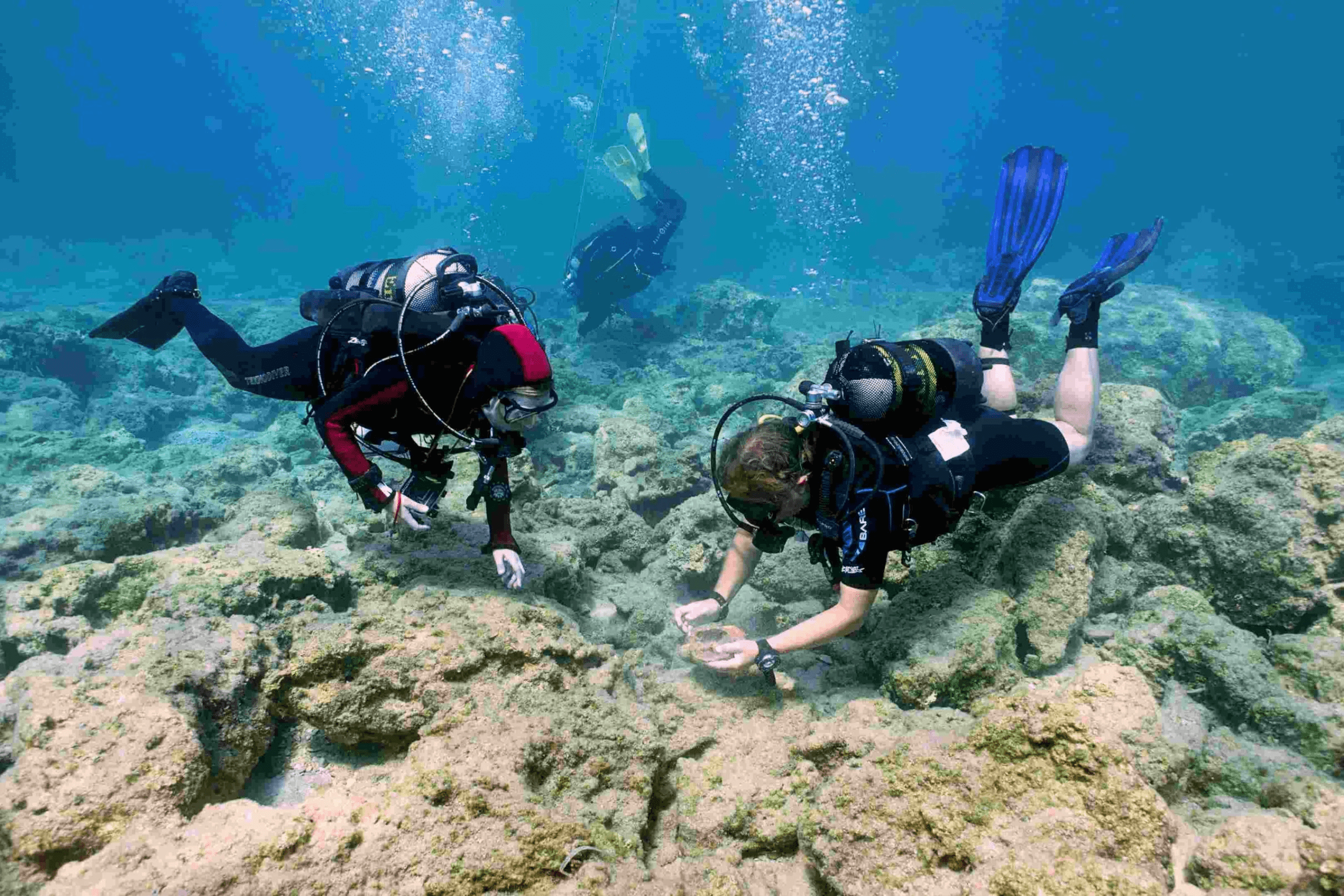
Water visibility averaging 20 to 40 meters allows underwater photographers to capture stunning images without artificial lighting in shallow depths. The Mediterranean’s relatively calm conditions make Cyprus suitable for training new divers, while advanced sites like the Zenobia’s engine room challenge experienced technical divers.