The Museum of Mining Heritage in Katydata village tells the story of Cyprus through its most defining resource: copper. Located near the Skouriotissa copper mine, the oldest continuously operated copper mine in the world, this small museum preserves the island’s 4,000-year relationship with the metal that gave Cyprus its name.
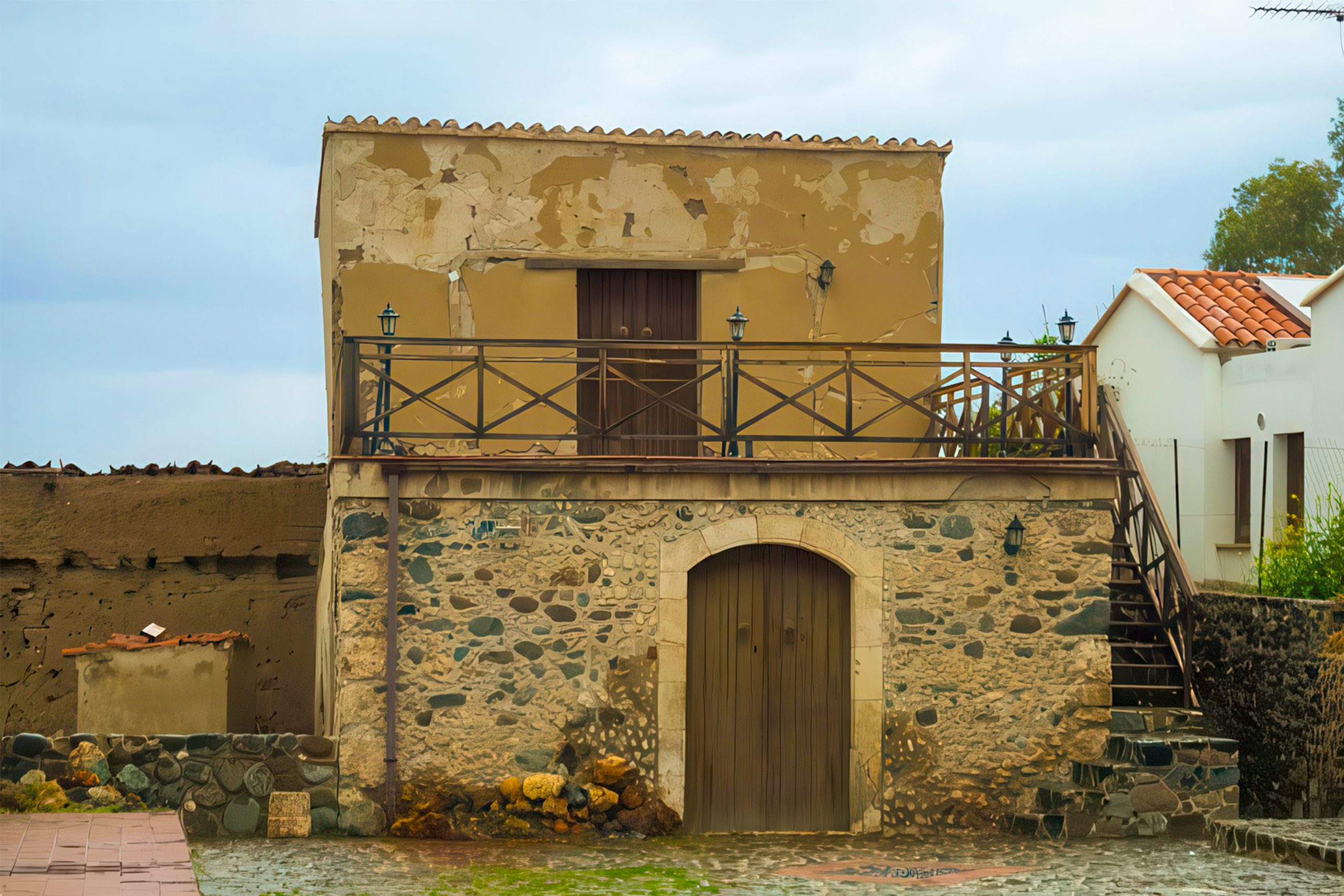
The museum sits in the centre of Katydata village, next to the Community Council office. The village lies approximately 13 kilometres from Astromeritis, positioned in the Solea Valley where Cyprus’s richest copper deposits concentrate. The Community Council and Emigrants Association of Katydata created the museum to document the mining heritage that shaped their region and connected Cyprus to ancient Mediterranean civilizations.
Inside the Mining Caverns
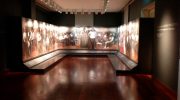
The first hall recreates the underground experience of working in Cyprus’s copper mines. Designers modeled the space after the caverns of the Fukassa Mines, one of several ancient mining sites in the area. Large wooden beams support the low ceiling, mimicking the structural supports that prevented cave-ins in actual mine tunnels. The walls bear colours matching the minerals found in nearby deposits, giving visitors a sense of the geological environment miners worked within.
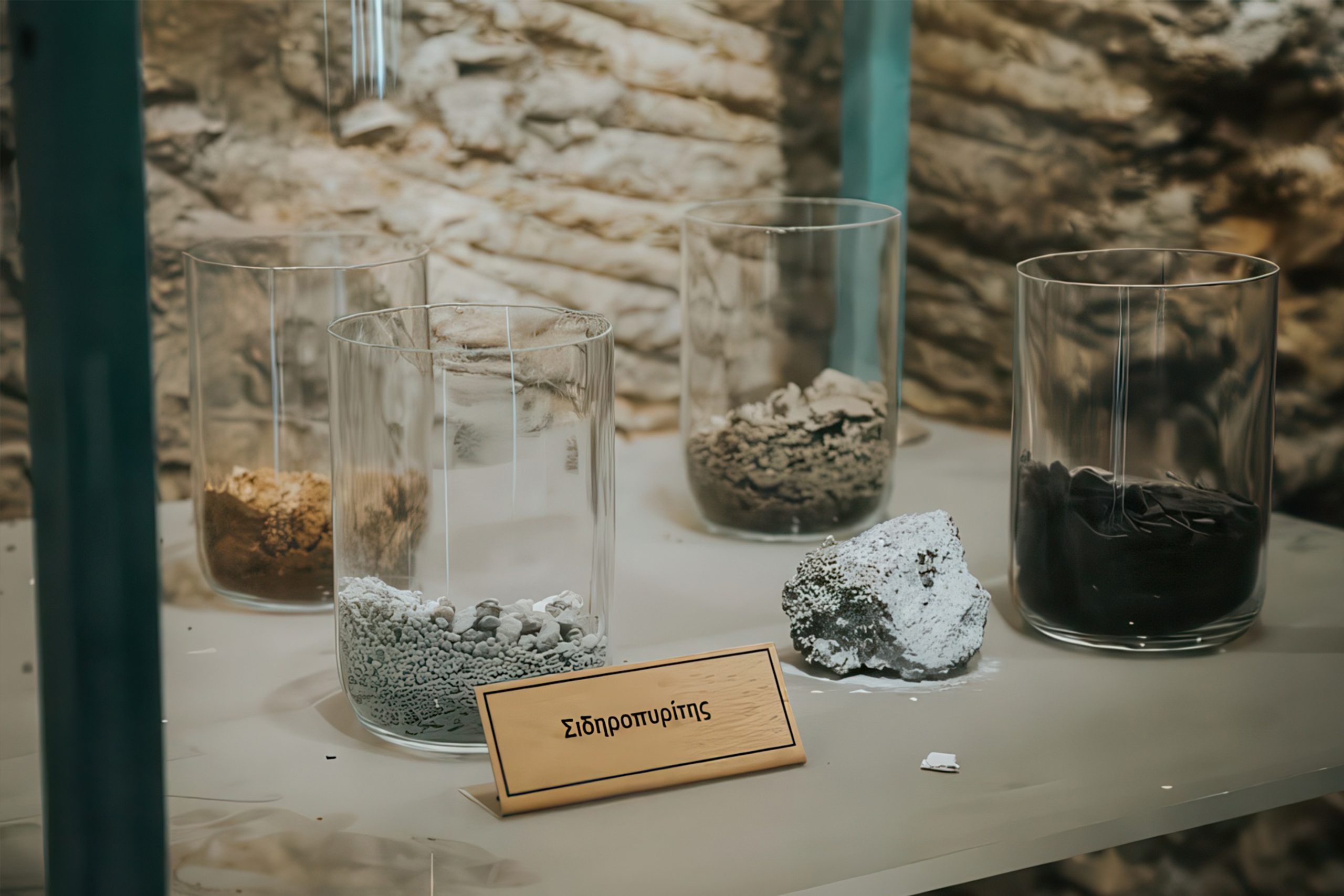
This immersive approach helps people understand the physical conditions of mining work. The damp caverns, low ceilings, and confined spaces tell a story beyond what artifacts alone could convey. Tools complete the setting: hoes, shovels, picks, and various implements used to extract ore from solid rock. A glass case displays miners’ gear including boots, khakis, helmets, and oil lanterns. These items represent the basic equipment that protected workers during their shifts underground.
Minerals and Resources on Display
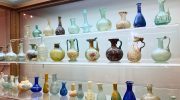
The second room features illuminated glass display cases containing minerals extracted from the mine. Chalcopyrite, the primary copper ore, sits alongside iron pyrite and ocher. These specimens demonstrate the mineral diversity of Cyprus’s geological formations and show what miners searched for when they penetrated the rock.
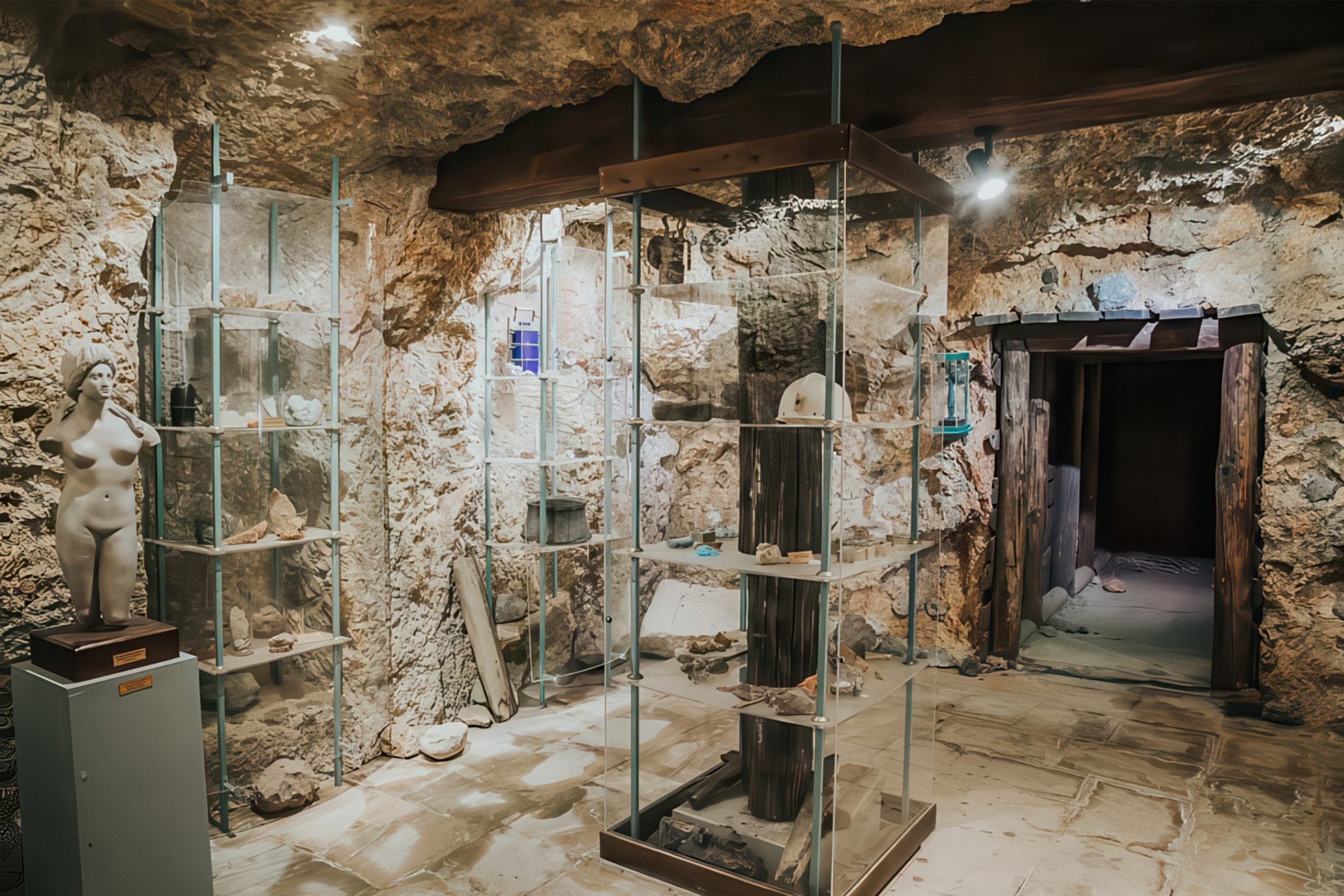
The collection emphasizes the practical side of mining rather than purely geological interest. Each mineral had economic value, whether as copper ore, iron source, or pigment material. The displays connect these raw materials to the tools and equipment shown in the first hall, creating a complete picture of the extraction process.
The Skouriotissa Mine Legacy
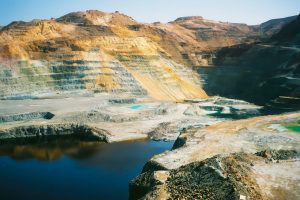
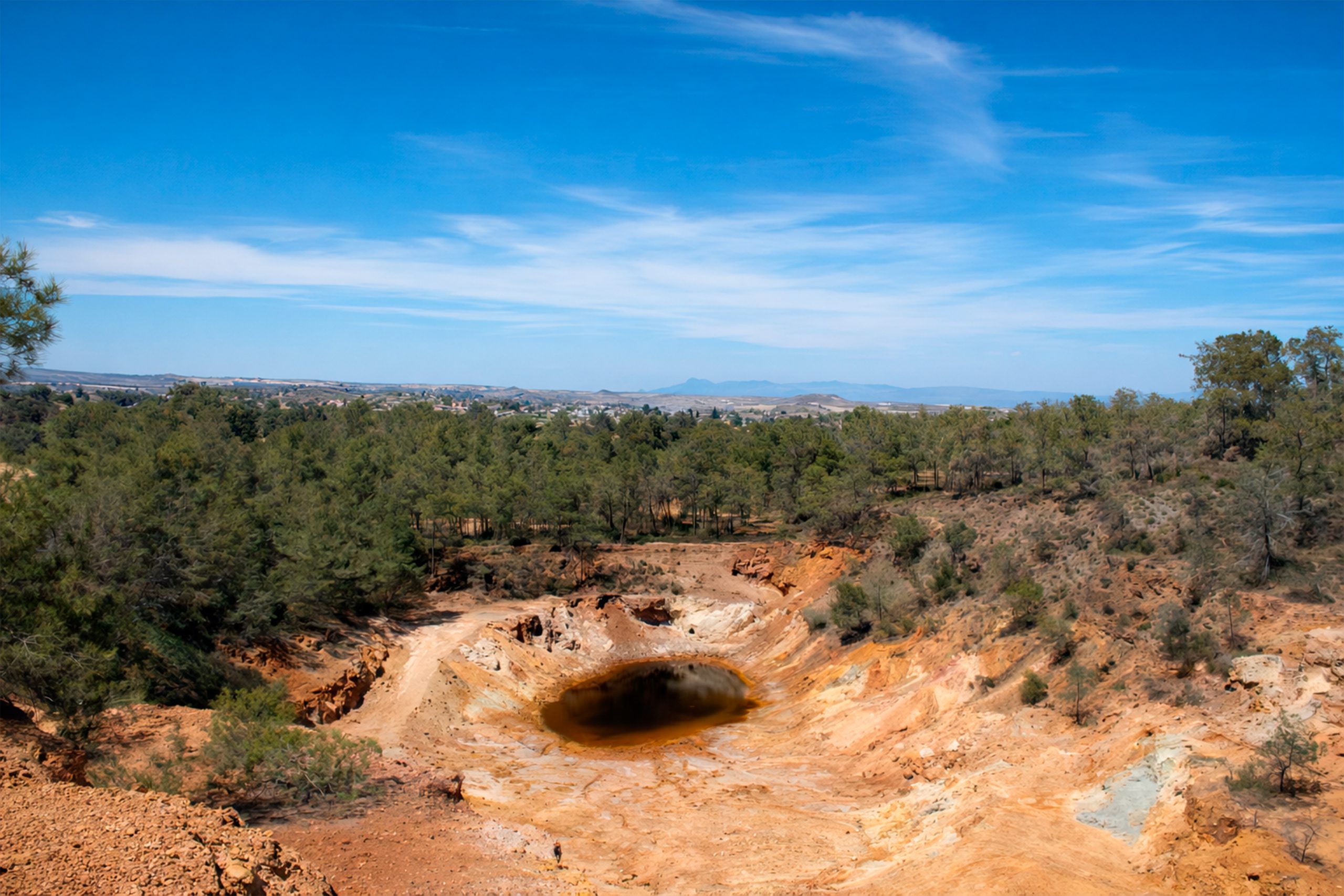
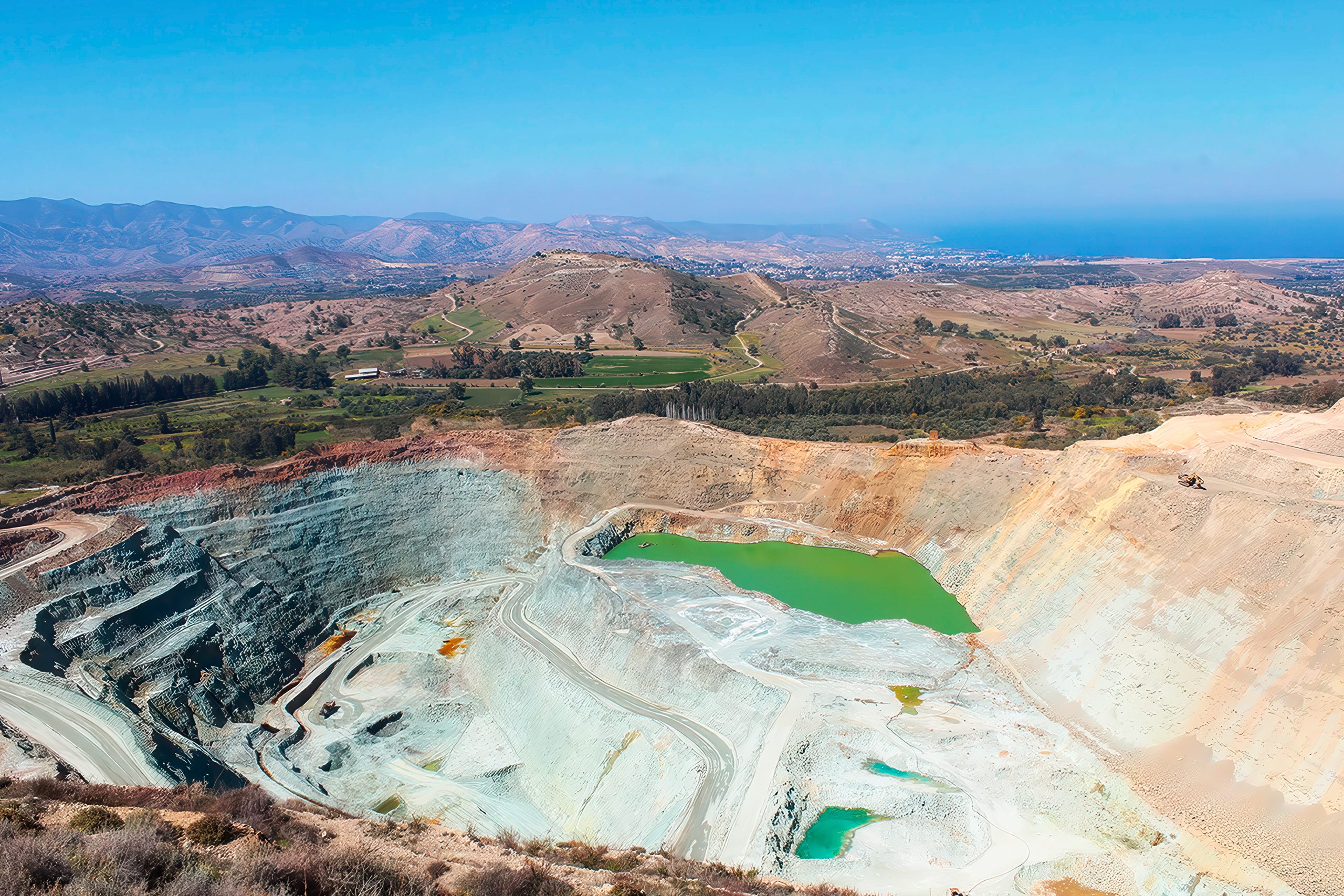
Just five minutes from Katydata, the Skouriotissa copper mine represents one of the most significant archaeological and industrial sites in Cyprus. Mining activity here dates back approximately 4,000 years. Ancient peoples recognized the rich copper deposits and developed methods to extract and smelt the ore. Archaeological evidence shows intensive exploitation during the Byzantine period, from the fourth to seventh centuries AD, when copper production reached industrial scale.
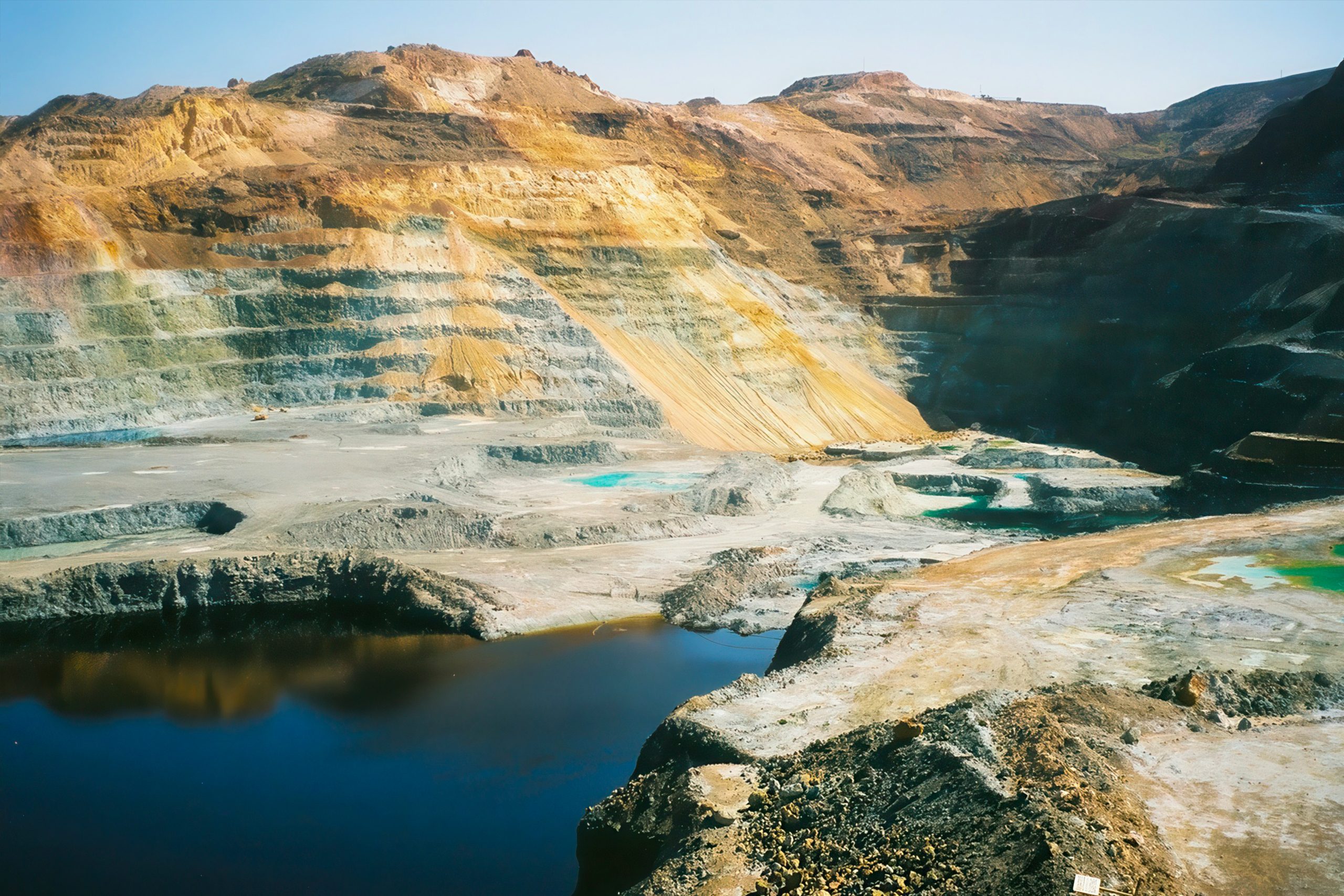
The Cyprus Mines Corporation (CMC) began modern mining operations at Skouriotissa in 1914. The company built infrastructure, housing, and facilities that transformed the area into a company town. Mining continued until 1974, when political events disrupted operations. The Hellenic Copper Mines Ltd took over afterward and continues extraction today using modern methods that reprocess waste material from earlier operations.
The mine earned recognition as possibly the world’s longest productive copper mine. In 2010, exports from Skouriotissa reached approximately $13.1 million in value. Current operations employ about 80 people directly, plus additional contractors. The company maintains safety and environmental standards that have earned multiple awards.
Cyprus and the Bronze Age
Understanding the museum requires grasping copper’s historical importance to Cyprus. The island was the largest copper supplier to the ancient world. The metal’s name derives from “Cuprus,” the Latin name for Cyprus. This connection between place and resource shows how thoroughly copper defined the island’s identity and economy.
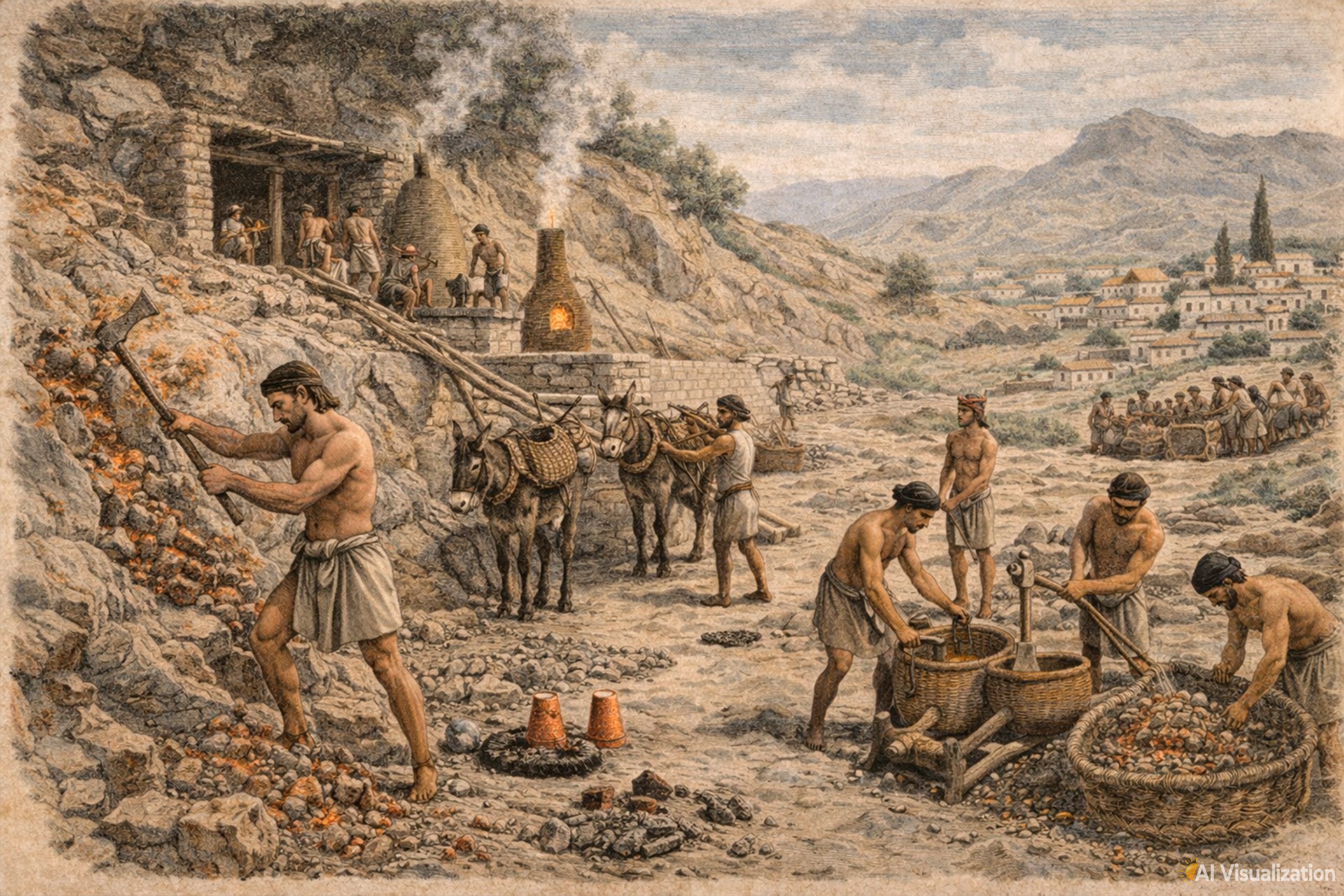
Bronze Age civilizations depended on copper to create bronze, the alloy that gave that era its name. Cyprus supplied raw copper to Egypt, Mesopotamia, Greece, and other Mediterranean powers. This trade brought wealth, cultural exchange, and sometimes conflict to the island. Ancient kingdoms rose and fell based partly on their ability to control Cyprus’s copper resources.
The museum sits along the Cyprus Copper Route, a self-drive itinerary that connects mining sites, villages, and cultural locations across the island. The route begins from either Lemesos or Larnaka and crosses through areas where copper shaped settlement patterns, economic development, and social structures for millennia.
Visiting the Museum
Access to the Museum of Mining Heritage requires advance arrangement. Visitors must contact Mr. Andreas at least one day before their planned visit. He can be reached at +357 99 348013. This requirement allows the museum to schedule staff and prepare the displays, as the facility operates primarily through volunteer efforts and community support.
The museum charges no admission fee, though donations support its maintenance and expansion. Visit duration typically runs 30 to 45 minutes, depending on interest level and questions. The two-hall layout keeps the experience focused without overwhelming visitors with too much information at once.
The museum forms part of a broader day trip exploring Cyprus’s mining heritage. Visitors often combine Katydata with stops at other sites along the Copper Route, including the Almyras copper mine and workshops near Ayia Varvara, the North and South Mathiatis copper mines, and the gossans (iron cap formations) visible near Sia village.
Educational Value and Cultural Preservation
The Museum of Mining Heritage serves multiple purposes beyond tourism. It educates younger generations about the industry that sustained their ancestors. Many emigrant families from Katydata maintain connections to the village, and the museum helps preserve that heritage for diaspora communities.
Schools visit to learn how geology, history, economics, and daily life interconnected through mining. The hands-on displays and recreated environments make abstract concepts tangible. Children see the actual tools, understand the physical labour, and connect mineral specimens to finished copper products they encounter in modern life.
The museum also documents technological evolution in mining. From ancient hand tools to modern industrial equipment, the progression shows how innovation increased productivity while changing the nature of mining work and its social organization.
Modern Cyprus and Ancient Resources
Skouriotissa remains Cyprus’s only active copper mine, a direct link between ancient extraction methods and contemporary industry. Modern operations use different technologies and environmental standards, but the fundamental resource stays the same. The geological formations that attracted Bronze Age miners still contain economically viable ore deposits.
The museum helps visitors understand this continuity. Cyprus’s identity as a copper island didn’t end with ancient history. It continues today, though in different forms and with different global markets. The Museum of Mining Heritage bridges these time periods, showing how the past shapes the present and how resources influence culture across millennia.
For visitors interested in industrial archaeology, economic history, or Mediterranean civilizations, the museum provides valuable context. It complements visits to archaeological sites by showing the practical side of ancient metallurgy. It enriches understanding of how trade networks formed and how small islands could influence large empires through control of strategic resources.
The museum makes no grand claims about size or comprehensive coverage. It presents what it has: tools, minerals, recreated environments, and connections to nearby historical sites. This straightforward approach suits the subject matter and respects the community that built and maintains the facility. The Museum of Mining Heritage in Katydata offers focused, factual education about how copper shaped Cyprus and how Cyprus shaped the ancient world through its mineral wealth.