About 21 kilometres southwest of Nicosia, near the village of Politiko, lies one of ancient Cyprus’s most significant city-kingdoms: Tamassos. It was not a coastal city with a grand harbour or a sprawling palace complex. It was something different.
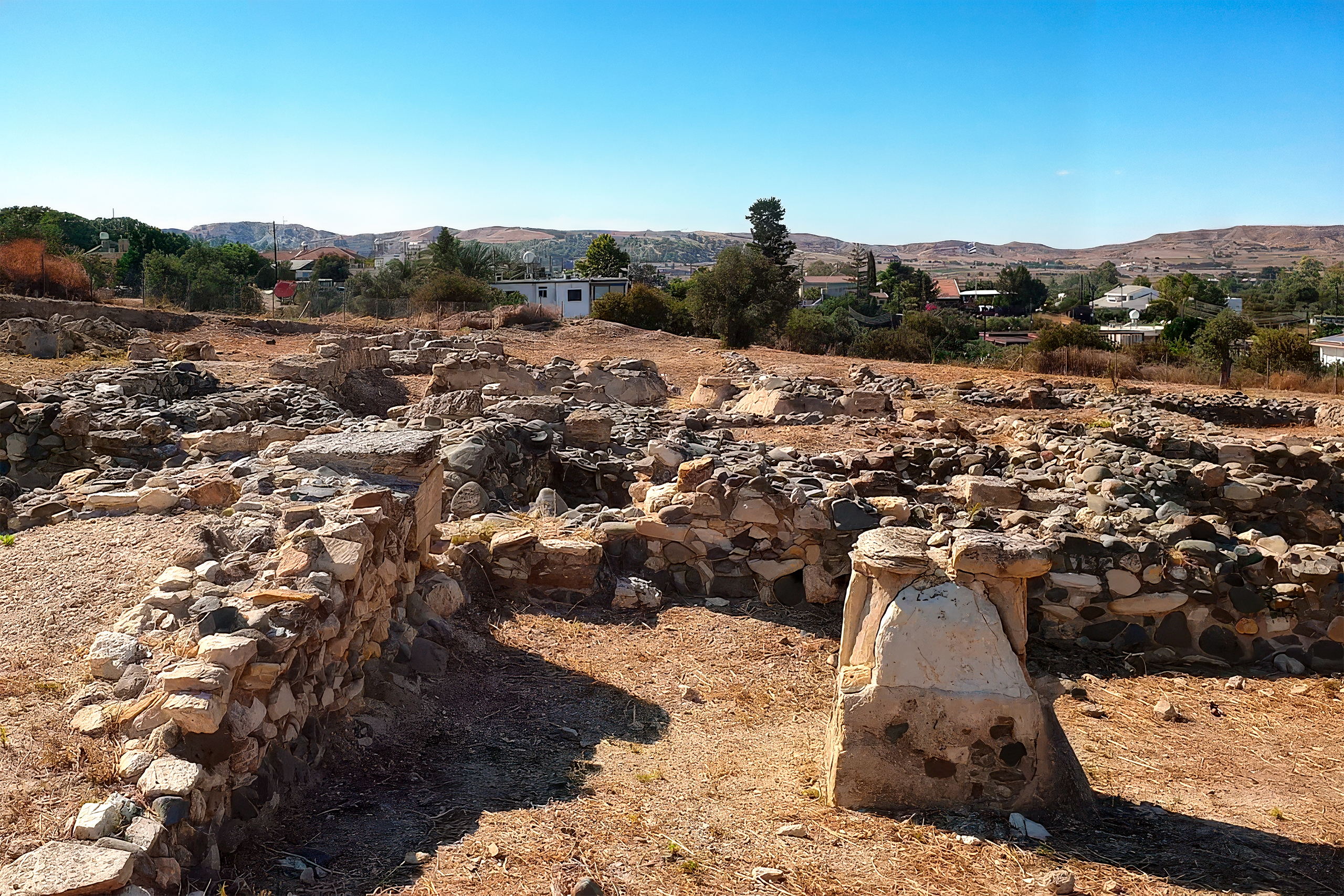
Tamassos was an inland powerhouse, built almost entirely around one thing: copper. For centuries, this city sat on some of the richest copper deposits in the eastern Mediterranean, and that single resource shaped everything about it, from its economy to its politics, from its wealth to its eventual decline.
Historical Background
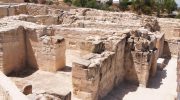
The land around Tamassos has been occupied since the Chalcolithic period, thousands of years before the city itself took shape. Small farming villages dotted the area well into the Early Bronze Age. But the real turning point came when people started mining and processing copper in large numbers. By the 8th century BC, Tamassos had grown into a formal city-kingdom, one of ten that ruled Cyprus at the time.
The earliest written proof of the city comes from an Assyrian inscription dated to 673 BC, on the Prism of Esarhaddon, which mentions a place called “Tamesi” as a city paying tribute to the Assyrian Empire. Around the same time, Homer appears to have referenced Tamassos in the Odyssey, calling it “Temese.” In that passage, the goddess Athena tells Odysseus’ son Telemachus that she is sailing to Temese to trade iron for copper. It is a small detail, but it places Tamassos on the map of the ancient world very early on.
What Made Tamassos Special
Most of the powerful city-kingdoms in Cyprus sat on the coast. They had ports, trade routes, and access to the sea. Tamassos had none of that. What it had instead was copper, and in the ancient world, that was enough. The city sat directly on pillow lava formations, the geological source of copper ore across the island. Mining and smelting became the core of the local economy. Workshops processed the raw ore, and the metal was traded far beyond Cyprus.
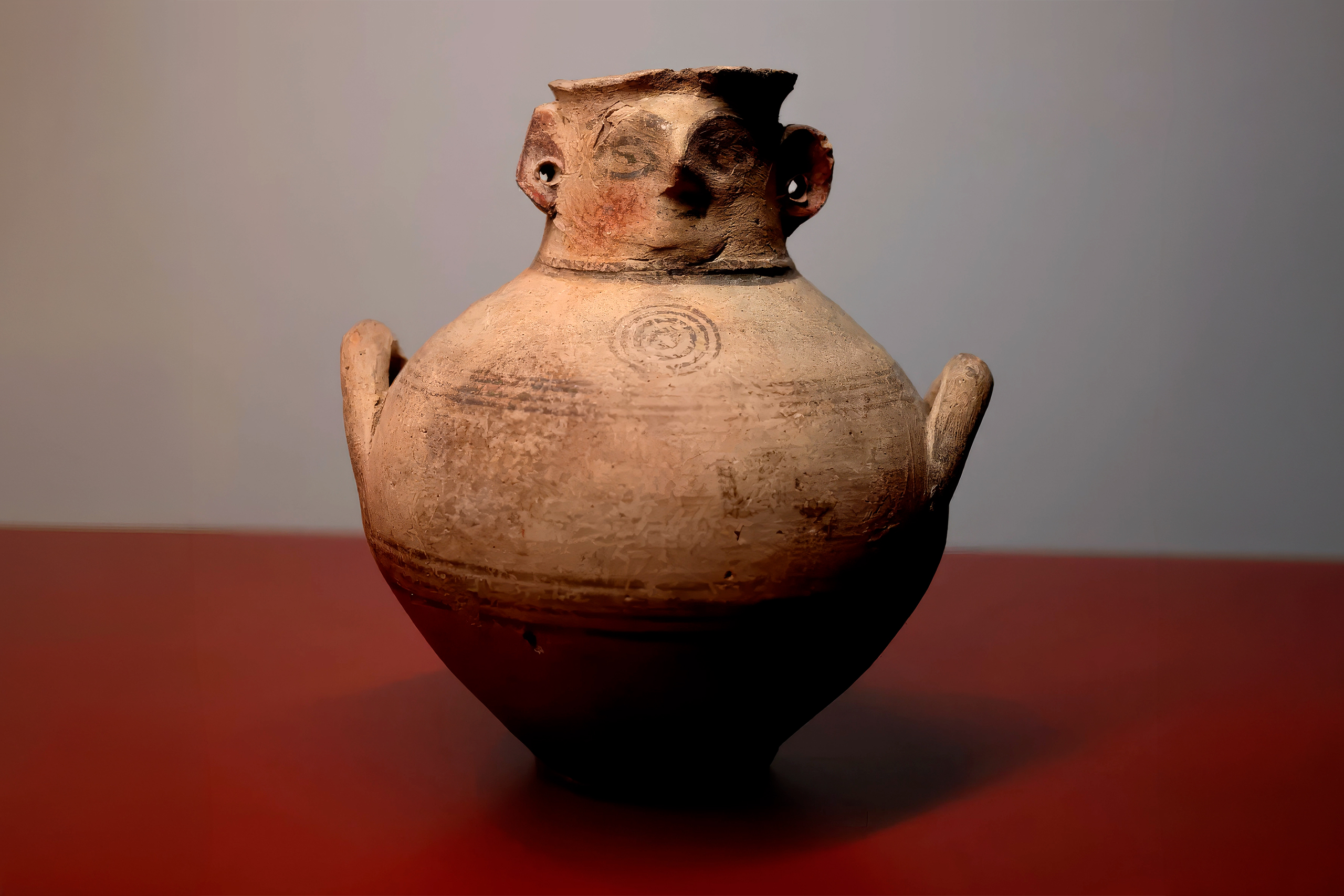
The ancient Greek geographer Strabo praised the quality of the Tamassos mines. The writer Stephanus of Byzantium described the city as “mesogeia,” meaning inland, and noted that its copper was of excellent quality. Because of the surrounding fertile land and the nearby Pediaios River, Tamassos also supported agriculture and livestock, but copper was always the main reason the city mattered.
Facts That Stand Out
Several details about Tamassos are worth remembering. The king Pasikypros sold the entire city to the Phoenicians of Kition for 50 talents of silver, after which he retired to Amathus to live out his final years. Alexander the Great later took Tamassos away from the Phoenicians and gave it to Pnytagoras, the king of Salamis, as a reward for helping him capture the city of Tyre.
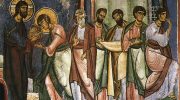
In the 1st century AD, Tamassos became one of the first Christian episcopal seats in Cyprus. By the 10th century, the mines were fully exhausted, the economy collapsed, and the city was abandoned. Today, the villages of Politiko, Episkopeio, Pera Orinis, and Ergates sit directly on top of where Tamassos once stood. The village names carry traces of the old city: “Politiko” refers to the ancient city itself, “Episkopeio” is tied to the old Christian diocese, and “Ergates” is where the mine workers once lived.
The Royal Tombs and What They Reveal
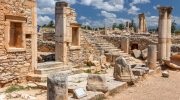
The most visible feature of Tamassos today is its two royal tombs, discovered in 1889 by the German archaeologist Max Ohnefalsch-Richter. Both date to the 6th century BC and are considered two of the finest examples of pre-Hellenistic burial architecture on the island.
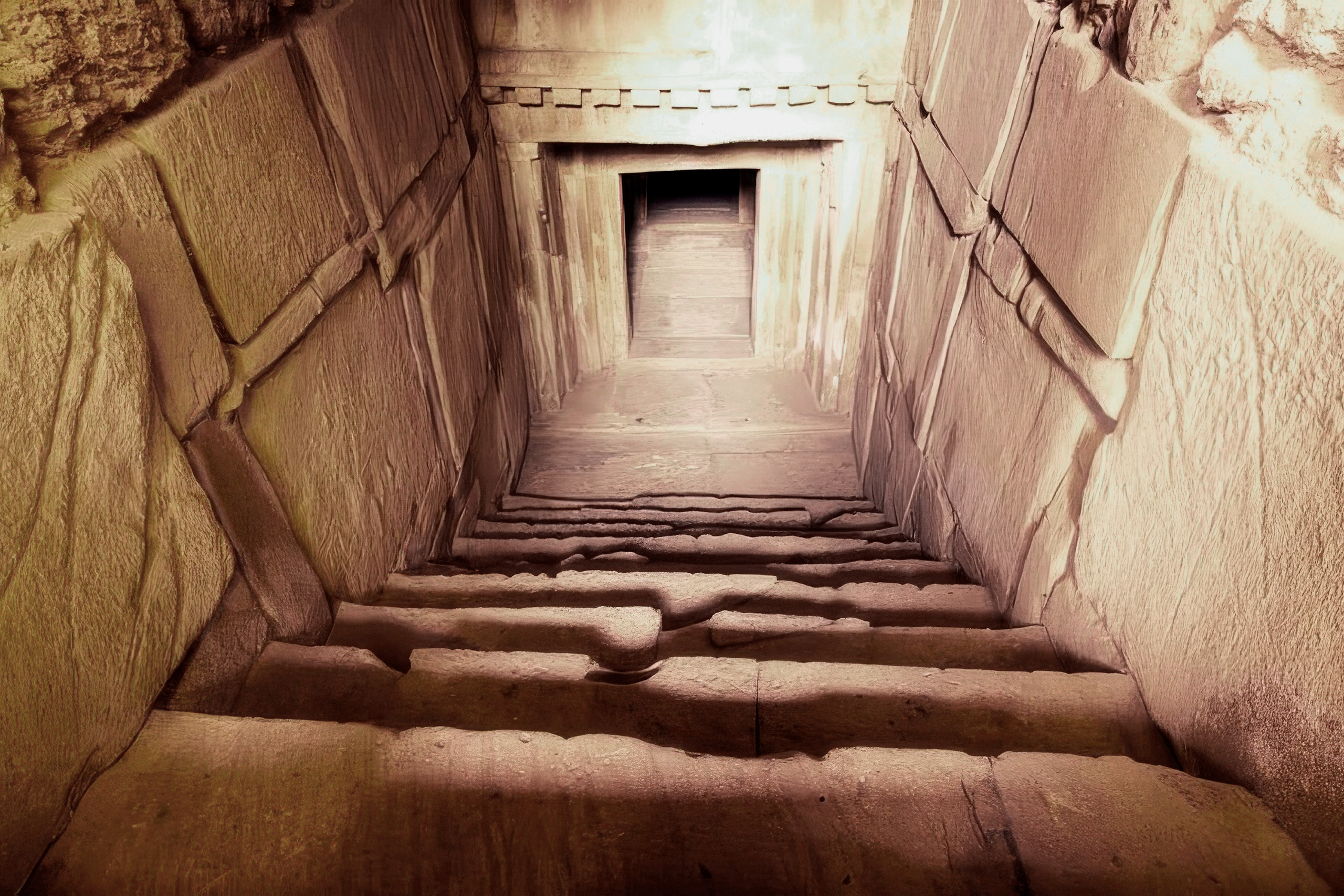
The larger tomb has a corridor of over 11 steps leading down to an antechamber and a main burial chamber. Inside, the walls and roof are carved from limestone but are shaped to look exactly like a wooden house, complete with a gabled roof and beam details. This is a very unusual feature, and some archaeologists believe it points to a possible influence from Anatolia or the Phoenicians. The second tomb follows a similar design but with even more detailed wood-like decoration across its surfaces.
In 1997, six life-size limestone sculptures were found next to these tombs: two sphinxes and four lions, all in remarkably good condition. The sphinxes showed traces of original red and blue paint, which were carefully preserved before the sculptures were moved to the Cyprus Museum in Nicosia. Lions were placed at tombs to symbolize strength and protection. The sphinxes represent a blend of Egyptian and Greek artistic styles, a clear sign of the cultural mix that existed in Cyprus during this period.
Religion and Daily Life
Religious life in Tamassos was diverse. The city had a temple dedicated to Aphrodite, complete with a limestone altar, incense burners, lamps, and clay figurines. There was also a sanctuary for the Mother of the Gods, Cybele. Evidence from inscriptions and excavations suggests that Apollo, Dionysus, Asclepius, and Artemis were also worshipped here.
One remarkable find was a large bronze statue of Apollo. Only the head survived, and it is now housed in the British Museum in London, known among archaeologists as the “Chatsworth Head.” Beyond religion, excavations have also uncovered evidence of glasswork and pottery production, showing that Tamassos was not only a mining city but a place with skilled craftspeople and a varied local economy.
Tamassos in the Present Day
Tamassos did not disappear completely. The communities that now occupy its former territory have kept the memory alive. In 1989, eight local villages came together to form the Tamassos Cultural Association. Every year, at the end of September, they hold a two-week event called “Tamassia,” which includes a cross-country bicycle race, sports competitions, theatrical performances, and traditional games. The event is meant to celebrate the shared history of the region and keep residents connected to the ancient city beneath their feet.
A Visit Worth Making
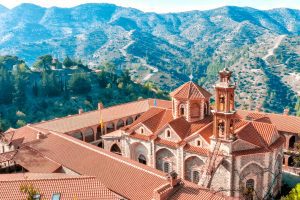
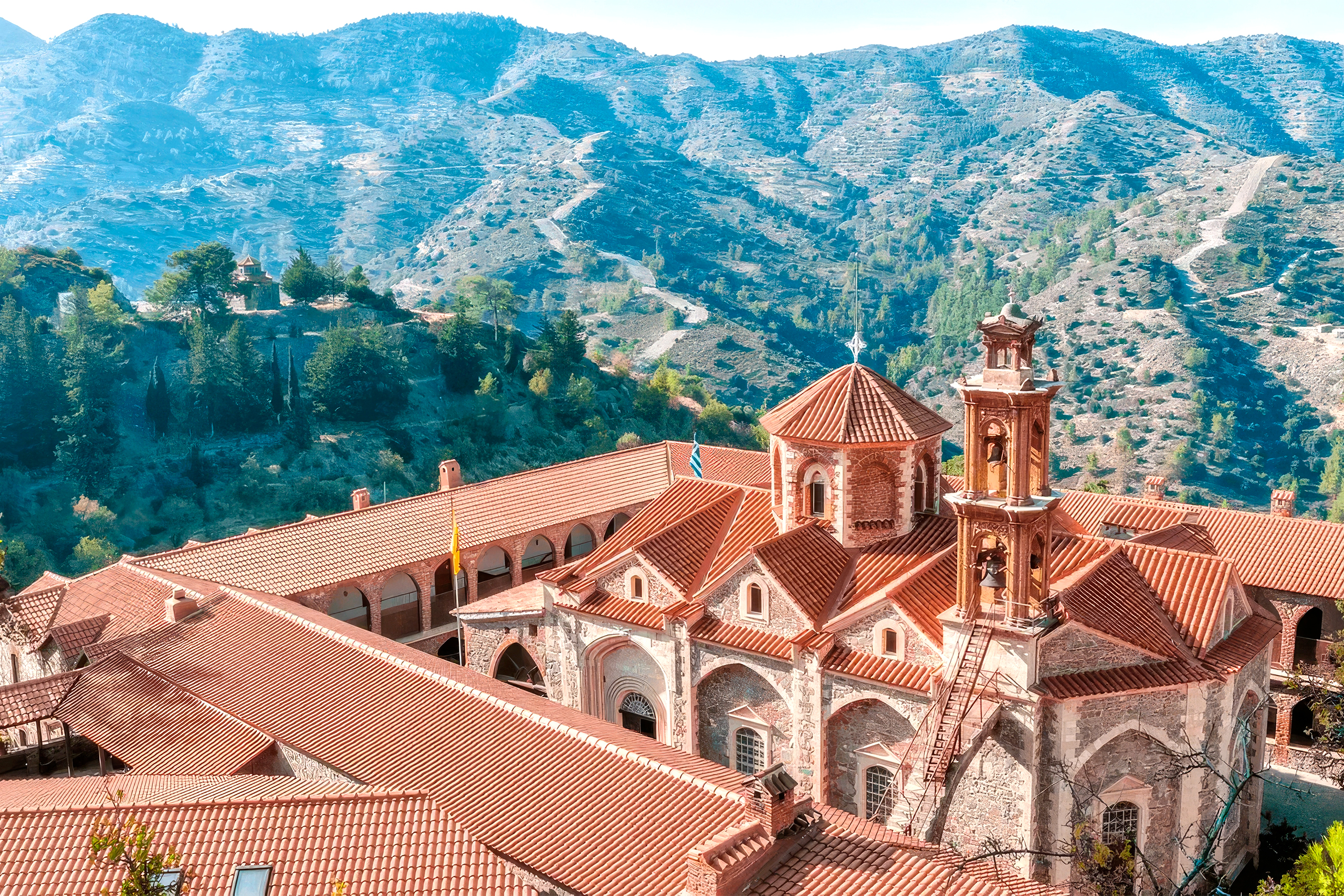
The archaeological site is open most of the year, located just outside Politiko village. The royal tombs are the main draw, and the site includes informational signs in both Greek and English. It is a quieter, less crowded experience compared to places like Kourion or Paphos. The nearby Ayios Herakleidios convent and Machairas Monastery are both worth visiting on the same day. Spring and autumn offer the most comfortable weather, though the site can be visited in any season.
Why Tamassos Still Matters
Tamassos is a reminder that power in the ancient world did not always come from the sea. This inland city shaped Cyprus’s identity as a copper-producing land for over a thousand years. The word “copper” itself traces back to the Latin “cuprum,” which is derived from “Cyprus.” Tamassos played a direct role in building that reputation. Its royal tombs, its sculptures, and the layers of history buried under present-day villages all point to a place that was far more important than most people realise today.