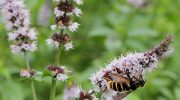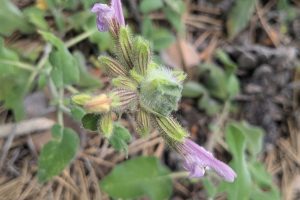
On warm spring mornings across Cyprus, a subtle licorice-like fragrance drifts through sunlit fields and village gardens. This comes from a graceful little herb known as Anise, or Pimpinella anisum. Though modest in size, it has woven itself into the island’s traditions for flavour, comfort, and quiet beauty inviting us to look closer at one of the Mediterranean’s most aromatic treasures.
Discovering the Gentle Anise Herb
Anise is a charming annual plant belonging to the Apiaceae family the vast “umbellifer” clan that also includes carrots, parsley, fennel, and dill. In broader terms, these plants are famous for their umbrella-shaped flower clusters and distinctive scents. Here in Cyprus, our species stands out as a delicate member of this group, offering sweet seeds that have been prized since ancient times. Whether you call it aniseed or simply the “sweet one,” it is an easy-to-love herb that feels right at home under our Mediterranean sun.
Echoes from Ancient Mediterranean Shores
Anise has deep roots in the eastern Mediterranean, with Cyprus proudly included in its native range. People have cultivated it for over 4,000 years – first in ancient Egypt, then across Greece and Rome. The Greek name ἄνηθον (ánēthon) even echoes in its story, though it originally pointed to dill. Modern name for Anise is Γλυκάνισο.
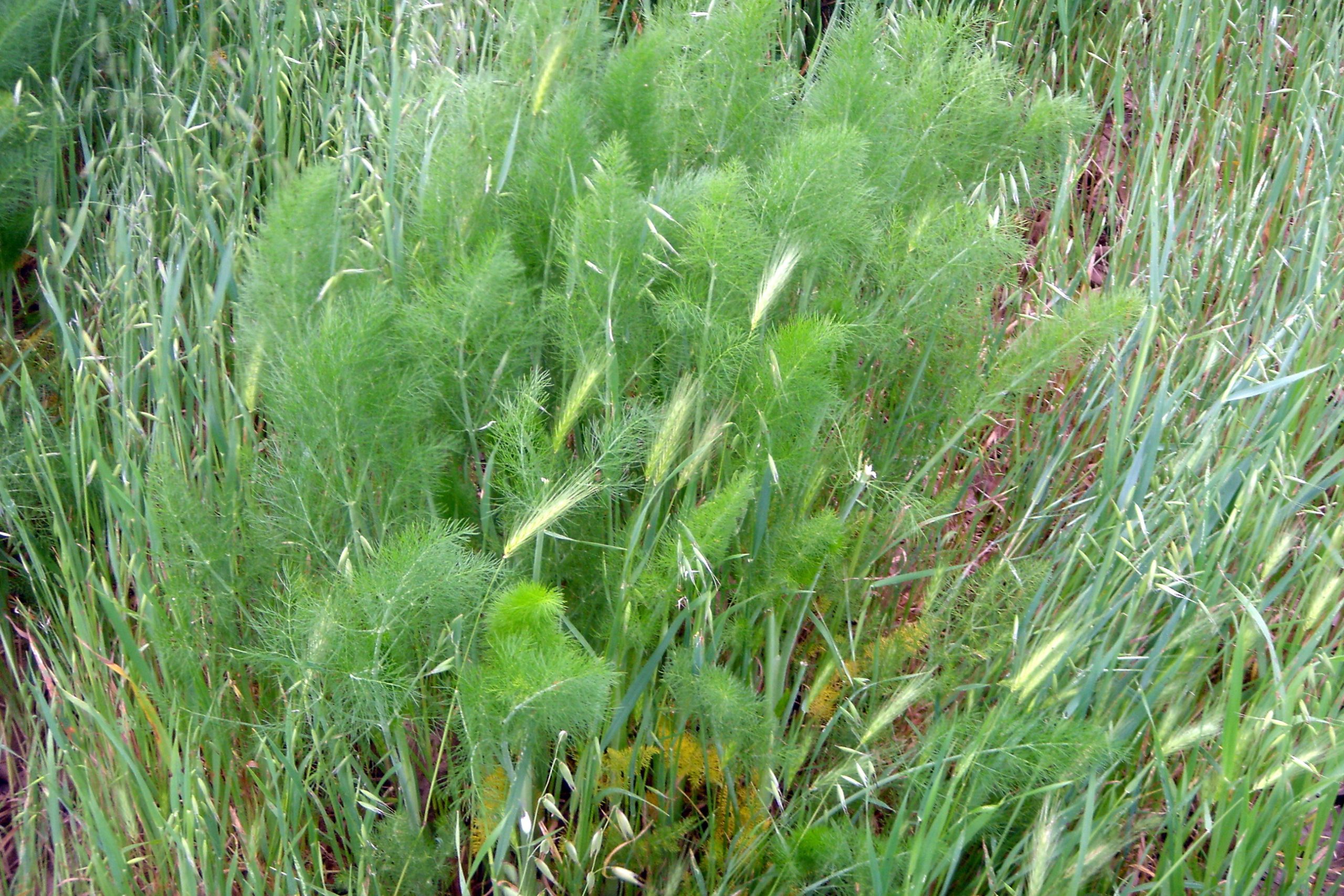
In Cyprus, historical records and village memory show it arriving through trade and farming long ago. Romans and Greeks used the seeds to flavour food and ease digestion, while Pliny the Elder praised it for freshening breath and soothing sleepless nights. Over centuries, this little plant travelled quietly with farmers and healers, becoming part of local herbal wisdom.
A Delicate Beauty in Green and White
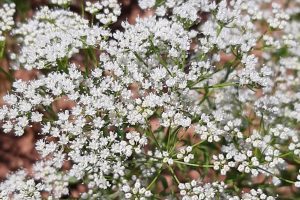
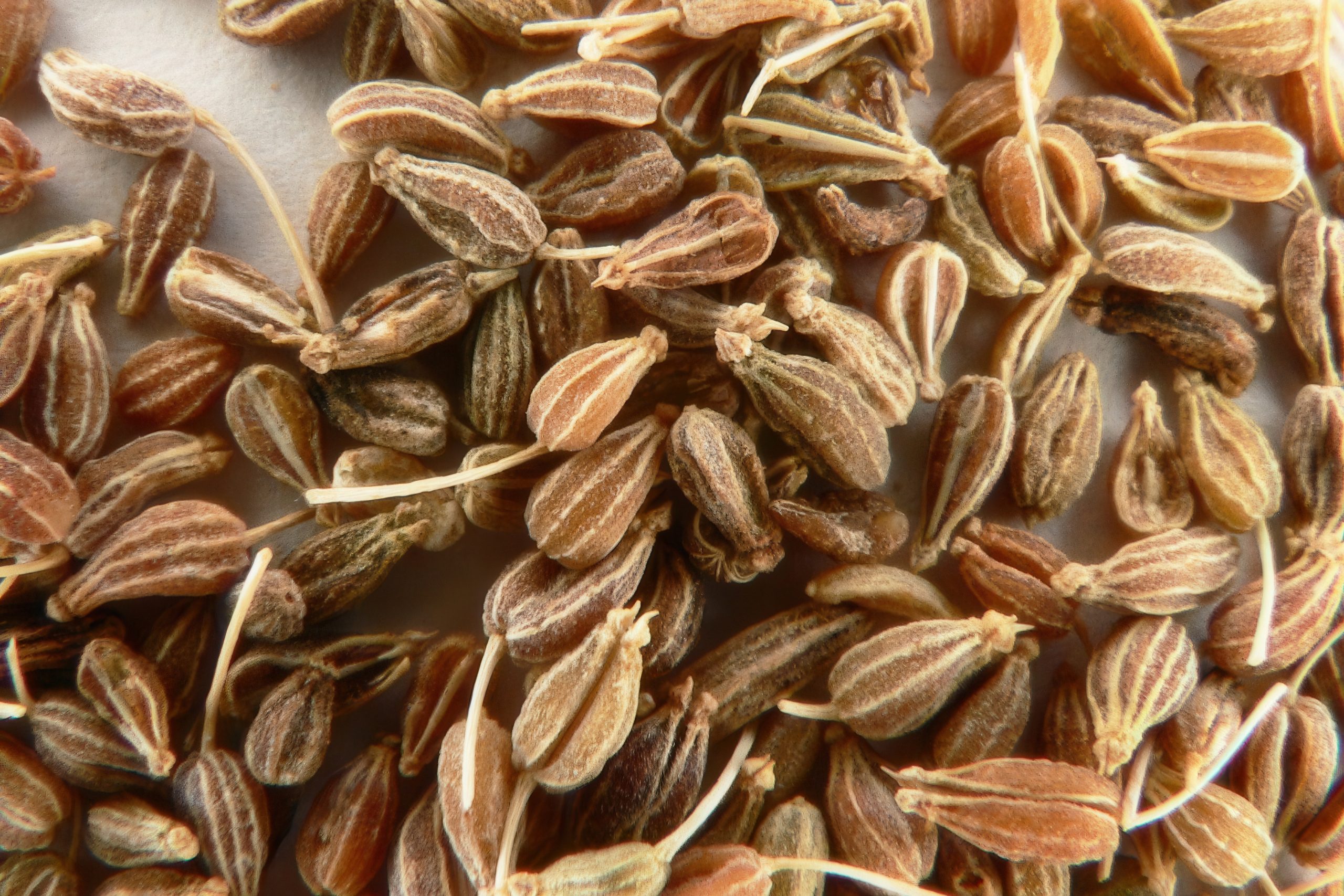
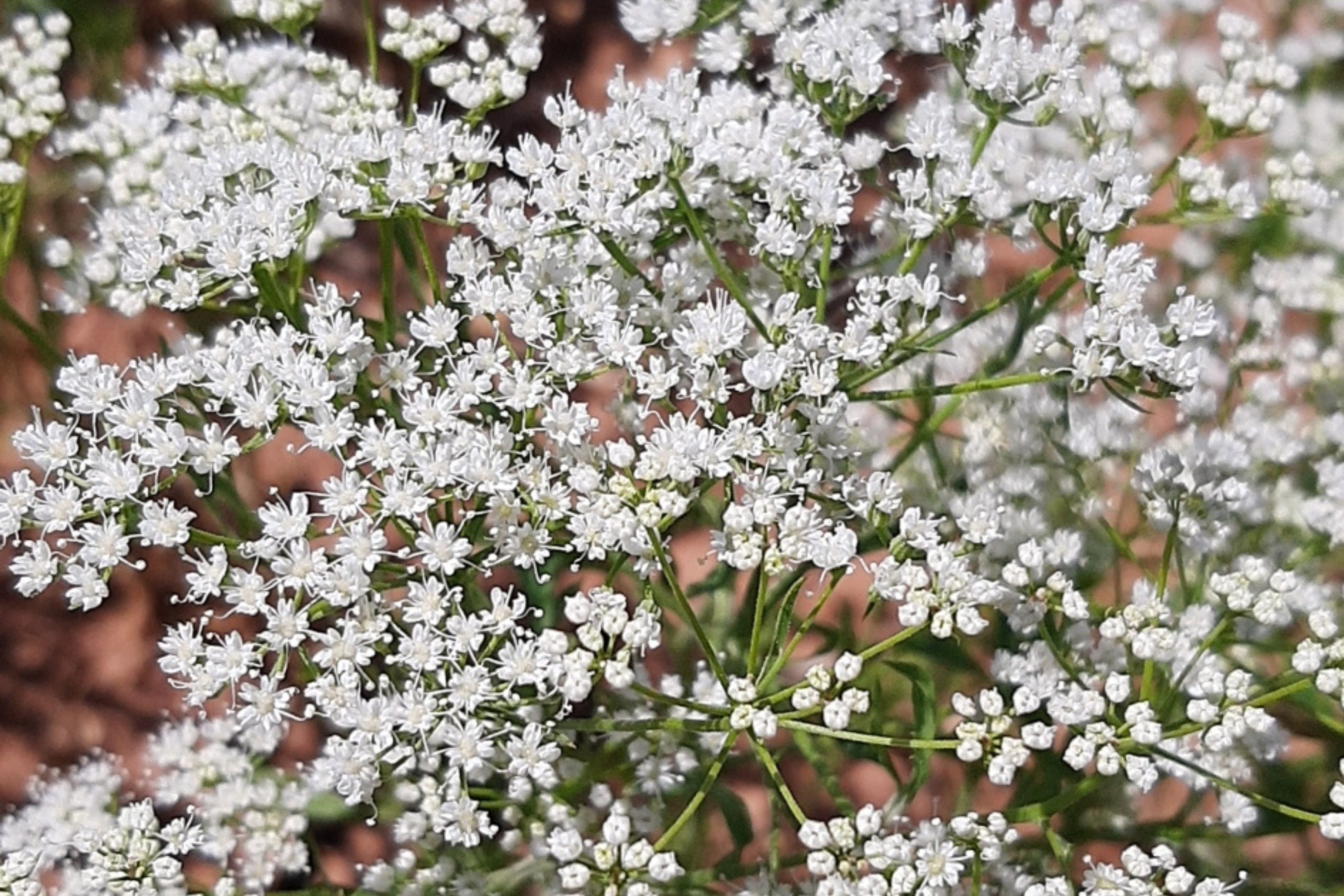
Picture a slender plant rising 30 to 90 centimetres tall, with a taproot that anchors it firmly in light, well-drained soil. Its lower leaves are rounded and lobed, while upper ones turn feathery and lace-like – perfect for catching dew. At the top, small white flowers cluster in flat-topped umbels, blooming from April to August and attracting busy bees and hoverflies. Later, these give way to tiny ribbed fruits (the famous “seeds”) that carry the plant’s signature sweet aroma. The whole herb smells warm and inviting, like a gentle hug from nature.
Delightful Discoveries
• Did you know the sweet taste of anise comes mostly from a compound called anethole – the same one that makes fennel and star anise special? When you mix anise liqueur with water, it turns cloudy in the famous “ouzo effect” – a magical trick of chemistry!
• In Cyprus, locals have long added the seeds to herbal teas for soothing upset stomachs or simply for comfort on cool Troodos evenings.
• Surprisingly, anise oil was once used to lubricate steam-locomotive bearings because it smells so strongly that workers could detect overheating by scent alone.
• And here’s a fun one: the seeds are loved by certain moth caterpillars, showing how even a kitchen herb plays a role in the wild food chain.
Deeper into Its Aromatic Secrets
Botanically, anise is a therophyte – an annual that completes its life in one season. Its essential oil, extracted from the fruits, can reach 2–7 % concentration and is packed with anethole (up to 90 %). This gives it gentle carminative (wind-relieving) qualities that traditional healers still value. In Cyprus it is sometimes blended with wild nettles or other herbs for a warming winter drink, and its seeds flavour village breads or homemade spirits reminiscent of tsipouro. Unlike its distant cousin star anise from Asia, true anise belongs firmly to our Mediterranean heritage.
Glykaniso in Modern Cypriot Life
Today, Anise known locally as Γλυκάνισο (Glykániso), meaning “sweet anise” – remains a beloved part of everyday Cypriot culture. You’ll find it in herbal tea blends sold in village shops and markets, especially in the Troodos mountains where older generations still prepare soothing infusions. It connects us to our farming past while offering simple, natural comfort in busy modern lives. Because it is easy to grow and drought-tolerant once established, many home gardeners keep a patch for fresh leaves and seeds. Its gentle presence reminds us that Cyprus’s biodiversity includes not just dramatic orchids or majestic cedars, but also humble herbs that flavour our tables and ease our days.
Finding and Savoring It
You can experience Glykaniso most easily by growing it yourself – scatter seeds in a sunny garden spot in early spring and watch the feathery leaves emerge. In the wild, look for casual populations in disturbed ground or field edges, particularly in the western and central regions, though it is never common. The best way to meet it? Brew a cup of anise tea: crush a teaspoon of seeds, steep in hot water for five minutes, and inhale the sweet cloud of aroma. Or visit a local herb stall in Nicosia or Limassol markets many sell packets labelled simply “Glykaniso” for traditional use. The experience feels like stepping into a sun-warmed Cypriot courtyard, fragrant and welcoming.
A Lasting Aroma in Our Island Story
Anise may be small, but its sweet legacy runs deep through Cyprus’s fields, kitchens, and memories. In a world of fast food and synthetic flavours, this ancient herb reminds us of simpler pleasures shared teas, fragrant breads, and the quiet satisfaction of growing something that has nourished people here for millennia. Next time you catch a hint of licorice on the breeze, pause and smile: Glykaniso is still whispering its gentle story across our beautiful island.