Cyprus grape harvest festivals represent one of the island’s most enduring cultural traditions, celebrating the annual grape collection that has sustained Cypriot agriculture for over 6,000 years. These festivals occur primarily in September and October across wine-producing villages in the Troodos Mountains and Limassol district.
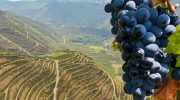
The celebrations combine ancient rituals honoring Dionysus, the Greek god of wine and fertility, with Orthodox Christian customs marking the agricultural cycle’s completion. Communities gather to participate in traditional grape stomping, wine tastings, folk music performances, and the preparation of grape-based delicacies like palouzes and soutzoukos.
The festivals serve multiple functions, preserving winemaking knowledge across generations, strengthening village social bonds, and attracting tourism that supports rural economies. Villages including Pissouri, Vouni, Vasa Koilaniou, and Omodos each host distinct celebrations that showcase local wine varieties and traditional customs.
Historical Background
Archaeological evidence confirms wine production in Cyprus dates to approximately 4000 BC, making it one of the world’s oldest wine-producing regions. The island’s warm Mediterranean climate and mineral-rich volcanic soils in the Troodos foothills create ideal conditions for viticulture. Ancient Cypriots worshiped Dionysus through elaborate festivals that involved dramatic performances, processions, excessive wine consumption, and temporary suspension of social hierarchies.
These Dionysian festivals occurred in late winter and early spring, celebrating nature’s renewal after dormancy. Participants wore masks representing satyrs and maenads, Dionysus’s mythological followers, and engaged in ecstatic dances believed to induce divine inspiration. The god’s dual nature as bringer of joy and madness made him central to Greek religious life. Cyprus, with its abundant vineyards and strategic location in the eastern Mediterranean, became an important center of Dionysian worship.

The transition from pagan to Christian practice occurred gradually during the Byzantine period from 330 to 1191 AD. Rather than eliminating harvest celebrations, the Orthodox Church incorporated them into the Christian calendar. The grape harvest festivals became secular expressions of thanksgiving for agricultural bounty, stripped of explicit pagan religious content but maintaining their communal and celebratory character. This adaptation allowed ancient traditions to survive through 15 centuries of Christian dominance.
Village Festival Celebrations and Their Unique Features
Each wine village hosts its own festival with distinct characteristics shaped by local history and grape varieties. The Pissouri Grapes Festival in late August or early September features elaborate grape crushing ceremonies where participants stomp barefoot on grapes in large wooden vats. This ancient technique, though no longer used commercially, symbolizes the connection between human effort and wine creation. The purple juice flowing from crushed grapes represents the transformation that turns simple fruit into the valued beverage.
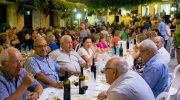
Vasa Koilaniou, often called the Wine Village, celebrates its status as a Commandaria production center. Commandaria, a sweet dessert wine, holds the distinction of being the world’s oldest named wine still in production, with documented references dating to 800 BC. The Crusaders encountered Commandaria in the 12th century and introduced it to European nobility, where it became known as the Wine of Kings. Festival visitors can tour family-owned wineries, taste various Commandaria styles, and learn about the unique production method that involves sun-drying grapes to concentrate sugars before fermentation.
Vouni Village, perched at 800 meters altitude, emphasizes traditional winemaking demonstrations using wooden presses. The festival program includes grape stomping competitions with live music, creating a joyous atmosphere that combines physical participation with entertainment. The village’s elevation provides cooler temperatures that extend the growing season and contribute to the distinctive character of its wines.
Traditional Grape-Based Foods and Their Preparation
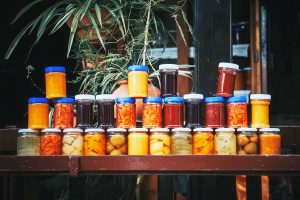
Cyprus harvest festivals showcase several unique delicacies made from grape must, the freshly crushed juice before fermentation. Palouzes, a smooth pudding-like dessert, is created by heating grape must and gradually adding flour while stirring continuously. The mixture thickens into a creamy consistency, then receives flavoring from rose water, mastic resin, cinnamon, or geranium leaves. Palouzes can be consumed warm immediately after preparation or poured into plates to cool and set.

Soutzoukos represents the most iconic grape harvest treat. Almonds or walnuts are threaded onto strings approximately two meters long, then repeatedly dipped into hot palouzes. Each dipping adds a new layer that must dry before the next application. The process continues until the coating reaches four to six centimeters in diameter. After final drying for five to six days, soutzoukos develops a chewy texture and intense grape flavor that preserves for months. The finished product resembles sausages in shape, leading to its name derived from the Turkish word sucuk.

Kiofterka involves pouring palouzes into flat pans and allowing it to set completely. After several days of drying in shade, the solidified palouzes is cut into rectangular pieces that achieve an elastic, candy-like consistency. Mixed with chopped almonds, kiofterka serves as a traditional accompaniment to wine. These grape-based sweets represent efficient use of harvest abundance, transforming perishable fresh juice into preserved foods that sustained families through winter.
Music, Dance, and Social Bonding
Traditional music forms the soundtrack of harvest festivals. Musicians play violin, laouto, a Greek lute with four double strings, and mandolin while singers perform folk songs passed through generations. These songs often reference agricultural life, romantic themes, and the joys of wine consumption. The musical tradition connects modern Cypriots to their ancestors who performed the same songs during harvest celebrations centuries ago.
Folk dances like the syrtos and karsilamas encourage community participation. The syrtos, a traditional line dance, requires dancers to hold hands or shoulders while moving in circular patterns following the music’s rhythm. The karsilamas involves facing partners who mirror each other’s movements. These dances require no special training, allowing festival attendees of all ages to join spontaneously.
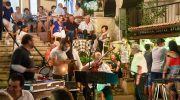
The social dimension of harvest festivals extends beyond entertainment. Villages use these occasions to strengthen community bonds that might weaken due to urban migration. Young people who left for city employment return to their ancestral villages for festival participation, maintaining connections with relatives and childhood friends. The festivals also provide opportunities for courtship, as young adults meet potential partners in a socially approved context.
Wine Tasting and Indigenous Grape Varieties
Festival wine tastings introduce visitors to Cyprus’s indigenous grape varieties, which differ significantly from international varieties like Cabernet Sauvignon or Chardonnay. Xynisteri, the most widely planted white grape, produces crisp wines with citrus and mineral notes suited to the island’s hot climate. The name derives from the Greek word for acidic, referencing the grape’s high natural acidity that provides freshness.
Maratheftiko, an indigenous red variety, nearly disappeared in the mid-20th century before dedicated winemakers revived it. The grape produces deeply colored wines with black fruit flavors and peppery spice notes. Maratheftiko’s name connects to the wild fennel plants that grow among Cypriot vineyards. The variety’s revival demonstrates how traditional knowledge preservation can rescue endangered agricultural heritage.
Other local varieties include Spourtiko, used primarily in sweet wine production, and Ofthalmo, a white grape that produces light, refreshing wines. Festival tastings typically progress from light whites through rosés to full-bodied reds, concluding with sweet Commandaria. Winemakers explain each variety’s characteristics, vineyard locations, and food pairing suggestions, educating participants about Cypriot wine diversity.
Experiencing the Harvest Festivals Today
Visitors can participate in grape harvesting by contacting participating wineries in advance. The experience typically begins at sunrise and lasts several hours depending on vineyard size and harvest volume. Comfortable clothing, sturdy closed-toe shoes, sun protection, and water bottles are essential. Some wineries provide breakfast or lunch for harvest volunteers, creating opportunities for informal interaction with local families.

Festival attendance requires no advance arrangements, as most events occur in public village squares with free admission. Peak activities usually occur on weekend afternoons and evenings when working residents can attend. Visitors should arrive early afternoon to explore villages before crowds gather. Evenings feature the most elaborate entertainment with professional music performances, dance demonstrations, and organized wine tastings.
Transportation requires consideration, as many wine villages lack public transit. Rental cars provide flexibility for visiting multiple villages and exploring mountain scenery. However, visitors must plan for designated drivers or overnight accommodation, as wine consumption and mountain driving create dangerous combinations. Some tour operators offer guided festival excursions from Limassol and Paphos that include transportation, winery visits, and traditional meals.
The Enduring Appeal of Agricultural Celebration
Cyprus grape harvest festivals survive because they fulfill multiple needs simultaneously. They preserve agricultural traditions threatened by modernization and urbanization. They provide economic support for rural communities struggling to maintain populations. They create occasions for family reunification and community bonding in an increasingly fragmented society. They attract tourism that brings international recognition to Cypriot wine and culture.
Most fundamentally, they celebrate the annual miracle of transformation where sunlight, water, and human effort combine to create wine, the beverage that has sustained Mediterranean civilization for millennia. The festivals remind participants that despite technological advances and social changes, human life remains connected to agricultural cycles and the earth’s seasonal rhythms.