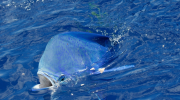
Seafood in Cyprus is not simply a category of food. It is a thread that runs through daily life, seasonal rhythms, and religious practice, shaped by the island’s geography and long relationship with the Mediterranean.

For centuries, fish and seafood have fed families, marked fasting and feasting days, and anchored community celebrations along the coast. To understand Cypriot cuisine is to understand how the sea quietly shapes what is eaten, when it is shared, and why it matters.
Living with the Sea, Not Just Beside It
Cyprus has always existed in close dialogue with the sea. As an island at the crossroads of the eastern Mediterranean, its communities learned early that the water surrounding them was not a boundary, but a resource that demanded attention, knowledge, and respect.

Seafood never developed as a luxury reserved for special occasions. Instead, it became part of a broader way of living shaped by seasonality and necessity. Even inland communities adapted their diets to include preserved fish brought from the coast, ensuring that the influence of the sea extended well beyond the shoreline.
This practical relationship explains why Cypriot seafood traditions are grounded in restraint. The goal has rarely been to impress, but to nourish reliably and share what is available.
The Historical Roots of a Maritime Diet
Fishing in Cyprus developed gradually alongside farming and trade. Early communities relied heavily on agriculture, but as coastal settlements expanded and maritime routes connected the island to the wider Mediterranean, seafood became increasingly important. Note that large-scale fishing actually appeared later (roughly 1000 years after initial settlement) because early Neolithic communities prioritized terrestrial resources.

Archaeological evidence from harbours, fishing tools, and preserved remains shows that Cypriots learned to fish with precision, following seasonal patterns and local marine conditions. Knowledge of tides, winds, and fish movements passed from generation to generation, creating a shared understanding of when and how the sea could be approached.
Religion reinforced this reliance. With the spread of Christianity, fasting periods became embedded in everyday life. During these times, shellfish and cephalopods (octopus, squid) provided a practical and spiritually acceptable alternative to meat, strengthening its role in both diet and belief.
The Seafood That Defines Cypriot Cooking
Traditional Cypriot seafood reflects availability rather than rarity. Certain species like tuna and grouper were historically significant for trade and industry, not just local subsistence. The most valued species were those that could be caught close to shore and prepared without complex techniques.
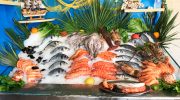
Octopus holds a central place in the culinary tradition. Carefully cleaned and often tenderised through time and technique, it is grilled or slow-cooked until rich and deeply flavoured. Calamari and cuttlefish are equally familiar, prepared simply and shared communally.
Small fish such as sardines and mullet were staples of everyday meals. These species could be fried whole, salted, or dried, making them accessible even to families far from the coast. Larger fish, including sea bream and sea bass, were typically reserved for gatherings or feast days, reinforcing their association with celebration rather than routine.
Cooking Methods Shaped by Climate and Simplicity
Cypriot seafood cooking evolved to suit long summers and limited preservation options. Techniques prioritised freshness and practicality over decoration.
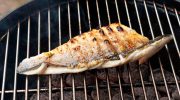
Grilling remains one of the most enduring methods. Fish is lightly coated with olive oil, seasoned sparingly, and placed over charcoal, allowing smoke and heat to enhance rather than mask flavour. Stewing is common for octopus and cuttlefish, which benefit from slow cooking with wine, onions, and spices.
Preservation methods were just as important. Salting and sun drying allowed seafood to be stored for months, ensuring a steady supply during lean seasons. These practices shaped local tastes, creating an appreciation for bold, concentrated flavours that still appear in modern Cypriot cooking.
Seafood as a Shared Family Experience
In traditional households, seafood was closely tied to daily rhythms of work and cooperation. Coastal families often planned meals around the return of fishing boats, purchasing the catch directly from the shore. Inland families relied on preserved fish brought by traders or market sellers.

Meals were rarely solitary. Seafood dishes were shared among relatives and neighbours, reinforcing social bonds and continuity. Even modest plates carried meaning, turning simple food into a marker of belonging.
Roles within the household reflected this balance. Fishing and grilling were often handled by men, while preparation, stewing, and preservation were managed by women. Together, these roles ensured that little from the sea was wasted and that knowledge was passed on through practice.
Fishing Festivals and Collective Memory
Fishing festivals in Cyprus celebrate more than food. They honour the relationship between people, place, and season, turning sustenance into shared memory.

The most widely recognised celebration linked to water and the sea is Kataklysmos, the Festival of the Flood. Held near coastal areas, it blends Christian tradition with older ideas of renewal and purification. Communities gather by the water, share seafood, and participate in music, dance, and symbolic water rituals.
Smaller local fish festivals take place in coastal villages, where freshly prepared seafood is offered to visitors. These events preserve techniques, recipes, and stories, ensuring that fishing knowledge remains visible and relevant to younger generations.
Faith, Fasting, and What Is Eaten When
Religion continues to shape seafood consumption in subtle but lasting ways. The Orthodox Christian calendar includes extended fasting periods during which meat is avoided. During these times, seafood, particularly shellfish and cephalopods, becomes central to daily meals.
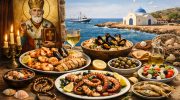
Fish with backbones is permitted on specific days within a fasting period, such as Palm Sunday or the Annunciation (March 25th), giving those occasions a distinct celebratory character. These dietary rhythms influenced the development of traditional recipes, ensuring that seafood remained integrated into religious life without becoming excessive.
Saint Nicholas, regarded as the protector of sailors and fishermen, holds particular significance in coastal communities. His feast day is marked with prayers for safety and gratitude, reinforcing the spiritual connection between fishing and faith.
Symbolism, Folklore, and the Sea
Seafood in Cyprus carries meaning beyond nourishment. Fish has long symbolised humility, survival, and belief, associations that echo early Christian symbolism and persist in cultural memory.
Fishing traditions are also surrounded by folklore. Fishermen once followed unwritten rules intended to ensure safe returns and good fortune, reflecting respect for the unpredictability of the sea. These beliefs highlight how deeply the marine environment shaped Cypriot imagination.
Mythological associations add another layer, linking the sea to creation and beauty. Stories tied to the coastline remind communities that the sea is both generous and unknowable.
Seafood in Contemporary Cypriot Life
Modern life has changed how seafood is sourced and consumed, but the core values remain intact. Traditional dishes continue to appear at family tables, in local tavernas, and during religious celebrations.
Environmental concerns and overfishing have prompted renewed attention to sustainability and local practices. This awareness has strengthened appreciation for small-scale fishing and seasonal eating, reinforcing older traditions rather than replacing them.
Tourism has introduced Cypriot seafood to wider audiences, yet the experience remains rooted in patience and sharing. Meals are still enjoyed slowly, with conversation flowing as freely as the wine.
Experiencing the Tradition Today
For visitors, seafood in Cyprus offers insight into how the island lives and remembers. Whether eaten at a seaside taverna, during a festival, or in a family setting, it reveals values of generosity, continuity, and connection.

The experience is rarely hurried. Plates arrive gradually, the sea often remains within sight or sound, and meals stretch beyond their practical purpose. This rhythm reflects the traditional role of seafood as something to be shared rather than consumed quickly.
Why Seafood Still Matters in Cyprus
Seafood is one of Cyprus’s quiet storytellers. Through everyday dishes, seasonal festivals, and religious customs, it reveals how the island has balanced survival, belief, and community over centuries.
To understand Cypriot seafood is to understand the island itself. Culture here is preserved not only in monuments or texts, but in habits repeated daily and passed between generations. From sea to table, seafood continues to nourish both body and memory, just as it always has.