Explore Cyprus with Our Interactive Map

Explore our top stories and discover ideas worth your time.

Besparmak Mountains

Besparmak Mountains

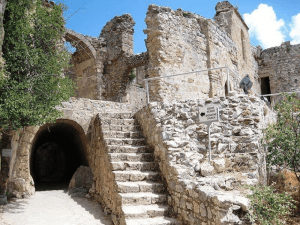
The Besparmak Mountains stretch like a limestone backbone along the northern coast of Cyprus, parallel to the Mediterranean for approximately 160 kilometers. Known also as the Kyrenia Mountains or Pentadaktylos, this narrow ridge rises abruptly from the coastal plain to create one of the island's most dramatic landscapes. The name Besparmak translates to five fingers in Turkish, referring to a distinctive peak that resembles an outstretched hand. Shutterstock-com Ancient Limestone from the Mesozoic Era The range consists primarily of hard crystalline limestone with some dolomite and marble formations dating to the Mesozoic period, formed between 250 and 65 million years ago beneath ancient seas. Unlike the volcanic Troodos Mountains in southern Cyprus, this northern range represents sedimentary formations from the Permian to Middle Miocene periods, pushed upward by collision of African and Eurasian tectonic plates. The highest peak, Mount Selvili Tepe, reaches 1,024 meters near Lapta. While only half the height of Troodos, the Kyrenia Mountains appear more imposing because they rise suddenly from the flat Mesaoria plain. The porous limestone acts as a natural filter, creating mountain aquifers that supply nearly all towns and villages in northern Cyprus. Pixabay-com Endemic Plants on Limestone Cliffs The limestone cliffs support diverse flora. Cyprus hosts 1,750 native plant species, of which 128 are endemic. The Kyrenia range contains 57 endemic species, concentrated…

Read more
Paphos Forest Nature Reserve – Endemic Wildlife

Paphos Forest Nature Reserve – Endemic Wildlife

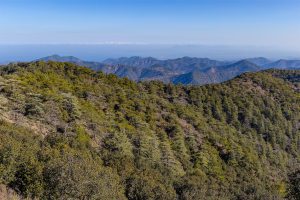
Paphos Forest Nature Reserve stands as one of the largest and most ecologically significant protected areas in Cyprus. Spanning approximately 620 square kilometers across the northwestern Troodos Mountains, this vast wilderness represents the island's most extensive continuous forest ecosystem. wikipedia-org The reserve gained official protected status through a series of conservation measures beginning in 1938, when the government recognized the urgent need to preserve the habitat of the endangered Cyprus mouflon. Today, the forest functions as a critical biodiversity hotspot, home to dozens of endemic species found nowhere else on Earth. The landscape ranges from dense pine forests and ancient cedar groves to golden oak woodlands and riparian vegetation along mountain streams. This diversity of habitats supports an exceptional variety of wildlife, from large mammals to rare insects, making it an essential sanctuary for Mediterranean biodiversity. Historical Background The history of Paphos Forest as a protected area began with a crisis. By the early 20th century, the Cyprus mouflon population had collapsed to approximately 25 individuals due to relentless hunting. The animals faced imminent extinction. In response, the British colonial administration declared the entire Paphos Forest a permanent game preserve on November 4, 1938. This unprecedented action protected not only government land but also private properties within the forest boundaries and holdings of the Kykkos Monastery. The decision proved controversial,…

Read more
Cyprus Citrus Groves

Cyprus Citrus Groves

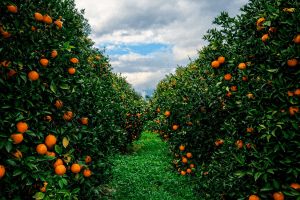
Citrus trees have never been a background crop in Cyprus. They reshaped coastal plains, sustained export economies, scented villages with orange blossom, and anchored everyday cooking. Oranges, lemons, grapefruits, and local hybrids thrive where mild winters meet long sunlight hours, making citrus one of the island's most recognisable and enduring farming traditions. Even as Cyprus modernises, citrus remains a quiet constant, rooted in land, memory, and daily life. Why Citrus Took Hold in Cyprus Citrus farming in Cyprus is defined by geography. The island’s coastal plains provide exactly what citrus trees require: frost-free winters, fertile soils, and long growing seasons. Unlike vineyards that climb into the mountains, citrus orchards stay close to the sea, shaping lowland landscapes around Morphou, Limassol, and Paphos. These groves were never ornamental. They provided reliable harvests, export income, and household staples, becoming as common in village courtyards as in commercial plantations. Over time, citrus trees blurred the boundary between agriculture and domestic life, integrating farming directly into everyday routines. The Coastal Landscapes That Grow Citrus Citrus orchards are closely tied to Cyprus’s coastal geography. The most productive groves sit on fertile alluvial soils where irrigation can be carefully managed. Historically, regions such as Morphou developed reputations as citrus heartlands due to access to natural springs and groundwater flowing from the Troodos foothills. Limassol’s coastal zones…

Read more