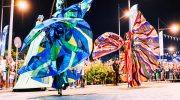
Cyprus hosts a vibrant calendar of festivals and cultural events that showcase the island’s heritage, agricultural traditions, and artistic achievements. These celebrations transform towns and villages into centers of music, dance, food, and community spirit. The annual cycle includes religious festivals that blend ancient pagan customs with Orthodox Christianity, agricultural celebrations honoring harvests and traditional products, athletic competitions that draw international participants, and arts festivals featuring world class performances.
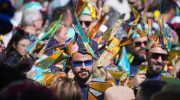
Unlike generic tourist entertainment, these events emerge organically from Cypriot culture and attract both locals and visitors seeking authentic experiences. The calendar reflects Cyprus’s position as a Mediterranean crossroads where Greek, Middle Eastern, and European influences merge to create distinct traditions.
Limassol Wine Festival pours free drinks for nine days
The Limassol Wine Festival runs from late September to early October each year, with the 2025 edition scheduled from September 27 to October 5. Established in 1961 by the Limassol Development Association, this event has become a cornerstone of Cypriot culture, attracting thousands of visitors annually. The festival takes place in the Limassol Municipal Gardens with three entrance gates charging modest admission fees.
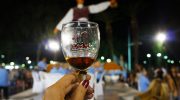
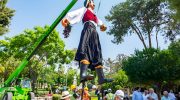
A seven meter tall statue of a traditional Cypriot vine grower in local costume stands opposite the main entrance, created by artist Giorgos Mavrogenis in 1962 and serving as the festival emblem ever since. Beneath the statue appears the motto Drink wine to live long. The remarkable feature that distinguishes this festival is that all wines offered to visitors in unlimited quantities are provided free of charge by the Limassol Municipality and participating wineries.
Every evening thousands attend to enjoy the happy atmosphere of people feasting with wine, delicious local dishes at fixed low prices, traditional dances and songs, and theatrical plays with comedy and satire. The event evokes ancient Dionysiac celebrations when inhabitants of Attica sat at common banquets offered free by the state, tasted new wines, and participated in mass dances, songs, poetry, and drama.
Kataklysmos splashes water across coastal cities
Kataklysmos, meaning flood in Greek, is celebrated 50 days after Orthodox Easter and coincides with Pentecost. In 2025 the main festivities occurred on Monday June 9, though official programs spanned several days from June 7 to 9. This unique festival brilliantly merges ancient pagan traditions honoring Aphrodite and Adonis with Christian Orthodox commemoration of Noah’s Ark and Pentecost. The celebration transforms coastal cities into lively hubs of activity, with Larnaca’s Finikoudes promenade hosting the largest and most famous events.

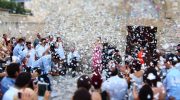
Larnaca has officially organized celebrations since 1918, though the tradition extends much further back. The festival features a week of open air markets, concerts, traditional dancing, boat races, and water battles where participants splash each other as symbols of purification and renewal. Competitions for traditional Cypriot folk songs and satirical poems called tsiattista occur alongside the spirited water fights.
Stalls line the seafront selling traditional sweets including loukoumades and porika, sweets made with nuts, and soutzoukos, a chewy grape juice confection. Before 1974, Famagusta was renowned for Kataklysmos celebrations at a site called Glossa, but since the Turkish occupation festivities shifted to Protaras and Ayia Napa.
Village festivals preserve rural traditions
Throughout the year, mountain villages organize festivals celebrating local products and crafts. The Rose Festival takes place in May in Agros village near Limassol, offering opportunities to learn about rose cultivation, participate in planting, and see varieties of roses while sampling rose products including cordials and sweets.
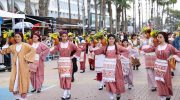
The Palouze Festival at Lofou village features Cypriot folklore music and dances, a children’s corner, free rides with Cypriot donkeys, free palouze grape must pudding, and guided village tours. Statos Agios Fotios hosts wine and zivania festivals where visitors explore the village, tour wineries, watch preparation of traditional products, and enjoy cultural programs with traditional dances and music.
These village festivals provide intimate experiences where visitors interact directly with producers and artisans, learning traditional techniques passed through generations. The atmosphere remains authentically local rather than staged for tourists, with village residents genuinely proud to share their heritage.
Athletic events bring international competition
Cyprus hosts numerous athletic competitions that combine sport with spectacular natural settings. The Radisson Blu International Larnaka Marathon takes place along the coastal city near the international airport at beautiful Palm Beach Avenue next to salt lakes where flamingos rest during fall. The event offers multiple races including full marathon, half marathon, 10k race, 5k city race, 5k beach walk, and 1k family race.

The Cyprus Ironman distance triathlon known as the hardest sporting event in Cyprus takes participants through spectacular parts of the island. The Limassol Beer Festival MedFest in late July features local and foreign beer producers, food vendors, and performances by well known and emerging artists. The Gran Fondo Apollo and Aphrodite cycling event attracts international riders. The Cyprus International Bridge Festival draws players from around the world. These athletic and competitive events demonstrate Cyprus’s appeal as a year round destination for active travelers.
Arts festivals showcase world class talent
The Paphos Aphrodite Festival presents world class opera productions performed at the ancient Paphos Castle with the Mediterranean Sea as backdrop. The Cyprus Film Days International Film Festival includes international competition, national competition showcasing Cypriot productions, special tributes, parallel screenings, master classes, workshops, and musical events.
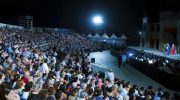
The International Festival of Ancient Greek Drama brings professional theater companies from different cultures to perform ancient Greek plays in the restored Greco Roman theater at Kourion. The Jazz Paradise Festival lights up Giala village over two days of performances.
The International Choreography Festival provides a platform for dancers and choreographers to showcase work. The Limassol Book Fair at Carob Mills features publishers, authors, and literary discussions. These cultural events attract internationally recognized artists while promoting local talent, demonstrating that small island nations can host festivals that meet international standards.
Why festivals matter to Cyprus identity
Community festivals create spaces where Cypriots affirm shared identity and pass traditions to younger generations. The agricultural festivals connect urban populations to rural heritage and support small producers who maintain traditional methods. Religious festivals blend Orthodox Christianity with pre Christian customs, demonstrating how cultural practices adapt while maintaining continuity.
The arts festivals position Cyprus as a serious cultural destination beyond beach tourism, attracting visitors interested in opera, theater, film, and dance. Athletic events promote healthy lifestyles while showcasing Cyprus’s climate and landscapes. The calendar of festivals spreads tourism across seasons, reducing pressure on summer months and supporting year round employment.
For visitors, these events provide authentic cultural experiences that create deeper connections to Cyprus than generic resort activities. The festivals prove that small communities can maintain vibrant traditions when residents value heritage and welcome outsiders to participate in celebrations that define who they are.