Cyprus produces more than just olive oil. The island has developed a complete ecosystem of traditional products that stem from its 4,000-year relationship with olive cultivation. From handcrafted soaps to certified organic oils, modern Cypriot producers blend ancient practices with sustainable methods.
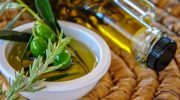
These goods range from extra virgin olive oils pressed in family-run mills to natural cosmetics made without chemicals. Each product carries the legacy of generations while meeting contemporary demands for environmentally responsible production.
Historical Context
Archaeological evidence confirms that Cypriots cultivated olive trees and operated olive presses near Limassol around 1000 BCE. The Bronze Age settlement at Maroni-Vournes contains limestone platforms with carvings that suggest olive oil production techniques used thousands of years ago. Traditional methods persisted well into the 1980s in remote villages, where people used circular stone troughs and heavy millstones turned by donkeys to crush fresh olives.

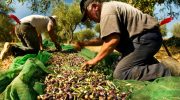
The harvest season runs from October through December, with families gathering to pick olives using methods largely unchanged for centuries. Green olives are picked first and either cracked for table consumption or left to mature into black olives suitable for oil production. The timing of harvest directly affects quality. Early harvest olives, picked when still green, contain the highest concentration of beneficial polyphenols but yield less oil per kilogram.

Cyprus sits at 400 olive-producing villages today, harvesting over 10,000 tons annually. Roughly half becomes olive oil, with exports reaching 500 to 2,000 tons per year directed mainly toward European Union countries. The island’s favorable climate and limestone-rich soils create distinctive flavor profiles often described as peppery, grassy, and slightly nutty. The Koroneiki variety dominates oil production due to its small size and high oil content, while Ladoelia and Mavralia represent unique local cultivars adapted to Cypriot conditions.
What Makes These Products Stand Out
Traditional Cypriot olive oil goods maintain specific characteristics that set them apart in global markets. Extra virgin olive oil from Cyprus must have acidity levels at or below 0.8 percent to meet classification standards. Many producers publish detailed lab reports showing polyphenol content, with some premium oils containing up to 2,330 mg/kg of total polyphenols, approximately 25 times higher than average olive oils.
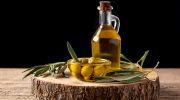
The cold-pressing method remains fundamental to quality. Olives are processed at temperatures below 27 degrees Celsius within hours of picking, sometimes as quickly as 30 minutes from tree to press. This rapid processing preserves heat-sensitive nutrients and aromatic compounds that would degrade with delays or higher temperatures. The result is oil with low acidity, unique aromas, golden color, and a long pleasant aftertaste.
Interesting Facts About Cyprus Olive Production
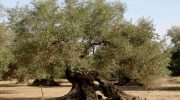
The oldest olive tree in Cyprus stands near Xyliatos village at approximately 700 years old, with a trunk circumference of 10 meters. Some trees on the island reach several hundred years in age, demonstrating the species’ remarkable longevity. Olive trees can live up to 2,500 years, and one claimed 3,000-year-old specimen grows on Crete.
The average Cypriot consumes about 8 kilograms of olives annually in various forms, plus roughly 3 liters of olive oil. This consumption rate reflects the central role olives play in daily cuisine, from simple breakfast spreads to complex mezze preparations. Traditional dishes showcase olive oil prominently. Koupes are bulgur wheat shells fried in olive oil, louvi me lahana combines black-eyed beans with greens in an olive oil and lemon dressing, and tsakkistes are cracked green olives marinated with garlic, coriander seeds, and lemon juice.

Cyprus olive oil found its way to Egypt, the Middle East, Greece, and Turkey in ancient times, confirmed by remnants of Cypriot storage containers discovered through archaeological excavations. This trade established the island as a significant transportation hub for maritime commerce. The olive tree itself holds symbolic weight in Cypriot Orthodox Christianity. Churches sell locally produced olive oil alongside other natural products, and the olive branch appears in religious frescoes depicting the Annunciation.
Advanced Agricultural Methods Behind Quality
Contemporary Cyprus olive farms employ regenerative agriculture principles that extend beyond basic organic certification. Permaculture design mimics natural ecosystems to create resilient, diverse farming systems. Producers focus on water conservation, using every drop of rainfall effectively in an environment where summer drought is normal. Limited irrigation actually benefits oil quality by concentrating polyphenols in the fruit.
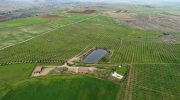
International teams of environmental engineers and agricultural specialists have established operations in Cyprus, drawn by the exceptional natural environment and favorable climate for sustainable agriculture experiments. These experts bring knowledge of beneficial microorganism applications, natural composting techniques, and ground cover strategies that build soil health while reducing external inputs.
Quality control extends throughout the production chain. ISO certifications cover food safety and hygiene (ISO 22000), quality management (ISO 9001), and environmental protection (ISO 14001). Some facilities are the only mills in Cyprus to use cold pressing with traditional millstones while maintaining these modern certifications. This combination preserves nutritional elements, original flavor, aroma, color, and polyphenols while meeting stringent safety standards.
Why These Products Matter Today
Cyprus olive oil goods represent a growing segment of consumers seeking clean-label ingredients, plant-based diets, and transparent sourcing. The Mediterranean diet’s documented health benefits have driven global demand for high-quality olive oil, with Cyprus producers positioned to meet this interest through premium, minimally processed products.
The environmental aspect resonates strongly with contemporary buyers. Sustainable agriculture practices, organic certification, and minimal processing align with values around environmental stewardship and carbon footprint reduction. Cyprus producers actively market these attributes, emphasizing their role in protecting natural ecosystems while producing premium goods.
Local economies benefit directly from olive production. Small family farms continue traditional cultivation methods passed down through generations. The Olive Park Oleastro near Anogyra village operates as a museum, restaurant, and gift shop that educates visitors about 6,000 years of olive civilization while supporting local artisans. Terra Oliva farm near Lefkara offers tours showing tree cultivation and care, with on-site sales of oils, olives, cosmetics, and even olive liqueur.
Experiencing Cyprus Olive Heritage
Visitors can purchase products directly from producers at farm locations, local markets, and specialty shops throughout Cyprus. The Olive Park Oleastro offers comprehensive experiences including olive picking demonstrations from October through January, witnessing traditional olive oil production, and even processing personal olive batches. Visitors pay 7 euros for admission with complimentary olive tasting.

Online retailers now ship Cyprus olive products worldwide, making them accessible to international customers. Products range from basic extra virgin olive oil in various bottle sizes to premium limited editions packaged in elegant black glass with nitrogen flushing to prevent oxidation. Cosmetic lines include specialized soaps infused with herbs like lavender, chamomile, rosemary, and thyme, plus body lotions, face oils, and bath salts.
What Cyprus Olive Goods Represent
These products embody more than agricultural output. They demonstrate how traditional knowledge adapts to contemporary demands while maintaining core values of quality and sustainability. The olive tree’s symbolic associations with peace, wisdom, and endurance mirror Cyprus’s own historical resilience through millennia of cultural influences and political changes.
Small-scale producers prove that artisanal methods can compete in modern markets when coupled with certification, transparency, and consistent quality. The success of Cyprus olive goods shows consumer willingness to pay premium prices for authentic, traceable products made with environmental consciousness. As global food systems face pressure to become more sustainable, Cyprus offers a working model of how ancient agricultural practices inform solutions to modern challenges while supporting rural communities and preserving cultural heritage.