Learn a craft even if you don’t need to and if you get hungry, practice it.” This old Cypriot folk saying reflects the pragmatic wisdom of village life where craftsmen held backup skills to supplement income during agricultural hardship. Not so long ago people living at Cyprus villages were either farmers or shepherds and at the same time practiced a craft.
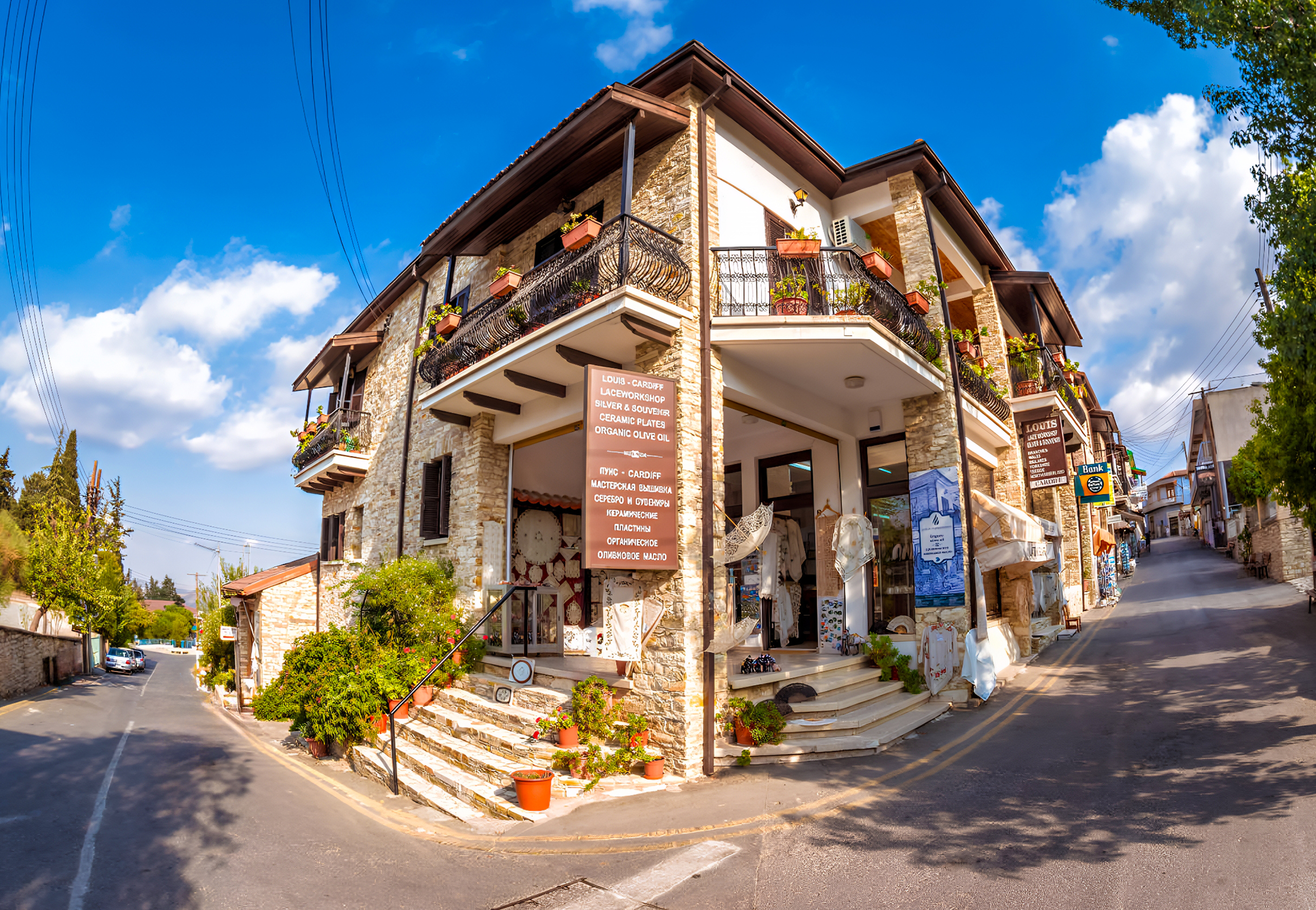
People had to be creative and multi-talented, able to supplement their income if they faced difficulties, and a craft always came in handy. They engaged in basket weaving, icon painting for rich churches and landlords, silversmithing, wood carving, ceramic and pottery making, mosaic making, embroidery, wine and Commandaria making, and many more.
The Cyprus Handicraft Service System
In 1975 the Ministry of Commerce, Industry and Tourism undertook the responsibility for the preservation of Cyprus Folk Art, its development and encouragement into modern cottage industry and handicrafts. Specialised members of staff made studies and started projects initially funded by the High Commission for Refugees with the main target of offering employment to refugees and other affected persons and in parallel, the long-term development of cottage industry and handicrafts.
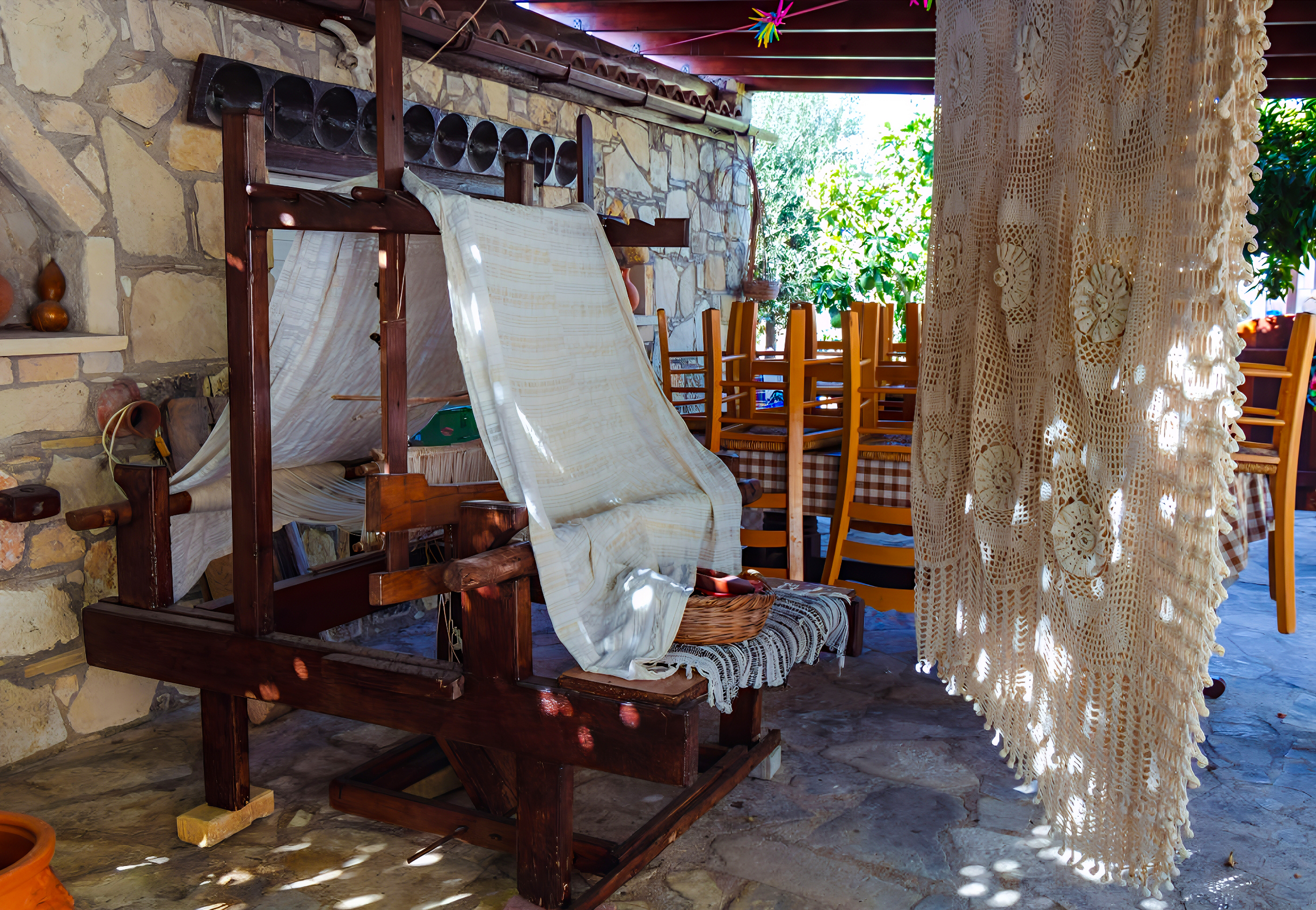
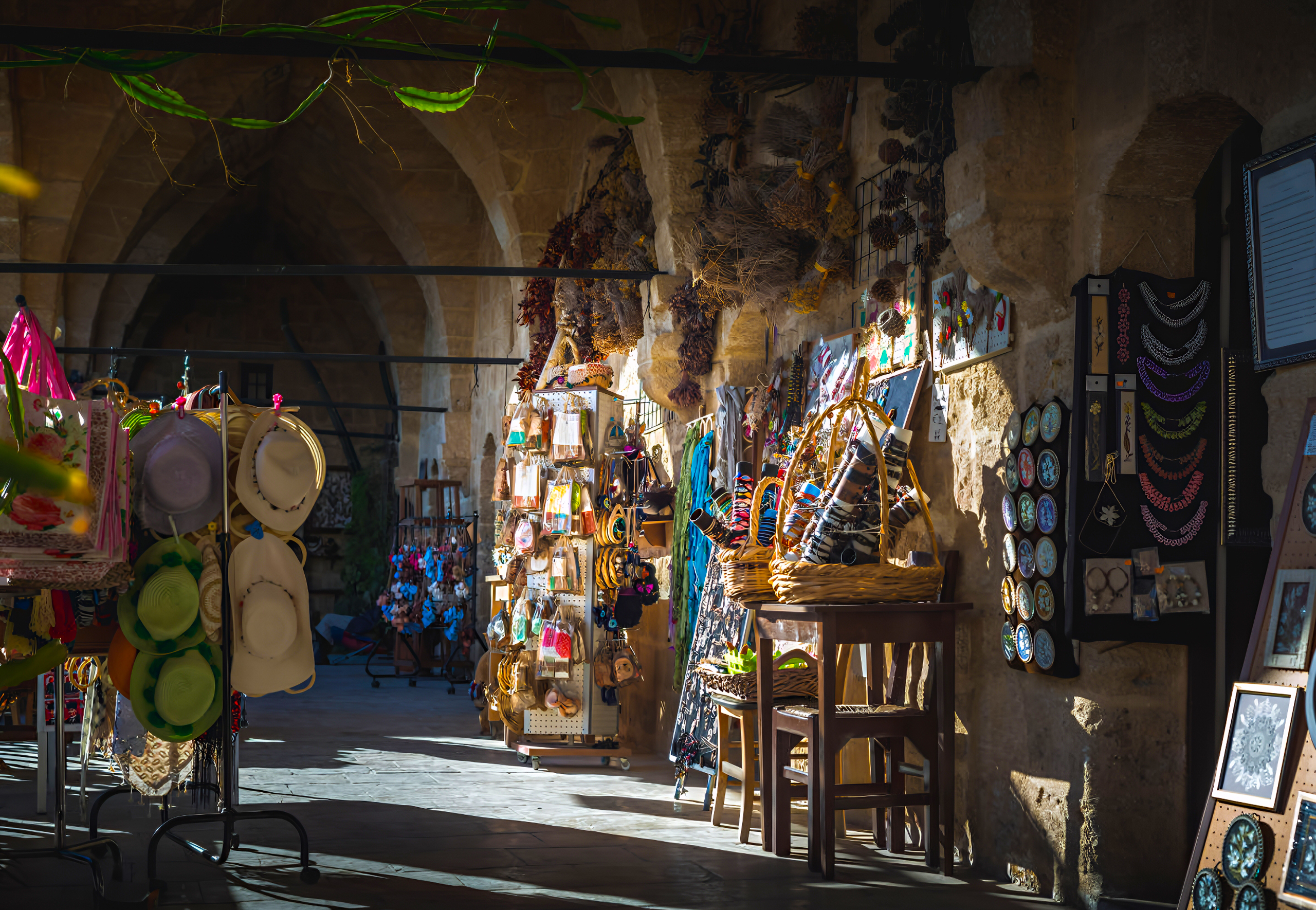
For the implementation of these goals the Cyprus Handicraft Service created the Handicraft Centre in Nicosia in 1979 with experimental workshops such as Embroidery, Weaving, Woodcarving, Pottery, Metalwork, Basketry and General Handicrafts, Leatherwork, and Garments. The Centre serves as a hub for creating and selling authentic folk art and crafts deeply rooted in tradition. Visitors have the opportunity to witness skilled artisans in action at their respective workshops, practicing various time-honored crafts.
The Cyprus Handicraft Service operates district centers and shops in Larnaca, Limassol, and Paphos, plus organized workshops in weaving at refugee settlements in Latsia and Tsiakkilero. These organized workshops offer opportunities to those interested to work on piecework basis and produce for the Cyprus Handicraft Service. Genuine handicraft articles representing the traditional crafts of the island are exhibited and sold at the shop.
Workshop-Based Teaching Methods
Around the garden at the Nicosia center are workshops where instructors and craftsmen carry out research and study of traditional objects of folk art. The first workshop in line focuses on embroidery. Here, all original samples upon which embroidery production is based are made, such as lefkaritika, athienitika, moditika, lace, crochet, and cross-stitch. The lefkaritika lace is the most exceptional with its varied motifs and patterns and is distinguished by its uniqueness.
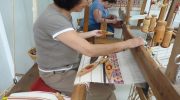
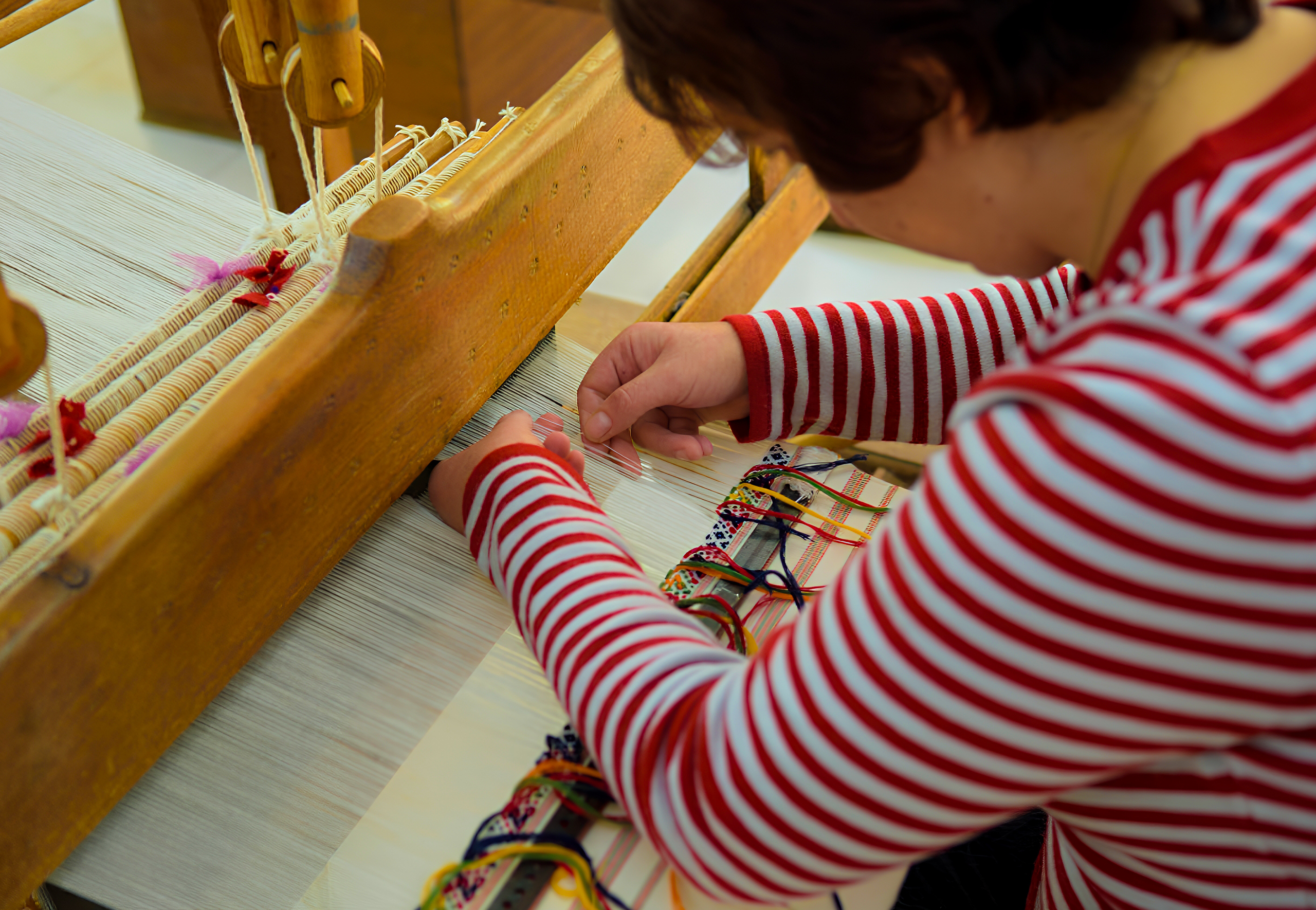
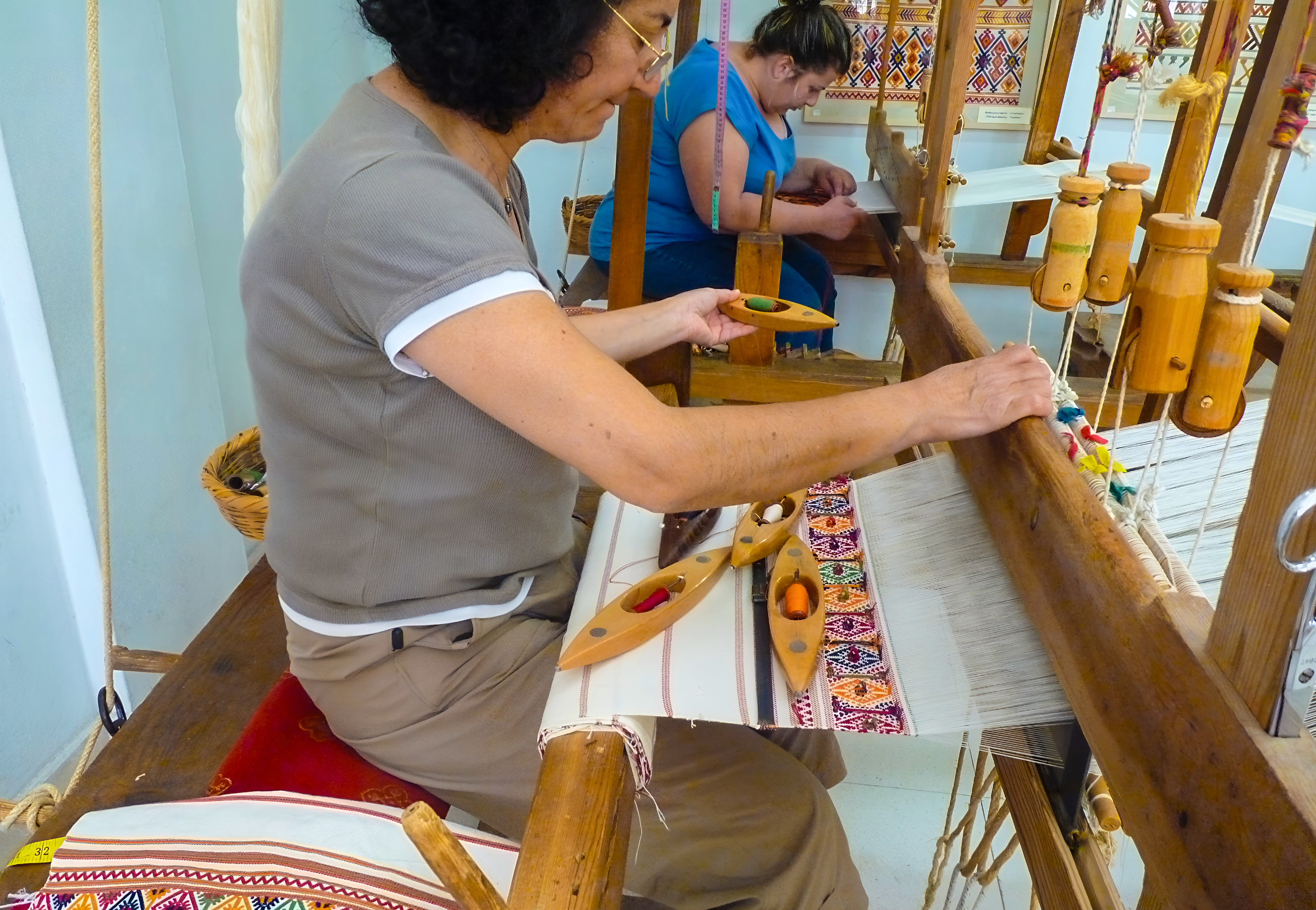
The weaving workshop features traditional looms where experienced weavers revive all types of fabrics. Phyti woven textiles are known for their vibrant colors and geometrical shapes. The Phyti weaving technique, the most characteristic type of Cypriot weaving, has been practiced for over 500 years. Working on looms called voufa, weavers create karpasitika, lefkonitziatika with decoration and bright colors, and fithkiotika with colorful geometrical motifs.
The pottery workshop displays numerous types of pots, glazed and unglazed terracotta, ancient and Byzantine imitations, bearing witness to Cyprus’s long tradition in pottery and ceramics. The village of Kornos is renowned for its distinctive red clay pottery, a tradition dating back several centuries and characterized by large, porous jars known as pitharia. At workshops, participants learn traditional techniques such as shaping clay entirely by hand and using foot-powered wheels.
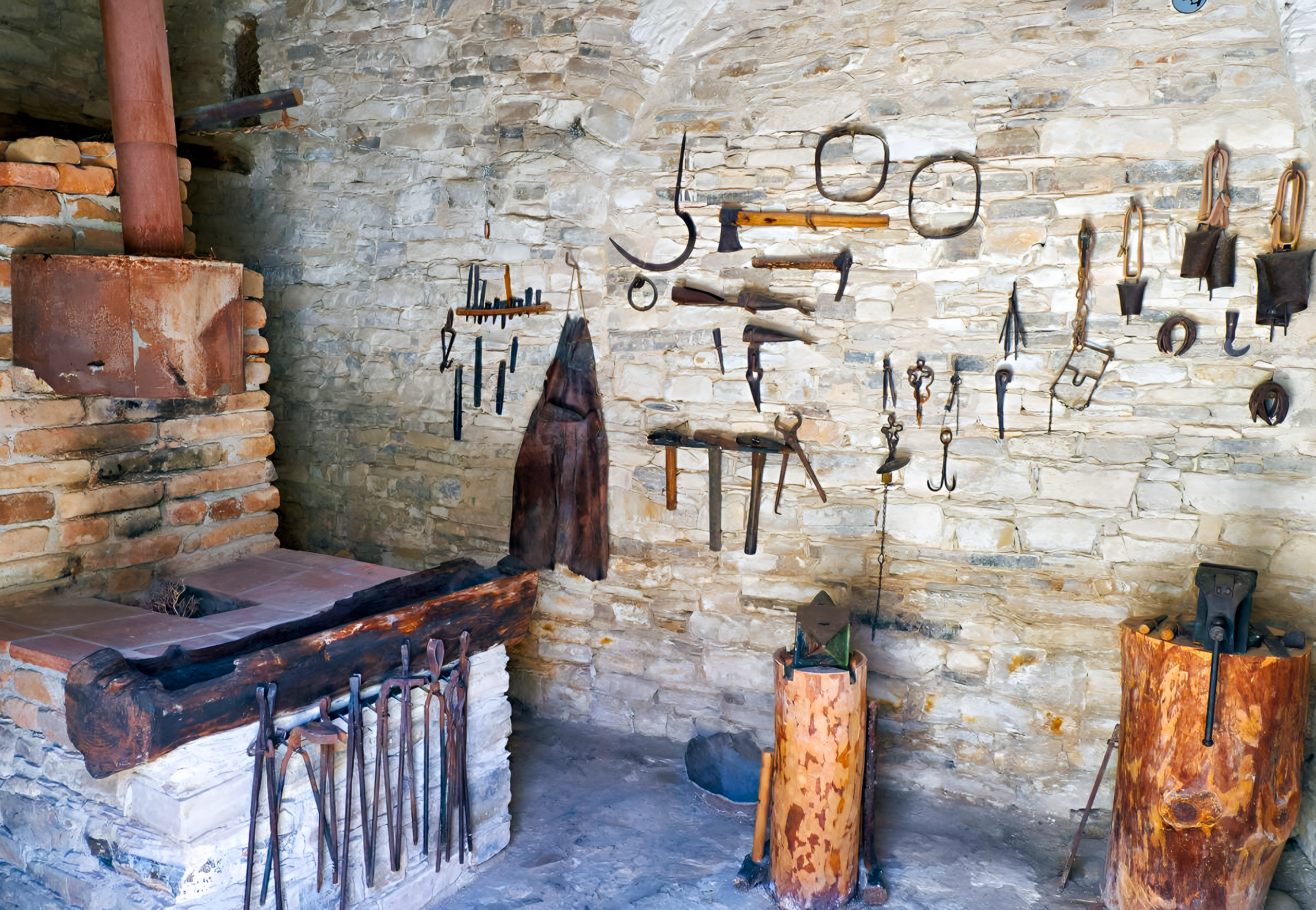
The metalwork workshop reminds visitors that Cyprus was once called the island of copper. Craftsmen tap rhythmically to form copper or silver items with representations copied from archaeological museum pots and frescoes. Cauldrons, pans, and other identifiable items reflect the ancient craft.
The basket weaving workshop produces baskets, panniers, and sieves with many designs made from stems of special wheat, plus batik, macramé, mosaics, and framed pictures from silk cocoons. Basket weaving in Cyprus traditionally uses reed and a slender type of cane known as sklinitsia.
Village-Based Learning Opportunities
The picturesque village of Lefkara is world-renowned for its delicate Lefkaritika lacework, inscribed on the UNESCO Intangible Cultural Heritage list in 2009. In workshops, visitors master needle and thread to produce intricate designs that have adorned textiles for centuries. Authentic Lefkaritika lacework can take hundreds of hours to create and is traditionally made using just four basic elements: the hemstitch, cut-work, satin stitch fillings, and needlepoint edgings. The craft’s legendary status was sparked by Leonardo da Vinci’s visit in 1481.
The village of Fyti offers the Weaving of Dreams route with workshops where participants create their own Fythkiotika fabrics. Guided by local artisans, participants sit at traditional looms and weave colorful patterns passed down through generations. The art of weaving comes alive as skilled teachers demonstrate techniques used for five centuries.
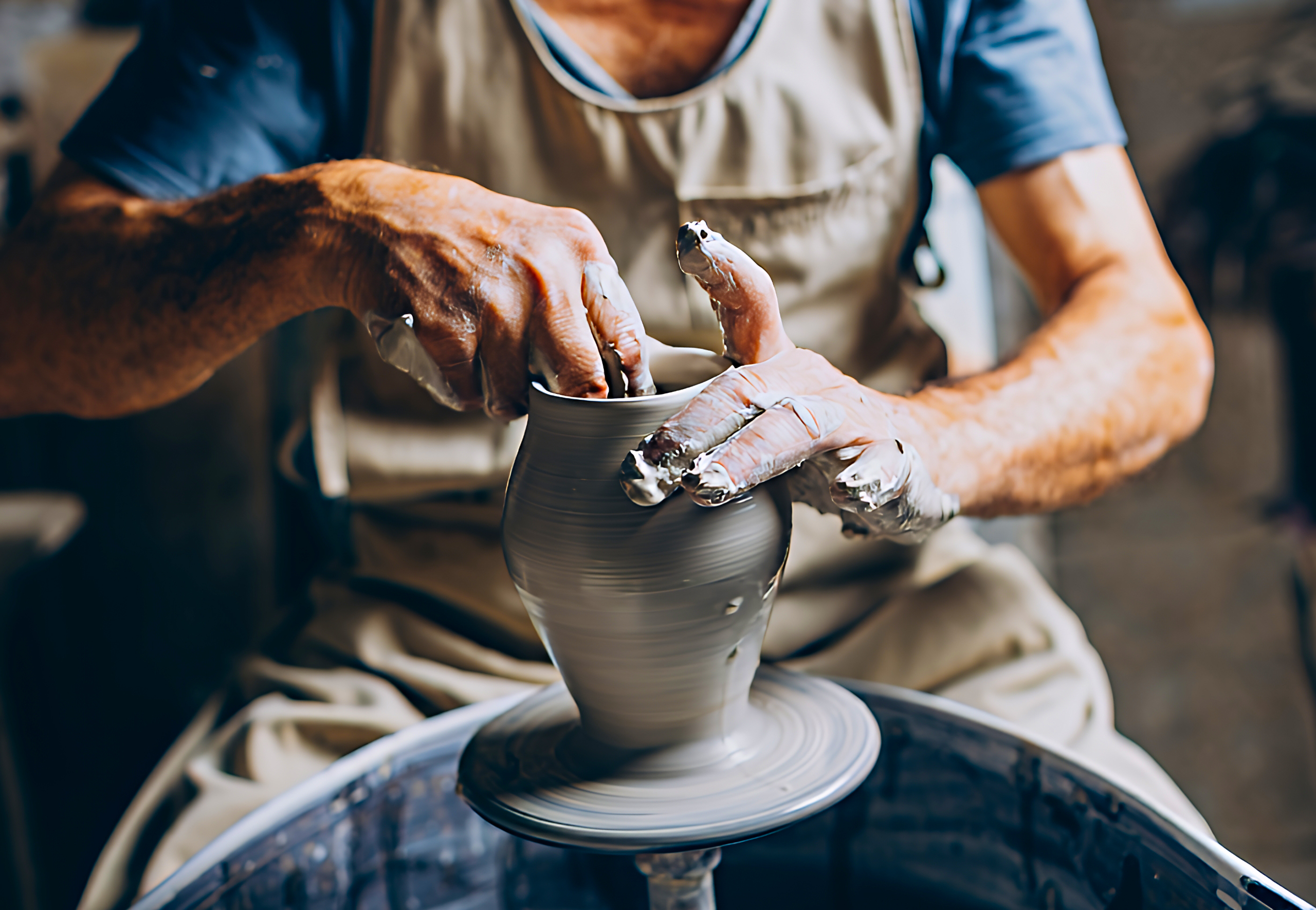
Kornos village hosts an annual Pottery Festival where participants engage in workshops led by skilled female potters known as mastorisses. The distinctive red-brown pottery tradition dates back several centuries. Participants learn to shape clay entirely by hand and use foot-powered wheels, creating unique handcrafted vessels.
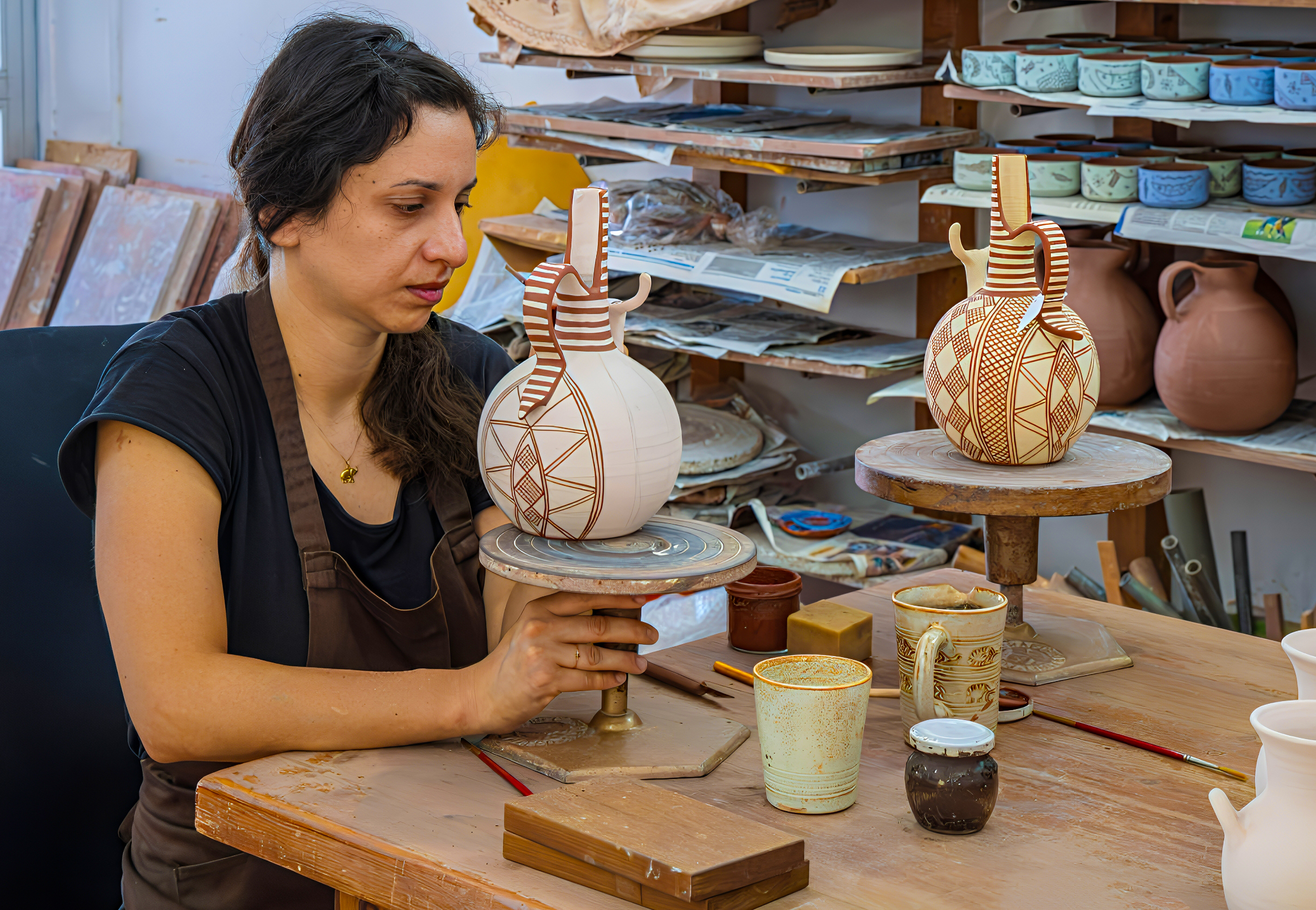
The Deputy Ministry of Tourism has developed a scheme offering opportunities to participate in workshops promoting both traditional crafts and contemporary fashionable handicrafts. These experiences are available from May to November, taking place on Wednesdays, weekends, and public holidays in villages across Cyprus.
Formal Training Programs for Young People
In recent years, there has been a rapid decrease in the active workforce of craftspeople in Cyprus across all sectors due to limited interest by young people in taking up these fields professionally. For these crafts to survive, attracting the next generation and training them in traditional techniques and materials is of utmost importance
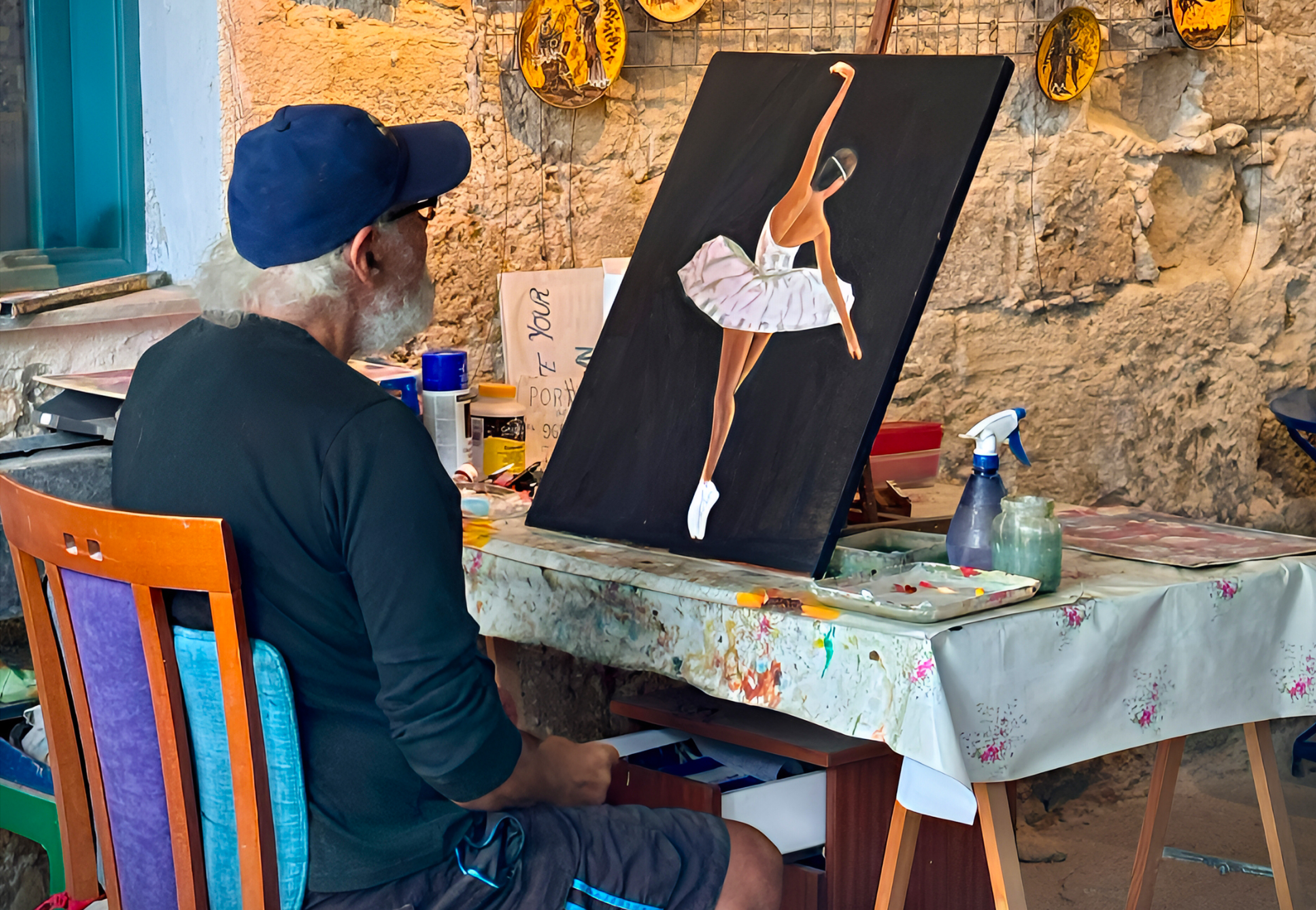
The Cyprus Handicraft Service, in collaboration with the Human Resource Development Authority of Cyprus, developed vocational training programs for the unemployed. They offer vocational training in three traditional handicrafts: embroidery, ceramics, and weaving. The training programs cover a total of 700 hours, with 350 hours theoretical training at the vocational training center in Nicosia and 350 hours in-house training implemented in various workshops throughout Cyprus under the supervision of experienced designers.
One of the Handicraft Service’s main priorities is fostering the environment and conditions in which traditional craftspeople will transfer their knowledge, especially when it comes to techniques registered in the National Inventory of Intangible Cultural Heritage of Cyprus. The Cyprus Handicraft Service offers organized training courses in various crafts, subsidized by the HRDA.
Safeguarding Cyprus’s Intangible Cultural Heritage
All these crafts are nowadays part of Cyprus’s Intangible Cultural Heritage. Craftsmen through the ages created wealth in folk art traditions. The Cypriot artisan through work expresses the inside world and feelings. Their knowledge and inspiration as well as the experiences and ideas survived through the ages as they were passed from one generation to the other.
Engaging in craft workshops provides tangible connection to Cyprus’s rich artisanal traditions and supports preservation for future generations. Whether molding clay, weaving fabric, or engraving silver, each experience offers a unique window into the island’s cultural soul. A renewed focus on sustainable and eco-friendly practices is emerging, with many crafters using locally sourced natural materials and traditional low-impact techniques.
Workshops and cultural tours centered on handicrafts are becoming popular forms of agrotourism, allowing visitors to learn skills such as pottery or weaving directly from master artisans in their village workshops. This focus on education and participation makes workshops more than stores but interactive gateways into the world of Cypriot craft