Explore Cyprus with Our Interactive Map

Explore our top stories and discover ideas worth your time.

Protaras Beach

Protaras Beach

Protaras sits on the southeastern coast of Cyprus in the Famagusta District, approximately 70 kilometers from Larnaca International Airport. This coastal resort developed specifically for tourism offers 10 kilometers of coastline along the Mediterranean Sea. The beaches here feature fine golden sand and exceptionally clear waters that earned international recognition. Fig Tree Bay was named Europe's third best beach by TripAdvisor in 2011, though rankings shifted in following years. Unlike the party atmosphere of nearby Ayia Napa, Protaras built its reputation as a quieter alternative better suited to families and domestic Cypriot tourism. Historical Context In ancient times, the area now known as Protaras was home to the old city-state of Leukolla, which had a small, safe harbor where Demetrius Poliorketes sought refuge in 306 BC. For centuries afterward, the coast remained sparsely populated due to pirate threats that made settlement dangerous. The area earned the nickname "the land of windmills" from agricultural equipment that once dotted the landscape. The first windmills appeared in Paralimni in the early 20th century and were imported from Chicago, Toronto, and later Great Britain. Tourism development began in earnest during the late 20th century following the 1974 events that closed Famagusta to Greek Cypriot tourism. Protaras transformed from agricultural land into a major resort destination. The population of the broader Paralimni area grew from…

Read more
Teucer and Salamis Legends Cyprus

Teucer and Salamis Legends Cyprus

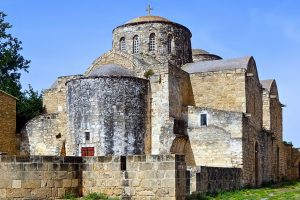
The legend of Teucer and the founding of Salamis stands as one of Cyprus's most enduring foundation myths. This tale connects the island to the world of Greek epic poetry and the aftermath of the Trojan War. Teucer, a legendary archer and warrior, supposedly established the city of Salamis on Cyprus's eastern coast around 1200 BC. visitncy-com The story interweaves tragedy, exile, and renewal. According to ancient sources, Teucer arrived on Cyprus after being banished from his homeland by his father. He brought with him followers from Greece and founded a new city bearing his homeland's name. This myth shaped Salamis's identity for over a millennium and influenced how ancient Cypriots understood their Greek cultural connections. Whether based on historical events or purely mythological, the legend of Teucer became central to how the people of Salamis viewed themselves. The tale provided the city with prestigious origins linked to famous Homeric heroes. Archaeological evidence suggests some truth behind the myths, showing Greek settlement patterns that align roughly with the legendary timeframe. From Trojan War to Cypriot Shores Teucer's story begins in Homer's Iliad, where he appears as the son of King Telamon of Salamis island and his second wife Hesione, daughter of Troy's King Laomedon. Through his mother, Teucer was nephew to King Priam of Troy and cousin to the famous…

Read more
Salt Flats Coastal Wetlands

Salt Flats Coastal Wetlands

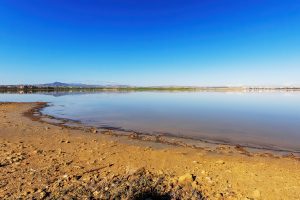
Salt Flats and Coastal Wetlands (Larnaca, Limassol, Akrotiri) are crucial ecosystems in Cyprus, serving as vital stopovers for migratory birds, habitats for flamingos, and homes to brine-adapted flora, holding international significance for biodiversity. These areas, including Larnaca Salt Lake, Limassol's Akrotiri Wetlands, and related sites, form interconnected zones where saltwater and freshwater mix, creating unique conditions that support thousands of species. They highlight the island's role as a Mediterranean biodiversity hotspot, where natural processes and human history intersect to foster life in challenging environments. birdlifecyprus-org A Vital Ecosystem in the Mediterranean Salt flats and coastal wetlands in Cyprus represent dynamic landscapes where land meets sea, characterized by shallow saline lakes, marshes, and mudflats that fluctuate with seasons. Larnaca Salt Lake, the largest inland wetland at 2.2 square kilometers, dries to a white crust in summer but fills with winter rains, hosting algae that tint waters pink. Limassol's Akrotiri Peninsula, covering 150 square kilometers, includes brackish lagoons and reed beds, while smaller sites like Oroklini add diversity. These zones support migratory birds numbering over 10,000 annually, flamingos that winter in flocks of 20,000, and brine-adapted plants like halophytes that thrive in salty soils. Their international significance stems from Ramsar Convention protection since 1997, recognizing them as wetlands of global importance for conservation and sustainable use. cyprusisland-net Formation Through Geology and Climate…

Read more