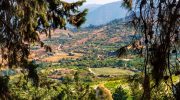
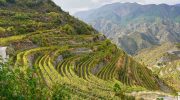
Commandaria is an amber-colored sweet dessert wine made exclusively in the Commandaria region of Cyprus on the southern slopes of the Troodos Mountains. It represents an ancient wine style documented back to 800 BC and holds the distinction of being the world’s oldest named wine still in production.
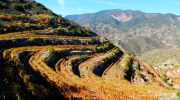
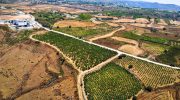
The wine is made from sun-dried grapes of two indigenous varieties, Xynisteri and Mavro. Production takes place only in 14 designated villages at altitudes between 500 and 900 meters within the Limassol District. The name Commandaria dates to the Crusades in the 12th century when Knights Templar and Knights Hospitaller controlled the region.
From Ancient Nama to Medieval Commandaria
The Greek poet Hesiod first described a dried grape wine from Cyprus in 800 BC in his work “Works and Days.” He detailed how harvested grapes were dried in the sun for ten days and nights, then covered for five more before fermentation. Ancient people originally called this wine Nama or Cypriot Manna. Roman physician Dioscorides and geographer Strabo praised Cypriot wine for its excellence in the first century AD. Bishop Synesius of Ptolemais in the 5th century described it as resembling thick honey.
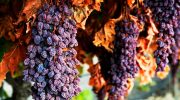
The wine gained its current name during the Crusades. King Richard the Lionheart captured Cyprus in 1191 and celebrated his marriage to Berengaria of Navarre in Limassol with this local wine. He famously declared it the wine of kings and the king of wines. Richard sold the island to the Knights Templar in 1192, who established their headquarters at Kolossi near Limassol in an area called La Grande Commanderie. When the knights began exporting large quantities to European royal courts and supplying pilgrims heading to the Holy Land, the wine assumed the name of their controlled region.
A 13th century wine competition organized by French King Philip Augustus featured wines from across Europe. According to poet Henry d’Andeli’s 1224 poem “La Bataille des Vins,” a sweet wine from Cyprus won the event. Philip Augustus crowned it the Apostle of wines. Pope Clement V disbanded the Knights Templar in 1312, and the Knights Hospitaller inherited their holdings and continued Commandaria exportation throughout Europe. Venetian control followed, with Etienne de Lusignan in 1573 praising Cypriot wine as the best in the world.
The Traditional Production Method
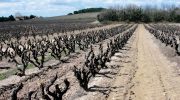
Production follows strict regulations established when Cyprus granted Commandaria protected designation of origin status in 1990. Only grapes from vineyards planted at least four years ago qualify. Vine training must follow the goblet method with no wires or support systems. Irrigation is prohibited. The Wine Products Commission of Cyprus determines the harvest start date based on sugar content. Xynisteri grapes must demonstrate 212 grams per liter while Mavro requires 258 grams per liter or above.
After harvest, producers lay grapes in the sun for 7 to 10 days to increase sugar concentration through evaporation. The must weight must reach between 390 and 450 grams per liter before juice extraction through crushing and pressing. Fermentation takes place in large containers and often arrests naturally when alcohol levels reach around 15 percent due to the high sugar content. By law, Commandaria must age for at least two years in oak barrels, though this can occur outside the designated area under strict control.
Fascinating Wine Heritage Facts
Archaeological excavations at Erimi revealed pottery analysis showing residues from sweet wine production dating back 6,500 years. This evidence establishes Cyprus as the birthplace of European wine and positions Commandaria’s predecessor as the oldest wine in the Mediterranean.
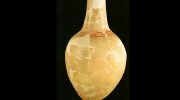
Production methods remained relatively unchanged from antiquity through the modern era. Fermentation traditionally occurred in pithari, large clay pots holding 500 to 600 liters that were half-buried below village houses. This tradition still survives in some locations today. The fermentation foam was continuously skimmed off to eliminate active yeast and unwanted bacteria, which arrested fermentation prematurely and naturally preserved high residual sweetness.
Changes Through History and Modern Revival
Peak production during the 16th century reached levels comparable to modern New Zealand wine output. Large quantities were exported to Constantinople, Syria, Egypt, and across Europe. Cyprus remained phylloxera-free and filled desperate European markets devastated by the pest in the late 19th century.
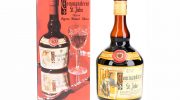
First fortified in the early 20th century, Commandaria’s sweet oxidative style was transformed into what officially became Cypriot Sherry by 1937. This offshoot proved massively successful globally until becoming unfashionable in the 1980s. The sherry transformation represented a significant departure from traditional production methods.
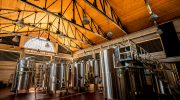
Four large wine companies, KEO, ETKO, LOEL, and SODAP, dominated production through most of the 20th century. Major changes occurred with village-sourced wines blended into massive 10,000-liter wooden or concrete tanks, then stainless steel. The 1990 rule shift to smaller French and American barrels produced radically different wines compared to fermentation and maturation in clay pots. Barrels add woody aromas, flavors, and tannins, whereas clay pots enable more grape purity.

Small independent producers emerged in the late 1990s. The Karseras Family Winery, established in 1998, became one of the first family producers to bottle under their own name. Approximately 54 small producers now work in Cyprus, creating a wine renaissance. Modern wineries including Oenou Yi, Tsiakas, and Kyperounda produce high-quality Commandaria. A movement exists to allow production in traditional pithari, though current regulations do not permit this.
Commandaria in Contemporary Cyprus
The Cyprus Government recognizes the wine’s cultural importance and provides subsidies for its production. Annual wine competitions organized by the Ministry of Agriculture, Rural Development, and Environment have occurred for over 12 years. The emphasis is on sustainable methods and PDO certification ensuring quality over quantity. Authorities search for abandoned vineyards and replant them to continue production.

Wine styles range from fresher fruit-driven expressions showing dried apricots, figs, and orange zest to complex oxidatively-aged wines with dried fruit, marmalade, roasted nuts, caramel, coffee, and dark chocolate characteristics. Non-fortified versions at 14 to 14.5 percent alcohol often demonstrate more harmony, counterbalancing succulence against high sugars.
Commandaria maintains protected designation of origin within the European Union, United States, and Canada. Production volumes show a generally increasing trend. Much of the output targets export markets, continuing the centuries-old tradition of international distribution. The wine pairs well with blue cheese, pâté, and desserts, not just sweet courses.
Visiting the Commandaria Region
The 14 designated villages, Agios Georgios, Agios Konstantinos, Agios Mamas, Agios Pavlos, Apsiou, Doros, Gerasa, Kalo Chorio, Kapileio, Laneia, Louvaras, Monagri, Silikou, and Zoopigi, lie on the south-facing slopes of the Troodos Mountains. Visitors can tour small family wineries where producers still maintain traditional methods. The Karseras and Revecca micro-wineries offer intimate experiences showing the entire production process from grape to bottle.
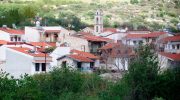
Village wineries preserve larger disused communal facilities containing dozens of pithari surrounding massive wooden presses. These historic structures demonstrate how finished wines were prepared before transport to Limassol harbor-side warehouses for export. Some producers offer vertical tastings of multiple vintages, showing how Commandaria develops over years and decades.
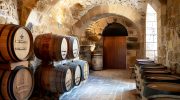
Limassol, commonly recognized as the wine capital of Cyprus, hosts an annual Wine Festival each September in the Municipal Garden. The event celebrates the island’s winemaking heritage and offers opportunities to taste Commandaria alongside other Cypriot wines. Tours often include stops at Kolossi Castle, the former Knights Templar headquarters where large-scale Commandaria production began during the medieval period.
Why Commandaria Matters to Cyprus
Commandaria represents an unbroken link to ancient Mediterranean civilization spanning nearly 3,000 years of documented production. No other wine can claim such continuous heritage. The wine embodies Cyprus identity as a crossroads of cultures where crusaders, merchants, pilgrims, and conquerors encountered and valued local traditions.
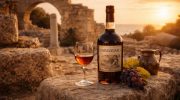
The designation of origin protects traditional methods, indigenous grape varieties, and geographic authenticity. This preservation ensures that winemaking knowledge passes from generation to generation. Young producers return to villages to revive family traditions, creating economic opportunities in rural mountain communities.
Commandaria demonstrates how Cyprus successfully balances tradition with innovation. Producers experiment with unfortified versions, clay pot fermentation, and minimal intervention techniques while respecting historic methods. The wine connects modern Cyprus to its Byzantine, Frankish, Venetian, Ottoman, and British past.