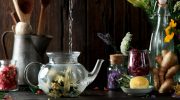
Cyprus has preserved a rich tradition of natural healing that stretches back thousands of years. The island’s unique position in the Mediterranean has made it a crossroads of herbal knowledge, where Greek, Roman, Byzantine, and Middle Eastern practices merged into a distinctive approach to wellness. Traditional Cypriot remedies center on three main categories: herbal teas, therapeutic oils, and natural syrups. These remedies were not luxury items but essential household staples, passed down through generations as grandmother’s wisdom, and they remain relevant in contemporary Cypriot life.
Historical Context
The practice of herbal medicine in Cyprus dates back to ancient times. Local healers used frankincense, myrrh, olive oil, and bitter herbs to treat common ailments. Ancient Greek physician Hippocrates recognized the healing properties of many plants that grew wild on the island. During the Byzantine period, traditional medicine became firmly established, and families developed their own recipes for treating everything from colds to digestive problems.
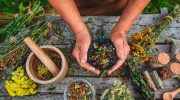
The island’s climate and soil proved ideal for cultivating medicinal plants. Families would harvest herbs from their gardens or venture into the mountains to collect wild plants. Each village developed its own specialties based on what grew locally. This knowledge was carefully preserved, with mothers teaching daughters the proper times to harvest, how to dry herbs correctly, and which combinations worked best for specific ailments.
Mountain Tea and Other Healing Brews
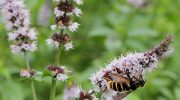
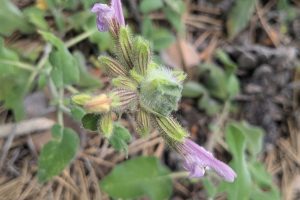
Mountain tea, known locally as sideritis, holds a special place in Cypriot herbal tradition. The name derives from the Greek word for iron, and shepherds would brew this tea from wild plants while tending their flocks on rocky hillsides. The dried flowers and stems make a tea that supports the immune system, soothes respiratory issues, and aids digestion. Cypriots traditionally drink mountain tea to prevent colds during winter months.
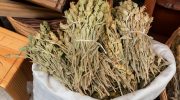
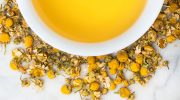
Chamomile tea appears frequently in Cypriot households, particularly for evening consumption. This flower relieves anxiety and promotes sleep, but it also helps with digestive issues, menstrual pain, and even puffy eyes when applied as a compress. Anise tea treats sore throats and coughs effectively, while also calming stomach problems. The seeds create a strong liquorice flavor that many Cypriots associate with childhood remedies.
Oregano and thyme teas serve as powerful winter remedies. Both herbs contain compounds that fight infections, clear mucus, and soothe coughs. Traditional families keep these dried herbs ready for the first signs of chest congestion or flu symptoms. Sage tea, made from the Cypriot variety of this herb, works as a tonic for the nervous system and helps manage fever. Rosemary tea stimulates circulation and clears mental fog on cold days.
Olive Oil as Medicine and Protection
Olive oil has served Cyprus for more than just cooking. Ancient Cypriots used bandages soaked in olive oil to treat wounds and burns, a practice that modern medicine has validated due to olive oil’s natural antibacterial properties. Women applied fresh oil to their skin to prevent wrinkles and strengthen hair. The compound oleuropein, found in olives and olive oil, acts as a powerful antioxidant that supports the immune system.
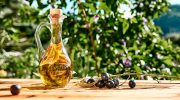
Cyprus produces high phenolic olive oil, particularly valued for its medicinal properties. The polyphenols in early harvest extra virgin olive oil support heart health, reduce inflammation, and protect against cellular damage. Traditional Cypriot families keep a small bottle of church-blessed olive oil in their homes, believing it brings protection and healing. Some Cypriots still take a tablespoon of quality olive oil each morning as a health practice.

Modern research has confirmed what traditional healers knew instinctively. Olive oil helps the body absorb vitamins, protects against certain cancers, and may contribute to the longevity observed in Mediterranean populations. The average Cypriot consumes about three liters of olive oil annually, maintaining a connection to this ancient remedy.
Rose Water for Body and Soul
Rose water production in Cyprus centers on the mountain village of Agros, where rosa damascena has been cultivated since the 16th century. The Damask rose was brought to Cyprus from Syria by returning Crusaders, and it found ideal conditions in the Troodos mountains. Villagers collect the roses in early morning hours before the petals drop, then steam-distill them to capture the essence.
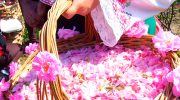
Rose water serves multiple purposes in Cypriot tradition. It flavors desserts like mahalebi and loukoumia, but it also functions as a gentle skin toner with astringent properties. The water soothes inflammation, helps heal minor skin irritations, and provides a pleasant aroma for relaxation. During religious festivals, Cypriots sprinkle rose water on people as a blessing. The tradition of making rose water continues in Agros, where Syrian refugee farmers now help maintain this centuries-old practice.
The Black Gold of Cyprus
Carob syrup earned the nickname “black gold” for the economic value it brought Cyprus. The carob tree thrives in the island’s dry climate, and families have extracted its sweet syrup for centuries. Traditional medicine uses carob syrup to soothe coughs and sore throats, particularly in Malta where this remedy remains popular. The syrup contains D-pinitol, a compound that helps regulate blood sugar levels in people with diabetes.

Carob offers numerous health benefits. It provides high fiber content that aids digestion and helps treat diarrhea, a use documented since ancient times. The syrup contains minerals including calcium, iron, and potassium. Unlike chocolate, carob contains no caffeine, making it suitable for people with high blood pressure or sensitivity to stimulants. Research suggests that regular carob consumption may help lower cholesterol and support heart health.

Cyprus exports carob syrup worldwide, maintaining its reputation for quality. The production process involves extracting natural sugars from the fruit, creating a thick syrup that can replace refined sugar in many recipes. Traditional families use carob syrup as a natural energy source without the blood pressure concerns associated with caffeine.
Interesting Facts About Cypriot Remedies
The word “carat,” used to measure precious stones and gold, derives from carob seeds. Ancient traders used these seeds as standard weights because they maintained remarkably consistent mass. A traditional remedy for mumps involved rubbing santalon, a light stone, on a wet clay pot and spreading the resulting mud on swollen areas. Cypriots historically used heated zinc to produce calamine lotion, the same soothing treatment still used today for skin irritations.

Ancient Cypriot doctors created the “Great Collirio” from local herbs to treat eye conditions, burns, and headaches. The trepanning of skulls, a practice dating to 10,000 BCE, was used in Cyprus to treat epilepsy and severe headaches. Honey, abundant in Cyprus, served as an antibacterial wound treatment, effective because its natural properties draw water from bacteria.
The Significance of These Traditions
Traditional Cypriot remedies represent more than just alternative medicine. They embody a holistic approach to health that considers prevention as important as treatment. These practices connect Cypriots to their land, their history, and their cultural identity. The knowledge of which plants grow where, when to harvest them, and how to prepare them creates a living link between generations.

Cyprus’s traditional remedies offer lessons in sustainability and self-sufficiency. The plants used grow naturally in the Mediterranean climate, requiring minimal intervention. This approach to wellness reduces dependence on imported pharmaceuticals for common ailments while supporting local farmers and traditional knowledge keepers. As interest in natural health continues growing worldwide, Cyprus provides a working model of how traditional practices can coexist with modern life.