
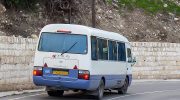
Rural buses connect most villages to their nearest town, but service frequency remains minimal. Routes typically operate one to three times daily, with some villages receiving just two departures on weekdays and no service on Sundays. This sparse schedule forces residents to plan their entire day around fixed bus times.
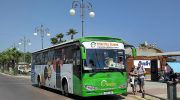
The Troodos mountain region demonstrates these limitations clearly. Route 64 from Limassol to Troodos Square departs once daily in the morning and returns in the late afternoon. This single round trip provides enough time for a tourist visit but cannot support regular commuting or flexible daily activities for residents.
Villages between major cities often receive even less attention. Small communities along the Nicosia to Limassol corridor might see buses pass through, but dedicated rural routes serving these areas run infrequently. Residents needing to reach hospitals, government offices, or shopping centers in larger towns must own vehicles or rely on expensive taxis.
Mountain villages present additional challenges. Winter weather can disrupt schedules, and narrow winding roads mean longer journey times. A trip that takes 30 minutes by car might require over an hour by bus due to multiple stops and indirect routing through several villages.
- How Distance Between Services Creates Dependency
- Essential Activities That Demand Car Ownership
- Why Mountain Villages Face Worse Isolation
- How This Creates Environmental and Traffic Challenges
- Potential Solutions and Their Practical Limits
- Why Change Remains Difficult Despite Awareness
- The Path Forward for Rural Mobility
How Distance Between Services Creates Dependency
Cyprus recorded 647 passenger vehicles per 1,000 residents in 2023, ranking fourth highest in the European Union. This figure far exceeds the EU average of 550 cars per 1,000 inhabitants. Between 2012 and 2022, the motorization rate grew 19.9 percent, rising from 549 to 658 cars per 1,000 people.
Rural areas drive these statistics significantly. While urban residents might manage with buses for work commutes, rural villagers require cars for nearly every activity. Healthcare appointments, children’s school events, grocery shopping, and social visits all necessitate personal transport when buses run only twice daily.
The dispersed population creates additional pressure. Villages in Cyprus range from a few hundred to several thousand residents. This low density makes frequent bus service economically unviable, as routes would run mostly empty throughout the day. The cost per passenger becomes prohibitive for operators, perpetuating the limited schedule.
Geographic spread compounds the problem. A single rural bus route might cover 15 to 20 kilometers and serve six or seven villages. The journey time for the entire circuit can exceed 90 minutes, making buses impractical for short trips between neighboring communities. Residents instead drive five minutes rather than wait hours for an indirect bus connection.
Essential Activities That Demand Car Ownership
Healthcare access requires reliable transport that rural buses cannot provide. District hospitals sit in major cities, and medical appointments rarely align with the two or three daily bus departures. Emergency situations make car ownership essential, as ambulance response times to remote villages can stretch beyond acceptable limits for non-critical cases.

Education creates similar demands. While villages have primary schools, secondary education concentrates in towns. Parents driving children to school, extracurricular activities, and social events account for substantial daily vehicle use. School bus services exist but cover only specific routes at fixed times, leaving gaps for after-school programs and sports.
Why Mountain Villages Face Worse Isolation
The Troodos mountain range contains dozens of traditional villages with limited transport access. Route 64 from Limassol serves Platres and reaches Troodos Square, but many other mountain communities receive minimal service. Villages like Kakopetria, Pedoulas, and Kalopanayiotis see tourists arrive by rental car or tour bus, not public transport.
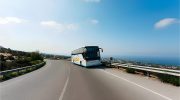
Winter conditions worsen isolation. Snow occasionally closes mountain roads, and when buses do operate, they take significantly longer due to cautious driving on winding routes. Residents without vehicles can find themselves cut off for days when weather prevents the few scheduled services from running.
Altitude creates temperature differences that extend the winter period. While coastal areas enjoy mild weather year-round, mountains experience genuine cold requiring heating fuel, winter clothing, and specialized supplies. Transporting these items by bus becomes impractical, necessitating vehicle ownership for seasonal preparation.
How This Creates Environmental and Traffic Challenges
High car dependency contributes to Cyprus’s carbon footprint and traffic congestion problems. Cities like Nicosia and Limassol face rush hour gridlock partly because rural commuters arrive by car. Park and ride systems remain underdeveloped, offering little incentive for multi-modal journeys combining cars and public transport.
Air quality in urban areas suffers from vehicle emissions. While individual trips may seem necessary, the cumulative effect of hundreds of thousands of cars creates pollution levels that affect public health. Rural residents driving to cities contribute to this problem but have few practical alternatives given current infrastructure.
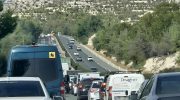
Road maintenance costs rise with high vehicle use. Rural roads serving small populations still require upkeep, and the preference for cars over buses means infrastructure must support heavier traffic volumes. Public spending on roads diverts resources from potential public transport improvements, perpetuating the cycle of car dependency.
Parking demand strains urban infrastructure. Rural commuters need parking in city centers, competing with urban residents and tourists for limited spaces. This competition drives parking costs up and creates frustration that might encourage public transport use if adequate alternatives existed.
Potential Solutions and Their Practical Limits
Increasing rural bus frequency would help but requires substantial subsidies. Operating buses every hour instead of twice daily means running mostly empty vehicles for much of the day. Governments must decide if serving rural mobility justifies the per-passenger cost, which far exceeds urban route economics.
Demand-responsive transport offers one alternative. Small minibuses operating on flexible routes based on advance bookings could serve rural areas more efficiently than fixed schedules. Some European regions successfully implement such systems, though they still cost more than conventional urban bus networks.
Shared community transport schemes exist in some villages, where residents organize carpools and volunteer driver programs. These grassroots solutions help but cannot replace comprehensive public transport. They depend on volunteer effort and work best for predictable trips like market days rather than daily diverse needs.
Electric vehicle adoption could reduce environmental impacts without addressing the fundamental car dependency. Cyprus’s low electric vehicle uptake, just 0.3 percent of the passenger fleet in 2023, reflects high purchase prices and limited charging infrastructure. Rural areas have even fewer charging stations than cities, creating range anxiety for potential buyers.
Why Change Remains Difficult Despite Awareness
Government planning recognizes the transportation challenges but faces fiscal constraints. Comprehensive rural bus networks require ongoing operational subsidies that compete with healthcare, education, and infrastructure budgets. Political will exists to improve service, but implementation costs remain prohibitive given current ridership levels.
Population trends complicate solutions. Young people often leave villages for urban opportunities, aging the rural population. This demographic shift reduces the potential ridership base for improved services while increasing the proportion of residents who may eventually lose the ability to drive safely.

Geographic realities resist change. Cyprus’s mountainous terrain and dispersed villages mean any comprehensive public transport system faces inherent inefficiencies. The same factors that make the island beautiful for tourists create stubborn obstacles for mobility planners trying to serve small populations across difficult topography.
The chicken-and-egg nature of the problem persists. Low bus frequency drives car ownership, but high car ownership makes improved bus service appear unnecessary. Breaking this cycle requires significant initial investment in services that may take years to attract meaningful ridership, a risk that transportation planners find difficult to justify.
The Path Forward for Rural Mobility
Rural Cyprus will likely maintain high car dependency for the foreseeable future. The combination of geographic, economic, and cultural factors creates conditions where personal vehicles remain the practical choice for most residents. Incremental improvements to bus service can help at the margins but cannot fundamentally change the transportation landscape.
Future solutions might blend traditional and innovative approaches. Some villages could benefit from enhanced weekend and evening bus service to support social activities, even if daily commuting remains car-based. Demand-responsive services might work for healthcare trips and other predictable high-value journeys

Digital tools could optimize what limited service exists. Better real-time information, online booking for rural taxis, and ride-sharing platforms might increase transport options without massive infrastructure investment. These technologies work best alongside some base level of public service rather than as complete replacements.
The ultimate reality remains unchanged. Rural areas in Cyprus rely on private vehicles because alternatives prove inadequate for the diverse, flexible mobility needs of village life. Unless fundamental changes occur in population distribution, employment patterns, or transport economics, this dependency will persist. Understanding these constraints helps explain both the current situation and the limits of potential solutions.