3 minutes read See on map

The Temple of Zeus Salaminios was one of the most important religious monuments of ancient Salamis. Dedicated to Zeus as the supreme god of the Olympian pantheon, it symbolised the city’s Greek identity, political authority, and connection to divine protection.

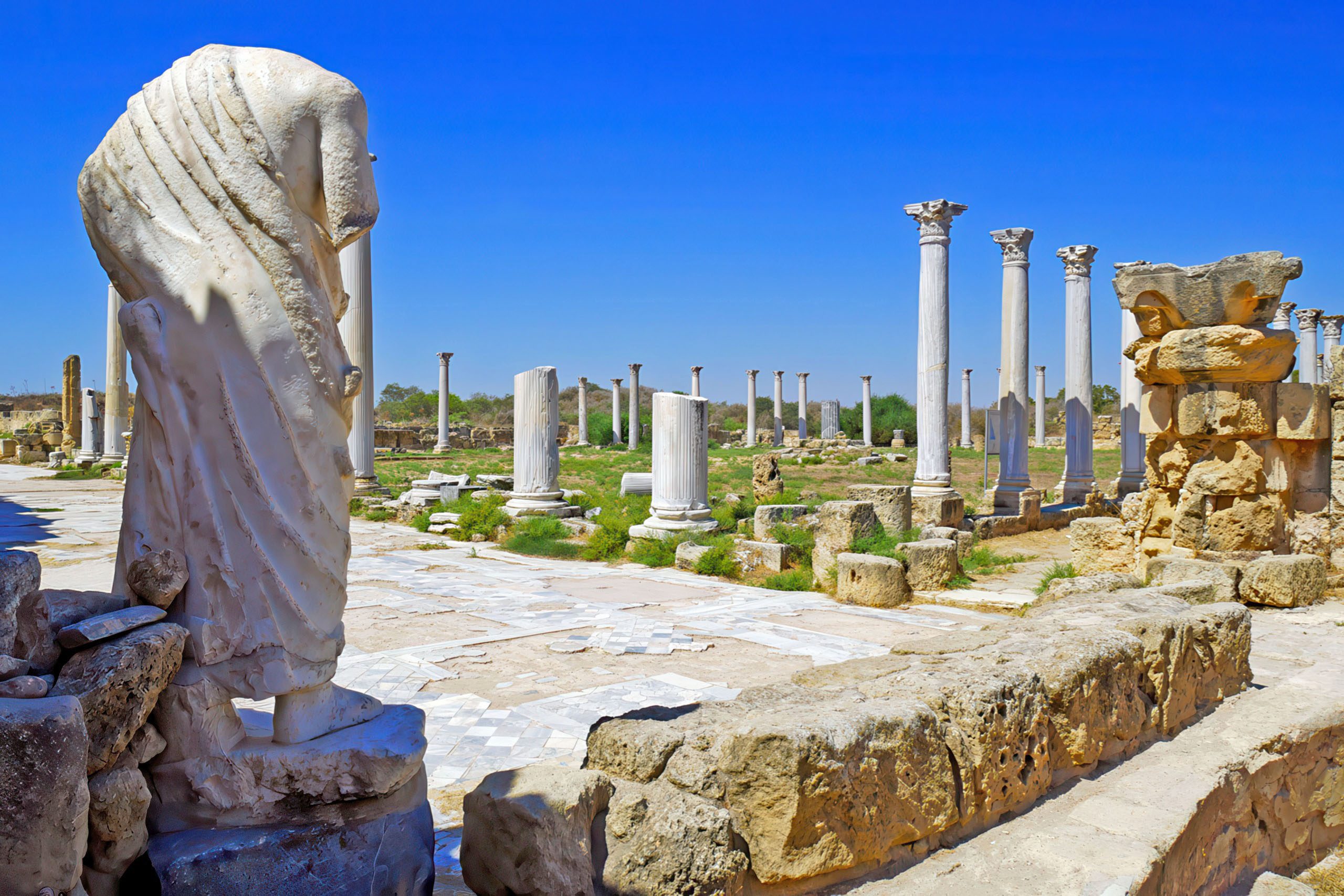
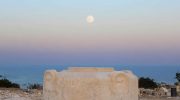
dreamstime-com

Through this temple, Salamis expressed its place within the wider Greek world while affirming its own power and prestige.

A Temple at the Heart of Salamis

The Temple of Zeus Salaminios stood within the great city of Salamis on the eastern coast of Cyprus. As one of the island’s largest and wealthiest cities, Salamis required a religious centre that matched its status.

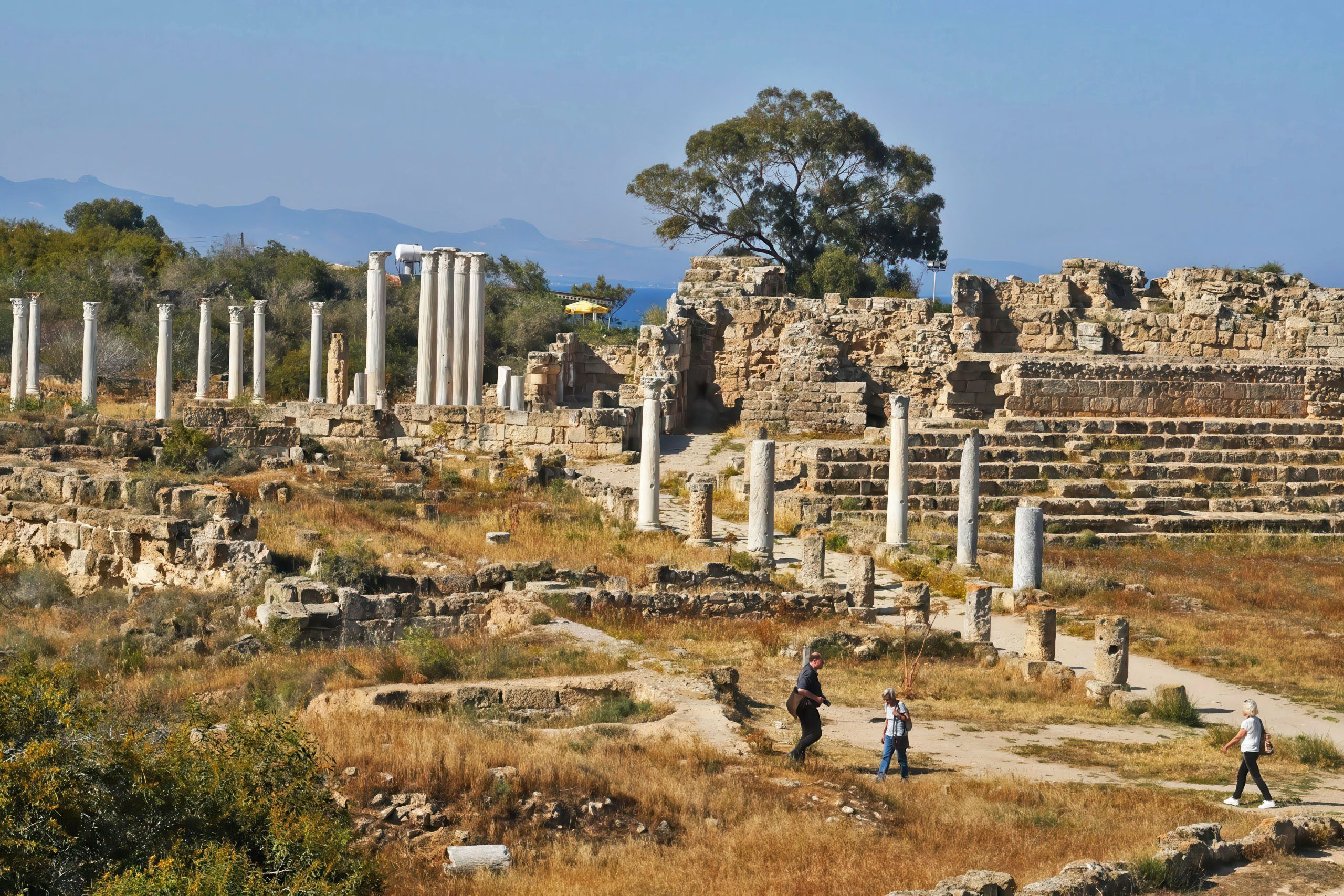
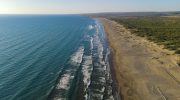
vici-org

The choice of Zeus was deliberate. As ruler of gods and men, Zeus represented order, authority, and legitimacy. Worshipping him in monumental form reinforced Salamis’s role as a leading city with strong ties to Greek tradition and values.

Zeus as Guardian of the City

Zeus Salaminios was not a distant or abstract god. He was believed to actively protect the city, its people, and its rulers. His cult emphasised stability, justice, and continuity, qualities essential for a powerful urban centre.

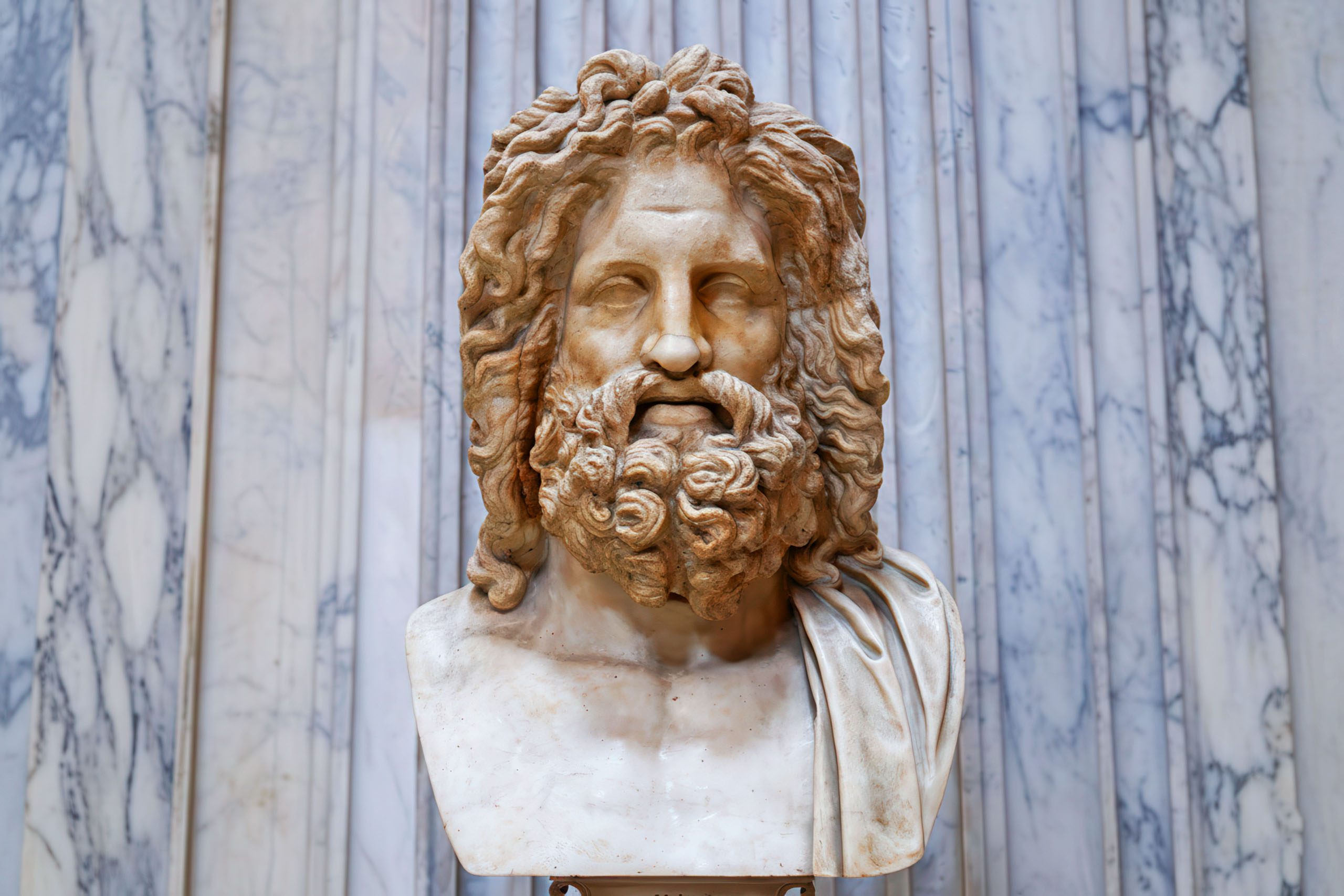
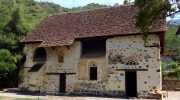
wikipedia-org

Rulers and elites used the sanctuary to demonstrate their devotion and to associate their authority with divine approval. Public ceremonies held at the temple reinforced the idea that Salamis thrived under Zeus’s watchful presence.

From Early Cult to Monumental Temple

The worship of Zeus at Salamis likely began long before the construction of the monumental temple. Early cult practices probably took place in simpler settings, gradually evolving as the city grew in wealth and influence.
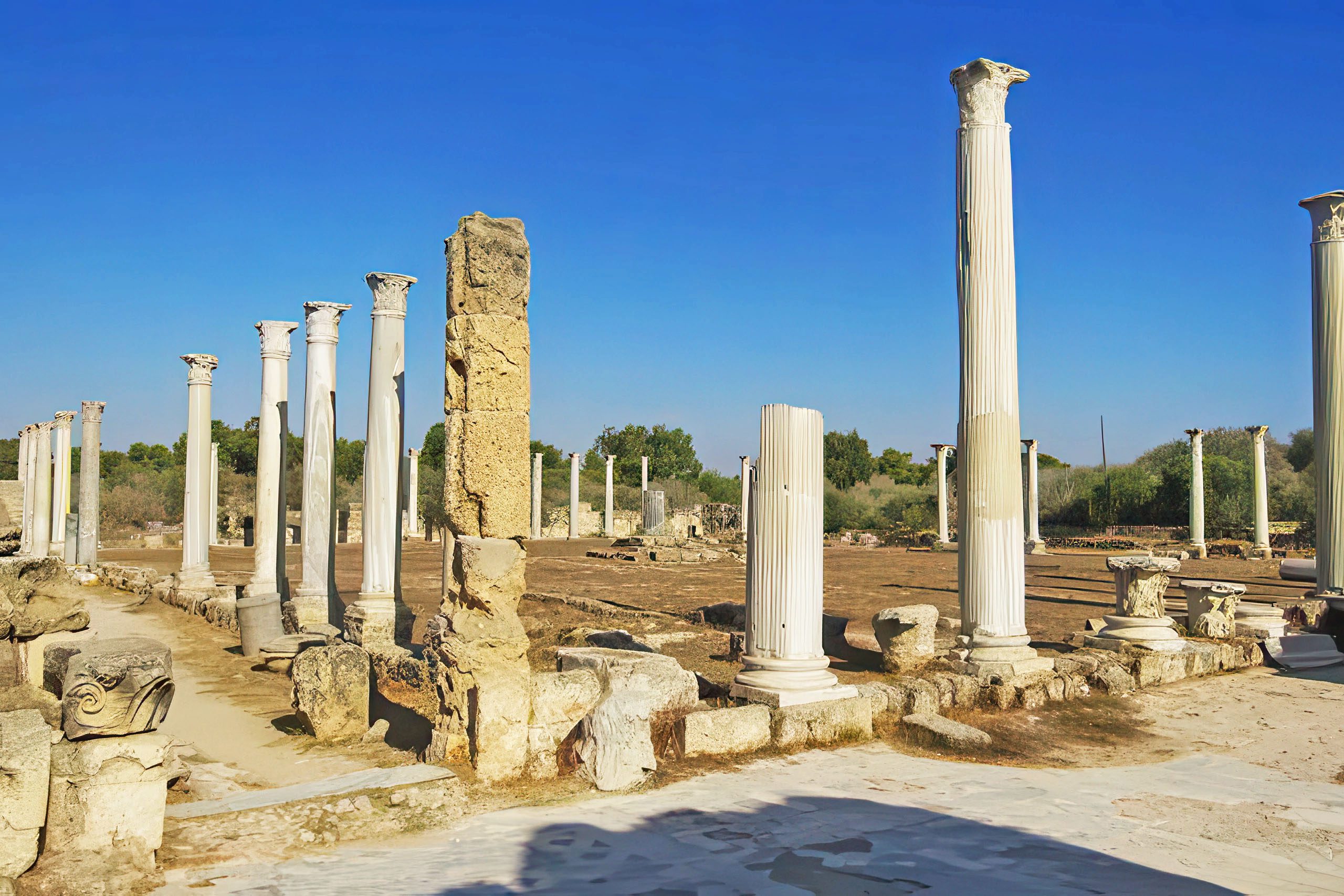
crazyfamilyontheroad-com

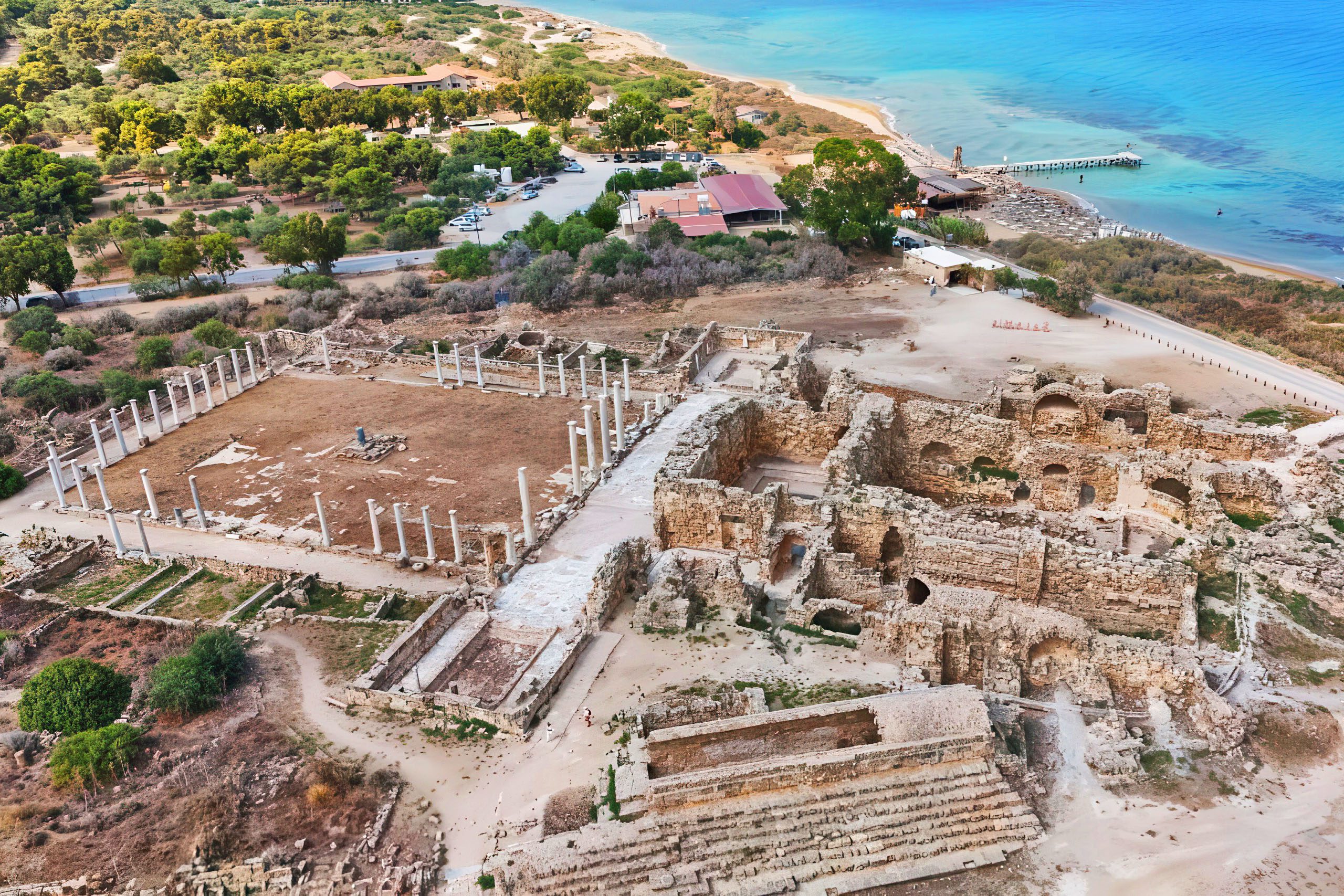
During the Hellenistic and Roman periods, the sanctuary was transformed into an imposing architectural complex. Large columns, spacious courtyards, and carefully planned approaches created a setting designed to inspire awe and respect among worshippers and visitors alike.

Ritual, Power, and Public Life

The temple was not only a religious space but also a stage for public life. Festivals, sacrifices, and official gatherings brought citizens together, strengthening communal identity and loyalty to the city.

By honouring Zeus in such a prominent way, Salamis aligned itself with the religious and cultural norms of the Greek world. The temple became a symbol of belonging, linking the city to mainland Greece and other Hellenised regions of the Mediterranean.

Decline and Silence

As Christianity spread across the eastern Mediterranean, traditional pagan worship declined. The Temple of Zeus Salaminios eventually lost its religious role and fell into disuse.

ancientcyprus-com

Earthquakes, rebuilding, and the passage of time reduced the once-grand structure to ruins. Yet even in its broken state, the scale of the remains reflects the former importance of the sanctuary and the ambitions of the city that built it.

Encountering the Site Today

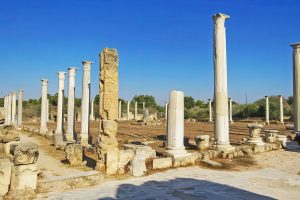
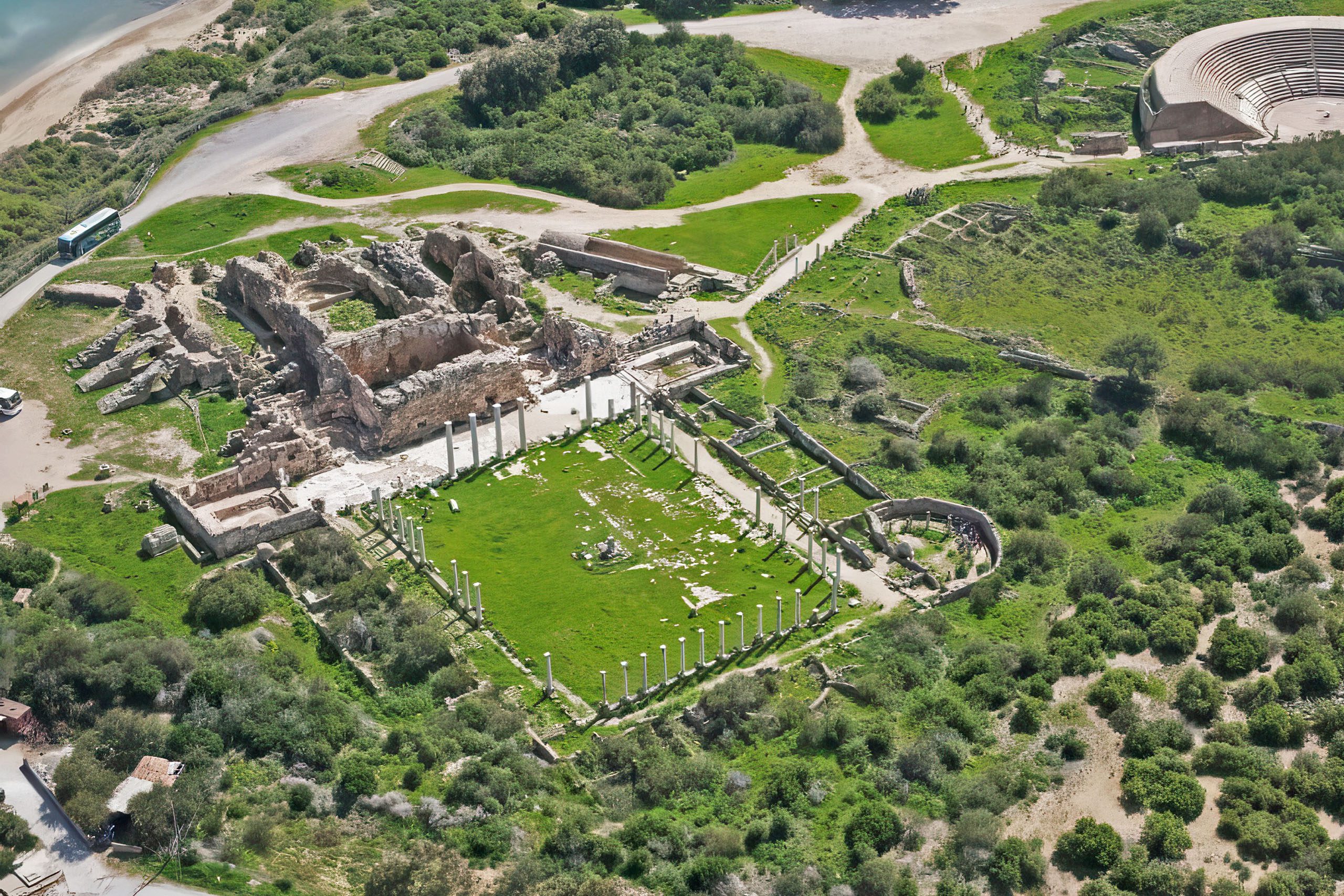
Today, the remains of the Temple of Zeus Salaminios can be explored within the archaeological site of Salamis. Foundations, columns, and scattered stone blocks hint at the grandeur that once defined the sanctuary.
myguidecyprus-com

Walking through the area allows visitors to imagine the ceremonies, crowds, and processions that once filled the space, placing the ruins within the broader story of ancient Cypriot and Greek civilisation.

Why the Temple Still Matters

The Temple of Zeus Salaminios stands as a powerful reminder of how religion, politics, and identity were deeply intertwined in the ancient world. Through this sanctuary, Salamis declared who it was, where it belonged, and which values it upheld.

Understanding this temple helps explain how Cyprus balanced local traditions with Greek cultural identity. It remains an enduring symbol of the island’s role as a bridge between worlds, shaped by belief, power, and history.

Discover more about the fascinating edges of Cyprus

Ancient Fertility Rites of Cyprus

Ancient Fertility Rites of Cyprus

Cyprus holds a unique position in the history of fertility worship in the Mediterranean world. Archaeological evidence shows that a cult of female fertility developed intensively around 3000 BC in the Paphos region, with limestone and clay figurines representing birth-giving women in cruciform shapes.  These early statuettes, ranging from 2 to 40 centimeters high, predate the famous Cycladic idols and center on protection during childbirth, crucial in societies where infant mortality ran high. This ancient worship eventually evolved into the cult of Aphrodite, the Greek goddess of love, beauty, and fertility, who became inseparably linked to Cyprus as her mythological birthplace. The Great Sanctuary at Paphos The Sanctuary of Aphrodite at Paphos, located at modern Kouklia, became the main center of worship for the entire Aegean world. The site gained UNESCO World Heritage status in 1980 for its historical and religious significance. According to Pausanias, the worship was introduced to Paphos from Syria, and from Paphos spread to Kythira in Greece. The cult likely had Phoenician origins, with archaeology establishing that Cypriots venerated a fertility goddess before the Greeks arrived and developed a cult combining Aegean and eastern mainland aspects.  The goddess was worshipped in aniconic form, represented by a conical black stone believed to have come from a meteorite. This cult object stood in an open-air sanctuary, differing from…

Read more
Ayia Irini Sanctuary 

Ayia Irini Sanctuary 

Nestled near the northwestern coast of Cyprus, close to Morphou Bay, stands one of the Mediterranean's most important archaeological discoveries.  Ayia Irini was a sacred sanctuary that served the people of ancient Cyprus for over a thousand years, from 1200 B.C. until around 500 B.C. The site became famous after excavations revealed thousands of terracotta statues left as offerings to the gods.   Today, it remains a testament to how people in ancient Cyprus expressed their religious beliefs through art and ritual. The sanctuary's discovery transformed our understanding of Cypriot religion and culture during the Iron Age, making it one of the most studied sacred sites of the ancient Mediterranean. From Bronze Age Shrine to Iron Age Center of Devotion The sanctuary's history began in the Late Bronze Age around 1200 B.C. and continued until the end of the Cypro-Archaic period. The site underwent significant transformations throughout its long existence.  Originally, it consisted of rectangular houses built with mud brick walls on stone foundations. These buildings were arranged around a large open court, with some structures serving as living spaces and storerooms for the priests, while others were dedicated to religious ceremonies. The sanctuary was flooded multiple times, and at the beginning of Cypro-Archaic II, it was covered with layers of sand and gravel. Rather than abandon the site, the community…

Read more
Sacred Groves of Ancient Cyprus

Sacred Groves of Ancient Cyprus

In ancient Mediterranean belief systems, the natural world was not viewed as separate from the divine but as one of its primary expressions. Mountains, springs, caves, and especially groves of trees were often regarded as places where divine presence could be felt most directly. In Cyprus, this understanding took a distinctive form through the preservation and veneration of sacred groves. These spaces were not heavily built environments but living landscapes set apart from ordinary use. They represented an early form of ecological sacredness, where nature itself functioned as a sanctuary and the boundary between human and divine realms was marked by respect rather than construction. Sacred groves on the island reflect a worldview in which divinity resided in the rhythms of growth, fertility, and renewal. Trees symbolized endurance and life cycles, making wooded areas especially suitable for ritual activity connected to fertility, seasonal change, and divine blessing. By leaving these areas relatively untouched, communities expressed reverence not only for the gods but also for the natural environment believed to host them. This practice linked spiritual devotion with environmental awareness in a way that modern perspectives often describe as sacred ecology. The Grove as a Form of Sanctuary Unlike monumental temples that defined sacred space through architecture, groves created sacredness through preservation. A boundary—sometimes marked by stones, walls, or natural features—separated…

Read more