Explore Cyprus with Our Interactive Map

Explore our top stories and discover ideas worth your time.

Traditional Cypriot Cuisine

Traditional Cypriot Cuisine

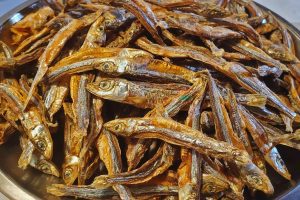
Cypriot cuisine developed at the crossroads of Greek, Turkish, Middle Eastern, and Levantine culinary traditions. The island's fertile red soil, Mediterranean climate, and proximity to three continents created a food culture that combines fresh local produce with flavors from distant trading partners. Cyprus has more than 300 days of sunshine annually, producing vegetables, fruits, and herbs that burst with intensity. The cuisine prioritizes simple preparation methods, seasonal ingredients, and shared eating experiences over complex techniques. Olive oil, fresh herbs, charcoal grilling, and slow cooking define the core approach. What separates Cypriot food from neighboring Greek cuisine is the stronger Middle Eastern and Turkish accent, visible in dishes using tahini, bulgur, and caul fat that you rarely encounter on mainland Greek menus. Halloumi earns protected status worldwide Halloumi stands as Cyprus's most recognizable culinary export and the island's unofficial symbol. The European Union granted halloumi Protected Designation of Origin status in 2021 under the names Halloumi and Hellim, legally confirming it can only be produced in Cyprus using traditional methods. Made from sheep's and goat's milk with small percentages of cow's milk now also permitted, halloumi is brined and set with rennet. Its unusually high melting point makes it ideal for grilling or frying until golden and crispy on the outside while remaining firm within. Fresh halloumi has a squeaky texture…

Read more
Pafos Aphrodite Festival

Pafos Aphrodite Festival

Each September, the ancient harbor of Pafos becomes something rare: a place where opera, history, and landscape converge without competing for attention. The Pafos Aphrodite Festival transforms the space in front of a medieval castle into an open-air opera stage, offering full productions in a setting shaped by sea air, stone walls, and night sky. What makes the festival distinctive is not only its musical ambition, but how naturally it belongs to its surroundings. When Opera Leaves the Opera House The Pafos Aphrodite Festival is Cyprus’s leading international opera event, held annually in late August or early September in the coastal city of Pafos. Performances take place outdoors, directly in front of Pafos Medieval Castle, using the historic harbor as both venue and atmosphere. Rather than recreating the formality of a traditional opera house, the festival embraces openness. Music is performed under the sky, with the sea close by and the castle standing as a silent witness. The experience feels ceremonial, but not enclosed, allowing opera to exist in dialogue with place rather than behind walls. A Cultural Decision, Not an Accident The festival was established in 1998, with its first performance staged in 1999. Its creation was a deliberate attempt to reposition Pafos as more than a seasonal beach destination. Local cultural institutions and authorities sought a flagship event…

Read more
Sanctuary of Apollo at Vouni

Sanctuary of Apollo at Vouni

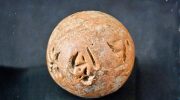
The Sanctuary of Apollo at Vouni embodies the fusion of religious devotion and political authority in ancient Cyprus, where the god of light, prophecy, and healing was venerated within the walls of a grand palace built by a pro-Persian ruler. Located on a hilltop in northwestern Cyprus near the ancient city of Soli, this site dates to the 5th century BC and highlights the island's strategic role in the Persian Empire's influence over the Mediterranean. As part of the Vouni Palace complex, the sanctuary served not only as a spiritual center but also as a symbol of the pro-Persian administration's power, blending local Cypriot traditions with Achaemenid and Hellenic elements. Dedicated to Apollo, the sanctuary facilitated rituals that reinforced loyalty to the Persian-backed king, integrating worship into daily political life. This site underscores Cyprus's position as a cultural crossroads, where religion legitimized rule, and its ruins today offer insights into how faith and governance intertwined in a pro-Persian context, amid the island's turbulent history of Greek and Persian rivalries. https://www.youtube.com/watch?v=Uh_6ywWkWSY A Religious Site in the Palace Complex The Sanctuary of Apollo occupied the highest terrace of the Vouni Palace, a fortified hilltop complex overlooking the sea and the ancient city of Soli, providing both defensive advantages and symbolic elevation for divine worship. Spanning a rocky area on the southern extremity,…

Read more