Explore Cyprus with Our Interactive Map

Explore our top stories and discover ideas worth your time.

Cyprus Traditional Dance Competitions

Cyprus Traditional Dance Competitions

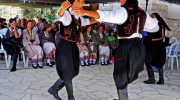
Traditional dance competitions in Cyprus are not performances staged for spectacle alone. They are structured moments where history, regional identity, and communal memory are actively tested and refined. Across village squares, coastal towns, and formal festival stages, dancers are judged not only on technique but on how faithfully they carry movements shaped by centuries of Cypriot life. What emerges is not nostalgia, but discipline. Not a postcard version of tradition, but a living standard that Cyprus expects its dancers to meet. More Than Dance: Why Competition Matters in Cyprus In Cyprus, dance has never been separate from daily life. For generations, it accompanied weddings, harvests, religious festivals, and seasonal gatherings. Competition emerged naturally from this environment, not as rivalry for its own sake, but as a way of recognising skill, confidence, and social standing. wordpress-com Modern competitions continue that older logic. They exist to ensure that dances are not diluted by convenience or modern taste. Judges evaluate how well performers understand structure, rhythm, posture, and cultural intent. Winning matters, of course, but correctness matters more. To dance well in Cyprus is to show that you know where the movement comes from and why it exists. A Shared Language with Regional Accents Cypriot folk dance operates on two levels at once. There is an island-wide vocabulary of steps and formations that…

Read more

Why Retirement in Cyprus Popular Among Europeans

Why Retirement in Cyprus Popular Among Europeans

Cyprus has emerged as one of Europe's top retirement destinations, attracting thousands of retirees annually with its combination of Mediterranean climate, favorable tax treatment, and accessible healthcare. -cyprus-mail-com The island offers multiple pathways to residency for retirees from EU and non-EU countries, with costs and requirements that make long-term settlement achievable for many pensioners. Understanding why Europeans choose Cyprus for retirement reveals practical advantages that extend beyond the obvious appeal of year-round sunshine. The Tax Advantage That Changes Everything Cyprus offers one of Europe's most attractive tax regimes for foreign pension income. Tax-resident retirees can choose between two taxation methods for their foreign pensions. The first option applies a flat 5% tax rate on pension income exceeding €5,000 annually, with amounts below this threshold remaining exempt. The second option taxes pension income at progressive rates ranging from 20% to 35% based on total earnings. Most retirees select the 5% flat rate, which dramatically reduces tax burdens compared to home countries. A British retiree paying 40% tax in the UK who moves to Cyprus immediately cuts their pension tax to just 5% on amounts over €5,000. This difference adds thousands of euros to annual retirement income without any change to the pension itself. shutterstock-com. Cyprus maintains double taxation agreements with 67 countries including the UK, United States, Germany, France, and most…

Read more
Cyprus Kleftiko Dish

Cyprus Kleftiko Dish

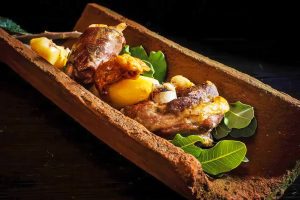
Kleftiko is one of the most recognisable dishes in Cyprus, yet its importance has little to do with flavour alone. This slow-cooked lamb, sealed away from air and fire, tells a story of survival, patience, and rural ingenuity. themediterraneandish-com More than a recipe, Kleftiko reflects how Cypriots adapted to hardship and turned necessity into tradition. Understanding it means understanding why time, restraint, and shared meals still matter deeply on the island. A Dish Built on Secrecy and Time At its core, Kleftiko is lamb or goat cooked slowly in a sealed environment. The defining feature is not the meat itself, but the method. By trapping steam and heat, the meat softens gradually, breaking down until it can be pulled apart with little effort. This approach was developed for practical reasons. Cooking openly created smoke and scent that could travel far. Sealing the meat allowed it to cook invisibly, protected from wind, flame, and unwanted attention. Over hours, sometimes an entire day, the process transformed tough cuts into something rich and deeply aromatic. Kleftiko’s slowness is not incidental. It is the point. Time is the primary ingredient, and patience is the main technique. Why It Is Called Kleftiko The name Kleftiko comes from the Greek word kleftis, meaning “thief.” During periods of Ottoman rule, groups of mountain fighters and shepherds relied…

Read more