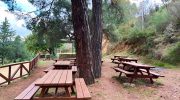
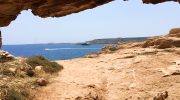
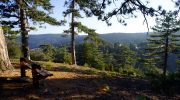
The Prodromos to Zoumi trail sits high within the Troodos mountain range of Cyprus. This path offers a quiet escape for those who seek the crisp air of the pine forests. It connects two distinct points in a region known for its natural beauty and cool summer climate.
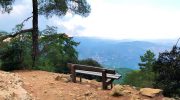
The route follows a gentle course through dense vegetation and over rocky outcrops. Hikers often find peace among the ancient trees and the local flora. Every step reveals a new view of the valley below or the peaks above. This journey provides a deep look at the mountainous heart of the island.
Many visitors choose this trek for its accessibility and its scenic rewards. It serves as a perfect introduction to the high elevation landscapes of Cyprus. The trail remains a favorite for people who appreciate the silence of the woods. It stands as a vital link in the network of mountain paths.
Trail Overview
- Location: Troodos Mountains, Cyprus
- Distance: 3.1 miles (5.0 km)
- Route Type: Point-to-Point
- Difficulty: Easy
- Elevation Gain: 330 feet (100 meters)
- Duration: 1.5 – 2 hours
- Best Time to Visit: April–November
- Terrain: Forest Floor and Dirt Track
The Natural Landscape of Prodromos
The village of Prodromos serves as the highest settlement on the island. This altitude creates a unique environment where black pine and juniper thrive. The air feels thin and fresh compared to the humid coastal plains. Massive rock formations of diabase and gabbro form the foundation of this land. These geological features tell a story of oceanic crust that rose from the sea millions of years ago. The path winds through these ancient stones and provides a glimpse into the deep history of the earth.
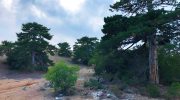
Vegetation here adapts to the harsh winters and the dry summers. Golden oak trees stand strong against the wind while shrubs like cistus carpet the ground. In the spring months, wild orchids and alpine flowers bloom in the shade of the pines. The scent of resin fills the air as the sun warms the needles on the forest floor. This ecosystem supports many endemic species that exist only within the Troodos range. Each turn of the path showcases the resilience of life in a high altitude zone.
Route Details and Navigation
The trek begins near the village center and heads toward the dense woodland. Clear markers guide the way through the initial sections of the track. The gradient remains mostly flat which allows for a steady pace. This makes the walk suitable for families or those who prefer a relaxed stroll. The dirt path stays wide enough for two people to walk side by side in most areas. Occasional benches provide spots to rest and enjoy the mountain silence.
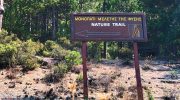
As the route progresses, it follows the contours of the mountain slopes. To the north, views of the Marathasa valley open up through the trees. One can see the terracotta roofs of distant villages nestled in the folds of the hills. The path stays under the canopy for much of the distance. This shade offers protection from the intense Mediterranean sun during the midday hours. The lack of steep climbs ensures that the heart rate stays steady throughout the walk.
Flora and Fauna Observations
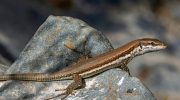
Birdwatchers often frequent this area to spot the rare Cyprus wheatear or the short-toed treecreeper. These birds find shelter in the high branches of the black pines. The forest echoes with their calls during the early morning hours. Small lizards scurry across the rocks to soak up the heat of the day. Mouflon, the shy wild sheep of Cyprus, sometimes roam these heights but they remain hard to see. They prefer the more remote parts of the forest far from the main tracks.
The plant life changes as the path moves from sunny ridges to damp gullies. Ferns grow in the shadows where moisture lingers from the winter snow. Moss covers the north side of the tree trunks and the larger boulders. This variety of life creates a rich tapestry for the observant hiker. The absence of industrial noise allows the sounds of nature to take center stage. Rustling leaves and the wind through the needles create a constant background hum.
Historical Context of the Region
This part of Cyprus has a long history of human presence linked to the copper mines of the past. Ancient tracks once connected the mountain villages to the industrial sites in the foothills. The Prodromos to Zoumi path follows part of these old routes used by locals for centuries. People once traveled these ways on foot or with donkeys to transport goods. Today, the trail serves a more recreational purpose but the sense of history remains.
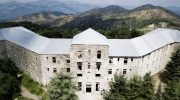
The nearby Berengaria Hotel stands as a monument to the mid-twentieth century glory of the area. It once hosted royalty and wealthy travelers who sought the mountain air. Although it sits in ruins now, it adds a touch of mystery to the landscape. The trail passes near this site and reminds visitors of the changing tides of time. The mountains have seen empires rise and fall while the pines continue to grow. This continuity provides a bridge between the modern world and the ancient past.
Seasonal Changes and Best Conditions
Winter brings a thick blanket of snow to the Troodos peaks. During this time, the trail becomes a winter wonderland suitable for snowshoes. The pines bend under the weight of the white powder and the world turns silent. As the thaw begins in March, small streams form along the side of the path. The rush of water adds a new melody to the forest environment. April and May offer the most vibrant colors as the wild cherry trees bloom in the valleys.
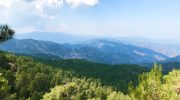
Autumn presents a different palette of colors as the oaks turn brown and orange. The air turns crisp and the visibility improves significantly. On clear days, one can see all the way to the Morphou Bay on the northern coast. The summer months provide a cool refuge from the heat of the city. While the coast swelters in high temperatures, the forest remains pleasant and mild. Each season offers a distinct reason to visit and explore the terrain.
Conservation and Trail Etiquette
The Troodos National Forest Park protects this entire region. This status ensures that the natural beauty remains for future generations to enjoy. Visitors must stay on the marked paths to prevent erosion of the thin mountain soil. It is vital to take all trash back to the village for proper disposal. Fires remain strictly prohibited due to the high risk of forest blazes in the dry months. Respect for the environment keeps the ecosystem healthy and vibrant.
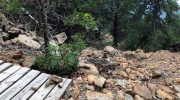
The local forestry department maintains the signs and the surface of the trail. They work to remove fallen trees and clear the brush after winter storms. This effort makes the trek safe and easy to follow for everyone. Hikers should wear sturdy shoes even though the path is not very rugged. Sunscreen and plenty of water are essential items for any mountain excursion. A small backpack can hold these supplies and a light jacket for the cooler shade.
Ending at the Zoumi Area
The trail concludes at the Zoumi picnic site or near the forest station. This area provides a great spot for a final rest before the return journey. Large plane trees offer deep shade and the ground is often covered in soft grass. Many people choose to have a quiet lunch here while they enjoy the surroundings. The sense of accomplishment comes not from a difficult climb but from the connection to the land.
The walk back to Prodromos follows the same path and offers a different perspective on the views. Light hits the hills at a new angle and reveals details missed on the way out. Shadows lengthen as the sun moves across the sky and the forest takes on a golden hue. The return trip feels shorter as the landmarks become familiar. Upon arrival back in the village, the local cafes offer a chance to taste mountain honey or herbal tea. This completes a day spent in the heart of the Cypriot wilderness.