Explore Cyprus with Our Interactive Map

Explore our top stories and discover ideas worth your time.

British Police Stations

British Police Stations

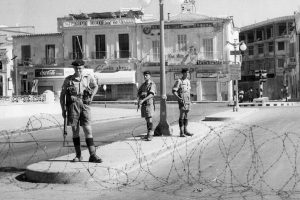
British Police Stations and Administrative Offices in Cyprus represent the architectural and institutional backbone of colonial rule, embodying the empire's strategies for maintaining order, surveillance, and administrative dominance over the island from 1878 to 1960. Constructed during the British administration, these structures blended Victorian functionality with local adaptations, serving as symbols of imperial authority while facilitating the enforcement of laws, collection of intelligence, and governance of a diverse population. Key examples include the Larnaca Police Headquarters, district administrative buildings in Limassol and Famagusta, and central offices in Nicosia, which housed colonial bureaucrats and police forces. These edifices not only projected power through their imposing designs but also became sites of resistance during the Cyprus Emergency, where they were targeted by nationalists seeking independence. Today, many survive as museums, government offices, or repurposed spaces, reminding Cypriots of a era marked by control and contestation, and highlighting the island's transition from colony to republic amid ongoing debates on heritage and identity. A Network of Colonial Control British Police Stations and Administrative Offices formed an extensive network across Cyprus, strategically placed in urban centers and rural districts to ensure surveillance and swift response to unrest. In Nicosia, the colonial secretariat and government house anchored the administrative hub, while police stations in Larnaca, Limassol, Paphos, and Famagusta extended control to coastal and inland areas.…

Read more

Cyprus Corporate Tax System

Cyprus Corporate Tax System

The corporate income tax rate increased from 12.5% to 15% on January 1, 2026. This change aligns Cyprus with the OECD's Pillar Two global minimum tax framework. Parliament approved the comprehensive tax reform package on December 22, 2025, marking the most significant update to the Cyprus tax system in over two decades. Despite the rate increase, Cyprus maintains competitive positioning within the European Union. The 15% rate remains lower than most EU member states. The reform preserved key exemptions and deductions that define the Cyprus tax advantage. Companies earning profits before 2026 can still apply the previous 12.5% rate to retained earnings under specific conditions. Large multinational enterprises with annual revenues exceeding €750 million face additional considerations. These companies already operate under the Qualified Domestic Minimum Top-Up Tax, which took effect in 2025. The QDMTT ensures compliance with global minimum tax requirements while maintaining domestic competitiveness. Core Tax Exemptions That Remain Unchanged Cyprus continues to exempt dividend income from taxation. Companies receiving dividends from Cyprus resident or foreign entities pay zero corporate tax on this income. This exemption applies regardless of where the distributing company operates, subject to certain anti-abuse provisions. Capital gains from the sale of shares remain tax-free. Companies can dispose of securities, bonds, debentures, and other corporate titles without triggering corporate income tax. This creates significant advantages…

Read more
Roman Paphos Odeon

Roman Paphos Odeon

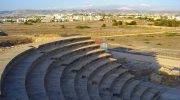
The Ancient Odeon of Paphos stands on the slopes of Fabrica Hill as one of Cyprus's most elegant survivors from Roman times. Built entirely from carefully carved limestone blocks in the 2nd century AD, this semicircular amphitheater today hosts both visitors and live performances in a setting that connects modern audiences with ancient traditions. The Odeon began its life during the Hellenistic period when Paphos served as the capital of Ptolemaic Cyprus. The theater formed part of the Agora complex in the northern center of the ancient city. During the 2nd century AD, the Romans altered and expanded the structure to its present form. The builders integrated the theater into the natural slope of Fabrica Hill, cutting most of the amphitheater directly from solid rock and lining only the lower sections with separate limestone blocks. The structure originally contained 25 rows of seating. Archaeological evidence suggests the theater had a roof, which would have protected spectators from the Mediterranean sun and enhanced the acoustics. A devastating earthquake struck Cyprus in the 4th century AD, causing severe damage throughout Paphos. While many buildings collapsed entirely, the Odeon survived with 13 rows of its seating intact. The stage, measuring 11 meters in diameter, remained largely undamaged, along with parts of the proscenium and the original cobblestone floor. Discovery and Modern Restoration The…

Read more