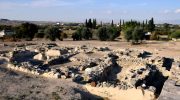
Beneath the streets and churches of modern Larnaca lies a network of ancient tombs that gave the city its name. The Phaneromeni necropolis represents a vast burial ground used for over 1,500 years, from the Late Bronze Age through the Phoenician and Hellenistic periods, preserving layers of history beneath one of Cyprus’s oldest continuously inhabited cities.
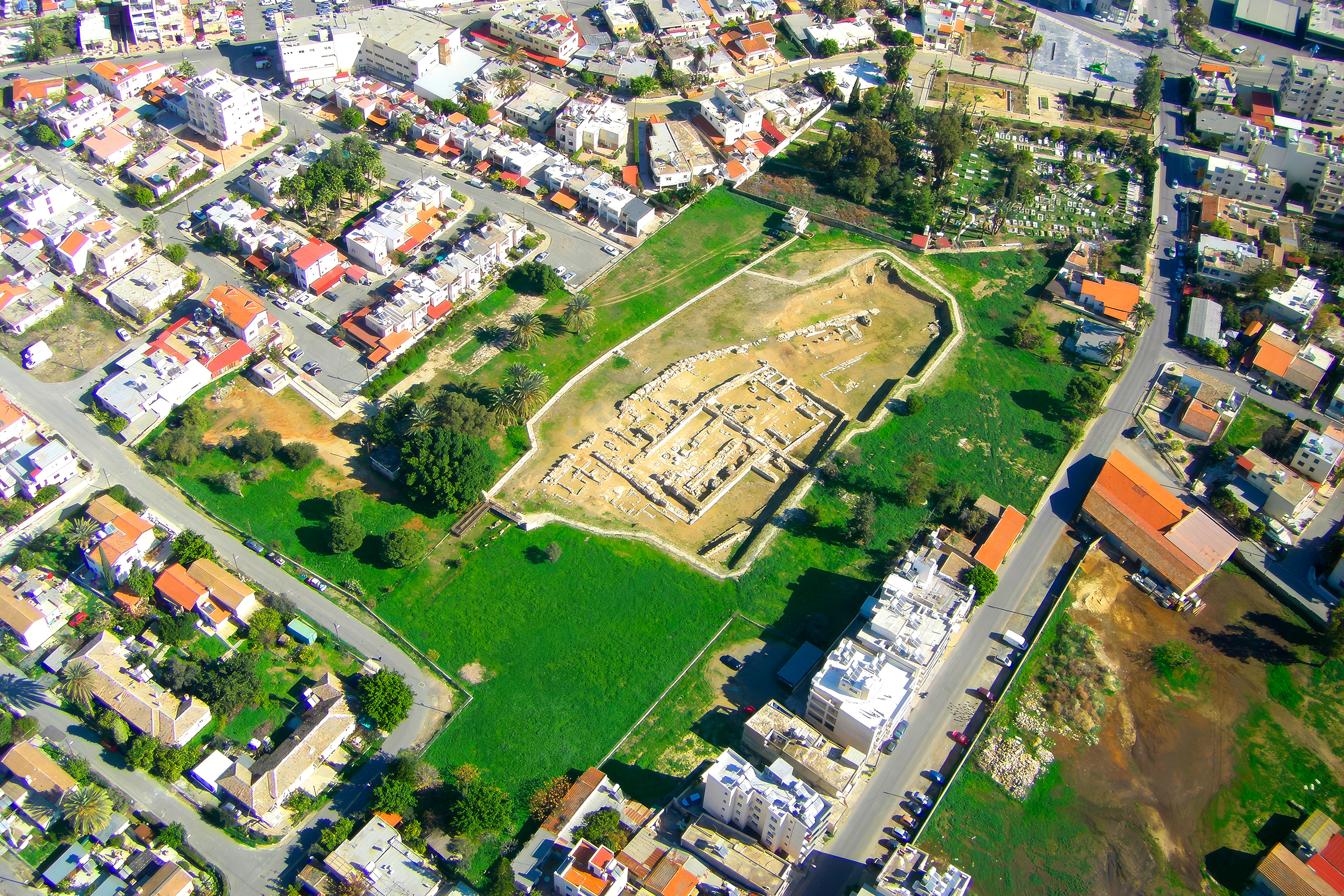
The name Larnaca comes from the ancient Greek word larnax, meaning sarcophagus or stone coffin. This etymology directly reflects the thousands of tombs and burial chests discovered throughout the city. An American consul in the late 19th century claimed to have explored more than 3,000 tombs in the Larnaca area, and archaeological work continues to uncover more burial sites with each new construction project.
A Tomb That Became a Church
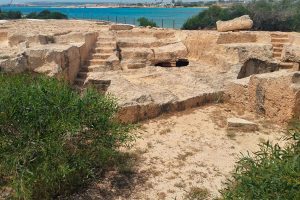
The Catacomb of Phaneromeni Church sits next to the old Panagia Phaneromeni Church, about 7 meters from the east wall of the church building. This rock-cut tomb consists of two chambers connected by a corridor, carved entirely from natural rock. The structure suggests it originally served as a pagan burial site during Phoenician times, possibly as early as 1200 BCE based on the architecture.
The catacomb was discovered in 1870 and was officially dated to the 8th century CE based on its use as a Christian burial site and place of worship. However, the rock-cut architecture clearly predates this period by many centuries. The tomb was reused by early Christians as a secret place of worship during periods of persecution, transforming a pagan burial chamber into a sacred Christian space.
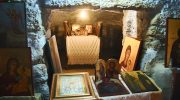
Today, the catacomb is adorned with icons of the Virgin Mary and other saints. Votive offerings left by believers add to the spiritual atmosphere. The space functions both as a historical monument and an active site of religious devotion, with some visitors performing traditional healing rituals that involve walking around the church three times.
From Kition to Modern Larnaca
The Phaneromeni necropolis served the ancient city of Kition, one of the major Bronze Age settlements on Cyprus. Kition was established by Mycenaean merchants around 1200 BCE and later became a powerful Phoenician kingdom. The city served as a major trading port and copper export center, connecting Cyprus to Egypt, the Levant, and the wider Mediterranean world.
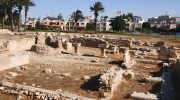
The Phoenicians arrived in Kition around the 9th century BCE and dominated the city until the 4th century BCE. They brought new burial customs, architectural styles, and religious practices. The tombs discovered in the Phaneromeni area date primarily to this Phoenician period, between the 6th and 4th centuries BCE, though some evidence suggests earlier Mycenaean burials existed in the same area.
After the Phoenician period, Kition continued as a Hellenistic and Roman city. The area remained inhabited through the Byzantine period and into the medieval era. This continuous occupation means that burial grounds were used and reused across many centuries, with later burials often placed in or near earlier tombs.
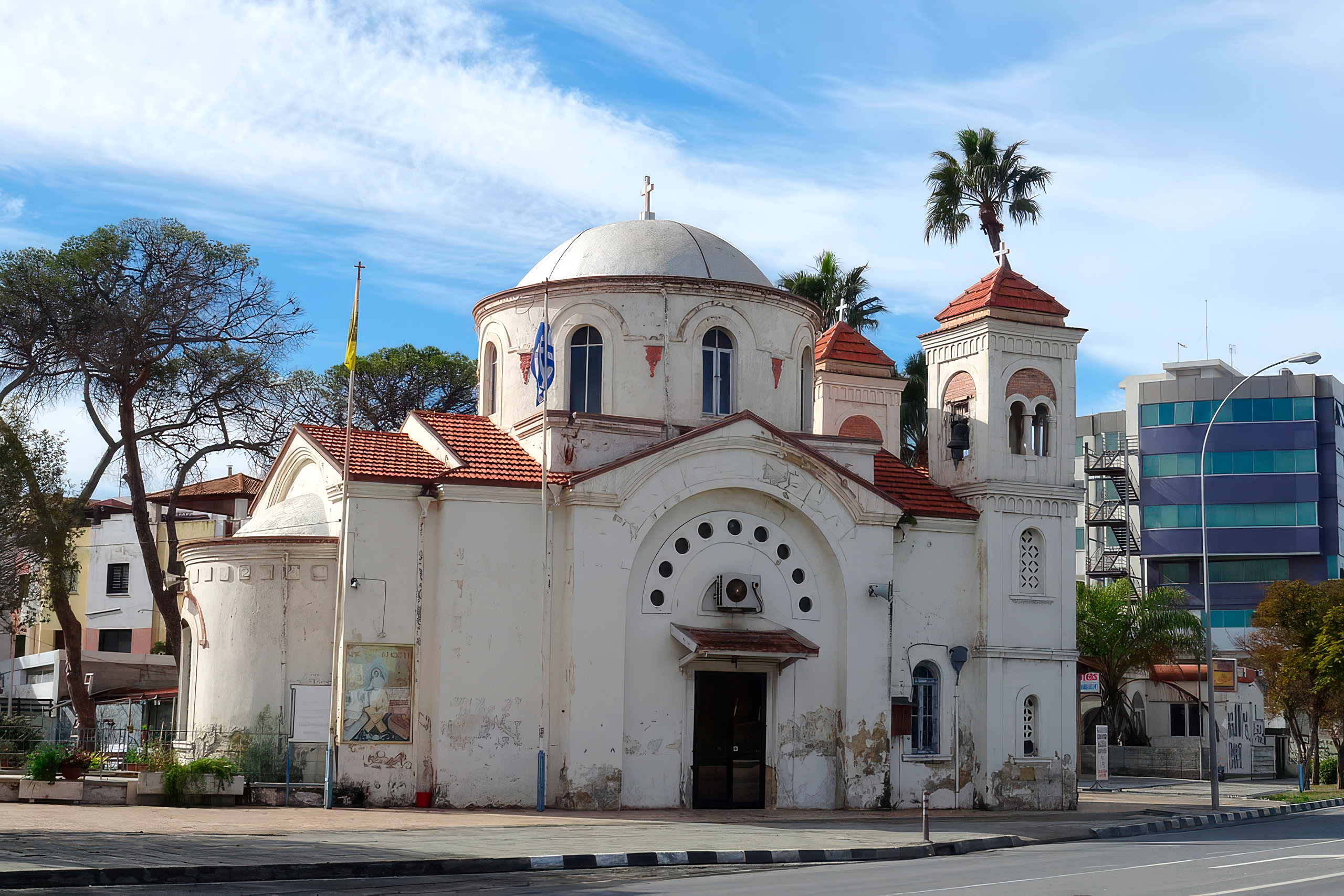
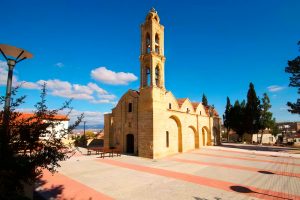
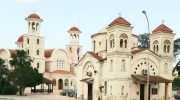
The old Panagia Phaneromeni Church was constructed around 1920 directly above and adjacent to the ancient catacomb. The church follows basilica architecture, featuring a cross plan with a dome and two bell towers. The simple white structure replaced an earlier medieval church that once stood on the same site, continuing a tradition of Christian worship that stretched back over a millennium.
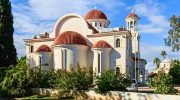
In 2003, a larger new church was completed to serve the growing parish. The new Panagia Phaneromeni Church sits beside the older structure and features bright, modern design while maintaining traditional Orthodox architectural elements. The two churches together create a complex that honors both the ancient past and contemporary religious needs.
The old church underwent restoration work in recent years to preserve both the structure and the catacomb beneath it. Plans have been discussed for creating an underground museum that would allow visitors to better appreciate the archaeological significance of the site while maintaining its function as a place of worship.
What the Necropolis Tells Us About Ancient Cyprus
The Phaneromeni necropolis provides crucial evidence for understanding how Kition developed from a Mycenaean trading post into a major Phoenician kingdom. The evolution of tomb architecture and burial customs reflects changing religious beliefs, trade connections, and social organization across more than 1,500 years.
The discovery of sarcophagi and grave goods demonstrates that Kition maintained active trade relationships with Egypt, the Levant, and other Mediterranean cultures. Imported pottery, jewelry, and luxury items found in tombs show that Cyprus sat at a crossroads of ancient commerce, with local elites participating in networks that spanned from Mesopotamia to mainland Greece.
The reuse of ancient tombs by Christians reveals patterns of religious transformation and cultural continuity. Rather than destroying pagan burial sites, early Christians incorporated them into their own sacred landscape. This practice helped establish legitimacy for the new religion while maintaining connections to the ancient past.
Experiencing Ancient Larnaca Today
The Panagia Phaneromeni churches are located on Faneromenis Street in the southern part of Larnaca, on the road toward the Salt Lake. The site is easily accessible from the city center and sits in a residential neighborhood with a small pine park nearby that offers a pleasant space for families.
Visitors can enter the newer church, which remains active for regular services and is open to the public. The old church has been closed periodically for restoration work, but when open it provides access to the ancient catacomb below. The steps leading down to the catacomb entrance are located about 7 meters from the east wall of the old church building.
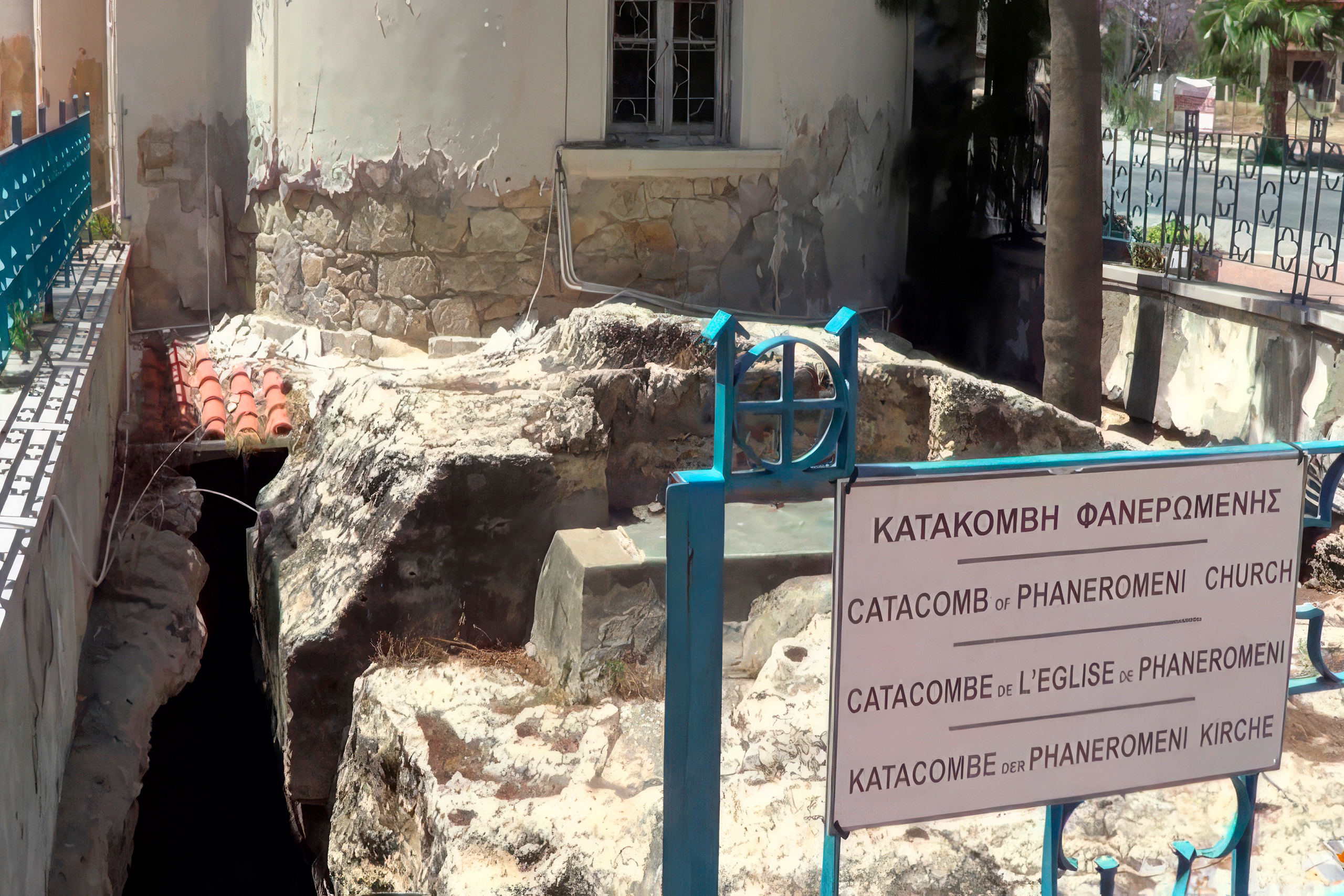
The catacomb itself consists of two rock-cut chambers connected by a corridor. Icons of the Virgin Mary and saints decorate the walls, and visitors can see where early Christians transformed a pagan tomb into a sacred Christian space. The atmosphere is quiet and contemplative, offering a tangible connection to 3,000 years of religious history.
Why This Necropolis Matters to Cyprus
The Phaneromeni necropolis matters because it preserves the story of Larnaca across three millennia. The thousands of tombs discovered throughout the city document how Mycenaean traders, Phoenician merchants, Hellenistic aristocrats, Roman officials, and Byzantine Christians all chose this location for their final rest. Each culture added new layers to the burial landscape while respecting what came before.
The transformation of the catacomb from pagan tomb to Christian worship space demonstrates how Cyprus absorbed and adapted different religious traditions. The site stands as physical evidence of cultural continuity and change, showing how new beliefs built upon ancient foundations rather than erasing them completely.