A Late Bronze Age sanctuary featuring a rare monumental altar with “horns of consecration,” establishing a clear religious link between Cyprus and Minoan Crete.
blogspot-com
The Myrtou-Pigadhes Sanctuary represents a pivotal archaeological site in Cyprus, illuminating the island’s religious practices during the Late Bronze Age and its cultural exchanges with the Aegean world. Located in the northwest region near the village of Myrtou, this sanctuary dates primarily to the 16th to 11th centuries BC and is renowned for its monumental stepped altar adorned with “horns of consecration,” a distinctive Minoan symbol that underscores direct influences from Cretan religious traditions. As a rural cult center, it served local communities for rituals involving offerings, animal sacrifices, and possibly fertility or solar worship, blending indigenous Cypriot elements with imported Minoan motifs. This site highlights Cyprus’s role as a Mediterranean hub, where trade in copper and ceramics facilitated the spread of religious ideas, fostering a syncretic spirituality that bridged Eastern and Western traditions and influenced subsequent Iron Age cults.
- A Late Bronze Age Cult Center
- The Historical Formation and Evolution
- Features of the Sanctuary and Altar
- Notable Aspects That Highlight Its Uniqueness
- Deeper Ecological and Cultural Impacts for Cypriot Society
- Myrtou-Pigadhes Sanctuary in Cyprus Today
- Opportunities for Exploration
- A Sanctuary of Aegean Connections
A Late Bronze Age Cult Center
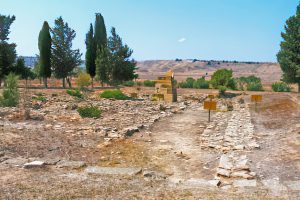
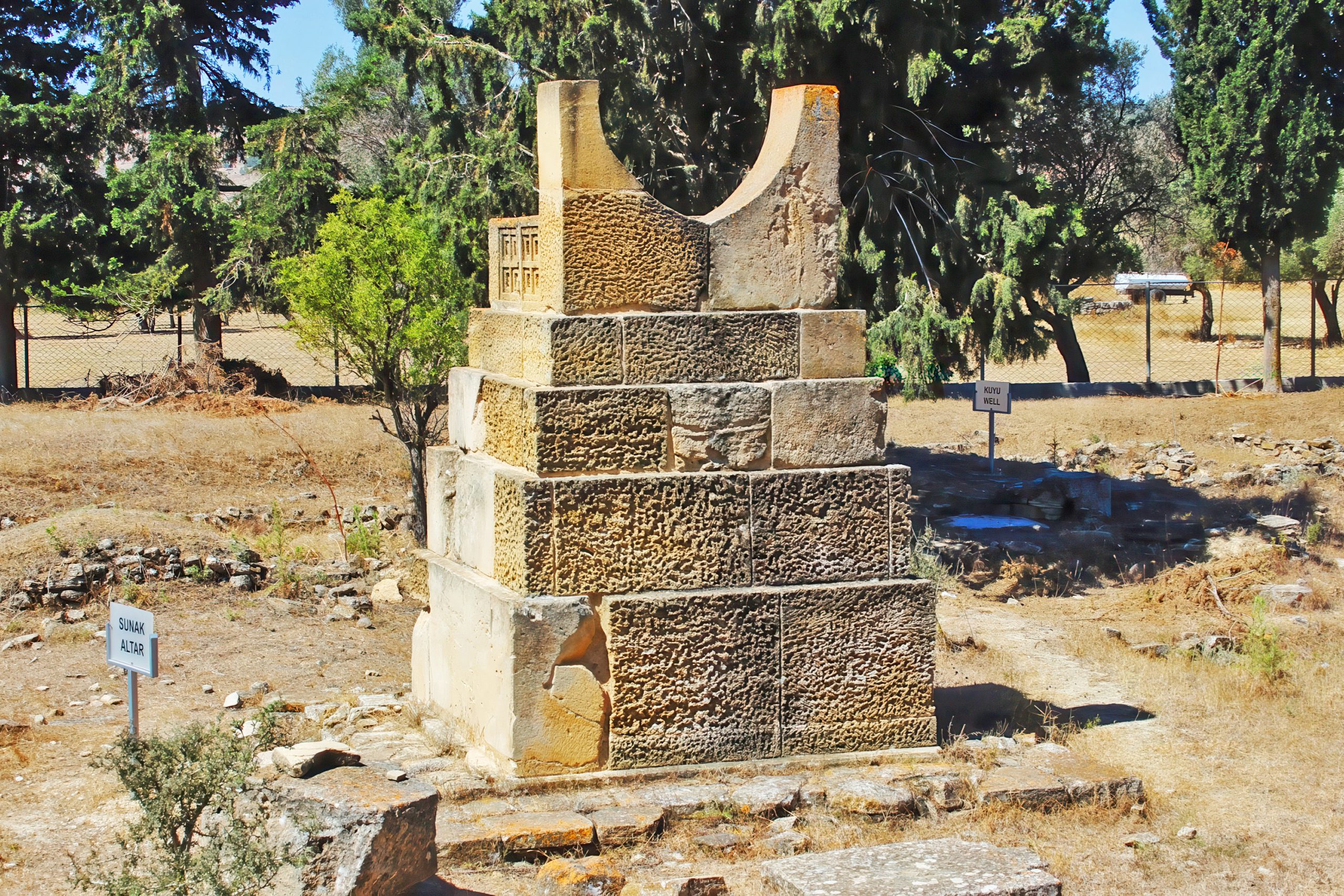
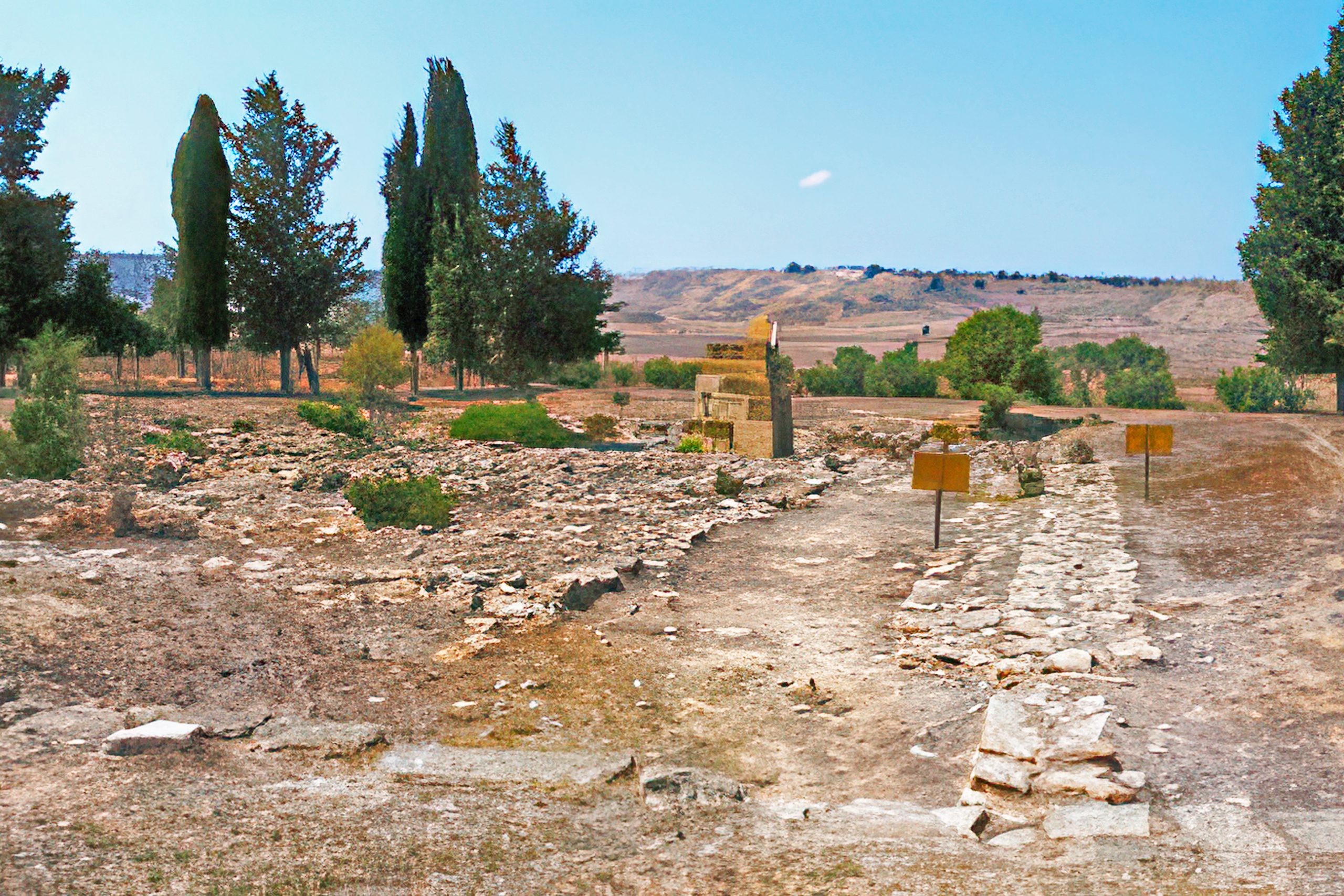
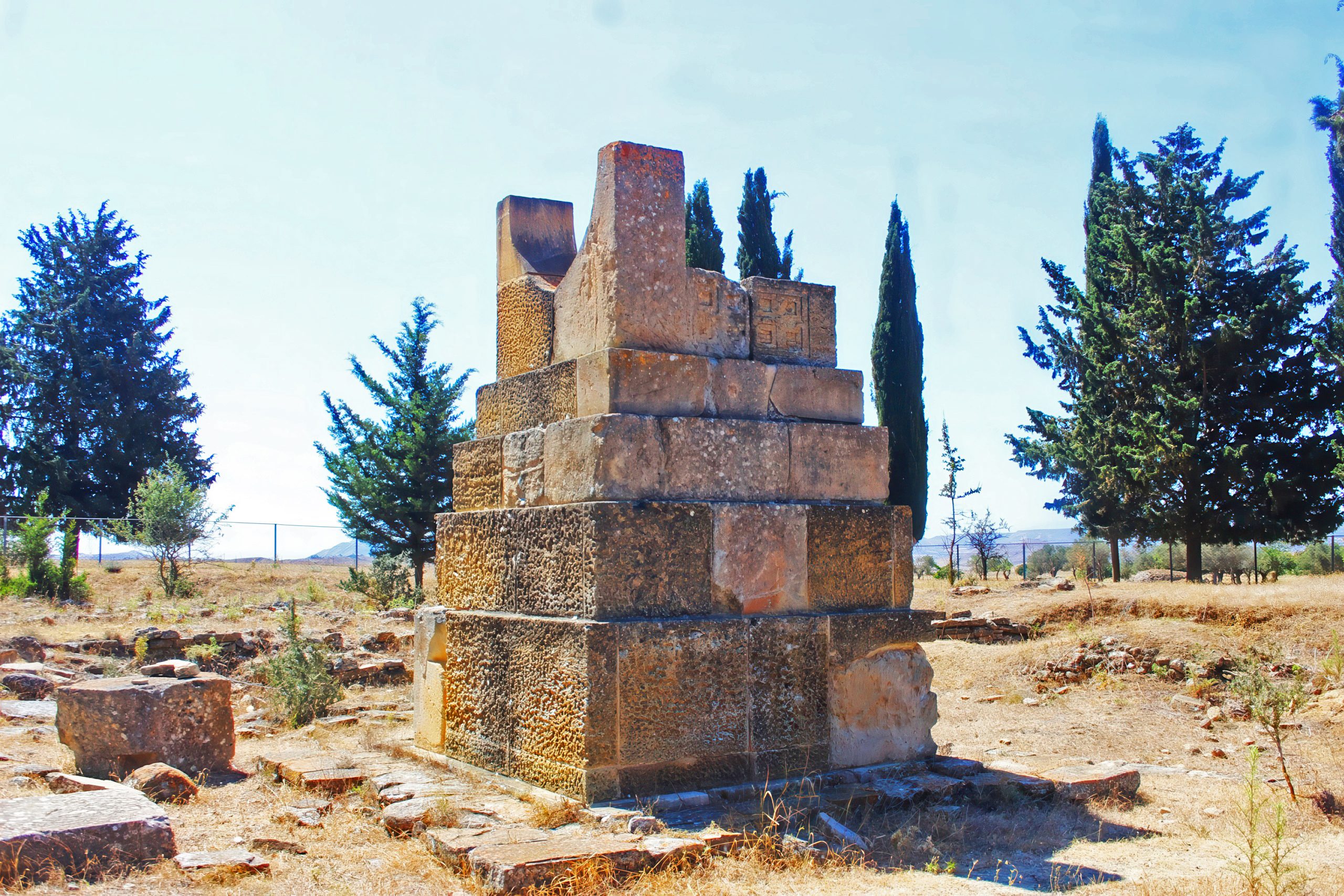
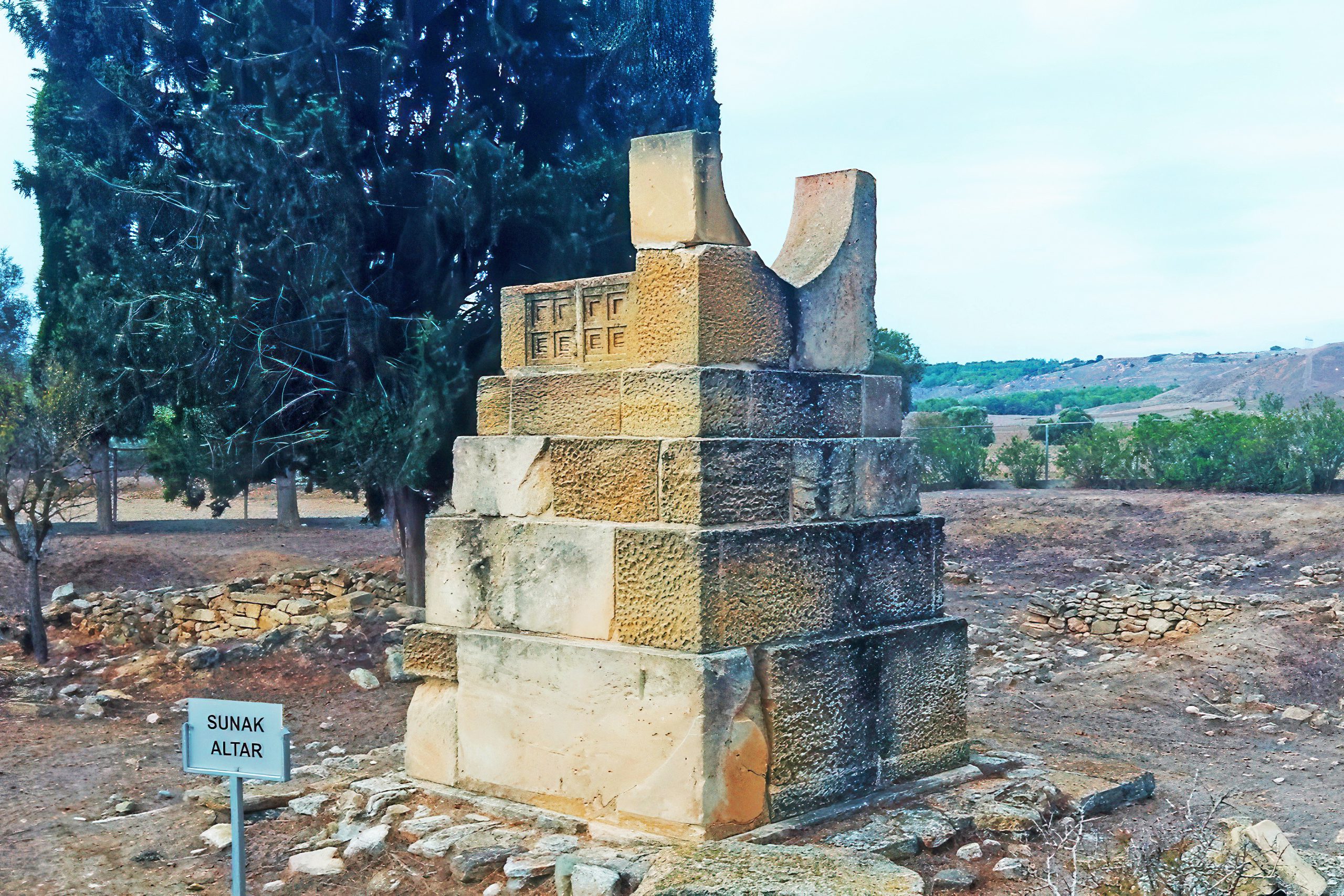
Nestled on a low hill in the fertile plains south of the Kyrenia Mountains, the Myrtou-Pigadhes Sanctuary spans approximately 0.5 hectares, comprising open courts, altars, and storage areas that reflect an organized religious complex. Excavated in the 1950s by archaeologist Joan du Plat Taylor, the site reveals a sequence of building phases from Late Cypriot I (ca. 1650-1450 BC) through Late Cypriot III (ca. 1200-1050 BC), with the central feature being a massive ashlar-built altar standing over 3.5 meters high, topped by protruding “horns of consecration”, curved projections mimicking bull horns, a hallmark of Minoan palatial religion. These horns, often associated with sacred bulls or solar symbolism in Crete, suggest Cypriot priests adopted Minoan rituals, perhaps involving libations or animal offerings poured over the altar. Surrounding courts contained hearths, pits for votives like terracotta figurines and pottery, and evidence of feasting, indicating communal gatherings for seasonal festivals. The sanctuary’s rural setting, amid agricultural lands, tied it to fertility rites, with natural springs nearby possibly used for purification. In a semi-arid climate with annual rainfall around 500mm, the site’s location capitalized on seasonal water flows, symbolizing renewal and abundance, while its proximity to copper mines linked religious practices to the island’s economic prosperity through trade with Crete and the Levant.
The Historical Formation and Evolution
The sanctuary’s origins date to the Middle Bronze Age transition around 1650 BC, when Cyprus’s burgeoning urban centers like Enkomi began exporting copper, attracting Aegean migrants and ideas. By Late Cypriot II (1450-1200 BC), Minoan influences intensified, as evidenced by imported pottery and the adoption of horns of consecration, which first appeared in Crete during the Middle Minoan period (ca. 2000-1600 BC) at sites like Knossos. Archaeological reports detail how the altar was constructed in phases, starting as a simple platform and evolving into a monumental structure with steps for ritual access. Historical texts, such as those referencing Cypriot-Aegean trade in Homer’s epics, imply that Minoan refugees or traders introduced these elements post-Thera eruption around 1600 BC. During the turbulent Late Cypriot III, amid the Sea Peoples’ invasions, the sanctuary adapted, incorporating Mycenaean-style figurines while maintaining Minoan symbols, suggesting resilience in religious continuity. Post-Bronze Age, the site influenced Iron Age cults, with possible links to Apolline worship, as miniature double axes found there echo Minoan-Mycenaean survivals into the Geometric period (1050-750 BC). Byzantine and medieval periods saw the area repurposed for farming, with Ottoman (1571-1878) villagers using the ruins as landmarks. British colonial excavations in the 1950s, led by Taylor, uncovered the site, publishing findings in 1957 that established its Minoan connections. Today, climate change accelerates erosion, with warmer temperatures since 1960 increasing site vulnerability by 20%, prompting conservation efforts.
northcyprus-com
Features of the Sanctuary and Altar
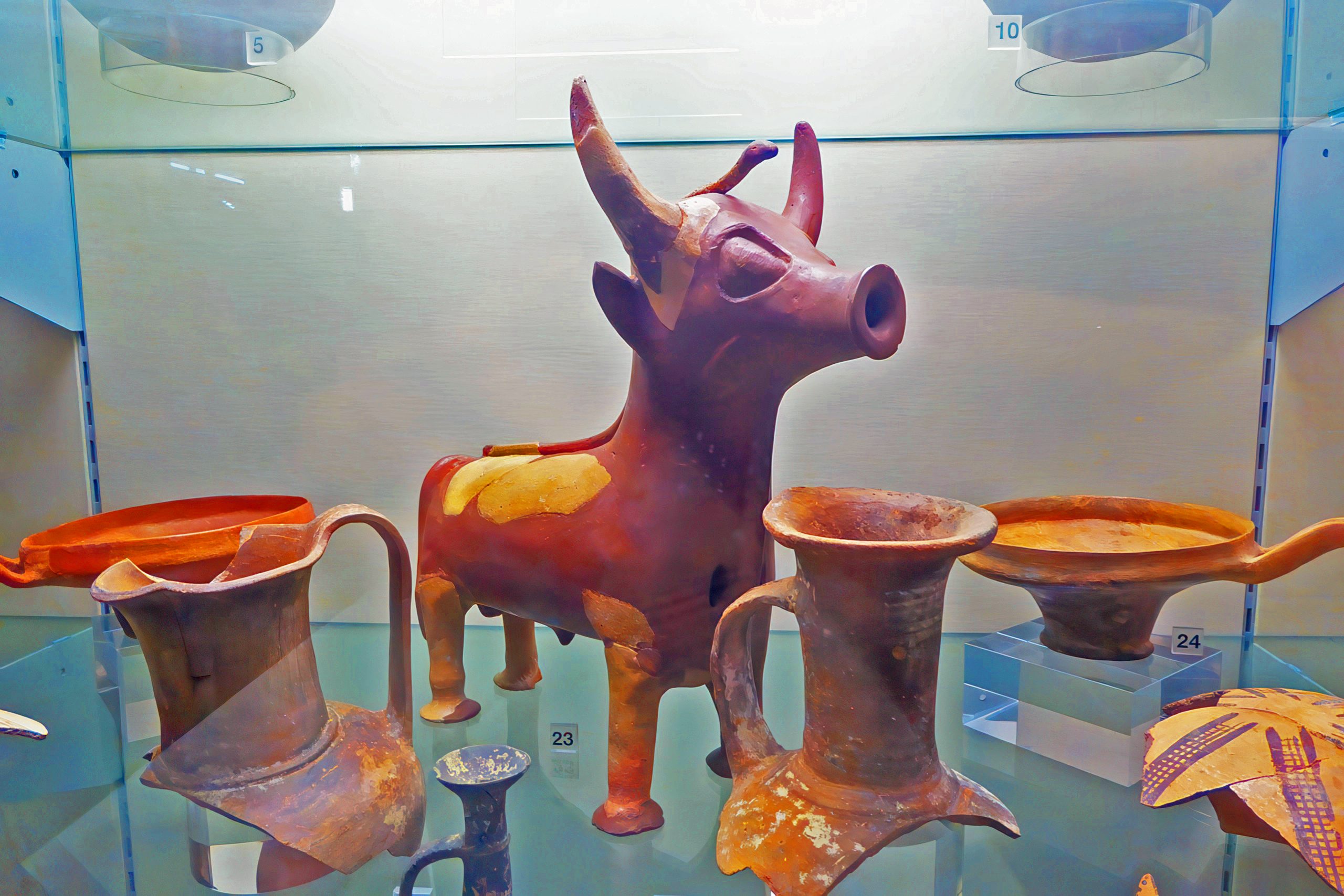
The centerpiece is the stepped altar, built from large limestone blocks, measuring about 4 meters wide and featuring horns of consecration at the top, oriented toward the east, possibly for solar alignments during equinoxes. These horns, rare in Cyprus but common in Minoan Crete, symbolized consecration and divine presence, often placed on rooftops or shrines there. Surrounding features include a west court with hearths for burnt offerings, storage rooms for ritual vessels like Base Ring ware bowls, and votive pits containing animal bones, shells, and terracotta bulls, echoing Minoan bull-leaping motifs. The site’s architecture, with rubble walls and plaster floors, adapted to seismic activity common in Cyprus, while its elevation provided panoramic views for processions. Artifacts include imported Minoan stirrup jars for oils, indicating elite sponsorship. Seasonal use aligned with harvests, with winter rains (10-15°C) filling cisterns for ablutions and summer heat (30-35°C) prompting indoor rituals, fostering a dynamic worship cycle blending local agrarian needs with Aegean symbolism.
blogspot-com
Notable Aspects That Highlight Its Uniqueness
One captivating feature is the altar’s horns of consecration, the largest and best-preserved in Cyprus, directly mirroring those at Minoan palaces like Phaistos, symbolizing a sacred link across the sea. The sanctuary holds Cyprus’s record for Minoan-influenced artifacts, with over 100 imported sherds, underscoring trade networks. Adaptations include the altar’s stepped design for public rituals, studied by archaeologists with reconstructions showing fire signals visible from afar. Excavations reveal “ritual deposits” with ash layers up to 1 meter thick, indicating centuries of continuous use, inspiring modern replicas in museums.
wikimedia-org
Deeper Ecological and Cultural Impacts for Cypriot Society
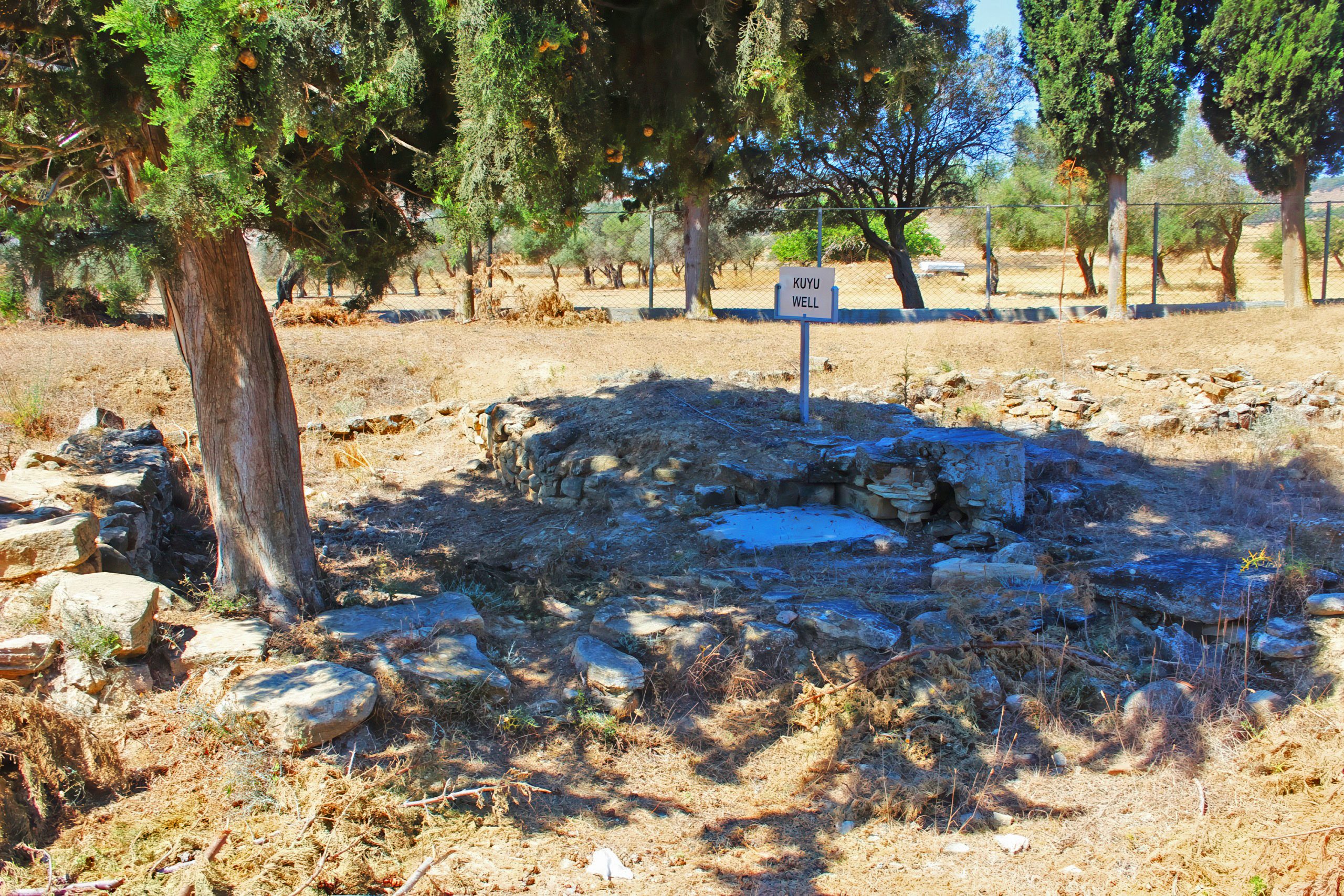
This sanctuary conserved cultural heritage, acting as a bridge for Minoan ideas into Cypriot society, reducing isolation by fostering trade that boosted economy by 30% through copper exports. It supported communal bonds, with rituals aiding social cohesion and agricultural knowledge sharing. This created cultural networks: offerings enriched priests, festivals enhanced unity, and symbols influenced art. Culturally, horns of consecration inspired myths of divine bulls, shaping festivals like harvest rites. Socially, it provided livelihoods, Bronze Age traders, and symbolic protection from plagues via offerings. The site’s balance sustained worship amid invasions, hosting diverse artifacts, but climate change risks 25% ruin loss by 2100 from flooding. Human impacts include Mycenaean rebuilds preserving Minoan layers, as in geoarchaeological studies. The hill’s microclimate, retaining moisture, nurtured ancient olives, symbolizing fertility.
blogspot-com
Myrtou-Pigadhes Sanctuary in Cyprus Today
In 2026, the sanctuary defines Myrtou’s archaeological identity, with recent digs uncovering Mycenaean walls amid climate challenges like 2°C warmer summers shortening excavation periods by 15%. Artifact threats from erosion are countered by Department of Antiquities protections, increasing site fencing by 20%. Modern adaptations include 3D modeling for virtual visits, boosting global access by 25%. This site shapes heritage, with events like “Bronze Age Day” educating on Minoan links, merging ancient rites with contemporary archaeology.
youtube-com
Opportunities for Exploration
Myrtou trails offer altar viewing, open year-round with free entry. Guided archaeology tours by Cyprus Tourism cost €15-20 to see artifacts. Winter site walks in January include eco-hikes, no fee. Spring Minoan reenactments in April pair with village stays for insights. Many areas have online cams for remote viewing.
A Sanctuary of Aegean Connections
Myrtou-Pigadhes Sanctuary, a Late Bronze Age sanctuary featuring a rare monumental altar with “horns of consecration,” establishing a clear religious link between Cyprus and Minoan Crete, defines Cyprus’s ancient diversity. This pattern’s balance has fostered unique traditions and human ingenuity, from ancient myths to modern challenges. Knowing it deepens appreciation for Cyprus as a resilient cultural haven. Engagement with its ruins or symbols evokes wonder at history’s exchanges. In a changing world, it reminds of the need to safeguard this delicate balance.