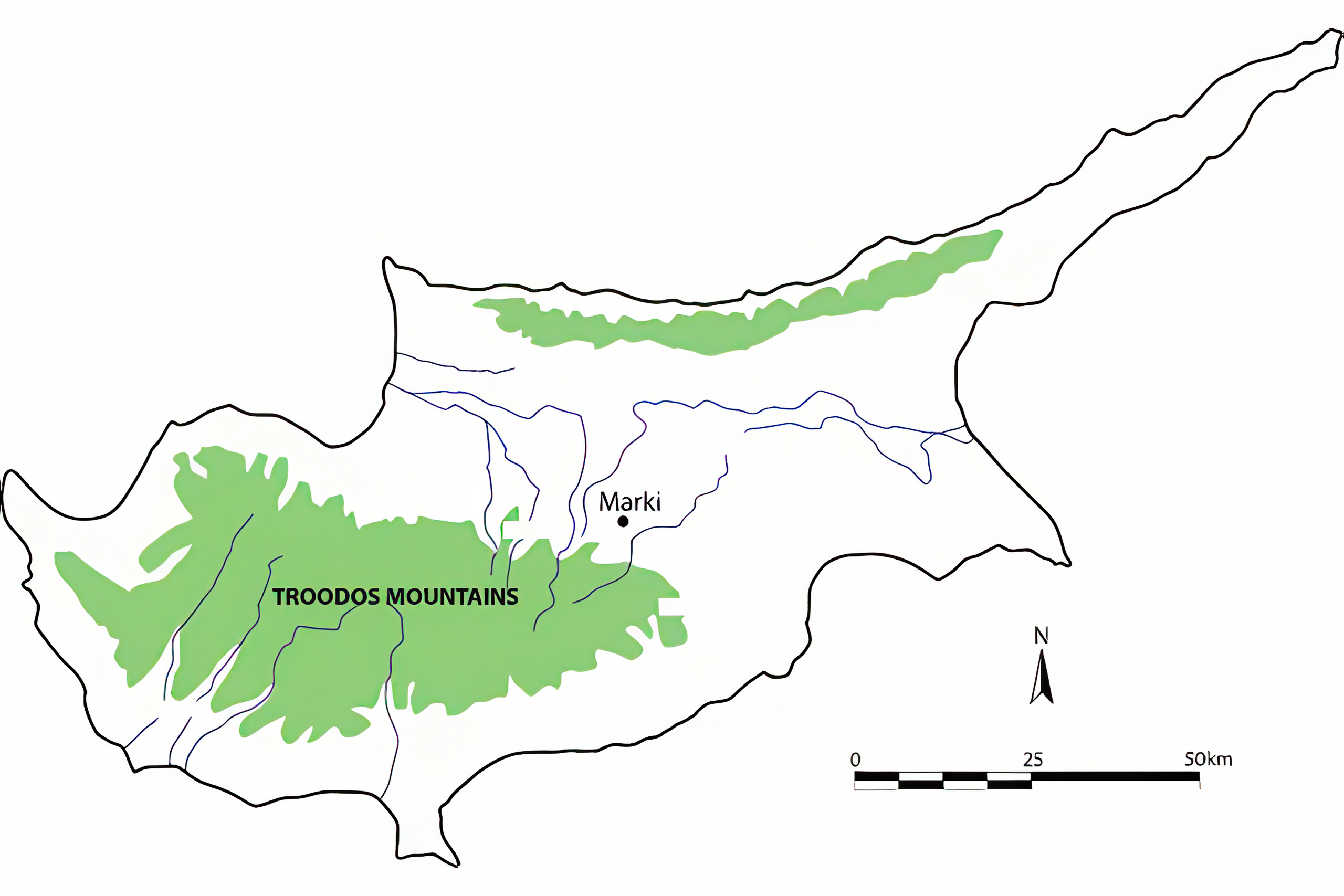
Nestled in central Cyprus, Marki-Alonia stands as one of the most revealing prehistoric settlements from the Early and Middle Bronze Age. Between 1990 and 2000, archaeologists David Frankel and Jennifer Webb from La Trobe University uncovered approximately 1,500 square meters of this ancient village.
Their excavations revealed a remarkable window into how people lived, built their homes, and organized their communities from about 2400 BCE to around 1900 BCE. Unlike many archaeological sites where researchers can only piece together fragments of the past, Marki-Alonia offers an unusually complete picture of Bronze Age life in Cyprus.
Historical Background
The story of Marki-Alonia begins with a small group of settlers who arrived around 2400 BCE. The founding population numbered just 40 to 50 people. Over the course of 500 years, the settlement experienced steady growth. By the Middle Cypriot I period, roughly 400 years after its founding, the population had swelled to about 400 inhabitants. This growth reflects the settlement’s success in establishing a stable agricultural economy and developing social systems that could support larger groups of people.
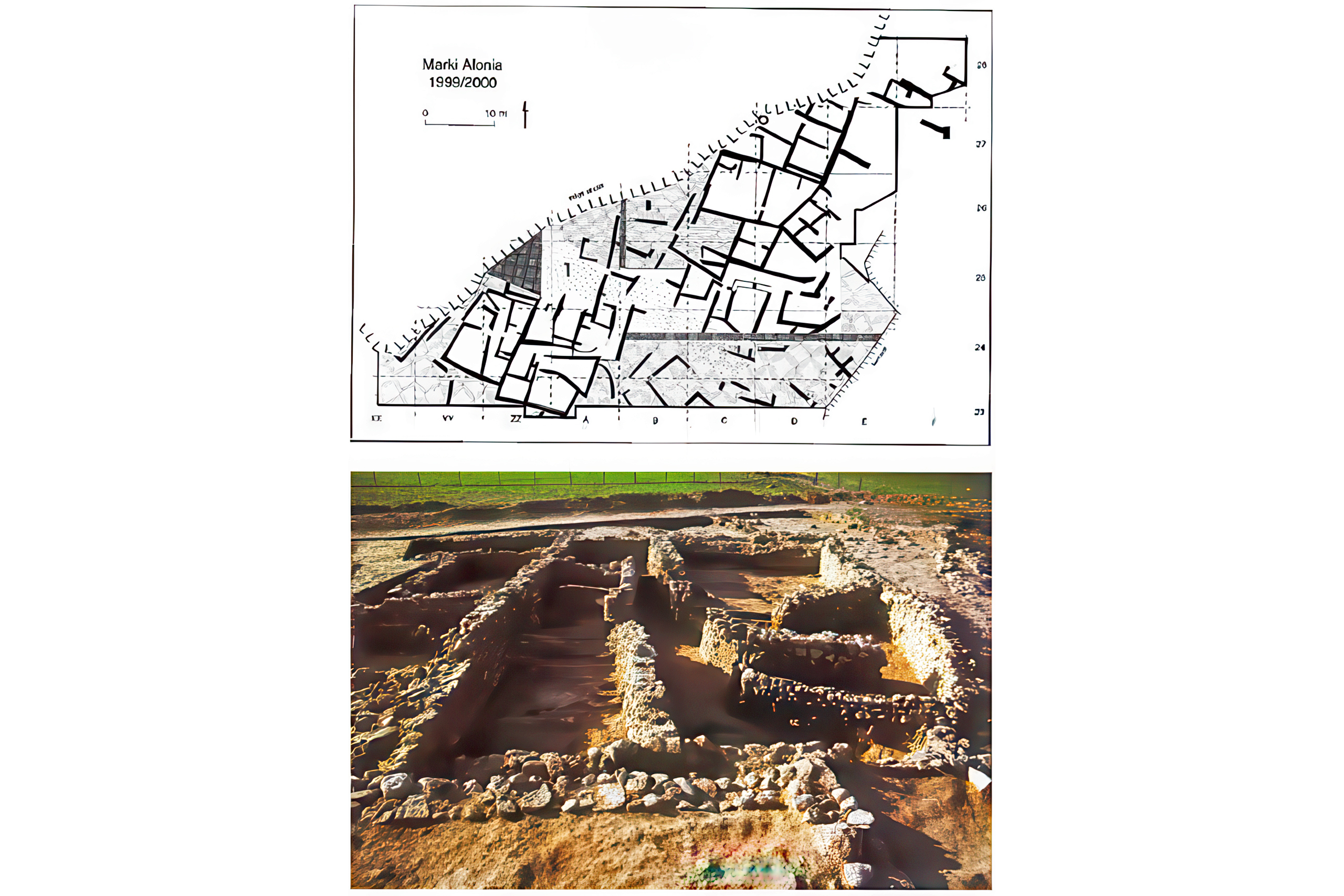
What makes Marki-Alonia particularly important to archaeologists is its unbroken occupation sequence. Many ancient sites show signs of sudden abandonment or catastrophic destruction, but Marki-Alonia evolved gradually. Buildings were renovated, rooms were reorganized, and structures were rebuilt or demolished as needs changed. This continuous process of adaptation gives researchers insight into how Bronze Age communities managed growth and change over many generations.
Building Techniques That Stood the Test of Time
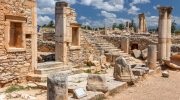
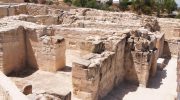
The people of Marki-Alonia were skilled builders who developed a distinctive architectural style. They constructed their homes using rectangular, mold-made mud-bricks. These bricks were set on substantial stone foundations, which often survived to heights of over one meter. While the mud-brick walls themselves rarely remained intact after thousands of years, the stone footings tell us exactly where buildings once stood and how they were organized.
The houses at Marki-Alonia were rectilinear structures with multiple rooms. Each household compound included covered living spaces and open courtyards. The courtyards were not just empty spaces but functioned as extensions of the home. They provided areas for outdoor activities, offered ecological benefits like natural cooling, and gave household members a sense of enclosure and privacy. Archaeological evidence shows that these courtyard houses became increasingly common throughout the Bronze Age in Cyprus.
One fascinating detail uncovered by researchers involves the mud-brick manufacturing process. Analysis of intact bricks suggests that builders used wooden molds to create uniform bricks. This standardization indicates a level of organization in construction. At some sites in Cyprus, evidence suggests that brick-making may have been a specialized occupation, with certain individuals focusing on this task rather than everyone making their own bricks.
How Households Were Organized and Changed Over Time
The excavations revealed distinct household units that archaeologists labeled as compounds. These compounds consisted of multi-roomed buildings connected to courtyards, with lanes running between them that allowed people to move through the community. Early in the settlement’s history, households appeared to cooperate closely with their neighbors. Over time, however, the archaeological record shows a shift toward more independent, self-contained family units.
Within a century of the first settlement, individual household compounds had become secure enough to meet their own physical needs independently. This development suggests that families had established reliable production systems and maintained their own resources. The shift likely reflected both population growth and an increasing desire by households to establish private ownership of buildings, land, and other resources.
Particularly interesting is the relationship between certain compounds. For example, Compound 8 appears to have split off from Compound 6, suggesting that when families grew too large, they would establish separate but nearby households. Despite this physical separation, close cooperation continued between related compounds. They shared entrances and passages, indicating that family ties remained strong even as households became more economically independent.
The Distinctive Red Polished Pottery
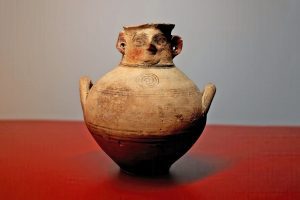
Perhaps no artifact type better characterizes the Early and Middle Bronze Age in Cyprus than Red Polished pottery. This ceramic ware, which appears at Marki-Alonia and sites across the island, represents a significant shift in Cypriot pottery production. The vessels were crafted using local clays and featured distinctive red surfaces that were polished to a sheen before firing.
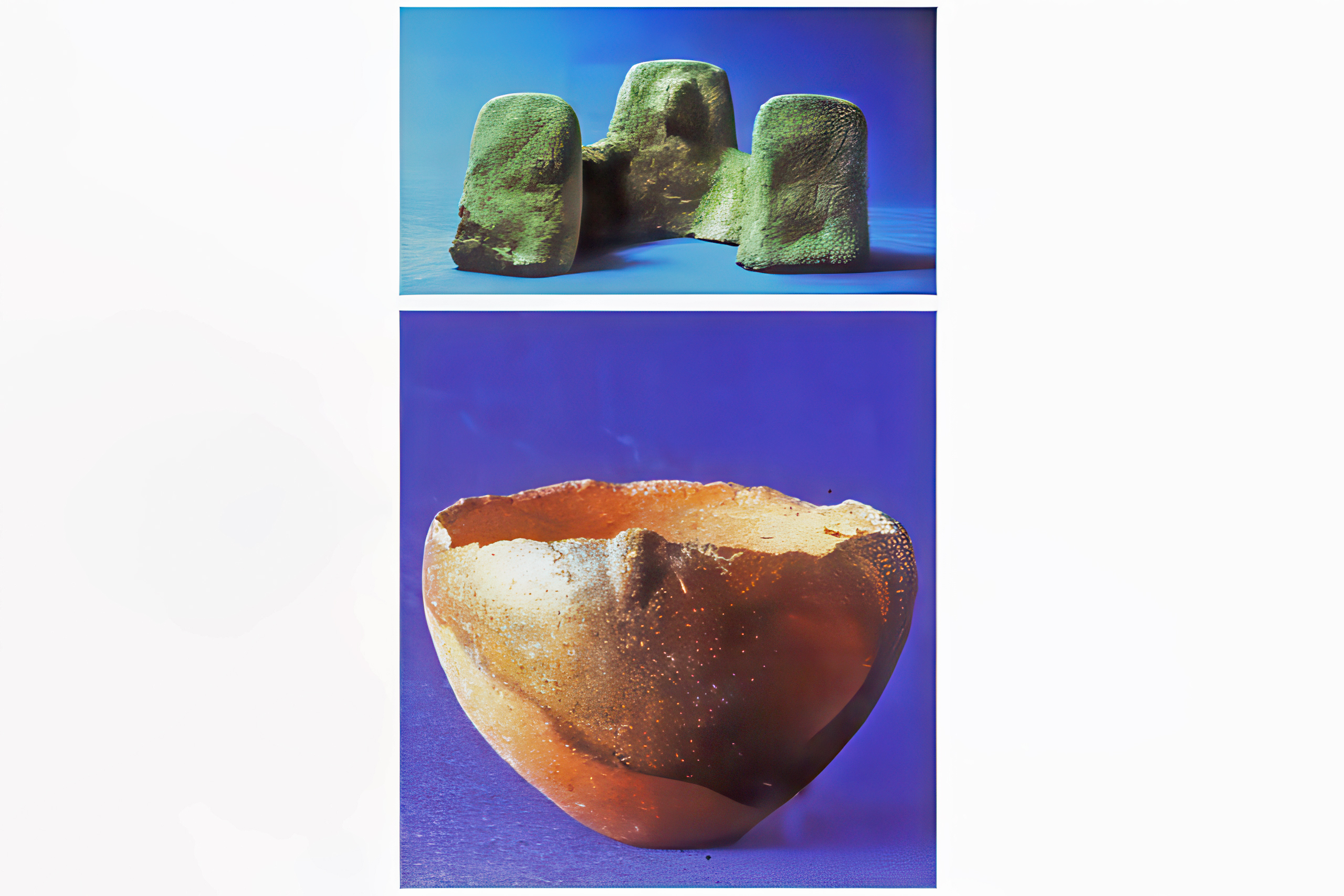
Analysis of pottery from Marki-Alonia reveals fascinating details about production and distribution. Chemical analysis using portable X-ray fluorescence technology showed that while most pottery was made locally, certain vessel types were imported from other regions of Cyprus. Some pottery wasters and jugs found at Marki were clearly manufactured on-site. However, other vessels differed significantly in their shape, manufacturing technique, and overall appearance, indicating they came from elsewhere.
The pottery included various forms such as bowls, jugs, cooking pots, and storage vessels. Many pieces featured engraved decorative motifs, and some vessels bore painted designs depicting animals and human figures. These decorative elements suggest that pottery served not just practical purposes but also had social and possibly ritual significance. The uniformity of certain fabric types across different sites indicates established networks of exchange and social interaction between communities.
What Marki-Alonia Tells Us About Bronze Age Society
The extensive excavations at Marki-Alonia and other Early and Middle Bronze Age sites paint a picture of village-based societies without urban centers or institutionalized social inequalities. Unlike later periods of Cypriot history, these communities lacked the hierarchical organization characteristic of more complex societies. Instead, they operated as relatively egalitarian agricultural villages where households maintained considerable independence.
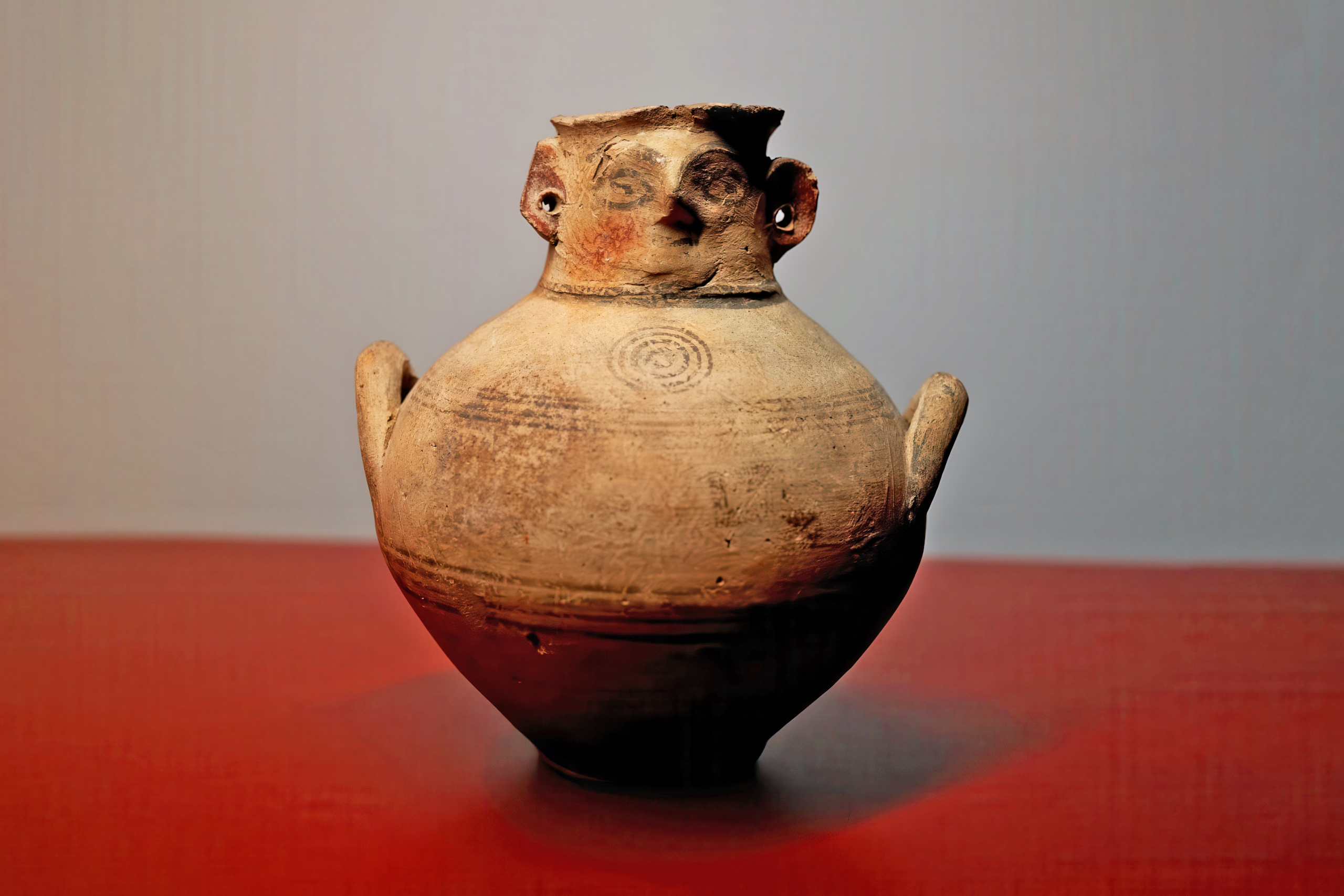
Despite this lack of urban development, Bronze Age Cyprus experienced significant advances in several areas. Metallurgical production increased dramatically compared to earlier periods. The abundance of copper artifacts at sites like Marki-Alonia contrasts sharply with the preceding Chalcolithic period. Bronze Age Cypriots also had access to imported goods including pottery, bronze items, jewelry, and faience beads from Egypt and the Levant.
Religious beliefs evolved during this period as well. Similarities in sanctuaries at different sites and evidence of bull worship suggest shared ritual practices across communities. Many pottery vessels appear to have had ritual functions. New types of idols emerged, including distinctive plank-shaped red-polished figurines found in graves, most depicting female forms.
The Legacy of Marki-Alonia in Modern Archaeological Research
Marki-Alonia represents the most extensively excavated site of its period in Cyprus. The only settlement with a long, unbroken occupation sequence, it provides evidence for the development of Philia culture and the subsequent evolution of Bronze Age society on the island. The detailed information recovered from the site has fundamentally shaped our understanding of this period.
The research conducted at Marki-Alonia has implications far beyond Cyprus. The excavations have contributed to broader archaeological discussions about household organization, the relationship between architecture and social structure, migration and ethnicity, and technology transfer. The methodologies developed for analyzing the site have influenced how archaeologists approach other settlements from this period.
Today, the artifacts and data from Marki-Alonia continue to yield new insights. Modern analytical techniques like portable X-ray fluorescence analysis have allowed researchers to revisit materials excavated decades ago and extract information that was impossible to obtain with earlier methods. This ongoing research ensures that Marki-Alonia remains at the forefront of Bronze Age Cypriot archaeology, continuing to shape our understanding of how people lived, worked, and organized their communities 4,000 years ago.