Explore Cyprus with Our Interactive Map

Explore our top stories and discover ideas worth your time.

Papoutsa Nature Trail

Papoutsa Nature Trail

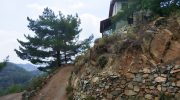
The Papoutsa Nature Trail represents a significant high-altitude route within the Pitsilia region of Cyprus. This path climbs toward the summit of Mount Papoutsa, which stands as the third-highest peak on the island. Hikers traverse a landscape defined by rugged volcanic rock and sparse mountain vegetation. The environment around this trail features a unique mix of endemic plants and geological formations. Local history connects this mountain to the traditional life of the nearby villages like Palaichori and Agros. This area serves as a vital water catchment zone for the southern plains of the island. Visitors encounter a quiet atmosphere that contrasts with the busy coastal resorts. The trail offers a clear view of the surrounding valleys and the distant sea on clear days. This path is a testament to the raw and unyielding beauty of the Cypriot interior mountains. Trail Overview Location: Near Palaichori Village, Pitsilia Region, Cyprus Distance: 4.3 miles (7 km) Route Type: Out & Back Difficulty: Hard Elevation Gain: 550 meters Duration: 3 – 4 hours Best Time to Visit: March – May and September – November Terrain: Rocky, steep mountain slopes, and dirt tracks Geological Composition and Volcanic Origins The ground beneath the Papoutsa Nature Trail consists of ancient volcanic material from the Troodos ophiolite complex. This rock formed millions of years ago on the deep…

Read more
Cyprus E4 Trail – Europe Long Distance Route

Cyprus E4 Trail – Europe Long Distance Route

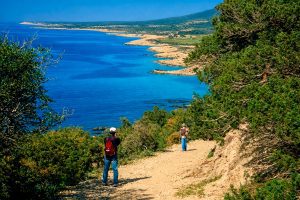
The E4 European Long Distance Path stretches over 10,450 kilometers from Tarifa in southern Spain to Cyprus, making it one of the most ambitious hiking routes in the world. The Cyprus section was added to the route in 2005 following a proposal by the Greek Ramblers Association to the European Ramblers Association. The trail connects Larnaca and Paphos international airports across approximately 540 to 660 kilometers depending on the route taken. The path crosses Spain, France, Switzerland, Germany, Austria, Hungary, Serbia, Bulgaria, Greece, and Crete before reaching Cyprus as its final destination. The Cyprus segment traverses the Troodos mountain range, the Akamas Peninsula, and long stretches of countryside through regions of exceptional natural beauty and ecological importance. Cyprus became only the second island on the entire E4 route, after Crete, making it a unique endpoint for this continental trail system. The development of Cyprus's section The Cyprus Forestry Department developed the island's E4 section in collaboration with the Cyprus Tourism Organisation to create a cross country route that showcases the island's diverse landscapes. The trail follows a primarily west to east direction, though it includes a significant loop at the eastern end near Larnaca. The route was carefully designed to balance accessibility with wilderness experience, passing through remote forest areas, traditional mountain villages, and coastal regions. The Department of Forests…

Read more

Panagia Chrysorrogiatissa Monastery

Panagia Chrysorrogiatissa Monastery

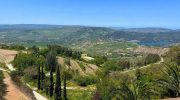
Chrysorrogiatissa Monastery is a historic monastic complex located in the Paphos district of Cyprus, near the village of Pano Panagia. It sits at an altitude of approximately 820 meters on the southern slopes of the Troodos foothills, overlooking forested valleys that lead toward the Paphos region. The site is named Panagia Chrysorrogiatissa, a title that translates as “Our Lady of the Golden Pomegranate.” The name reflects symbolic themes found in Byzantine and post-Byzantine religious art and cultural traditions, where the pomegranate often appears as a motif associated with prosperity and abundance. Historical Background The origins of the monastery are traditionally placed in the 12th century, around 1152. According to later narratives, an icon associated with Byzantine artistic tradition was discovered in the region of Moullia. Such stories reflect broader medieval Cypriot traditions in which natural phenomena and symbolic interpretations were often incorporated into the founding histories of monastic settlements. The 8th and 9th centuries in the Byzantine world were marked by a period in which religious imagery was contested and many icons were removed or destroyed in parts of the empire. Cyprus, like other peripheral regions, preserved its own monastic and artistic traditions during this broader historical context, which influenced later interpretations of its religious sites. The Present Monastery Structure and Treasures The current visible structures of the monastery largely…

Read more