Explore Cyprus with Our Interactive Map

Explore our top stories and discover ideas worth your time.

Adaptation Imported Artistic Techniques

Adaptation Imported Artistic Techniques

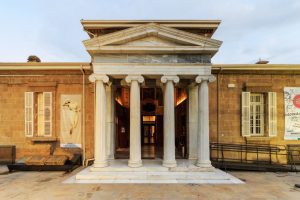
Adaptation of Imported Artistic Techniques in ancient Cyprus involved incorporating styles from regions such as Greece, Egypt, and the Near East, then modifying them to align with local beliefs and values. Rather than exact replication, Cypriot artists infused these elements with distinctive island characteristics, resulting in art that felt authentically Cypriot - unique and rich in significance. This process of selective adaptation transformed external influences into innovative expressions, illustrating how an island on the periphery of empires developed a vibrant creative identity. metmuseum-org A Creative Synthesis at a Mediterranean Crossroads Cypriot art emerged from the island's position as a nexus of cultural exchange, where imported techniques underwent transformation to reflect indigenous perspectives. External styles arrived through trade, migration, and conquest, but artists selectively reshaped them to emphasize themes central to Cypriot life, such as harmony with nature, divine protection, and communal resilience. Pottery, sculptures, and architectural elements bear witness to this blending, where foreign forms gained new meanings tied to the island's spiritual and social fabric. The outcome was a visual language that balanced innovation with tradition, capturing the essence of a society navigating diverse influences while preserving its core identity. ancientcyprus-com The Beginnings of Cultural Adaptation The practice of adapting imported techniques traces back to the Bronze Age around 2500 BC, when Cyprus's copper resources attracted merchants from surrounding…

Read more

Cypriot Syrtos Island Dance

Cypriot Syrtos Island Dance

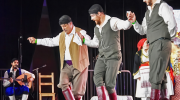
If there is one dance that captures how Cyprus moves, remembers, and gathers, it is the Syrtos. Performed in an open circle, grounded rather than leaping, it has survived centuries of occupation, division, and social change without losing its core rhythm. The Syrtos is not a performance meant to impress from a distance. It is a shared action, designed to include rather than exclude, where the movement matters less than the connection it creates. To understand the Syrtos is to understand how Cypriots express identity without words. A Dance Built on Contact with the Ground The word Syrtos comes from the ancient Greek verb meaning “to drag” or “to pull,” and the name describes the movement precisely. Feet stay close to the earth. Steps glide rather than jump. The dance progresses sideways in a steady, unhurried flow that feels deliberate rather than showy. This grounded quality sets the Syrtos apart from the energetic, leaping dances found in mountainous parts of Greece. In Cyprus, where life historically revolved around agriculture and coastal settlements, the movement reflects stability and continuity rather than display. The body stays upright, the rhythm remains even, and the emphasis is on collective motion rather than individual flair. The Circle That Makes Everyone Equal The Syrtos is almost always danced in an open circle or gently curved line,…

Read more
Museum of the National Struggle Nicosia

Museum of the National Struggle Nicosia

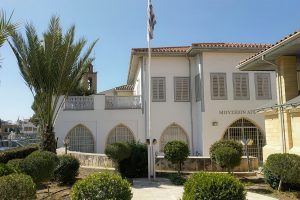
The Museum of National Struggle opened in 1961, just two years after the end of the liberation struggle. Former EOKA fighter Christodoulos Papachrysostomou founded the institution following a decision by the Greek Communal Chamber on January 26, 1961. Shutterstock-com The decision was published in the official newspaper of the Republic on February 23 of the same year. The museum's establishment aimed to spread awareness of the freedom fight, honor fallen fighters, preserve memories for future generations, and collect materials for historical documentation. The museum initially operated from different premises before moving to its current purpose-built facility near the Holy Archbishopric of Cyprus in central Nicosia. The new building was inaugurated on April 30, 2001, with funding provided by the Holy Archbishopric of Cyprus and the Ministry of Education and Culture. The modern facility transformed the museum from a simple archive into a historical and scientific center equipped with new technologies and visual aids. Historical Background The National Organization of Cypriot Fighters, known as EOKA from its Greek initials, was founded on March 07, 1953, by Colonel Georgios Grivas, a Greek Army officer. Grivas had arrived in Cyprus on November 10, 1954, to prepare for the insurgency. The organization received support from Archbishop Makarios III, the Orthodox Archbishop of Cyprus, who had vowed upon his elevation in 1950 not to rest…

Read more