Explore Cyprus with Our Interactive Map

Explore our top stories and discover ideas worth your time.

Platres to Prodromos Drive

Platres to Prodromos Drive

The scenic road from Platres to Prodromos traces one of the most beautiful routes in the Troodos Mountains. This approximately 18-kilometer drive connects two of Cyprus's most significant mountain villages, winding through dense pine forests at elevations between 1,100 and 1,400 meters above sea level. The route offers travelers a chance to experience the island's mountainous interior, where cool air and verdant landscapes contrast sharply with the coastal regions below. sunfamilytravel-ru Platres sits at an altitude of 1,100 meters and serves as one of the largest resort villages in the Troodos range. Prodromos, positioned at 1,380 meters, holds the distinction of being the highest village in Cyprus. The road between them follows the natural contours of the mountain, revealing panoramic views of valleys, forests, and distant coastlines. Historical Routes and Mountain Connections The modern road between Platres and Prodromos has its roots in centuries-old paths that connected mountain communities. During the Byzantine period, these routes served monasteries and settlements that sought refuge in the highlands. Medieval maps show Prodromos marked as "Prodromo," indicating its existence as a settlement during that era. By the late 19th century, British colonial administrators recognized the Troodos Mountains as an ideal summer retreat from the coastal heat. They developed road infrastructure that linked villages such as Platres and Prodromos, transforming them into popular destinations for…

Read more
Saint Lazarus of Larnaca

Saint Lazarus of Larnaca

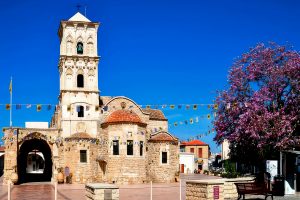
Lazarus of Bethany is one of the most recognized figures in the Bible, and yet most people only know one thing about him: Jesus raised him from the dead. What comes after that is a story that stretches across centuries and continents, and a large part of it takes place on Cyprus. expedia.ie According to Eastern Orthodox tradition, Lazarus did not simply disappear after his resurrection. He fled to the island, became a bishop, lived there for 30 years, and was buried in Larnaca. Today, the city still carries his memory in one of the oldest and most visited churches on the island. Historical Background The Gospel of John tells us that Lazarus was the brother of Mary and Martha, and that all three were close friends of Jesus. When Lazarus fell ill and died, Jesus arrived four days later and brought him back to life. The event was witnessed by a large number of people, and it caused a stir. The chief priests in Jerusalem saw Lazarus as a direct threat to their authority, because his resurrection was convincing more Jews to believe in Jesus. They planned to kill him. wikipedia.org1x According to Eastern Orthodox tradition, Lazarus and his siblings fled Judea to avoid this danger. The Western tradition tells a different version of events, where the three were…

Read more
Two Festivals, One Island

Two Festivals, One Island

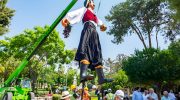
Cyprus expresses its culture best when it gathers people together in public spaces, after sunset, with music in the air and tradition close at hand. Two annual festivals capture this instinct especially clearly: the Limassol Wine Festival and the Ayia Napa International Festival. Though different in tone and setting, they reveal how Cyprus balances heritage and openness, local pride and global exchange. Experiencing them side by side offers a clear insight into how celebration functions as a cultural language on the island. kiprinform-com Two Ways of Telling the Same Story At first glance, these festivals appear to represent different worlds. Limassol's event revolves around wine, harvest traditions, and large-scale public gatherings, while Ayia Napa's focuses on music, performance, and international cultural exchange. Yet both serve the same purpose: they turn shared space into shared identity. kanikahotels-com Limassol’s festival unfolds in a broad seaside garden, encouraging movement, conversation, and repetition. Ayia Napa’s festival concentrates activity in a historic square, drawing attention inward toward performance and spectacle. One spreads outward, the other gathers inward, but both rely on the same idea that culture becomes meaningful when it is experienced collectively. Why These Festivals Were Created in the First Place Neither festival began as a decorative addition to the calendar. Each emerged from a practical and cultural need. The first Limassol Wine Festival…

Read more