Explore Cyprus with Our Interactive Map

Explore our top stories and discover ideas worth your time.

Two Festivals, One Island

Two Festivals, One Island

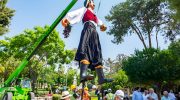
Cyprus expresses its culture best when it gathers people together in public spaces, after sunset, with music in the air and tradition close at hand. Two annual festivals capture this instinct especially clearly: the Limassol Wine Festival and the Ayia Napa International Festival. Though different in tone and setting, they reveal how Cyprus balances heritage and openness, local pride and global exchange. Experiencing them side by side offers a clear insight into how celebration functions as a cultural language on the island. Two Ways of Telling the Same Story At first glance, these festivals appear to represent different worlds. Limassol's event revolves around wine, harvest traditions, and large-scale public gatherings, while Ayia Napa's focuses on music, performance, and international cultural exchange. Yet both serve the same purpose: they turn shared space into shared identity. Limassol’s festival unfolds in a broad seaside garden, encouraging movement, conversation, and repetition. Ayia Napa’s festival concentrates activity in a historic square, drawing attention inward toward performance and spectacle. One spreads outward, the other gathers inward, but both rely on the same idea that culture becomes meaningful when it is experienced collectively. Why These Festivals Were Created in the First Place Neither festival began as a decorative addition to the calendar. Each emerged from a practical and cultural need. The first Limassol Wine Festival was held…

Read more
Cyprus Identity Heritage Culture

Cyprus Identity Heritage Culture

Cypriot identity is often anchored less in present residence than in a remembered origin, usually a village, a landscape, or a family plot tied to names and stories. Land and place act as evidence of continuity, and after 1974, displacement intensified this logic by turning home into something carried through memory, ritual, and return visits rather than daily access. This article explains how villages, language, minority community anchors, family houses, and diaspora ties keep belonging active across the island and beyond. Land as Memory, Not Just Ground The connection between Cypriots and land stretches back thousands of years. Early communities depended on shared soil for survival, and this dependence shaped how people understood themselves in relation to their surroundings. Land was not owned in the modern sense. It was worked collectively, remembered collectively, and defended collectively. Over time, this relationship became more structured, especially as agriculture, trade, and settlement patterns evolved. Yet even as systems of ownership developed, land remained more than property. It became a record of continuity. Fields, paths, and village boundaries carried meaning because they were tied to labour, ancestry, and survival. To belong was to be rooted. The Village is the Core of Identity When Cypriots ask each other where they are from, they are usually not asking about a city or a current address. They…

Read more

Whispers of the Wild Marathos

Whispers of the Wild Marathos

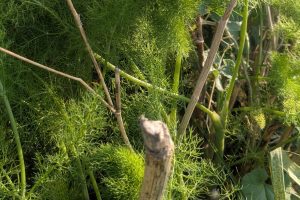
Imagine wandering through the sun-drenched hills of Cyprus, where a tall, feathery plant sways gently in the breeze, releasing a sweet, licorice-like aroma that hints at ancient secrets. This is wild fennel, a humble herb that has flavored Cypriot life for millennia, blending culinary delight with healing wisdom. But what tales does this unassuming plant hold, and why does it thrive so vibrantly on this island paradise? A Fragrant Member of the Carrot Clan Wild fennel, known scientifically as Foeniculum vulgare, belongs to the Apiaceae family – a vast group that includes everyday favorites like carrots, parsley, and dill. This broader taxonomy places it among plants celebrated for their aromatic seeds and leaves, which have sustained Mediterranean communities for generations. In its simplest form, it's a perennial herb that pops up in unexpected places, offering both beauty and utility without demanding much in return. From Ancient Myths to Island Shores The story of wild fennel stretches back to the dawn of Mediterranean civilization, intertwined with human history and mythology. In ancient Greece, it was so abundant on the plain of Marathon – where a legendary battle unfolded in 490 BC – that the site was named after the plant itself; "marathos" in Greek means fennel, evoking images of vast fields swaying like a green sea. Greek scholars like Pliny the…

Read more