Explore Cyprus with Our Interactive Map

Explore our top stories and discover ideas worth your time.

Traditional Food and Meze Events

Traditional Food and Meze Events

Food in Cyprus is rarely just about what is on the plate. It is about time, generosity, and the simple act of being together. One of the clearest expressions of this way of life is the meze, a long, shared dining experience made up of many small dishes that arrive gradually at the table. CyprusMail Traditional food and meze events offer more than a chance to taste local flavors. They reveal how Cypriots understand hospitality, patience, and community, values that have shaped island life for centuries. At its core, meze is not a menu choice. It is an agreement to slow down and share. More Than a Meal, a Social Ritual In practical terms, meze refers to a succession of small dishes served as one extended meal. Instead of ordering individual plates, everyone at the table eats the same food, prepared according to what is fresh, seasonal, or traditional that day. In Cyprus, this structure carries meaning. Meze is not designed to impress through excess or novelty. It unfolds with balance and intention. Light flavors lead into richer ones. Cold dishes prepare the palate, while warm and grilled plates arrive later, anchoring the meal. The experience encourages conversation, pauses, and shared attention rather than speed. This is why meze cannot be rushed. It is meant to be lived through, not…

Read more

Cyprus Buses Connecting Cities

Cyprus Buses Connecting Cities

The bus network in Cyprus operates under a divided structure with four main companies managing different districts. Cyprus Public Transport handles Nicosia and Larnaca districts, EMEL serves Limassol, OSYPA operates in Paphos, and OSEA covers the Famagusta District, including Ayia Napa and Protaras. This fragmentation dates to government restructuring in 2010 that replaced smaller private operators with district-based companies. A separate intercity bus company connects all major cities under one operation. This unified approach to long-distance travel makes planning intercity journeys simpler than navigating local urban routes across different operators. All intercity routes use modern, air-conditioned coaches equipped with WiFi and USB charging ports. The system receives government oversight through the Department of Road Transport, which awards concession contracts to operators. Each company maintains its own website, mobile apps, and fare structures, though standardization efforts have brought more consistency in recent years. Intercity Routes and Their Schedules Popular intercity routes run between Cyprus's main cities multiple times daily. The Nicosia to Limassol route operates frequently with departures roughly every hour during peak times. Nicosia to Larnaca sees similar frequency, with buses running from 6:00 a.m. until late evening. These core routes accommodate the heaviest commuter demand. nano-banana The Limassol to Paphos corridor offers extensive service with 14 departures daily starting at 8:00 a.m. and running until 7:30 p.m. This reflects…

Read more
Painted Churches In the Troodos Region

Painted Churches In the Troodos Region

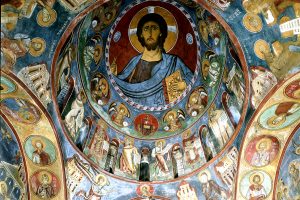
Ten small Byzantine churches scattered across the Troodos Mountains hold some of the finest medieval religious paintings in the Eastern Mediterranean. These UNESCO World Heritage sites preserve 500 years of artistic tradition in their vibrant frescoes. tour-de-cyprus-com Nine of the ten churches stand in the Nicosia District, while one church, Timios Stavros in Pelendri, is located in the Limassol District. These structures date from the 11th to the 16th centuries and display Byzantine metropolitan art of the highest quality alongside unique local characteristics. The churches range from small rural chapels to larger monastery complexes like Agios Ioannis Lampadistis. Their simple exterior architecture contrasts sharply with the sophisticated paintings inside. This striking difference makes them easy to overlook from the outside, but stepping through their doors reveals walls completely covered in colorful religious scenes. Historical Background Cyprus became part of the Byzantine Empire in 965 AD when Emperor Nicephoros Phokas sent a fleet to repel Arab raids. For the next two centuries, Byzantine officials administered the island as a military province. Muslims either left or converted to Christianity, and a period of peace began. Despite high taxes, the island's silk and food trades prospered, and major cities like Kyrenia, Famagusta, Nicosia, and Limassol were founded or expanded. During this stable period, wealthy donors began endowing churches in the Troodos mountains. The…

Read more