Explore Cyprus with Our Interactive Map

Explore our top stories and discover ideas worth your time.

Best Inland Mountain Routes Across Cyprus

Best Inland Mountain Routes Across Cyprus

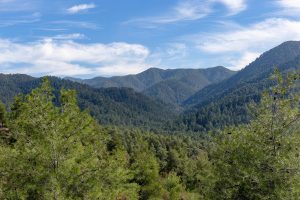
The Troodos Mountains cover one-third of Cyprus and rise to 1,952 meters at Mount Olympus. This massive range stretches across most of the western side of the island, offering cool pine-scented air, traditional villages, and winding roads that climb from sea level through multiple climate zones. These mountain routes provide a complete contrast to coastal Cyprus, both in landscape and atmosphere. storage.googleapis.com Three main routes connect Nicosia to the Troodos region, each offering distinct scenery and driving experiences. The most scenic path runs through Evrychou, Galata, Kakopetria, Platania, outside Kyperounta, Amiantos, and finally Platia Troodos. This route covers approximately 100 kilometers and takes between 90 minutes to two hours depending on traffic and stops. The road features numerous curves and requires careful navigation, particularly for drivers unfamiliar with mountain conditions. Passing slower vehicles can be challenging on narrow sections, but the pure mountain driving experience rewards those who enjoy the combination of concentration and scenery. During winter months, heavy snow can make this route impassable without 4x4 vehicles or tire chains. An alternative loops through Kalopanagiotis, Moutoullas, Pedoulas, and Prodromos before reaching Platia Troodos. This variation offers incredible scenery through the Marathasa Valley but comes with very narrow roads. The decorative walls along village streets create a distinctive character, though roadside parking by tourists can slow progress considerably. The third…

Read more

Troodos Pine Cedar Forests

Troodos Pine Cedar Forests

Mediterranean Pine and Cedar Forests (Troodos) consist of high-altitude woodlands in Cyprus's central mountains, featuring endemic tree species that play a crucial role in soil conservation and provide habitats for unique fauna. These forests, dominated by black pine and Cyprus cedar, cover about 18% of the island and support a diverse ecosystem adapted to the Troodos's alpine conditions. They represent a vital natural legacy, where ancient trees anchor the landscape against erosion while sheltering species found nowhere else on Earth. turbinatravels-com A Timeless Woodland in the Highlands The Mediterranean pine and cedar forests of Troodos form a distinctive high-altitude ecosystem, where dense stands of conifers create a canopy that moderates the island's climate and nurtures biodiversity. Rising from 1,200 to 1,952 meters at Mount Olympus, these woodlands transition from lower maquis scrub to pure pine zones, with Cyprus cedar (Cedrus brevifolia) clustered in pockets like the Cedar Valley. The forests' structure—tall pines with understories of endemic shrubs—prevents soil loss on steep slopes, while their roots stabilize the ophiolite soils unique to Troodos. This environment supports over 750 plant species and serves as a refuge for fauna like the mouflon sheep, making it a cornerstone of Cyprus's natural heritage. wikimedia-org The Troodos range, covering 9,200 hectares of forested area, acts as a climatic regulator for the island, capturing moisture from westerly…

Read more
Polis–Chrysochous Coast

Polis–Chrysochous Coast

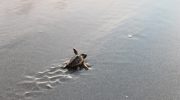
The Polis-Chrysochous coast represents one of Cyprus's most ecologically valuable marine environments. Stretching along the northwestern shore of the island around Chrysochous Bay, this protected area encompasses the waters from the Akamas Peninsula to the villages of Pomos and Pachyammos. The sea surrounding the area is considered a hot spot for its marine biodiversity on a global scale, and an important and fertile habitat or refuge for many living organisms. The coastal waters support extensive Posidonia oceanica seagrass meadows, vital breeding grounds for endangered sea turtles, and populations of critically threatened Mediterranean monk seals. The region gained protected status through designation as part of the Natura 2000 network, recognizing its exceptional ecological significance. The combination of pristine beaches, rocky reefs, and underwater caves creates diverse habitats that sustain an extraordinary variety of marine life from microscopic organisms to visiting cetaceans. Historical Context The Chrysochous Bay region has witnessed human interaction with the sea for thousands of years. The town was built on the foundations of ancient Marion, one of the ten ancient city kingdoms of Cyprus. Ancient Marion flourished from the 5th century BC through Roman times, with fishing providing essential protein and trade goods for the population. Traditional fishing methods remained relatively sustainable through the Byzantine, Lusignan, and Ottoman periods. The 20th century brought dramatic changes. Modern fishing equipment…

Read more