Explore Cyprus with Our Interactive Map

Explore our top stories and discover ideas worth your time.

Cyprus Food Festivals

Cyprus Food Festivals

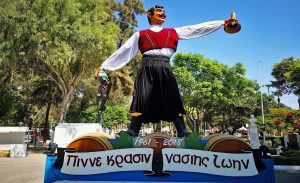
Culinary festivals in Cyprus are not staged food shows or seasonal attractions created for visitors. They are extensions of village life, shaped by agriculture, memory, and the belief that food is meant to be shared. Across the island, festivals dedicated to wine, halloumi, olives, and everyday cooking traditions offer a way to understand Cyprus through participation rather than observation. Food as a Social Language In Cyprus, food festivals usually revolve around a single local product or a small group of related dishes. These events are organised by municipalities, village councils, or community groups, not private promoters. Their purpose is communal before it is celebratory. fastforward-com Recipes, techniques, and rituals that rarely appear in written form are performed publicly, often by people who learned them informally from parents and grandparents. Preparing food together, offering it freely, and eating collectively reinforces the Cypriot idea of hospitality, where sharing food is inseparable from social belonging. Festivals Guided by the Agricultural Calendar The timing of culinary festivals follows the land rather than marketing schedules. Cyprus’s climate supports vineyards, olive groves, dairy farming, and small-scale agriculture, and festivals emerge naturally around moments of harvest and seasonal transition. Spring festivals often highlight fresh produce and early agricultural yields. Summer events reflect abundance and outdoor life, while autumn brings the most significant celebrations, particularly those dedicated to…

Read more

Carob Tree At Cyprus Hillsides

Carob Tree At Cyprus Hillsides

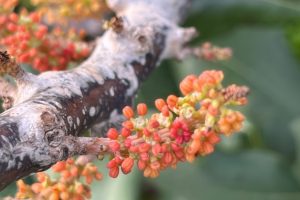
High on the sun-baked slopes where the Mediterranean breeze carries the scent of wild herbs, a sturdy evergreen stands like an old friend its broad crown offering shade and its long, chocolate-brown pods dangling like nature’s own candy bars. Meet the carob tree, a quiet giant of the Cypriot landscape that has sweetened island life for thousands of years. www.inaturalist.org A Hardy Member of the Legume Family Known scientifically as Ceratonia siliqua, this evergreen tree belongs to the Fabaceae family (the pea and bean clan) within the broader order Fabales. In Cyprus it is a classic component of the maquis and garigue shrublands, thriving alongside olives, pistachios and pines. Reaching up to 15 metres with a rounded crown and rough, dark bark, it is perfectly adapted to the island’s dry summers and mild winters. Ancient Companion of Cyprus Forests Long before vineyards or pine plantations covered the hills, carob trees formed part of the island’s original woodland cloak. Early naturalists described vast Mediterranean forests where carob mingled with myrtle, arbutus and pistachio on slopes that later became maquis after centuries of grazing and clearing. In the 19th century, British foresters noted its presence in degraded shrublands, while local tradition has always celebrated the tree’s resilience — plant an olive for your children, the saying goes, but plant a carob for…

Read more
Larnaca Synagogue Cyprus

Larnaca Synagogue Cyprus

The Larnaca Synagogue represents the revival of Jewish religious life in Cyprus after centuries of minimal presence. Also known as the Great Synagogue of Cyprus or Cyprus Central Synagogue, the building was completed in 2005 and inaugurated on September 12, 2003. commons.wikimedia-org Located at Apollodorou 4 in Larnaca, this Orthodox Jewish congregation serves as the spiritual center for approximately 3,500 Jews currently living in Cyprus. The synagogue's establishment marked a historic moment, as Cyprus had been the only European Union nation without an active synagogue. The site serves multiple purposes beyond worship, housing a Jewish community center with educational facilities, kosher restaurants, and plans for a museum documenting Jewish history on the island. Historical Background The Jewish connection to Cyprus dates to the 3rd century BC during the Roman conquest of the island. Archaeological evidence indicates at least three ancient synagogues existed in Lapethos, Golgoi, and Constantia-Salamis. An inscribed column from the 4th century, now in the Cyprus Museum in Nicosia, records the renovation of a synagogue in the 3rd century, proving Jews had returned to the island after earlier expulsions. google-com In 117 AD, Jews on Cyprus participated in the Kitos War, a massive revolt against Roman Emperor Trajan that spread across the eastern Mediterranean. Led by a Jewish commander named Artemion, the uprising on Cyprus resulted in the…

Read more