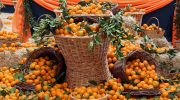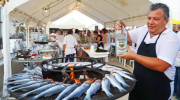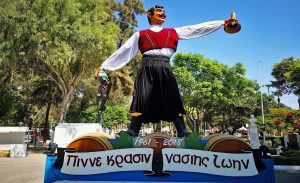
Culinary festivals in Cyprus are not staged food shows or seasonal attractions created for visitors. They are extensions of village life, shaped by agriculture, memory, and the belief that food is meant to be shared. Across the island, festivals dedicated to wine, halloumi, olives, and everyday cooking traditions offer a way to understand Cyprus through participation rather than observation.
- Food as a Social Language
- Festivals Guided by the Agricultural Calendar
- The Limassol Wine Festival: A National Reference Point
- The Famagusta International Art & Culture Festival
- Halloumi Festivals and Rural Knowledge
- Omodos and the Intimacy of Village Celebration
- Street Food Festivals and a Changing Scene
- Why Culinary Festivals Still Matter
- Experiencing Cyprus Through Food
Food as a Social Language
In Cyprus, food festivals usually revolve around a single local product or a small group of related dishes. These events are organised by municipalities, village councils, or community groups, not private promoters. Their purpose is communal before it is celebratory.
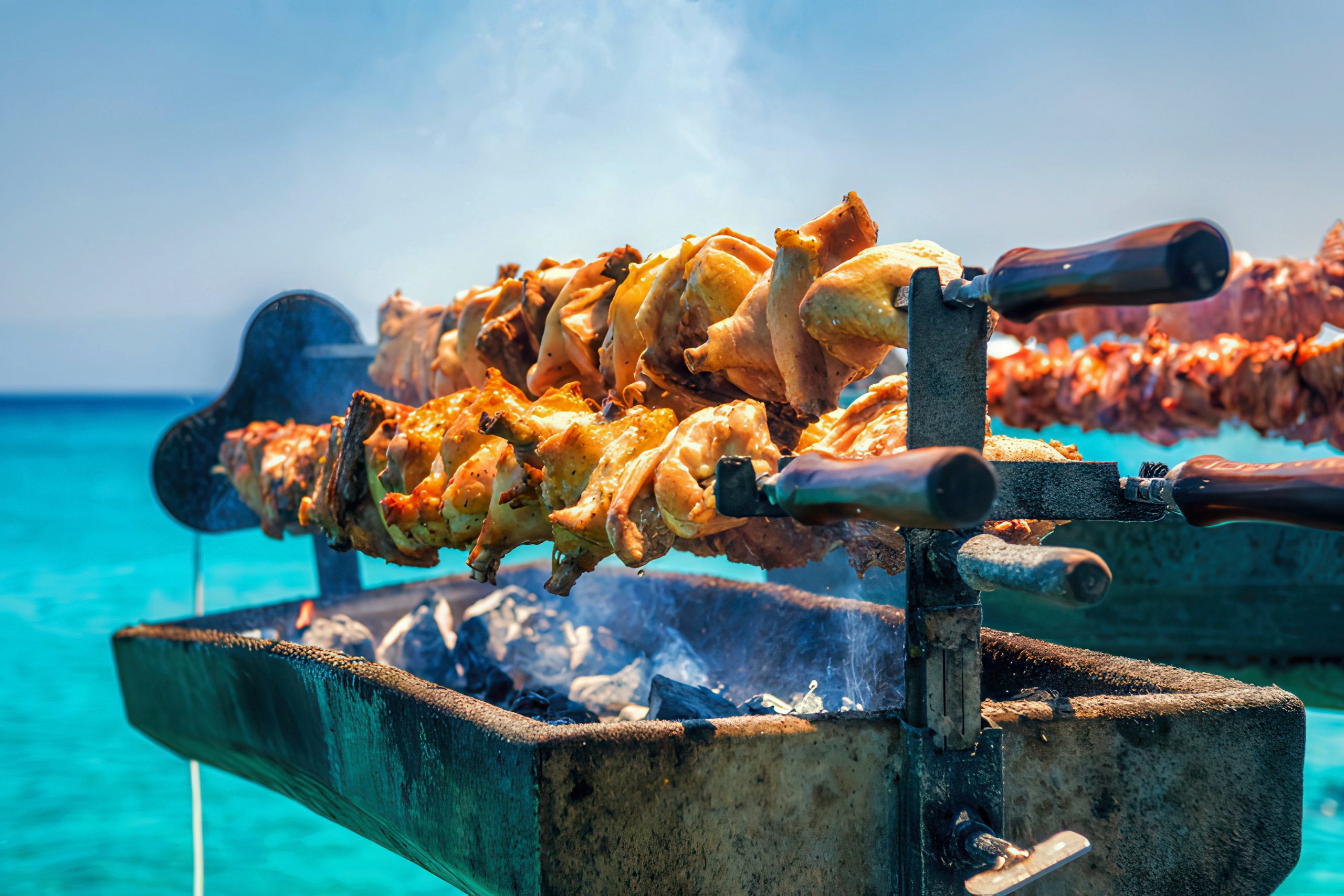
Recipes, techniques, and rituals that rarely appear in written form are performed publicly, often by people who learned them informally from parents and grandparents. Preparing food together, offering it freely, and eating collectively reinforces the Cypriot idea of hospitality, where sharing food is inseparable from social belonging.
Festivals Guided by the Agricultural Calendar
The timing of culinary festivals follows the land rather than marketing schedules. Cyprus’s climate supports vineyards, olive groves, dairy farming, and small-scale agriculture, and festivals emerge naturally around moments of harvest and seasonal transition.
Spring festivals often highlight fresh produce and early agricultural yields. Summer events reflect abundance and outdoor life, while autumn brings the most significant celebrations, particularly those dedicated to grapes, wine, olives, and halloumi. These moments mark pauses in agricultural labour, allowing communities to acknowledge what has been produced before work resumes.
The Limassol Wine Festival: A National Reference Point
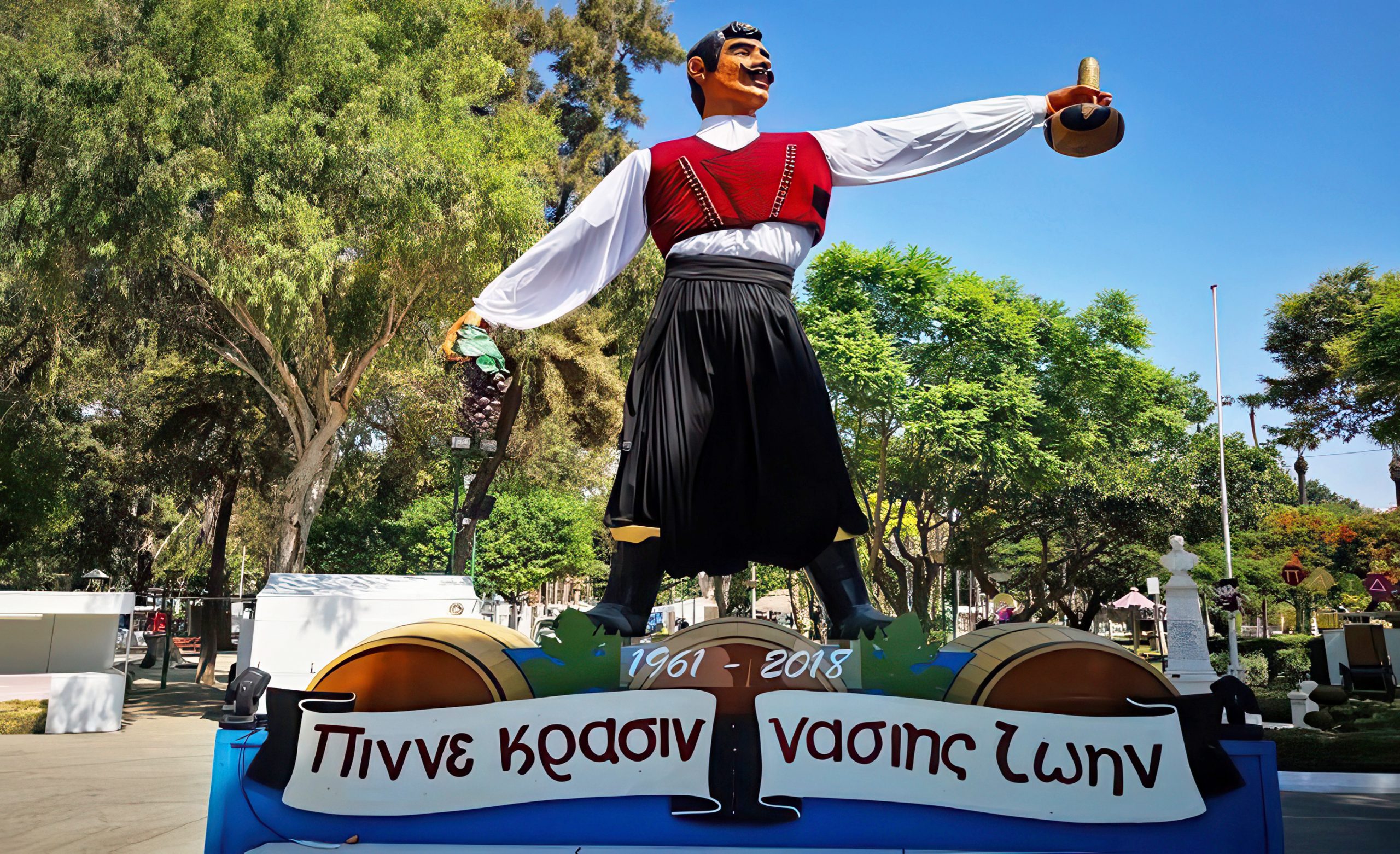
The Limassol Wine Festival is the most widely recognised culinary event in Cyprus and one of the island’s longest-running public festivals. Held annually in the municipal gardens of Limassol since the early 1960s, it celebrates Cyprus’s deep connection to wine production. While it started in 1961, it is worth noting that it was not held in 1964 or between 1974 and 1977 due to political unrest.
Why Wine Matters Here
Viticulture in Cyprus dates back thousands of years, and wine has long played a role in trade, religion, and daily life. The festival was originally established to support local producers and encourage appreciation of domestic wine during a period of rapid social change.
What the Festival Offers
Wine tasting is central, with a strong focus on indigenous grape varieties such as Xynisteri, Mavro, and Commandaria. Traditional music, folk dancing, theatrical performances, and grape-stomping demonstrations create an atmosphere that blends education with celebration.
The Limassol Wine Festival remains relevant because it connects modern audiences to living traditions. It introduces younger generations to local wine culture while reinforcing the identity of Cyprus as a wine-producing island rather than a passive consumer of imported trends.
The Famagusta International Art & Culture Festival
The primary international event is the Famagusta International Art & Culture Festival. While food is present, it is an arts-first festival. Dedicated food festivals often occur in the broader region (e.g., Paralimni or Ayia Napa). Instead of focusing on a single product, it celebrates diversity and exchange.
Famagusta has long been a cultural crossroads, and the festival mirrors this history. Local dishes are presented alongside international cuisines, often prepared by cultural organisations, students, and visiting chefs.
Music, performance, and art accompany the food, creating a space where cultural identities coexist rather than compete. The event attracts a younger and more international audience, showing how Cypriot food culture continues to evolve without losing its foundations.
Halloumi Festivals and Rural Knowledge
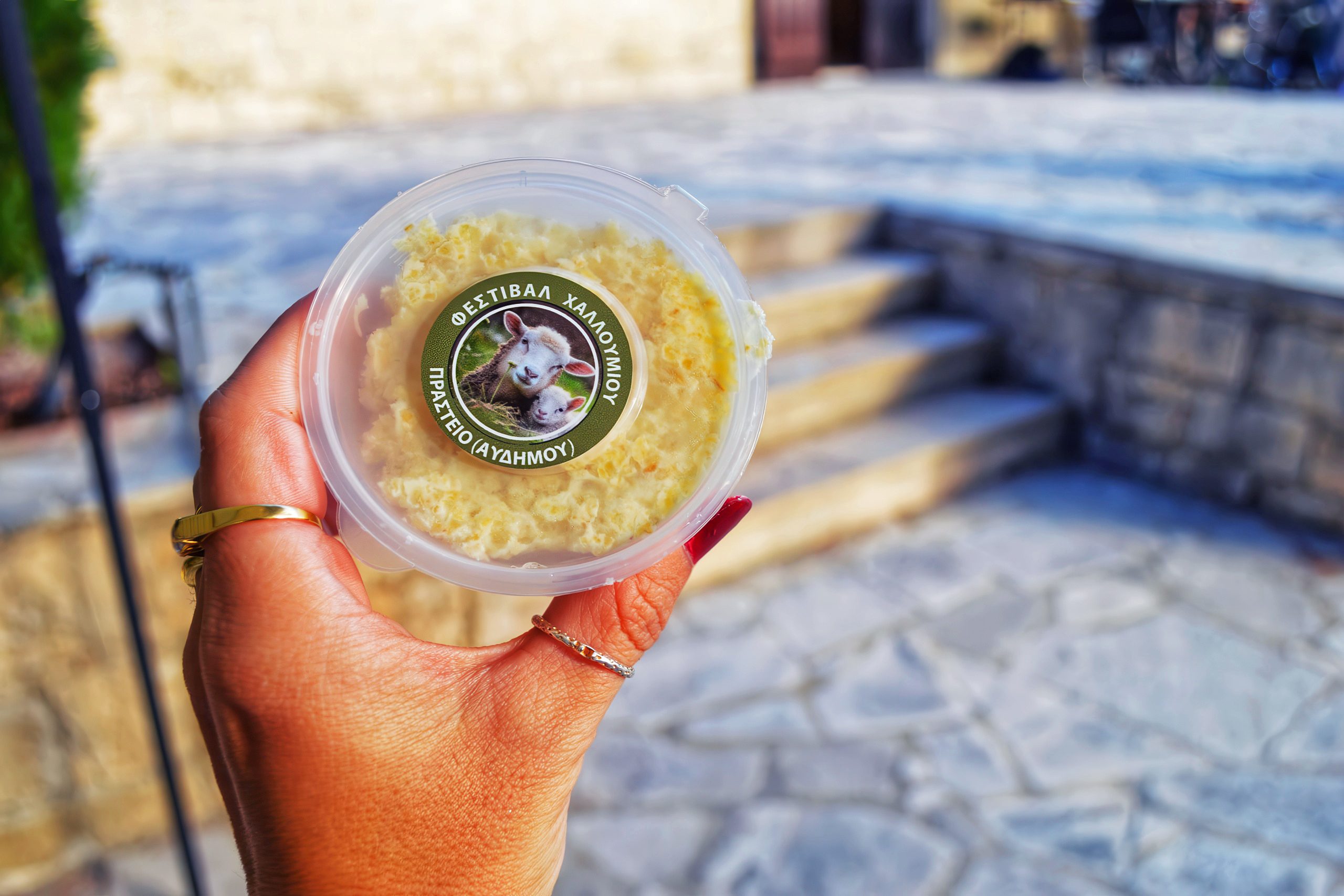
Halloumi festivals, particularly in the Pitsilia region, focus on one of Cyprus’s most recognisable foods and one of its most rural traditions. While Pitsilia has gastronomy festivals, the most prominent Halloumi-specific festivals are typically held in villages like Drousia (Paphos) or Prastio Avdimou (Limassol).
Where Halloumi Comes From
Halloumi production is closely tied to sheep and goat farming in mountainous areas. Its flavour reflects local grazing plants and long-established techniques that prioritise practicality and preservation.
What Visitors Experience
Cheese-making demonstrations allow visitors to see each stage of production, from heating milk to folding the finished cheese with mint leaves. Halloumi is served in multiple forms: grilled, fried, fresh, or paired with watermelon.
Why These Festivals Matter
These events preserve hands-on knowledge that might otherwise disappear. By involving younger generations directly, halloumi festivals help ensure that tradition remains active rather than symbolic.
Omodos and the Intimacy of Village Celebration
The wine and grape festival in Omodos offers a quieter, more intimate expression of Cyprus’s food culture. Omodos has produced wine for centuries and retains traditional presses that reflect earlier production methods. Wine here is tied closely to religious life and communal gatherings.
Grape tastings, wine sampling, and the preparation of traditional foods such as palouzes and soutzoukos take place in the village square. Folk music and shared meals create an atmosphere that feels personal rather than performative. Unlike large urban festivals, Omodos feels like an invitation into village life. Visitors are not spectators but temporary participants.
Olive oil has been central to Cypriot life for thousands of years, and festivals dedicated to olives and olive oil are usually held in autumn as harvesting begins. Olive trees symbolise endurance and continuity. Many families tend the same groves across generations, and olive oil remains essential in cooking, religious practice, and daily routines. Demonstrations of traditional pressing methods, tastings of fresh oil, and local markets selling olive-based products emphasise small-scale production and sustainability.
Street Food Festivals and a Changing Scene
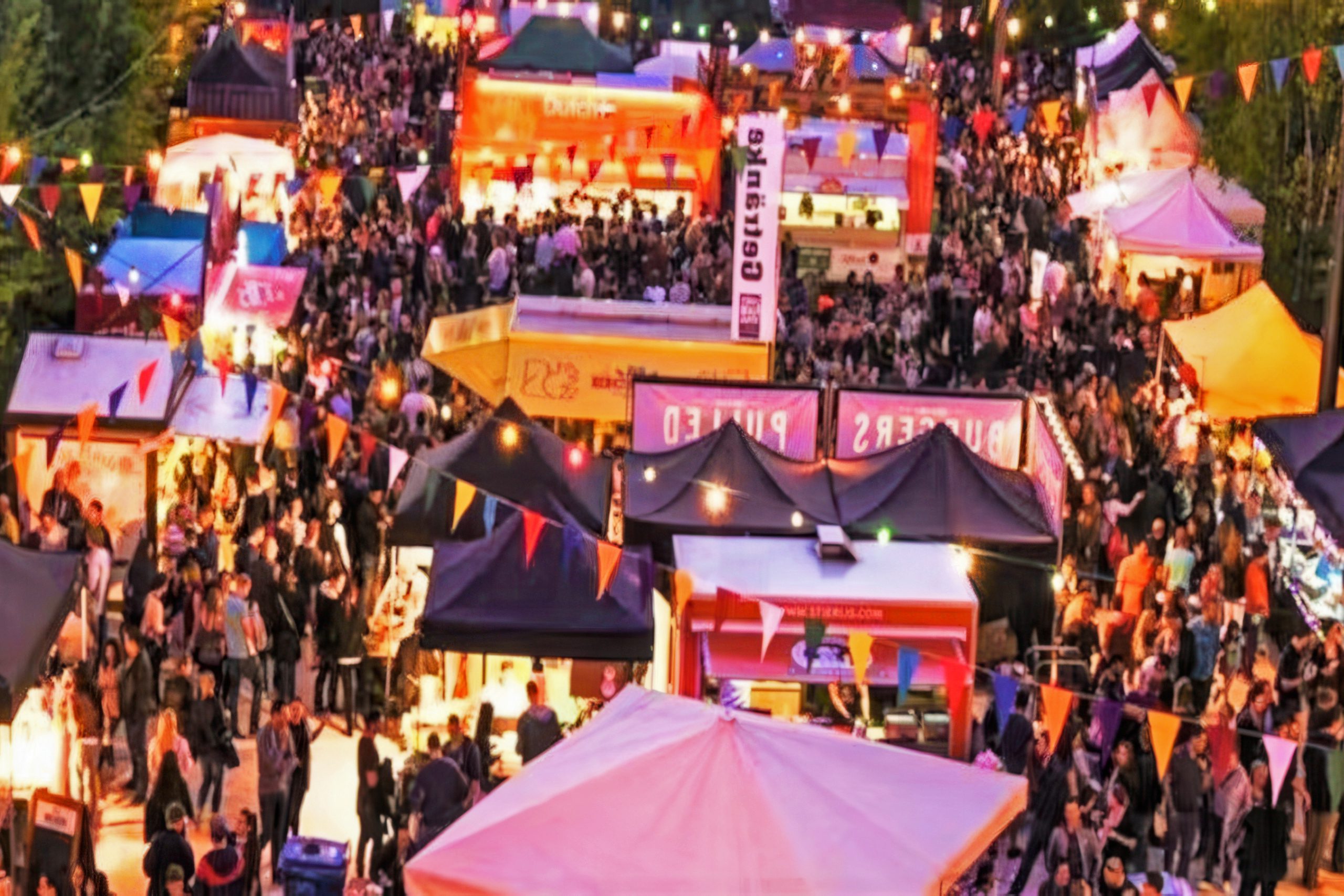
In recent years, street food and market-style festivals have emerged, particularly in urban areas. These events are informal and energetic, bringing together food trucks, small vendors, and cooks experimenting with traditional ingredients in contemporary ways. Although the presentation is modern, the flavours remain familiar. These festivals show how Cypriot cuisine adapts while staying grounded in local produce and shared taste memory.
Why Culinary Festivals Still Matter
Culinary festivals in Cyprus endure because they keep knowledge in motion rather than stored in memory. Techniques that might otherwise remain private, such as cheese-making, olive pressing, or grape preparation, are performed openly, allowing traditions to be seen, tasted, and learned in real time. These gatherings support rural economies, but their deeper value lies in how they reinforce relationships between people, land, and season.
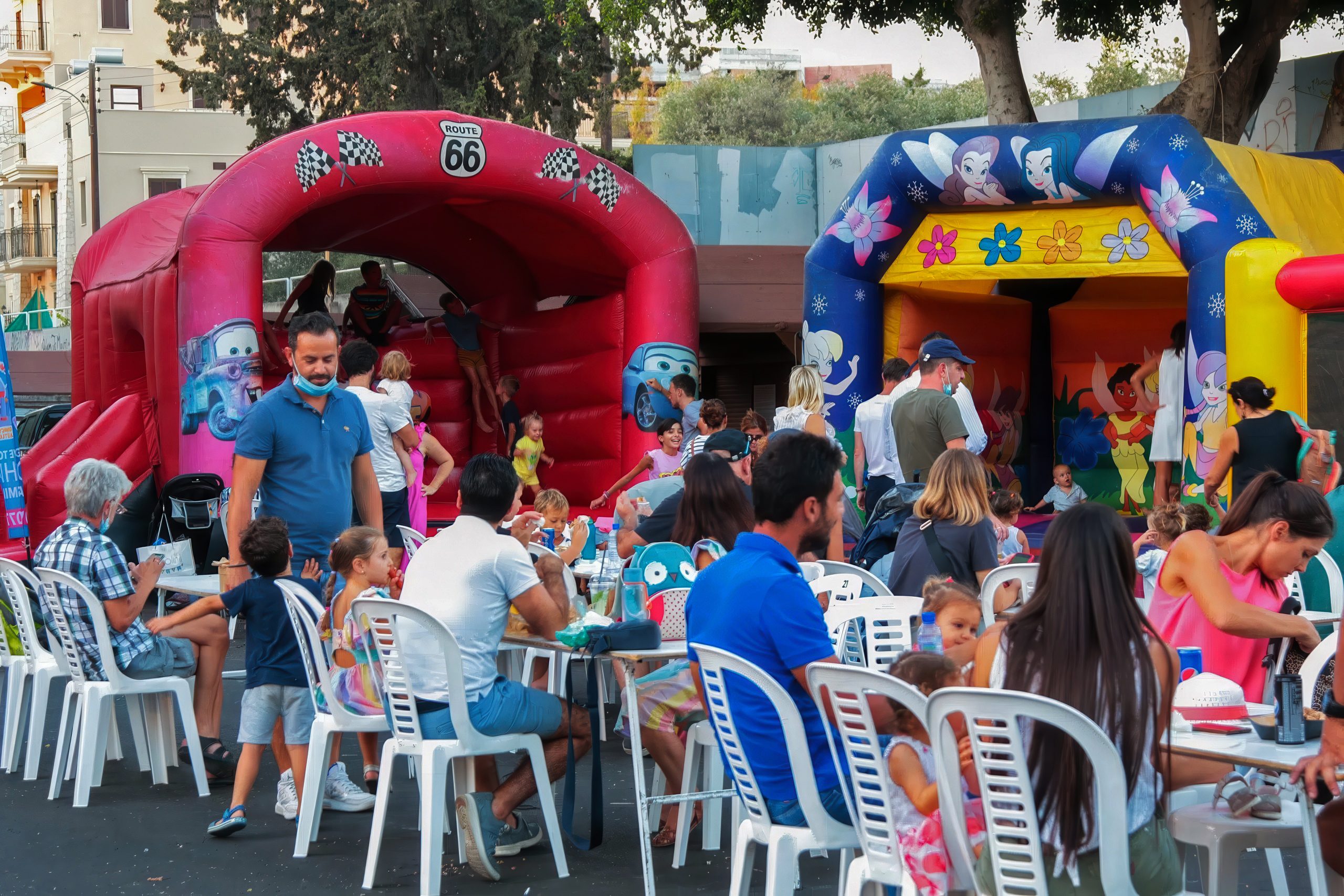
In village squares and city gardens alike, festivals create spaces where social roles soften. Farmers, cooks, elders, children, and visitors share tables without hierarchy, reflecting a long-standing Cypriot belief that food belongs to everyone present. The act of cooking and sharing becomes a form of cultural continuity, ensuring that tradition remains practiced rather than remembered.
Experiencing Cyprus Through Food
To attend a food festival in Cyprus is to step into a community moment rather than a curated attraction. In a busy municipal garden in Limassol or a quiet mountain village square, visitors are welcomed as temporary participants in local life. Conversations unfold over wine and grilled halloumi, music drifts across open spaces, and seasonal produce shapes what is served and celebrated.
Through culinary festivals, Cyprus reveals itself gradually. Wine speaks of centuries of viticulture, halloumi of pastoral knowledge, olives of continuity, and everyday dishes of shared labour and hospitality. The island’s character is not presented through spectacle, but through generosity, repetition, and the simple act of gathering around food.