Explore Cyprus with Our Interactive Map

Explore our top stories and discover ideas worth your time.

St Basil Day Cyprus

St Basil Day Cyprus

Saint Basil Day on January 1 serves as Cyprus's primary gift-giving occasion rather than Christmas Day, honoring the fourth-century bishop known for his charity and liturgical contributions to Orthodox Christianity. Cypriots call the celebration Protochronia, meaning first day of the year, combining religious observance with New Year festivities. asceticlifeofmotherhood-com The centerpiece tradition involves cutting vasilopita, a special cake containing a hidden coin that brings good luck to whoever finds it in their slice. Families gather at midnight on New Year's Eve or the morning of January 1 to perform the ceremonial cake cutting, with slices allocated to Christ, Saint Basil, the house, absent family members, and each person present. The day also features the renewal of waters ritual, where all water containers in homes are emptied and refilled with fresh Saint Basil's Water blessed with a basil sprig and cross. Children receive gifts from Agios Vasilis, the Cypriot equivalent of Santa Claus, maintaining ancient traditions of generosity and new beginnings. Saint Basil the Great and His Legacy Basil of Caesarea, born around 330 AD in Cappadocia, was one of the most influential theologians in early Christianity. As bishop of Caesarea in modern Turkey, he established hospitals, soup kitchens, and hospices for the poor and sick, creating what historians consider the first organized charitable institutions in Christian history. His theological writings…

Read more

Larnaca Fort Cyprus

Larnaca Fort Cyprus

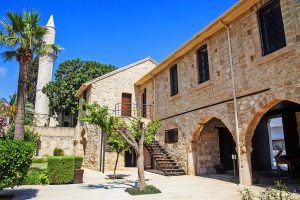
Larnaca Fort is a coastal defensive structure that started as a Byzantine fortification and took its current form during Ottoman rule in the 17th century. The fort sits directly on the waterfront at the western edge of one of Cyprus's most popular seaside promenades. Despite its modest size compared to larger Cypriot castles like Kyrenia or Kolossi, the fort played an essential role in protecting Larnaca harbour and the southern coast from pirates and invaders. Today, it houses the Larnaca Medieval Museum and hosts cultural events in its courtyard. shutterstock-com Historical Background Archaeological evidence suggests the Byzantines built a small fortification on this site in the late 12th century. Larnaca, known in ancient times as Kition, had been inhabited since the 14th century BC. The medieval fort became necessary when the Genoese captured Famagusta, Cyprus's main port, in 1373. This forced the Lusignan Kingdom of Cyprus to develop Larnaca as an alternative major port. larnakaregion-com According to medieval chronicler Florius Boustronius, King James I of Cyprus ordered the expansion of the Byzantine fortification into a more substantial castle between 1382 and 1398. The castle's primary purpose was to defend the harbour and protect the increasingly important port town. During this period, Larnaca transformed from a minor coastal settlement into one of the kingdom's principal trading centers, making coastal defenses critical…

Read more
Christmas And New Year Traditions

Christmas And New Year Traditions

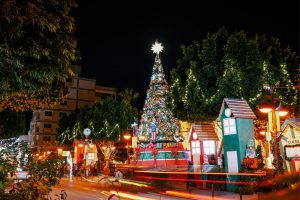
Christmas and New Year celebrations in Cyprus blend Orthodox Christian devotion with ancient folklore and Mediterranean hospitality. The festivities span from December 25 through January 6, creating a 12-day period known as the Dodekaimera or Twelve Days of Christmas. Unlike Western traditions, Cypriots exchange gifts on New Year's Day rather than Christmas, honoring Saint Basil instead of Santa Claus. The celebrations feature midnight church services, children singing Byzantine-era carols called Kalanda, elaborate family feasts with roasted meats and special sweets, and folk beliefs about mischievous goblins called Kalikantzari. The period concludes with Epiphany water blessing ceremonies that purify homes and drive away evil spirits. These traditions maintain cultural continuity across generations while bringing families together during winter's darkest days. The 40 Day Fast and Christmas Preparations Devout Orthodox Cypriots observe a 40-day fast before Christmas called the Nativity Fast, which begins on November 15. During this period, observant believers abstain from meat, dairy, eggs, and fish with backbones on most days. The fast aims to prepare believers spiritually for Christ's birth through self-discipline and reflection. Modern practice varies, with younger urban Cypriots often following modified versions or focusing fasting efforts on Holy Week before Easter. vkcyprus-com December brings intensive house cleaning, shopping for new clothes and shoes, and early preparation of traditional sweets. Families purchase ingredients for melomakarona, honey-soaked cookies…

Read more