Village Squares of Cyprus
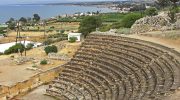
Village squares, called plateia in Greek, represent the beating heart of Cyprus villages where religious, commercial, and social life converges. These open spaces, typically paved with stone or concrete and shaded by ancient plane trees or figs, serve as meeting points where community members gather daily for coffee, conversation, and celebration. dom-com-cy The traditional kafeneio coffee shops that ring village squares function as male social clubs where men play backgammon, debate politics, exchange business information, and maintain the complex social networks that define village identity. Churches or mosques occupy prominent positions on or near the square, establishing spiritual authority over community life. The plateia evolved organically as villages developed, becoming the natural center where radiating streets converged and where public buildings like schools, municipal offices, and cooperatives located themselves for accessibility. Ancient Roots of Public Square Tradition The concept of plateia descends from ancient Greek urban planning where main streets called plateiai, typically three per city, formed the framework of orthogonal town plans. These major thoroughfares connected to narrower stenopoi streets that ran perpendicular, creating rectangular building blocks. The classical agora or marketplace occupied central locations where commerce, politics, and social life intersected, establishing patterns that influenced Mediterranean urban design for millennia. dom-com-cy. Cyprus participated in this Greco-Roman tradition during classical antiquity when cities like Salamis, Kourion, and Paphos featured…
Read more