Explore Cyprus with Our Interactive Map

Explore our top stories and discover ideas worth your time.

Tsiattista

Tsiattista

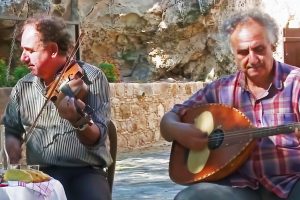
Tsiattista is a form of improvised vocal poetry unique to Cyprus, where performers engage in competitive exchanges of sung verses, demonstrating quick wit, strong memory, and mastery of language. This tradition, central to social gatherings and celebrations, involves rhymed couplets improvised on the spot, often touching on love, humor, or daily life. Recognized by UNESCO as intangible cultural heritage in 2011, tsiattista preserves ancient poetic roots while adapting to contemporary expression, leaving a sense of admiration for its lively, spontaneous nature. youtube-com A Timeless Tradition of Wit and Song Tsiattista embodies Cyprus's rich oral heritage, a practice where two or more singers alternate verses in a rhythmic duel, crafting poetry from the moment's inspiration. Rooted in the island's multilingual history, it blends Greek dialect with elements from ancient, Byzantine, and Ottoman influences, creating a musical dialogue that entertains and challenges. Performed at weddings, festivals, or casual gatherings, tsiattista turns ordinary conversations into art, where clever wordplay and cultural references showcase the performer's skill. This form not only preserves linguistic nuances but also fosters community bonds, making it a living expression of Cypriot identity. youtube-com The Historical Roots of Tsiattista Tsiattista's origins trace to ancient Greek poetic traditions, such as the rhapsodic contests described in Homer's epics around the 8th century BC, where bards improvised verses to honor gods or heroes.…

Read more

Best Inland Mountain Routes Across Cyprus

Best Inland Mountain Routes Across Cyprus

The Troodos Mountains cover one-third of Cyprus and rise to 1,952 meters at Mount Olympus. This massive range stretches across most of the western side of the island, offering cool pine-scented air, traditional villages, and winding roads that climb from sea level through multiple climate zones. These mountain routes provide a complete contrast to coastal Cyprus, both in landscape and atmosphere. storage.googleapis.com Three main routes connect Nicosia to the Troodos region, each offering distinct scenery and driving experiences. The most scenic path runs through Evrychou, Galata, Kakopetria, Platania, outside Kyperounta, Amiantos, and finally Platia Troodos. This route covers approximately 100 kilometers and takes between 90 minutes to two hours depending on traffic and stops. The road features numerous curves and requires careful navigation, particularly for drivers unfamiliar with mountain conditions. Passing slower vehicles can be challenging on narrow sections, but the pure mountain driving experience rewards those who enjoy the combination of concentration and scenery. During winter months, heavy snow can make this route impassable without 4x4 vehicles or tire chains. An alternative loops through Kalopanagiotis, Moutoullas, Pedoulas, and Prodromos before reaching Platia Troodos. This variation offers incredible scenery through the Marathasa Valley but comes with very narrow roads. The decorative walls along village streets create a distinctive character, though roadside parking by tourists can slow progress considerably. The third…

Read more
Salamis Bathhouse Mosaics

Salamis Bathhouse Mosaics

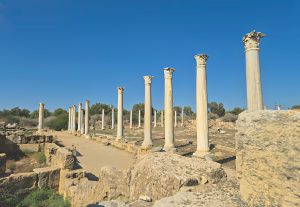
The Salamis bathhouse mosaics show how Roman Cyprus combined leisure, engineering, and civic identity inside one of the island’s most ambitious public complexes. These floors were designed to shape movement and atmosphere, pairing mythic scenes with technical skill, imported materials, and heated rooms that made bathing a daily performance of status. This article explains how the mosaics worked within the bathhouse system, what their imagery signalled, and why their survival still matters for understanding Roman urban life on Cyprus. googleusercontent-com A Capital Built to Be Seen Salamis was not an ordinary provincial town. For long periods, it functioned as the administrative and commercial heart of Cyprus, benefiting from trade routes that linked the Aegean, the Levant, and Egypt. When the city was rebuilt after a devastating earthquake in the first century AD 76/77 and a later insurrection in AD 116, Roman emperors invested heavily in its public architecture. googleusercontent-com The gymnasium and bathhouse complex became one of the most imposing structures in the eastern Mediterranean. Its scale alone communicated status. Wide colonnades, marble-clad halls, and carefully planned water systems transformed bathing into a public performance of Roman order and prosperity. Bathing as a Social Ritual In Roman cities, baths were not private spaces for cleanliness. They were communal environments where physical care, leisure, and social interaction blended into a daily…

Read more