Cyprus closed its last passenger railway in 1952, and the final narrow gauge system shut down in 1974. Since then, discussions about establishing modern rail connections between major cities have surfaced periodically, particularly as traffic congestion worsens. In October 2024, studies were still underway for potential railway development. However, no concrete plans have materialized, leaving buses as the sole option for public ground transportation.

This absence of rail infrastructure places unique pressure on the bus system. Unlike cities where metro systems handle bulk passenger movement, Cyprus relies exclusively on road transport to connect urban centers, rural villages, and tourist destinations.
Understanding the Four Types of Bus Services
Cyprus operates four distinct categories of bus service, each serving a specific purpose. Airport transfer buses connect all major towns to Larnaca and Paphos airports. These services run frequently and provide tourists and residents with reliable links to international travel hubs. Adult fares typically range from €10 to €16 depending on the destination.

Interurban buses link major towns daily with frequent routes. These services form the backbone of inter-city travel, operating through companies like InterCity Buses. Routes connect Nicosia, Limassol, Larnaca, Paphos, and the free Famagusta area throughout the day.
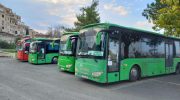
Urban buses operate within towns, connecting different neighborhoods and running frequently during daytime hours. In tourist areas, summer services extend into late evening. Companies like Cyprus Public Transport in Nicosia and Larnaca, EMEL in Limassol, and Pafos Transport in Paphos manage these networks.
Rural buses serve villages with connections to the nearest town, though service frequency remains limited. These routes typically run two or three times daily on both weekdays and weekends, addressing the needs of smaller communities that would otherwise lack public transit access.
Affordable Pricing That Encourages Regular Use
Bus fares in Cyprus vary by route but still remain relatively affordable compared to private vehicle ownership costs. A standard one-way ticket typically ranges from €2.50 to €4.00, while return fares fall between €4.50 and €7.50 depending on distance. Weekly passes cost around €20.00 to €37.50, while monthly cards range from €45.00 to €80.00. Annual passes are available from €450.00 up to €800.00 based on the route.
The system continues to offer substantial discounts to specific groups. Students under 18 and university students receive 50 percent reductions with proper identification. Children under six ride free, as do soldiers with military identification, low-income pensioners with benefit cards, and wheelchair users with their companions.
From September 2025, the government implemented a major student subsidy program. Monthly student fares dropped to €5, with the government covering an additional €17. Annual student tickets cost just €30, with a €190 government subsidy. Large families and Minimum Guaranteed Income beneficiaries receive zero-value tickets entirely.
Recent Modernization Efforts Show Progress
Cyprus has actively modernized its bus infrastructure in recent years. In 2022, Cyprus Public Transport redesigned Nicosia’s system, changing route numbers, adding new hubs, and upgrading buses. The implementation occurred in two phases and reached completion by late 2023.
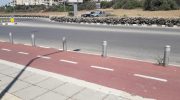
Larnaca began its Sustainable Urban Mobility Plan in late 2025, scheduled to run through January 2027. This 16-month initiative focuses on creating safer, more accessible, and sustainable transport. Plans include new cycling lanes, redesigned bus corridors, improved pavements, safer junctions, and upgraded traffic systems that prioritize public transport.
The Motion card system, managed by the Ministry of Transport, Communications and Works, provides a unified payment platform across all Cyprus bus operators. The official Cyprus Bus application tracks real-time arrivals at each stop, making journey planning significantly easier than before.

Why Cyprus Relies So Heavily on Private Cars
Despite these improvements, Cyprus maintains one of Europe’s highest car ownership rates. The island recorded 647 passenger vehicles per 1,000 residents in 2023, placing it fourth in the European Union. This figure far exceeds the EU average of 550 cars per 1,000 inhabitants.
Several factors drive this dependence. The absence of rail transport leaves buses as the only public option, and service frequency in rural areas remains insufficient for daily needs. Cyprus’s relatively small size and dispersed population make personal vehicles more convenient for many trips.

The motorization rate grew 19.9 percent between 2012 and 2022, rising from 549 to 658 cars per 1,000 people. This steady increase reflects both economic growth and the perceived inadequacy of public transport alternatives for all travel requirements.
The Environmental and Social Benefits of Bus Travel
Buses offer clear advantages beyond simple transportation. Using public buses reduces individual carbon footprints, addressing environmental concerns as Cyprus works toward EU sustainability targets. The current fleet modernization includes more fuel-efficient vehicles, though electric bus adoption remains minimal.
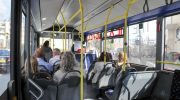
Bus travel eliminates parking stress in congested urban centers. Major cities like Nicosia and Limassol face increasing parking shortages, particularly near commercial districts and historical sites. Taking the bus removes this burden entirely.

Economically, regular bus use costs substantially less than vehicle ownership. When factoring in fuel, insurance, maintenance, and parking fees, monthly bus passes provide significant savings. For students and low-income residents, subsidized fares make transportation accessible regardless of financial circumstances.
The system also reduces traffic congestion. Designated bus lanes in major cities allow public transport to bypass gridlock, making journey times more predictable than driving during peak hours.
The Path Forward for Cyprus Public Transport
Buses will remain the foundation of public mobility in Cyprus for the foreseeable future. The complete absence of rail infrastructure and the impracticality of other mass transit options leave road transport as the only viable solution.

Recent investments and modernization efforts demonstrate government commitment to improving service quality. Student subsidies, infrastructure upgrades, and digital tools all move the system in the right direction. Yet significant challenges remain before buses can meaningfully reduce the island’s car dependency.
Success requires addressing rural service gaps, extending operating hours, and creating seamless connections between all major destinations. Only through comprehensive coverage and reliable frequency will buses transform from a budget alternative into the preferred choice for island mobility.
The statistics tell a clear story. Cyprus needs buses because no alternatives exist, but residents prefer cars because buses don’t yet meet all their needs. Closing this gap represents the central challenge for transportation planners in the coming decade.