Explore Cyprus with Our Interactive Map

Explore our top stories and discover ideas worth your time.

Cyprus City Kingdoms

Cyprus City Kingdoms

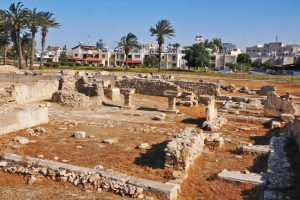
For over 3,000 years, Cyprus was home to powerful independent city-kingdoms that controlled trade routes, mined copper, and blended Greek, Phoenician, and local cultures into something uniquely Cypriot. These ancient cities left behind spectacular ruins - theaters still hosting performances, mosaic-floored villas, and temple foundations - that tell the story of a small island that punched far above its weight in the ancient world. A Patchwork of Powerful Cities Unlike many ancient lands ruled by a single king or empire, Cyprus developed as a collection of independent city-kingdoms. Each coastal city controlled its surrounding territory, built its own temples and palaces, minted its own coins, and conducted its own diplomacy with the great powers of Egypt, Persia, and Greece. worldhistory-org At its height during the Iron Age (around 1000-300 BC), Cyprus had about a dozen of these city-kingdoms. Names like Kourion, Kition, Salamis, and Paphos appeared in ancient texts and on diplomatic correspondence. Some were founded by Greek colonists, others by Phoenician traders, but all developed distinctly Cypriot identities that blended Eastern and Western influences in architecture, religion, and daily life. From Bronze Age Towns to Iron Age Kingdoms Cyprus's city-kingdoms emerged from earlier Bronze Age settlements that had grown wealthy from copper mining and Mediterranean trade. By 1600-1050 BC, the island had become a crucial hub connecting the civilizations…

Read more

Popular Tourist Travel Paths

Popular Tourist Travel Paths

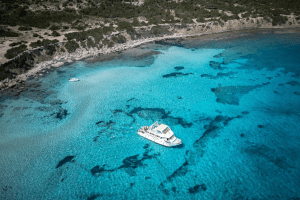
Cyprus offers distinct travel paths that showcase different aspects of the island within compact distances. The most popular routes connect coastal cities, ancient archaeological sites, mountain villages, and natural landmarks. shutterstock-com Each path reveals unique character, from beach-focused coastal routes to cultural exploration in the mountains. The island spans just 240 kilometers east to west and 96 kilometers north to south, making multiple routes accessible during a single visit. Well-maintained roads, clear signage in both Greek and English, and short drive times allow travelers to experience varied landscapes within hours. These established paths have developed over years of tourism, balancing accessibility with authentic experiences. The Coastal Circuit from East to West The main coastal route runs from Larnaca through Limassol to Paphos, covering approximately 130 kilometers. This path represents the classic Mediterranean Cyprus experience with beaches, resorts, and seaside culture. Larnaca serves as the typical starting point, located near the island's main international airport. The city offers Finikoudes Beach with its palm-lined promenade and the Church of Saint Lazarus, a 9th-century structure housing the saint's tomb. shutterstock-com The route continues east to Ayia Napa and Protaras, known for exceptional beaches. Ayia Thekla beach features fine white sand and crystal-clear waters, ranked among Cyprus's prettiest beaches. Cape Greco National Forest Park provides coastal walking trails, sea caves, and the Love Bridge…

Read more
Whispers of the Wild Marathos

Whispers of the Wild Marathos

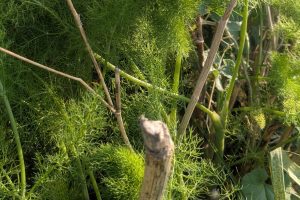
Imagine wandering through the sun-drenched hills of Cyprus, where a tall, feathery plant sways gently in the breeze, releasing a sweet, licorice-like aroma that hints at ancient secrets. This is wild fennel, a humble herb that has flavored Cypriot life for millennia, blending culinary delight with healing wisdom. But what tales does this unassuming plant hold, and why does it thrive so vibrantly on this island paradise? www.inaturalist.org A Fragrant Member of the Carrot Clan Wild fennel, known scientifically as Foeniculum vulgare, belongs to the Apiaceae family – a vast group that includes everyday favorites like carrots, parsley, and dill. This broader taxonomy places it among plants celebrated for their aromatic seeds and leaves, which have sustained Mediterranean communities for generations. In its simplest form, it's a perennial herb that pops up in unexpected places, offering both beauty and utility without demanding much in return. From Ancient Myths to Island Shores The story of wild fennel stretches back to the dawn of Mediterranean civilization, intertwined with human history and mythology. In ancient Greece, it was so abundant on the plain of Marathon – where a legendary battle unfolded in 490 BC – that the site was named after the plant itself; "marathos" in Greek means fennel, evoking images of vast fields swaying like a green sea. Greek scholars like Pliny…

Read more