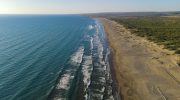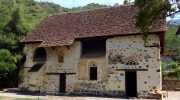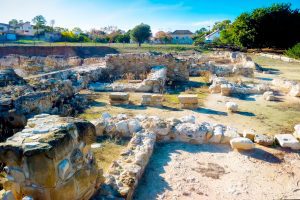
The Cyclopean Walls and Temple Complex of Kition represent one of Cyprus’s most important archaeological landmarks, where monumental architecture, urban planning, and cultural traditions converged within one of the island’s earliest city centers. Located in present-day Larnaca, ancient Kition was one of Cyprus’s ten city-kingdoms and developed into a major center of trade, industry, and cultural exchange from the Late Bronze Age onward.
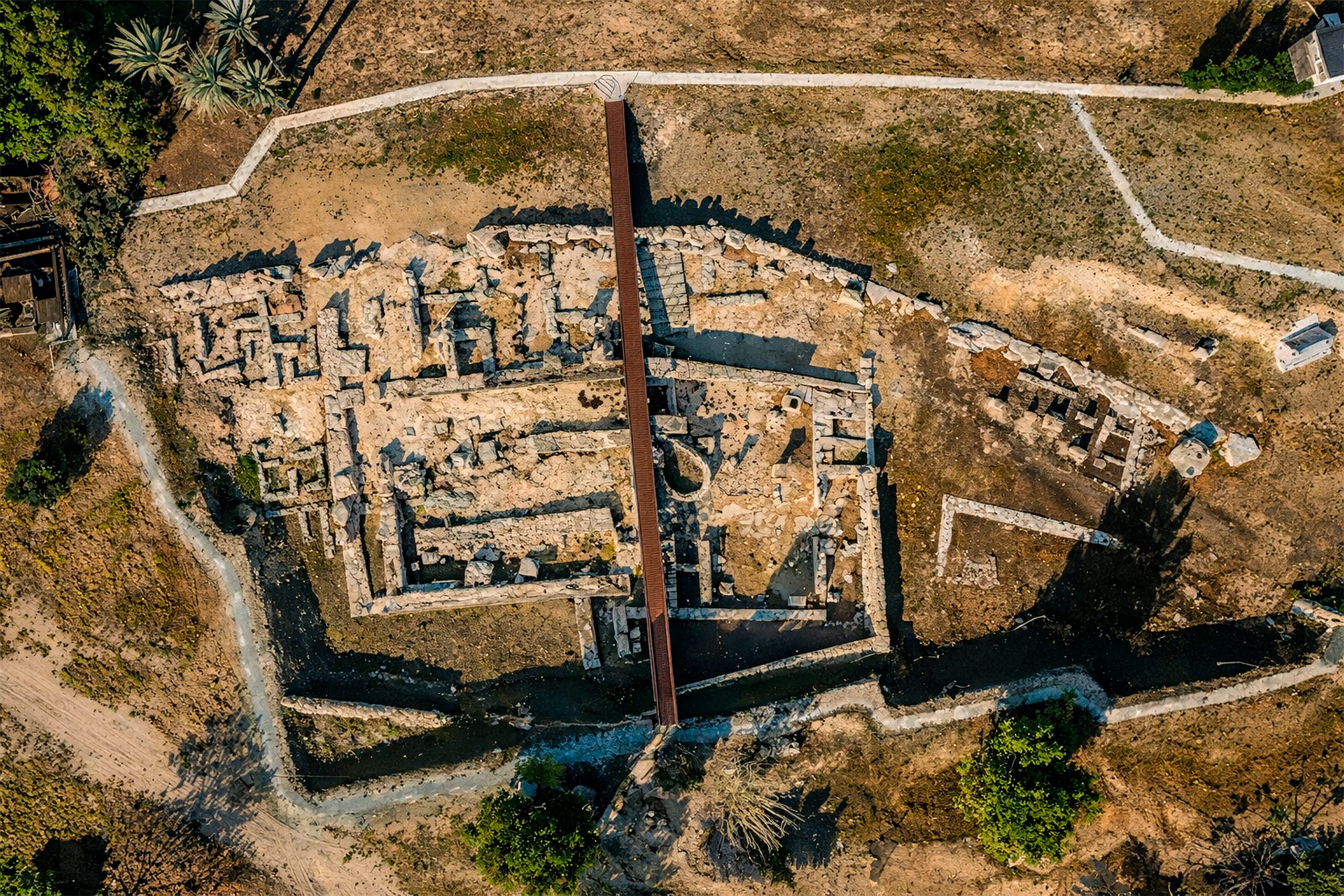
The complex is characterized by its imposing defensive walls, constructed from enormous limestone blocks, which enclosed a series of ceremonial and administrative buildings associated with the Phoenician population that settled in the city. Archaeological evidence links several of these structures to figures prominent in Phoenician cultural traditions, including Astarte and Melqart.
Serving the Phoenician community that became influential in Kition from the 9th century BC, the site functioned as a center for public gatherings, cultural activities, economic exchange, and community organization. Reflecting Cyprus’s position between the eastern and western Mediterranean worlds, the complex evolved over many centuries, combining local Cypriot traditions with influences from Mycenaean Greece, Phoenicia, Egypt, and neighboring regions. Today, it offers valuable insight into the island’s multicultural past.
A Sacred Complex in Ancient Kition
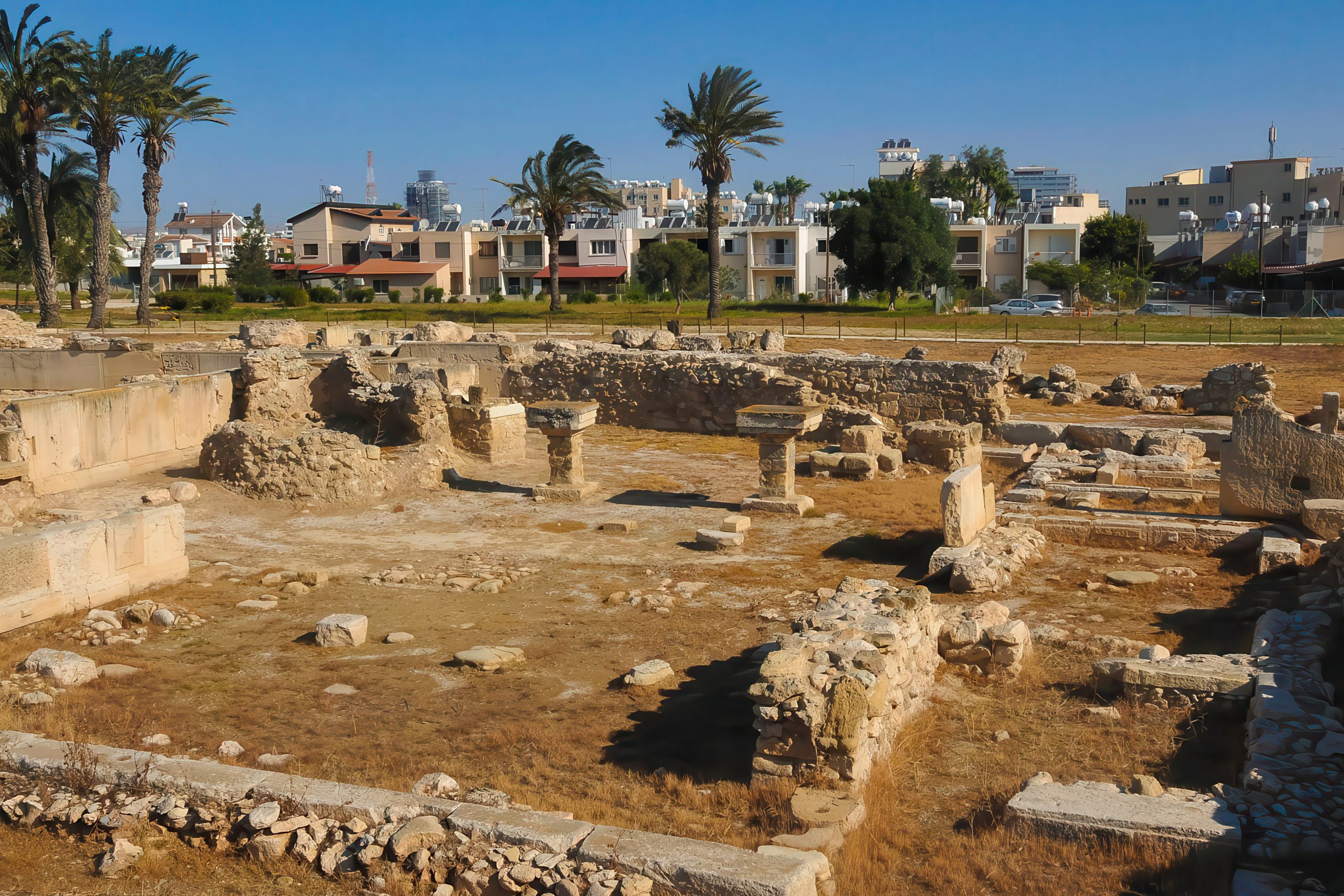
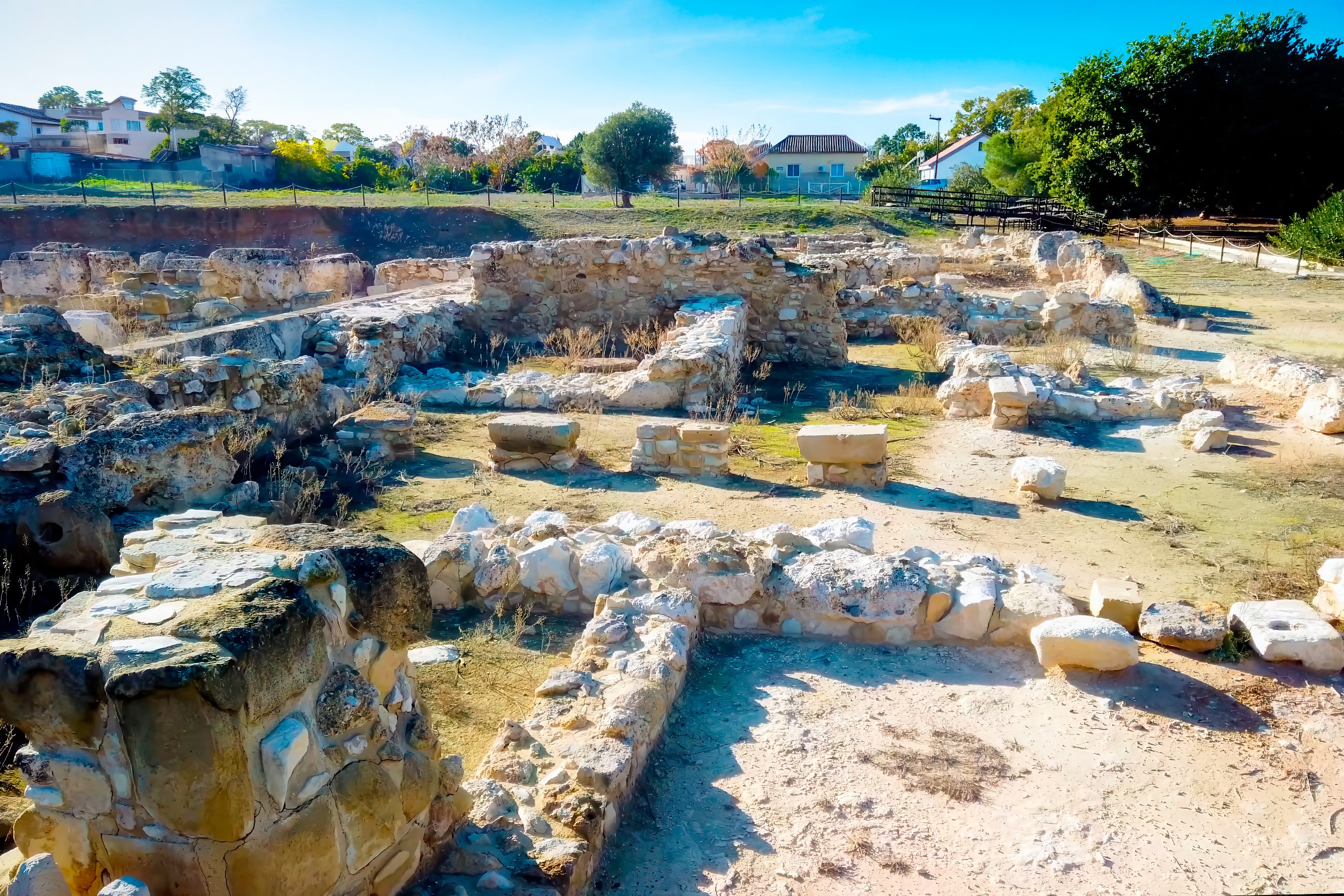
The Cyclopean Walls and associated structures formed a central part of ancient Kition, extending across a large area of what is now modern Larnaca. The walls, named after their massive stone construction, surrounded key sections of the settlement and defined important civic and ceremonial spaces.
Within the enclosed area stood several large buildings, including one of the largest Phoenician-period structures discovered on Cyprus. These buildings display architectural features comparable to those found in major Phoenician cities such as Tyre. Open courtyards, work areas, storage facilities, and industrial installations were integrated into the complex, illustrating the close relationship between civic administration, commerce, and daily life.
The site also contained copper-processing workshops, reflecting Kition’s significant role in the Mediterranean metal trade. Located near natural harbors, the settlement became an important maritime center connecting Cyprus with surrounding regions.
Archaeological discoveries, including terracotta figurines, pottery, jewelry, tools, and imported goods, demonstrate extensive cultural interactions between Cyprus and neighboring civilizations.
Historical Development and Transformation
The origins of the complex date to approximately 1400 BC, when Mycenaean settlers established a fortified settlement in the area. The earliest Cyclopean walls were built using enormous limestone blocks, reflecting increasing urban organization and the emergence of city-based societies.
During the 12th century BC, the site underwent several phases of rebuilding and expansion. Archaeological investigations in the Kathari area have identified multiple successive structures constructed over earlier foundations, illustrating continuous occupation despite periods of regional instability.
A major transformation occurred during the 9th century BC with the arrival of Phoenician settlers from the Levant. Existing structures were renovated and expanded, introducing architectural features associated with Phoenician urban centers while retaining elements of earlier Cypriot and Mycenaean traditions.
Under Persian administration during the 5th century BC, Kition prospered as a commercial and naval center. Subsequent Hellenistic and Roman periods brought further modifications, incorporating architectural styles common throughout the eastern Mediterranean.
Following shifts in trade routes and regional political changes, sections of the complex gradually fell out of use. Over the centuries, building materials were reused in nearby settlements. Archaeological excavations conducted from the nineteenth century onward, including investigations by the Swedish Cyprus Expedition and later international teams, revealed the site’s layered history and its importance in understanding Mediterranean cultural exchange.
Today, preservation efforts continue as urban development and environmental factors present ongoing challenges.
Features of the Cyclopean Walls and Temples
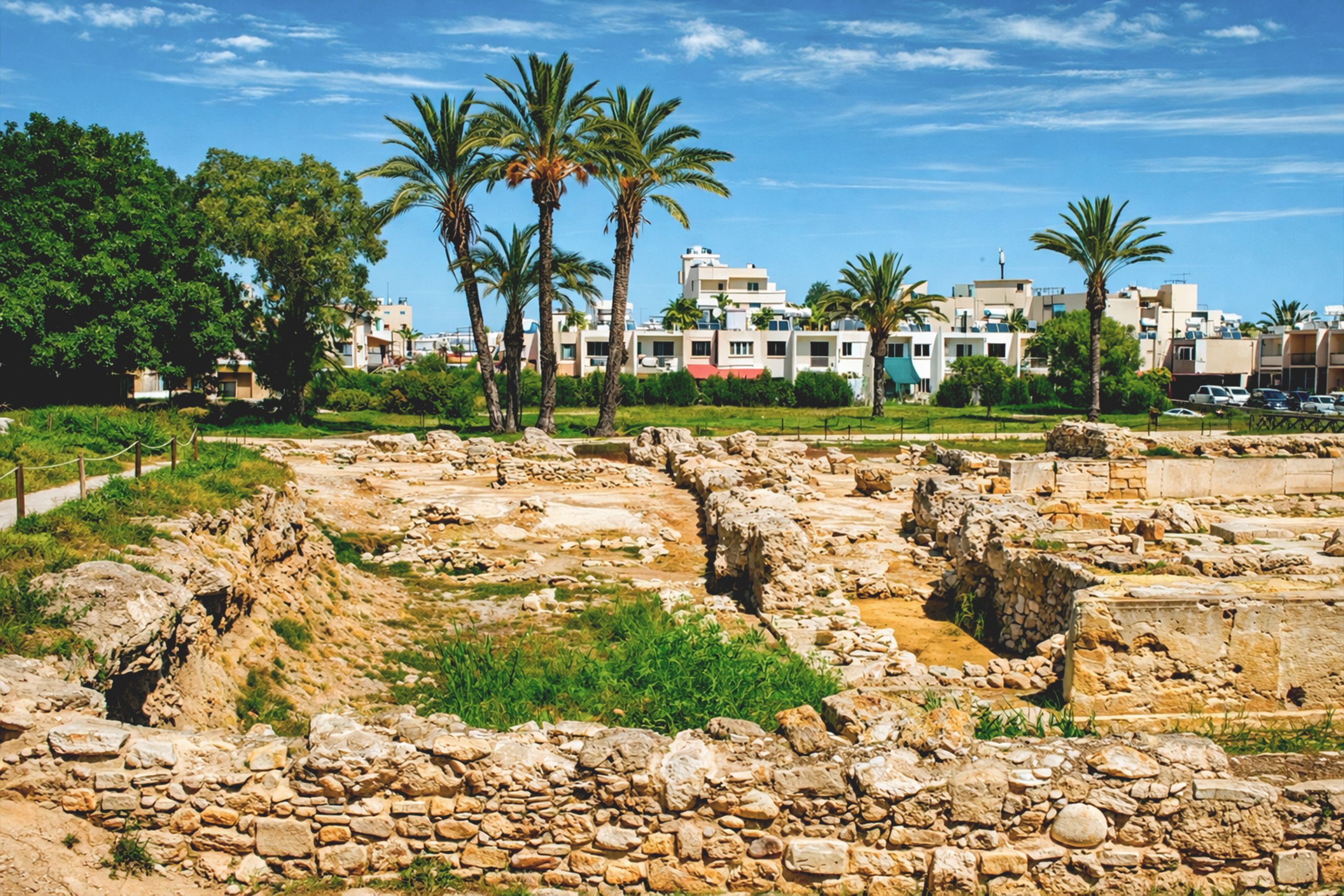
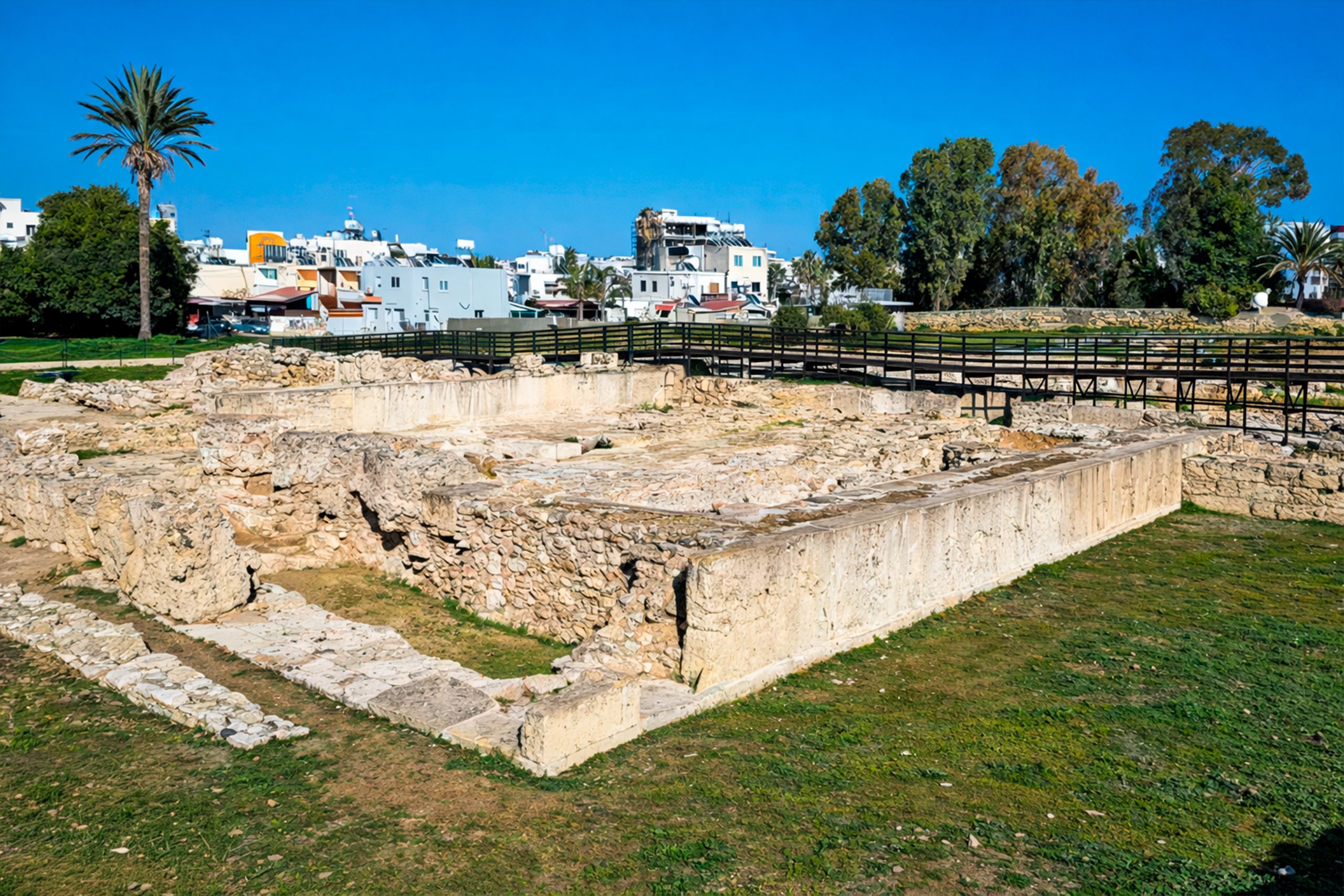
The Cyclopean walls were constructed from massive limestone blocks fitted together without mortar. Some sections reached several meters in thickness and height, providing both defensive strength and resilience against seismic activity.
Inside the enclosure, later construction phases introduced carefully cut stone masonry and more elaborate building layouts. Large courtyards, columned spaces, storage areas, and workshop zones reveal a highly organized urban environment.
Archaeological findings indicate extensive copper processing and metalworking activities. Bronze tools, imported ceramics, and trade goods illustrate Kition’s role within international commercial networks.
The site’s coastal location contributed to its strategic importance, providing access to maritime trade routes while benefiting from natural harbors that supported shipping and commerce.
Notable Aspects That Highlight Its Uniqueness
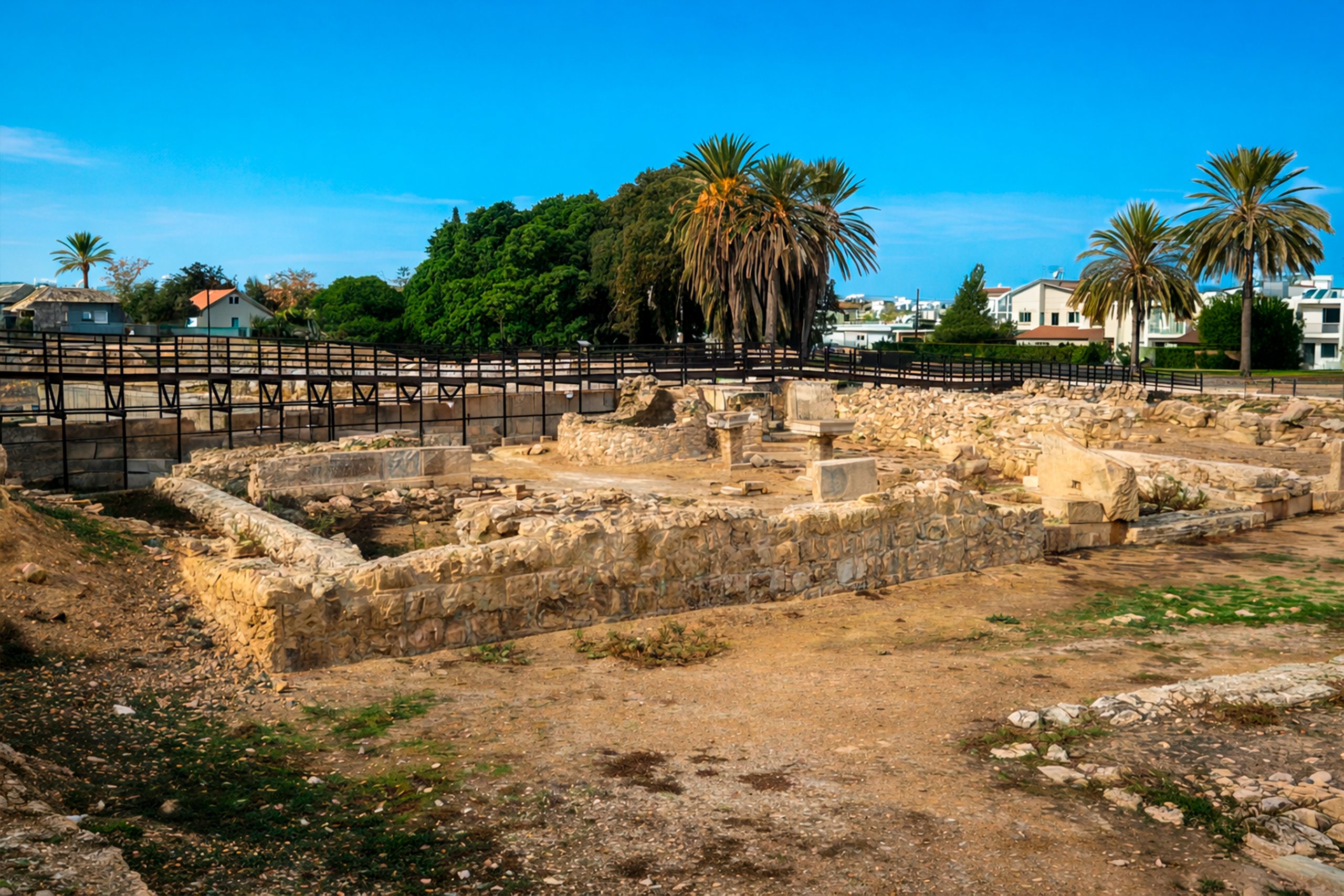
One remarkable feature is the sheer scale of the Cyclopean walls, among the earliest in the Eastern Mediterranean, rivaling Mycenaean fortifications at Tiryns and symbolizing Kition’s early urban ambition. The complex holds Cyprus’s record for continuous temple use, with five superimposed sanctuaries spanning 500 years, illustrating architectural evolution from Mycenaean to Phoenician styles.
Rare finds like a Phoenician inscription invoking Astarte and Melqart underscore bilingual rituals, while legends tie the site to biblical parallels, as its masons reportedly built Solomon’s Temple. Adaptations include the integration of copper production in sacred spaces, studied for their ritual-metallurgical links, with artifacts like oxhide ingots evoking divine craftsmanship.
The integration of industrial activities, particularly copper production, within the complex demonstrates the close relationship between economic activity and urban development in ancient Kition.
Deeper Ecological and Cultural Impacts for Cyprus’s Cultural Mosaic
The Cyclopean Walls and Temple Complex of Kition played an important role in shaping Cyprus’s cultural landscape. As a center of trade and interaction, it facilitated the exchange of ideas, technologies, artistic styles, and commercial goods across the Mediterranean.
The site contributed to the development of local crafts, metallurgy, architecture, and urban planning traditions. Its long history reflects the diverse communities that influenced Cyprus over many centuries.
Archaeological research continues to provide valuable information about ancient social organization, trade networks, and daily life. The complex remains a key source of evidence for understanding how Cyprus connected different regions and cultures throughout antiquity.
Cyclopean Walls and Temples of Kition in Cyprus Today
On January 30, 2026, the Cyclopean Walls and Temples of Kition define Larnaca’s archaeological landscape, with ongoing excavations uncovering Iron Age layers amid climate challenges like 2°C warmer temperatures shortening dig seasons by 15%. Heritage threats from development are addressed by Department of Antiquities protections since 2010, enhancing fencing by 20%.
Modern adaptations include virtual reality tours for global access, increasing visitor engagement by 25%. This site shapes identity, with events like “Phoenician Day” educating on ancient ties, blending rites with contemporary tourism generating €500,000 annually.
Opportunities for Exploration
Larnaca trails offer wall and temple viewing, open year-round with €2.50 entry. Guided archaeology tours by Cyprus Tourism cost €15-20 to explore artifacts. Winter site walks in January include eco-hikes, no fee. Spring ritual reenactments in April pair with city stays for insights. Many areas have online cams for remote viewing.
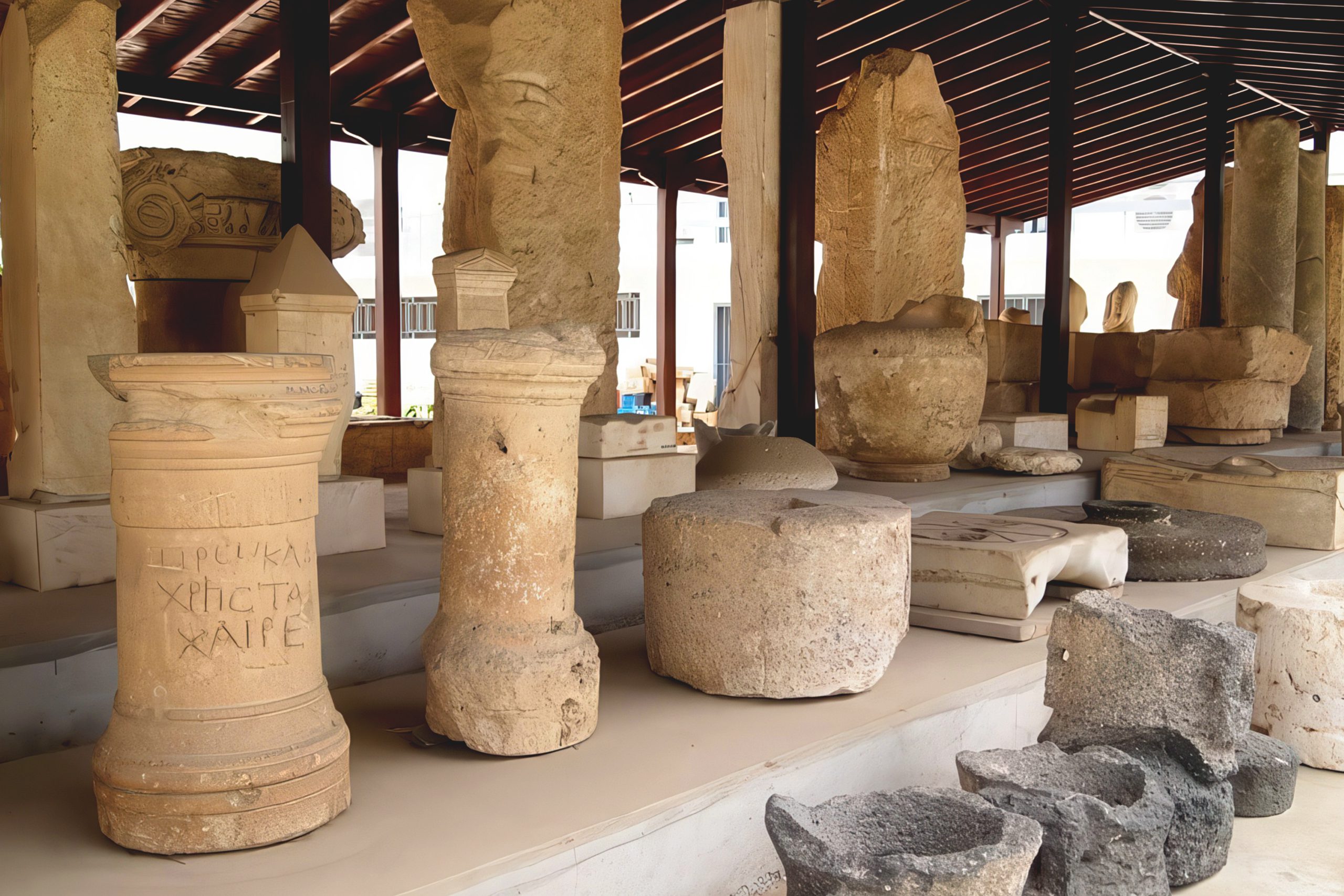
A Complex of Phoenician Legacy
The Cyclopean Walls and Temple Complex of Kition stand as a testament to the engineering skill, commercial success, and cultural diversity of ancient Cyprus. Through centuries of construction, adaptation, and exchange, the site became an important center of urban life and Mediterranean interaction.
Its remains continue to reveal new insights into the island’s history, highlighting the enduring importance of preserving archaeological heritage for future generations.
Videos: