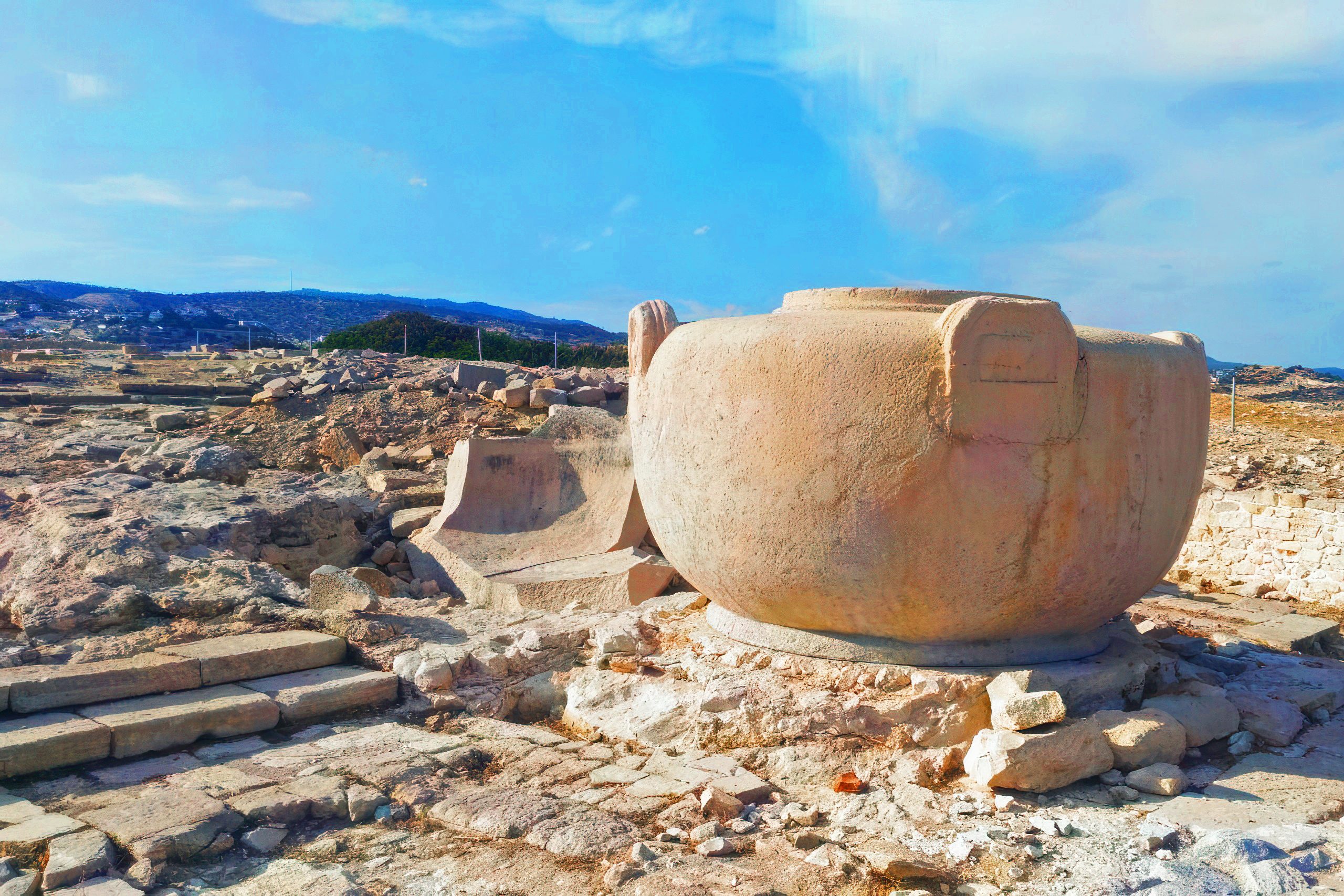
Located on the acropolis of Amathus, this sanctuary was a major rival to Paphos and featured two giant stone vases symbolizing the city’s wealth.
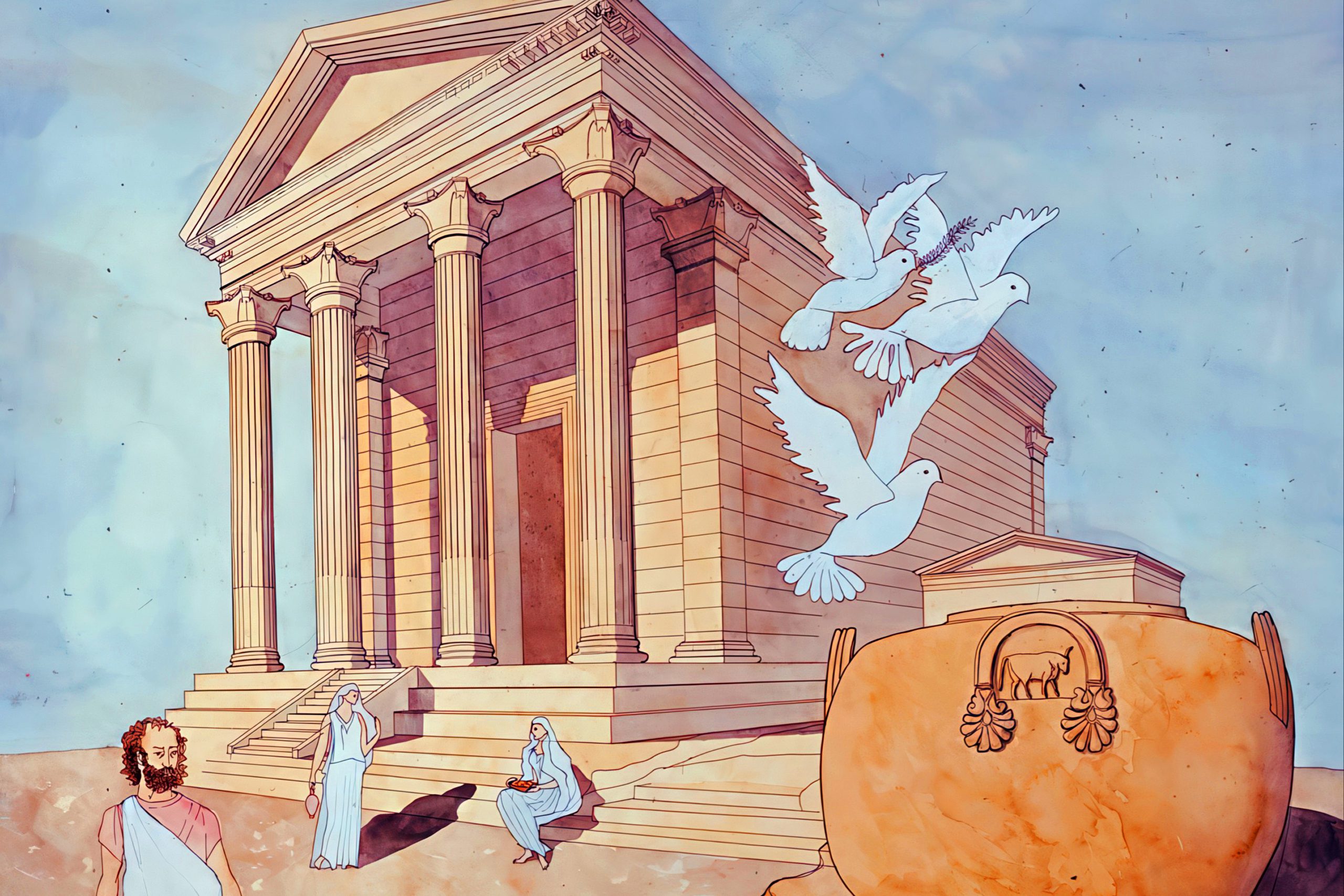
The Temple of Aphrodite at Amathus stands as an enduring symbol of Cyprus’s ancient religious landscape, where devotion to the goddess of love and fertility rivaled the famed sanctuary at Paphos, drawing pilgrims from across the Mediterranean. Perched on the acropolis of the ancient city-kingdom of Amathus, near modern Limassol, this site blended indigenous Cypriot traditions with Phoenician, Greek, and Roman influences, reflecting the island’s role as a cultural melting pot.
Dedicated to Aphrodite, often syncretized with the earlier Astarte, the temple highlighted Amathus’s prosperity through monumental features like two colossal stone vases, each weighing around 14 tons and standing over 1.85 meters tall, which served as emblems of the city’s wealth and engineering prowess. As a key center for rituals tied to fertility, beauty, and renewal, it competed with Paphos for prestige, underscoring regional rivalries in ancient Cyprus. Today, the ruins offer insights into millennia of worship, from prehistoric roots to Roman grandeur, fostering appreciation for the island’s layered heritage amid ongoing archaeological discoveries.
- A Major Sanctuary on the Acropolis
- The Historical Formation and Evolution
- Features of the Temple and Sanctuary
- Notable Aspects That Highlight Its Uniqueness
- Deeper Ecological and Cultural Impacts for Cyprus’s Spiritual Biodiversity
- Temple of Aphrodite at Amathus in Cyprus Today
- Opportunities for Exploration
- A Temple of Rivalrous Splendor
A Major Sanctuary on the Acropolis
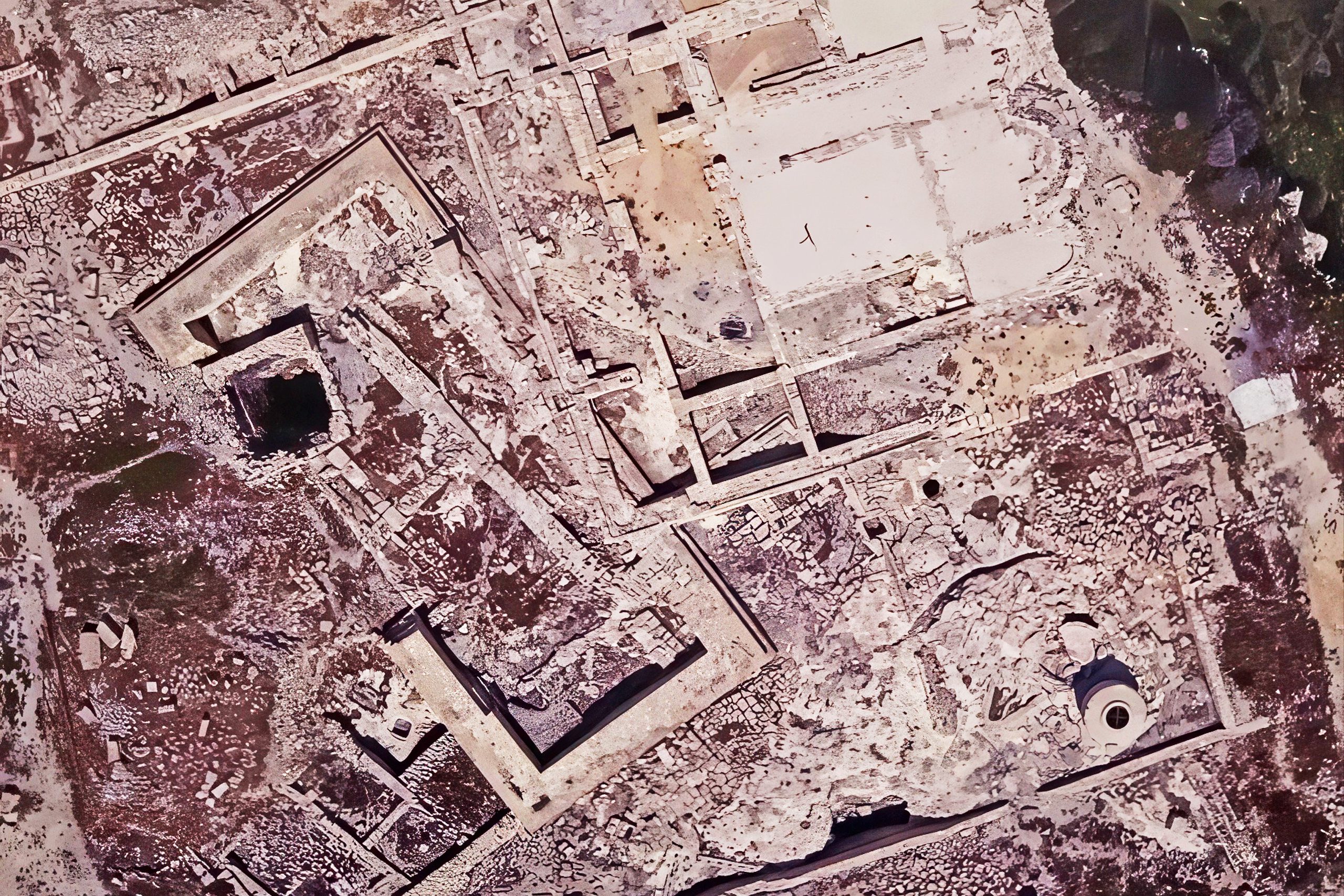
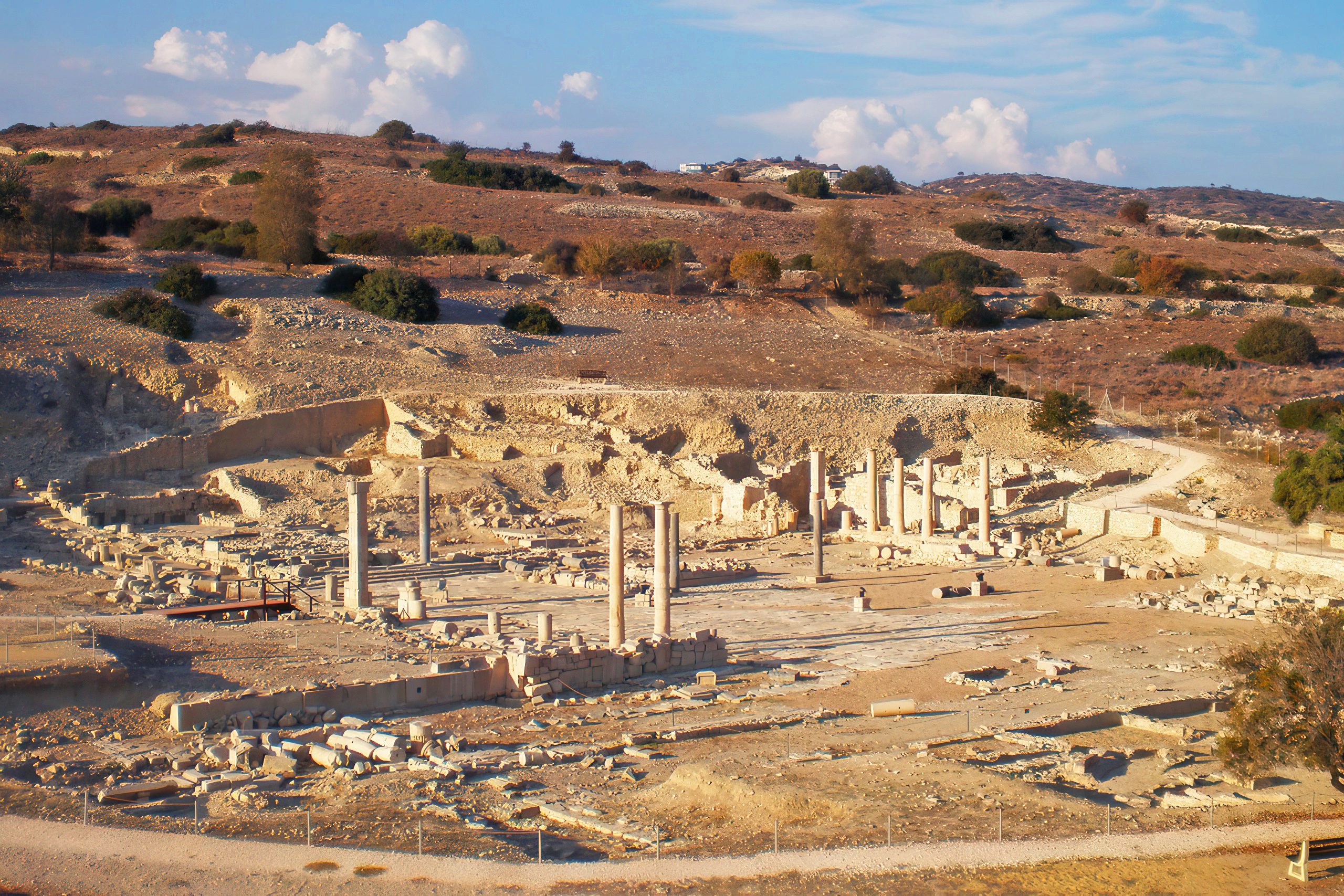
The Temple of Aphrodite crowned the acropolis of Amathus, a strategic hilltop overlooking the southeastern coast, providing both defensive advantages and panoramic views of the sea where the goddess was mythically born. Spanning several hectares, the sanctuary included a large podium temple, altars, courtyards, and associated structures like baths and basilicas, forming a complex that integrated religious, social, and economic functions. Amathus, one of Cyprus’s ten ancient city-kingdoms, thrived on trade in copper, timber, and agriculture, with the temple serving as its spiritual heart.
Worship here focused on Aphrodite-Astarte, a fusion of Greek love goddess and Phoenician fertility deity, involving offerings, processions, and possibly sacred prostitution as described in ancient texts. The site’s elevation, rising about 40 meters above the plain, created a dramatic setting for rituals, with natural springs below symbolizing purification and rebirth. In a Mediterranean climate with hot summers averaging 30°C and rainy winters around 15°C, seasonal festivals aligned with harvests and solstices, drawing devotees seeking blessings for love, childbirth, and prosperity. The rivalry with Paphos stemmed from both sites claiming primacy in Aphrodite’s cult; while Paphos boasted her mythical birthplace, Amathus emphasized its indigenous roots and monumental displays, like the giant vases at the temple entrance, which held water or oils for ceremonies, showcasing the city’s affluence and artistic skill.
The Historical Formation and Evolution
The sanctuary’s origins trace to the Late Bronze Age around 1100 BC, when Amathus emerged as a settlement founded, according to myth, by Amathous, son of King Aerias, or by Greek hero Theseus who left Ariadne there after the Minotaur saga. Archaeological evidence from votive offerings dates the cult to the 8th century BC, with early shrines honoring a fertility goddess akin to Astarte, introduced by Phoenician traders. By the Archaic period (7th-6th centuries BC), the site gained prominence, marked by the creation of the giant stone vases, monolithic craters carved from local limestone, symbolizing wealth from trade networks spanning the Levant and Aegean. Greek influences intensified in the Classical era (5th-4th centuries BC), syncretizing the deity as Aphrodite, with the temple rivaling Paphos in fame, as noted by historians like Strabo who described Cyprus’s dual Aphrodite centers. Under Persian rule in the 5th century BC, Amathus resisted Hellenization, maintaining indigenous elements, but Hellenistic kings like the Ptolemies (3rd-1st centuries BC) enhanced the site with grand architecture.
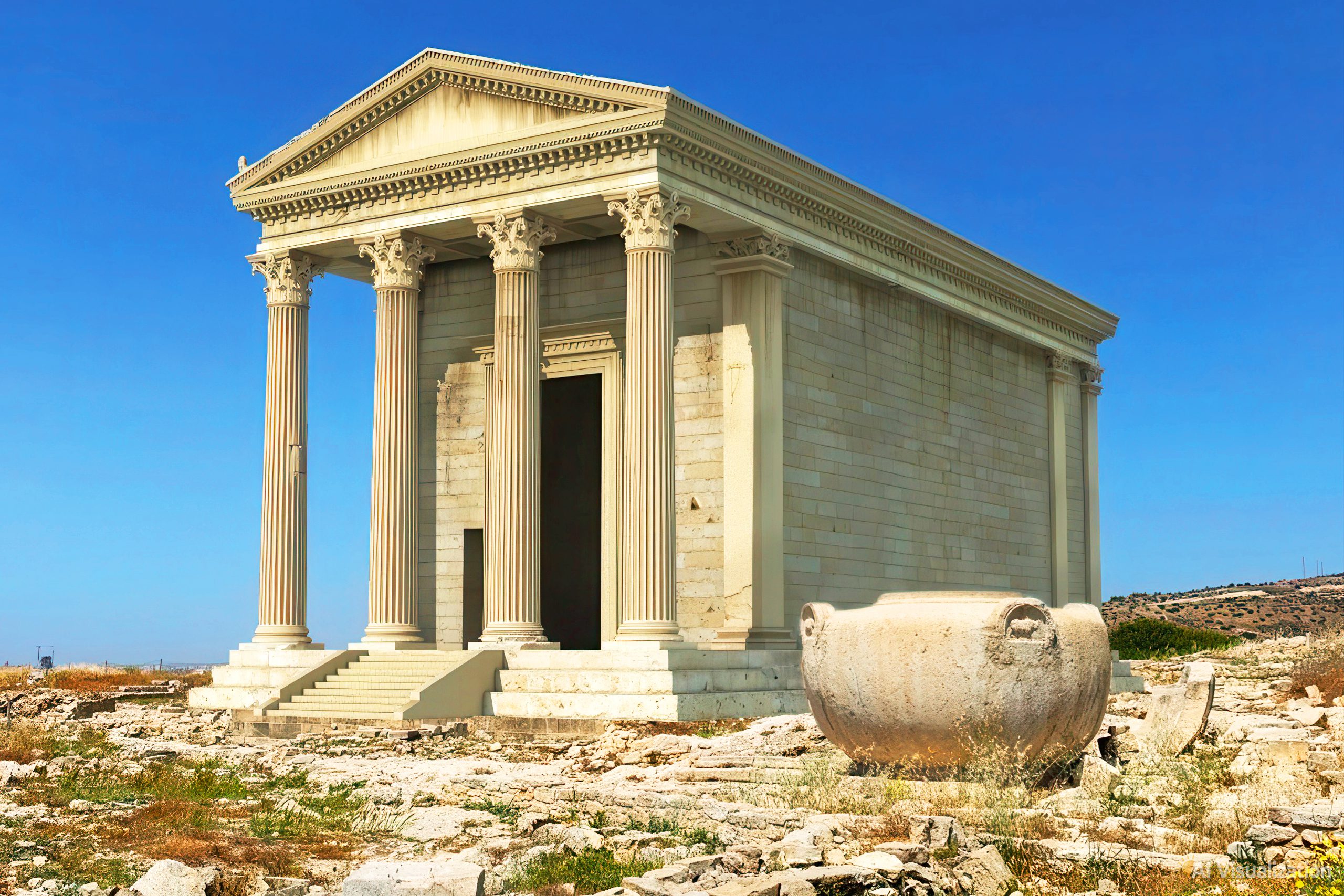
The Roman period (1st century BC-4th century AD) saw the temple’s reconstruction in the 1st century AD as a Greek-style peripteral building with columns and a podium, measuring about 32 by 15 meters, funded by imperial patronage. Tacitus mentions its antiquity, second only to Paphos. Byzantine era (4th-7th centuries AD) adapted parts into a Christian basilica, overlaying pagan remnants. Arab raids in the 7th century led to decline, with the site abandoned by the medieval period. Lusignan (1192-1489) and Venetian (1489-1571) rulers noted ruins in chronicles, while Ottoman (1571-1878) locals used stones for buildings. British colonial excavations began in the 19th century, with French missions since 1975 uncovering layers, including the vases, one now in the Louvre. Post-1960 independence, UNESCO recognition in 1985 as part of Amathus’s ruins preserved it, though climate change since 1960, with 2°C warmer temperatures, accelerates erosion by 20%, threatening exposed structures.
Features of the Temple and Sanctuary
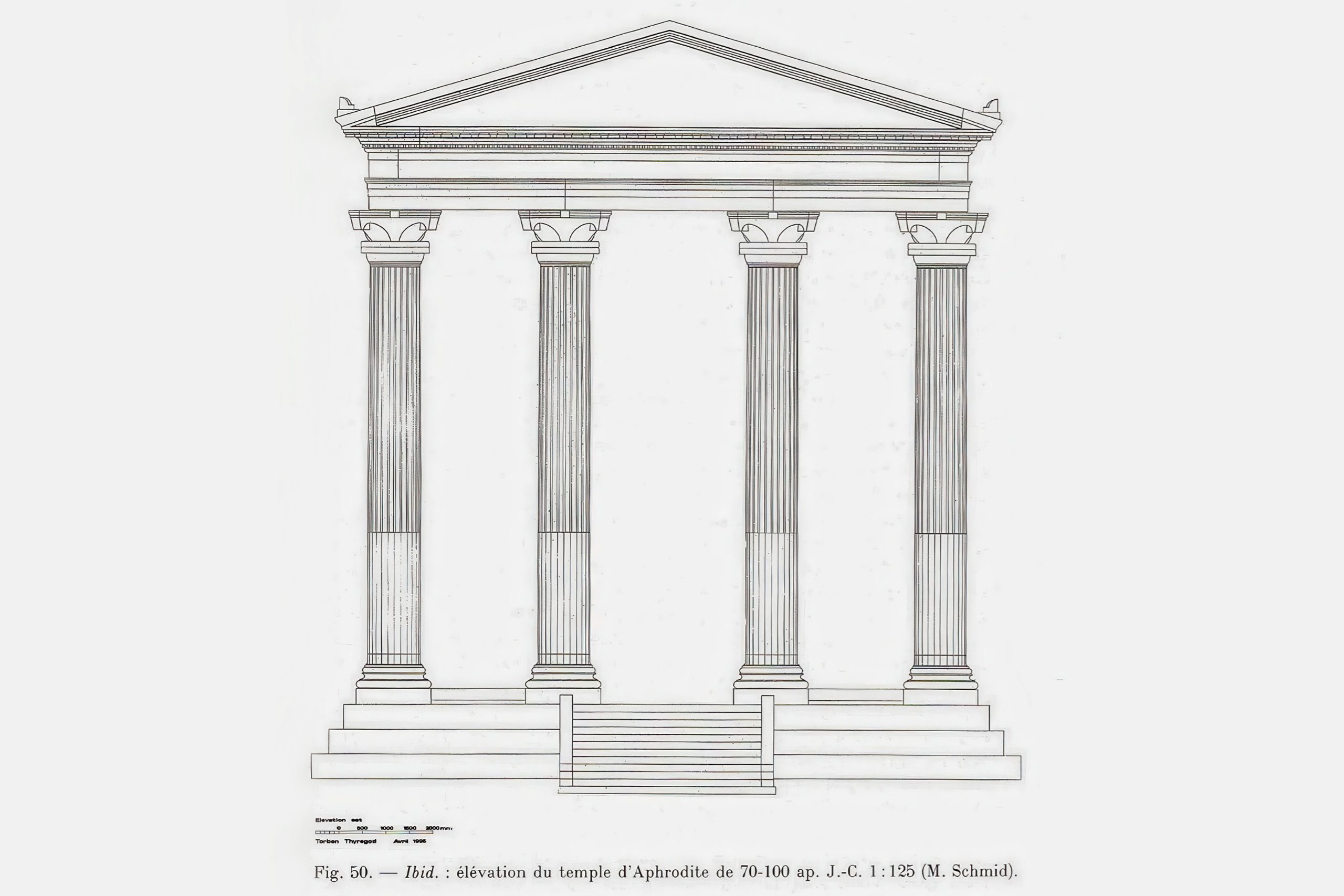
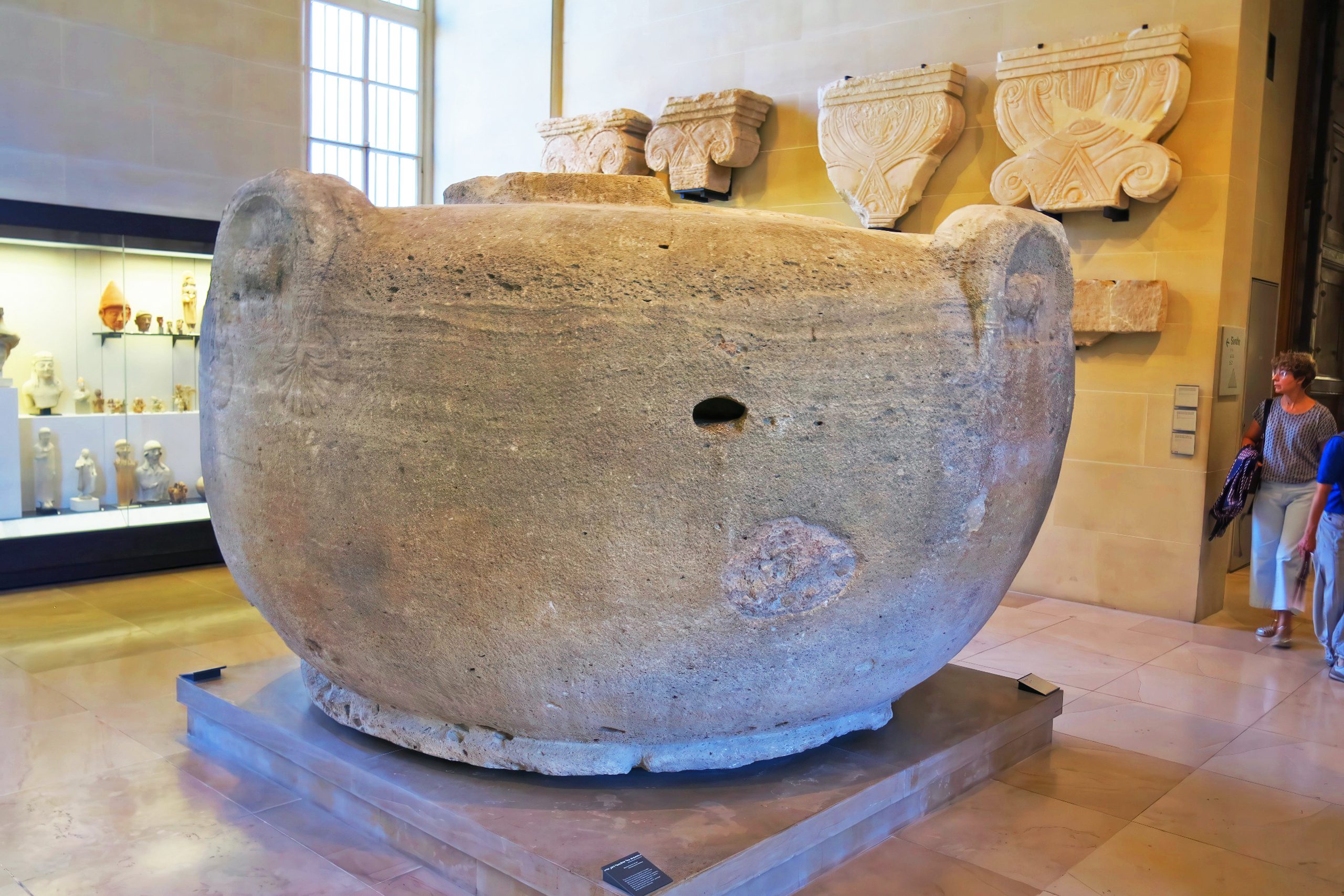
The temple was a rectangular structure with a pronaos, cella, and adyton, built from local limestone on a three-step crepidoma, without a full podium, distinguishing it from typical Roman designs. Columns surrounded it in a peripteral layout, with the interior housing a cult statue of Aphrodite, possibly as a Hathor-like figure in earlier phases. Two giant vases flanked the entrance, each a monolith with handles and reliefs of bulls and sphinxes, used for ritual liquids like water for ablutions or grape must, reflecting agricultural ties. The acropolis also featured walls, gates, and a palace below, with the sanctuary connected to the lower city via paths for processions. Votive pits yielded terracotta figurines, jewelry, and inscriptions dedicating offerings to the goddess. The site’s geology, with porous limestone, created natural caves for esoteric rites, while springs provided holy water. Temperature fluctuations supported seasonal worship: winter rains filled vases for spring fertility festivals, summer heat prompted nocturnal ceremonies. Rivalry with Paphos manifested in architectural one-upmanship; Amathus’s vases symbolized material wealth, contrasting Paphos’s mythical stone idol.
Notable Aspects That Highlight Its Uniqueness
One iconic feature is the giant vases, the largest monolithic vessels in the ancient world, with the Louvre’s example at 1.85 meters high and 14 tons, carved in the 6th century BC and symbolizing Amathus’s engineering and prosperity from copper trade. The sanctuary’s rivalry with Paphos is legendary, as both vied for Aphrodite’s primary cult status, with Amathus claiming older indigenous roots, per myths tying it to Astarte. Rare Hathor capitals from excavations blend Egyptian influences, unique in Cyprus. Legends link it to Ariadne’s abandonment, portraying the temple as a maternal refuge, echoed in ancient texts like Ptolemy’s Geography. Adaptations include the vases’ multifunctional use, studied for their hydraulic engineering, with replicas at the site drawing photographers. The acropolis’s panoramic views create “sunset rituals,” where alignments with the sea evoke Aphrodite’s marine birth, a spectacle in May.
Deeper Ecological and Cultural Impacts for Cyprus’s Spiritual Biodiversity
This temple conserved Cyprus’s spiritual biodiversity, bridging Phoenician, Greek, and Roman traditions, reducing cultural loss by preserving syncretic practices that influenced Orthodox Marian devotion. It fostered community through festivals, aiding social cohesion and economic ties via pilgrim trade. This created cultural webs: offerings supported artisans, rites inspired art, and myths enriched literature. Culturally, it shaped Aphrodite folklore, influencing festivals like Kataklysmos with water themes. Socially, it provided livelihoods, Roman taxes on votives, and herbal remedies from sacred groves. The site’s balance sustained worship for over a millennium, hosting diverse pilgrims, but Arab destructions risked oblivion, per EU reports predicting 25% site degradation by 2100 from sea rise. Human impacts include Hellenistic expansions preserving Bronze Age layers, as in geoarchaeological studies. The acropolis’s microclimate, cooling by 5°C, nurtured endemic plants like Cyprus tulips, symbolizing fertility.
Temple of Aphrodite at Amathus in Cyprus Today
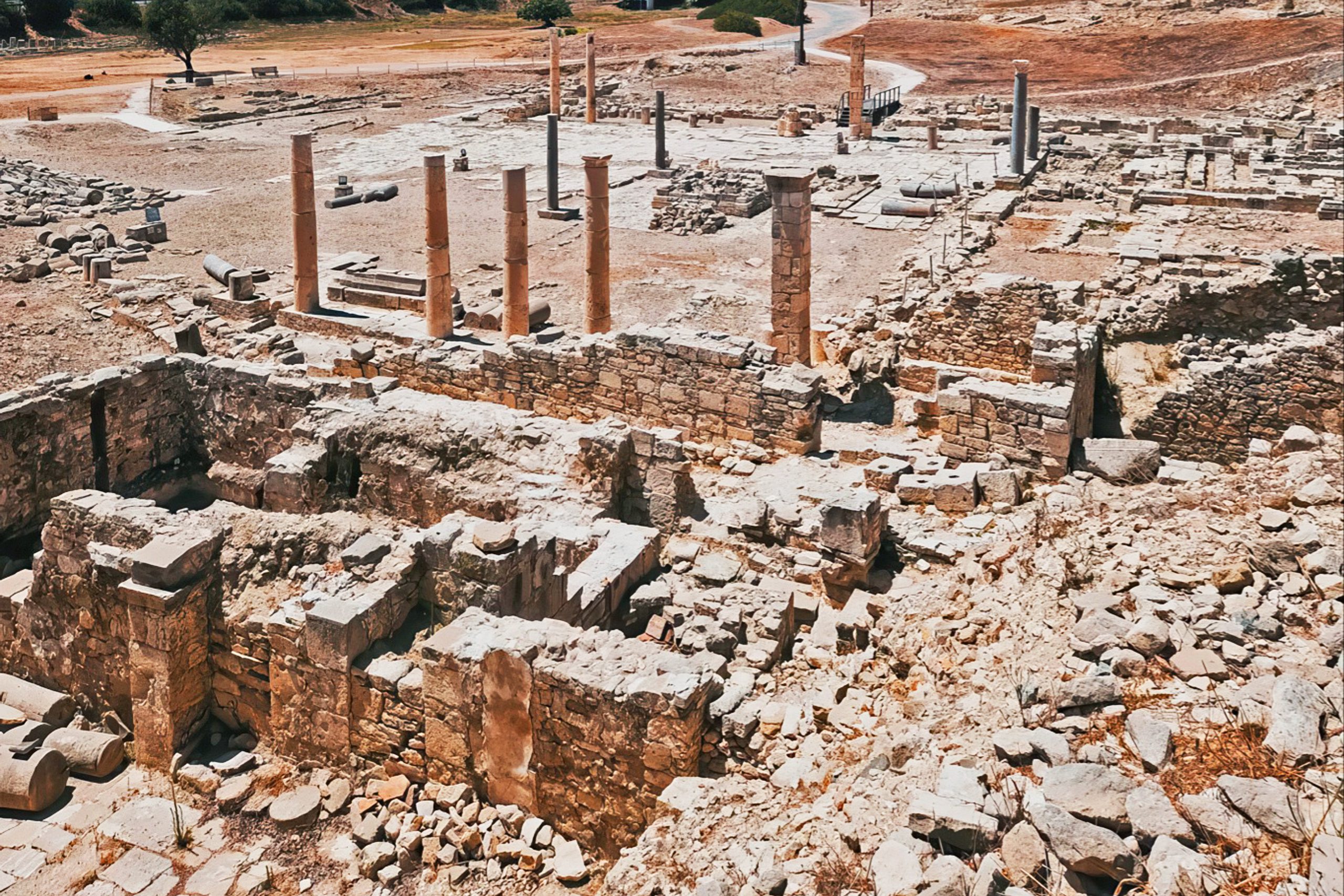
On January 30, 2026, the temple ruins define Amathus’s archaeological park, with ongoing French-Cypriot digs uncovering Hellenistic artifacts amid climate challenges like intensified storms shortening seasons by 15%. Heritage threats from urbanization are countered by Department of Antiquities protections since 2010, increasing visitor barriers by 20%. Modern adaptations include augmented reality tours for immersive experiences, boosting engagement by 25%. This site shapes cultural identity, with events like “Aphrodite Day” in Limassol celebrating myths, blending ancient rites with eco-tourism generating €1 million annually.
Opportunities for Exploration
Amathus trails offer acropolis hikes for vase viewing, open year-round with €2.50 entry. Guided archaeology tours by Cyprus Tourism cost €15-20 to explore ruins. Winter visits include eco-walks in January, no fee. Spring vase alignments in April pair with Limassol stays for insights. Many areas have online cams for remote viewing.
A Temple of Rivalrous Splendor
Temple of Aphrodite at Amathus, located on the acropolis of Amathus, this sanctuary was a major rival to Paphos and featured two giant stone vases symbolizing the city’s wealth, defines Cyprus’s ancient diversity. This pattern’s balance has fostered unique rituals and human ingenuity, from prehistoric myths to modern challenges. Knowing it deepens appreciation for Cyprus as a resilient sacred haven. Engagement with its stones or vistas evokes wonder at history’s layers. In a changing climate, it reminds of the need to safeguard this delicate balance.