Long before Cyprus became famous for its beaches, it was known for something far more valuable: copper. Thousands of years ago, this small island became one of the most important places in the Mediterranean for the shimmering red metal buried in its mountains. The story of how Cyprus rose from simple farming villages to a Bronze Age powerhouse is one of innovation, trade, and transformation.
- What is Chalcolithic and Bronze Age Cyprus?
- The Journey from Villages to Copper Kingdoms
- What Made Bronze Age Cyprus Special
- Surprising Details from Ancient Cyprus
- Life, Death, and Belief in Prehistoric Cyprus
- The Bronze Age Collapse and Resilience
- Ancient Heritage in Modern Cyprus
- Walking in Ancient Footsteps
- Why Bronze Age Cyprus Matters
What is Chalcolithic and Bronze Age Cyprus?
The Chalcolithic and Bronze Age periods mark when Cyprus evolved from isolated farming communities into a wealthy, interconnected civilization. The Chalcolithic period (around 3900-2500 BC) was a transitional era when people first experimented with copper alongside traditional stone tools. The Bronze Age that followed (roughly 2500-1050 BC) saw Cyprus truly flourish. During this time, Cypriots mastered metalworking, built fortified towns, developed Mediterranean trade networks, and even created their own writing system. By the Late Bronze Age, Cyprus was renowned as the primary source of copper, the essential ingredient for making bronze.
The Journey from Villages to Copper Kingdoms
Human settlement in Cyprus goes back to around 7000 BC, when Neolithic farmers built some of the Mediterranean’s earliest villages. At sites like Khirokitia, people lived in distinctive beehive-shaped stone houses clustered within protective walls. After a mysterious gap in habitation around 5500 BC, Cypriot culture re-emerged during the Chalcolithic period. Communities spread across the island and began working copper for the first time.
The real transformation happened during the Bronze Age. Influenced by contacts with nearby Anatolia (modern-day Turkey), innovations swept Cyprus. Farmers introduced ox-drawn plows and cattle, dramatically increasing food production. Villages of small round huts were rebuilt with spacious rectangular houses containing multiple rooms, reflecting changing social structures and the beginnings of social hierarchy.
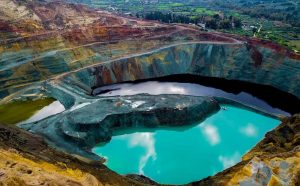
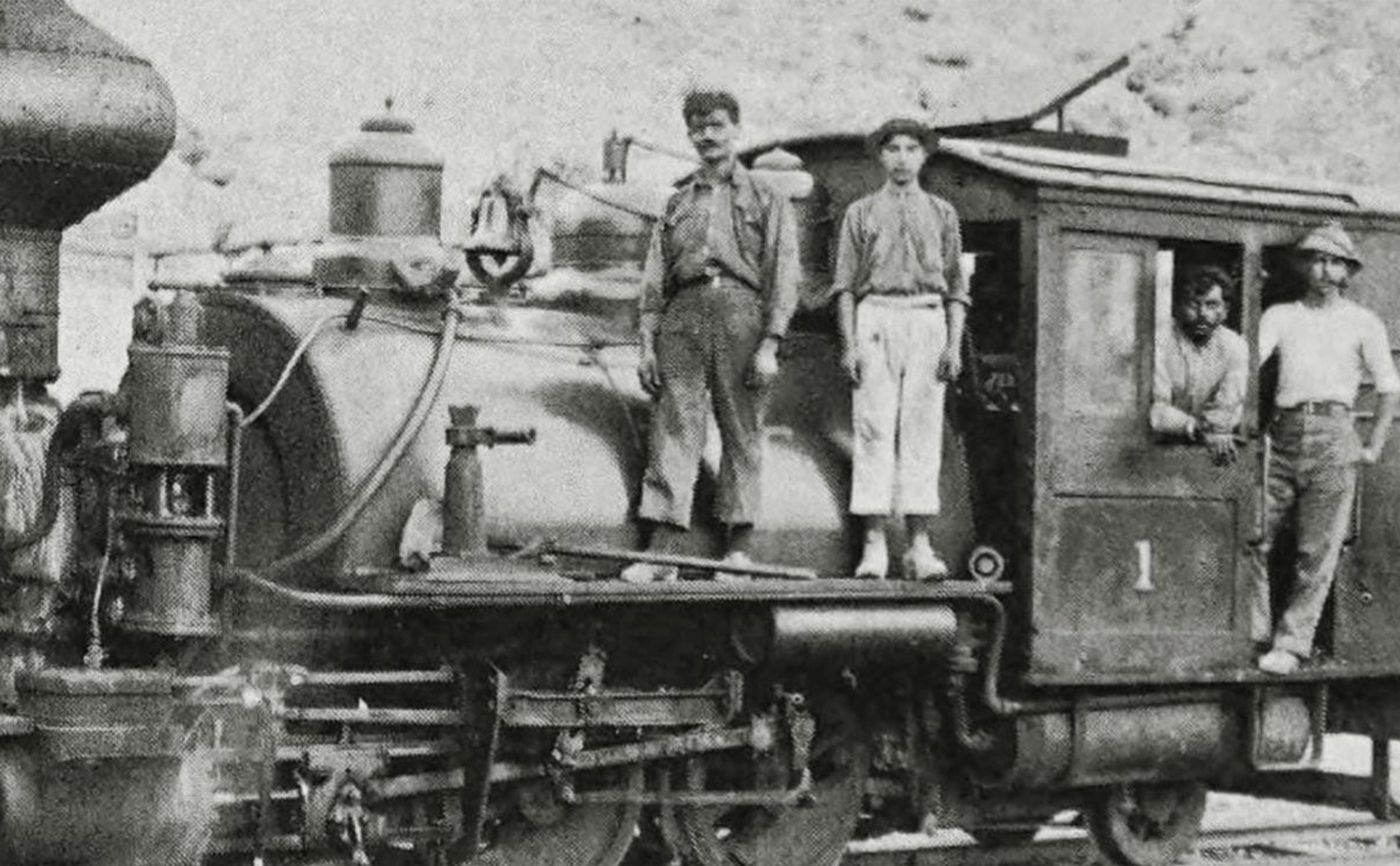
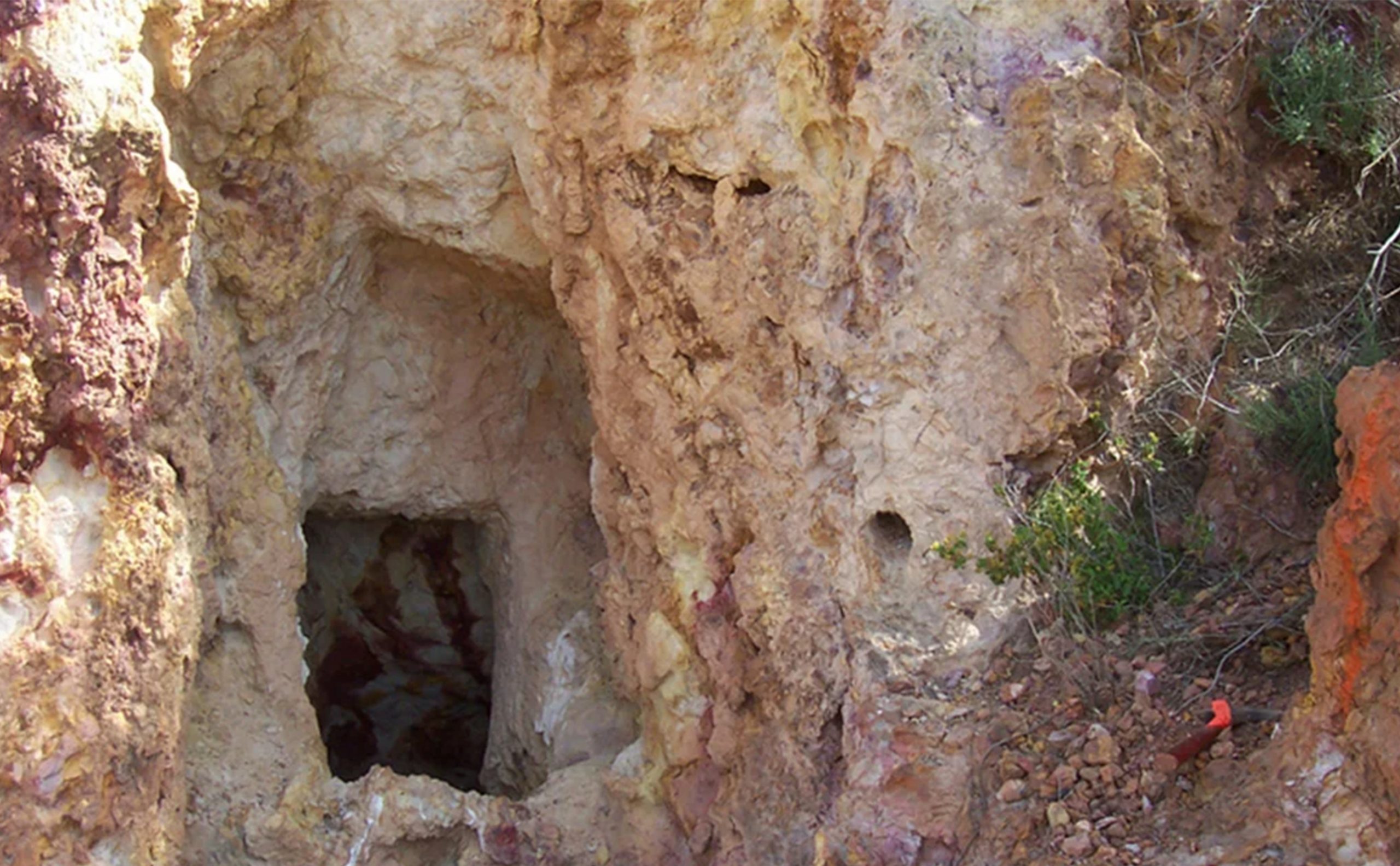
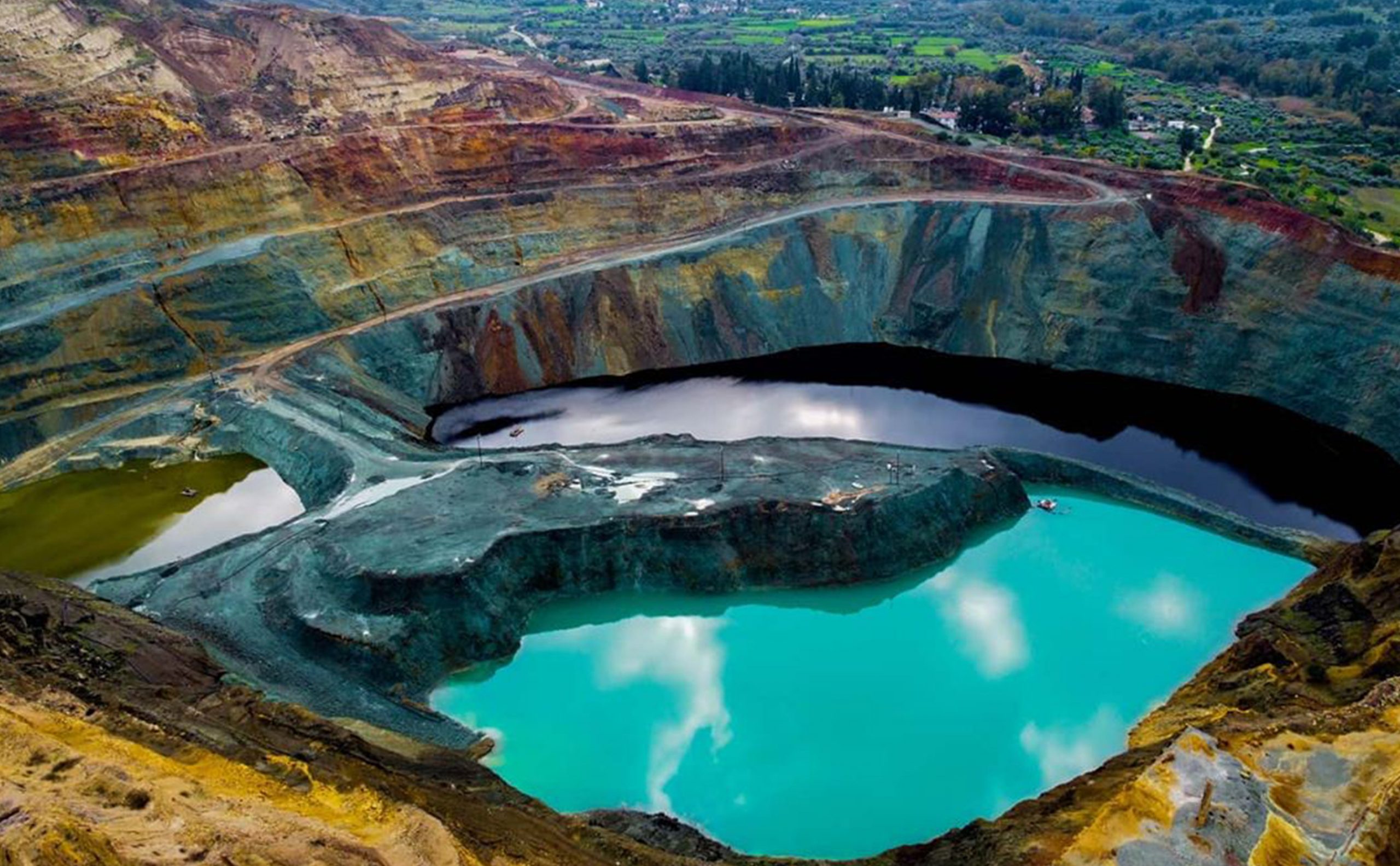
By the Late Bronze Age (1600-1050 BC), Cyprus had become a major international player. The island’s rich copper deposits in the Troodos Mountains were mined extensively and exported across the Mediterranean. Ancient Egyptian and Near Eastern texts refer to Alashiya – almost certainly Cyprus – celebrated for its copper shipments. Cyprus had become synonymous with the bronze that armed soldiers and enriched palaces from Egypt to Greece.
What Made Bronze Age Cyprus Special
Cyprus combined natural wealth with remarkable innovation. Bronze Age architecture evolved from circular stone houses to sophisticated rectangular buildings with courtyards, staircases, and multi-story construction. At sites like Alambra, large houses with stone staircases showed growing prosperity and complexity.
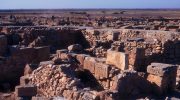
Late Bronze Age Cyprus saw the rise of fortified cities. Enkomi, near modern Famagusta, became the island’s most important urban center – possibly the capital of Alashiya. What makes Enkomi remarkable is its urban planning: streets laid out in a grid pattern, drainage systems, and distinct neighborhoods for housing, industry, and worship. Thick walls with imposing gates protected the city, while workshops buzzed with craftsmen working copper, gold, ivory, and imported materials.
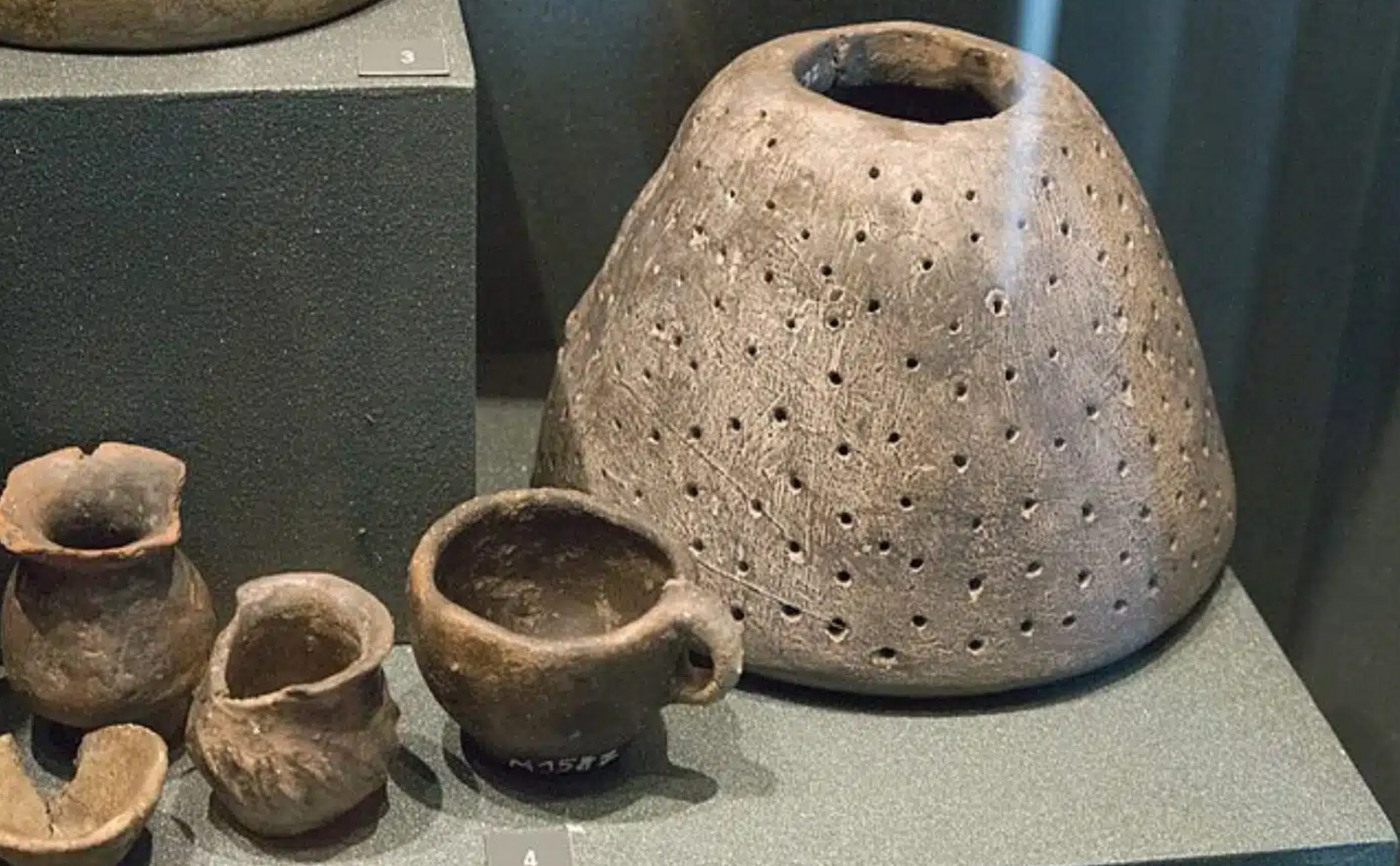
In the west, Maa-Palaiokastro shows another face of Bronze Age Cyprus. Perched on a rocky peninsula, this settlement was protected by two massive “Cyclopean” walls. Founded around 1200 BC, possibly by Mycenaean Greek settlers, Maa represents the cosmopolitan character of Late Bronze Age Cyprus.
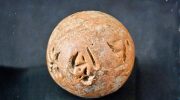
Perhaps most intriguingly, Bronze Age Cypriots developed their own writing system called Cypro-Minoan. Though still undeciphered, this syllabic script appears on clay tablets, pottery, and cylinder seals from sites like Enkomi, suggesting bureaucracy and administration – hallmarks of a complex society.
Surprising Details from Ancient Cyprus
● The word “copper” comes from “Cyprus.” The Romans called copper “aes Cyprium” (“metal of Cyprus”), later shortened to “cuprum,” which became “copper” in English. Cyprus’s mines have produced copper for over 6,000 years, earning the island its nickname: the “Island of Copper.”
● Some of the oldest board games. At the Early Bronze Age site of Sotira-Kaminoudhia, archaeologists found stone gaming boards with carved grids. Tragically, these were discovered alongside skeletons, victims of an earthquake around 2250 BC that destroyed the village during an ancient game night.
● Some of the earliest wine-makers. At the Chalcolithic village of Erimi (around 3500 BC), eighteen pottery jars contained traces of fermented grape juice – making Cypriot wine among the world’s oldest.
● The “Horned God.” Among the most iconic artifacts is a bronze statuette from a 12th-century BC shrine at Enkomi. This small figure wears a horned helmet and strikes a powerful pose, likely representing a storm or war deity. Displayed in the Cyprus Museum, it has become a symbol of ancient Cypriot culture.
Life, Death, and Belief in Prehistoric Cyprus
Burial practices reveal much about Bronze Age society. While Chalcolithic people buried their dead under house floors, Bronze Age Cypriots shifted to dedicated cemeteries with rock-cut chamber tombs serving as family crypts. Multiple burials accompanied by painted pottery, jewelry, and weapons show emerging social hierarchy.
Religion evolved from simple fertility cults to elaborate worship. Chalcolithic Cypriots carved cruciform idols from picrolite, often depicting female figures like the famous “Lady of Lemba,” thought to symbolize fertility. Late Bronze Age sanctuaries contained altars and bronze figurines including the Horned God and the “Ingot God,” suggesting cults mixing local traditions with neighboring influences.
Written records provide glimpses of Cyprus’s international status. The Amarna Letters – 14th-century BC diplomatic correspondence from Egypt – include letters from the King of Alashiya addressing the Pharaoh as an equal and discussing copper shipments, proving Cyprus was considered a major power.
The Bronze Age Collapse and Resilience
Around 1200 BC, the Bronze Age world experienced widespread upheaval from the mysterious “Sea People” – seafaring marauders whose origin remains unknown. Cyprus didn’t escape unscathed; sites like Enkomi show destruction layers. Yet Cypriots proved resilient. Enkomi’s population moved to the coast and founded Salamis, which became the leading city of the Iron Age. Similarly, inland communities moved to harbors, establishing coastal centers like Kition (modern Larnaca). This adaptability allowed Cypriot culture to survive the collapse.
Ancient Heritage in Modern Cyprus
The Chalcolithic and Bronze Age aren’t just ancient history – they’re sources of national identity. Choirokoitia became a UNESCO World Heritage Site in 1998. Images of prehistoric artifacts appear on Cypriot euro coins, and circular architecture has become a symbol of the island’s deep roots.
The Bronze Age holds special significance as the beginning of Cyprus’s Hellenization. Mycenaean Greek settlers who arrived around 1200 BC brought the Greek language and customs that blended with local culture. Modern Greek-speaking Cypriots trace this identity back to that Bronze Age fusion.
The ancient copper trade legacy lives on through artisans who craft copper and bronze souvenirs. Archaeological sites remain active research locations and tourist attractions, connecting Cyprus to international scholarly networks. Each new discovery enriches the narrative modern Cypriots tell about themselves.
Walking in Ancient Footsteps
● Choirokoitia (Khirokitia) is the most visitor-friendly prehistoric site, located 32 km from Larnaca off the Nicosia-Limassol highway. Open year-round for €2.50, a pathway winds past 9,000-year-old house foundations. Five reconstructed roundhouses let you step inside and imagine early farming life.
● Kalavasos-Tenta, near Choirokoitia, features a white cone-shaped shelter protecting excavated remains. A raised boardwalk lets you view 7,000-year-old circular houses – a quick 30-40 minute stop.
● Enkomi’s ruins lie in Northern Cyprus outside Famagusta. This atmospheric site reveals a Late Bronze Age city with discernible streets, courtyards, and workshops. Walk the actual streets where copper workers lived 3,200 years ago.
● Maa-Palaiokastro near Paphos offers scenic drama perched on a rocky peninsula at Coral Bay. The small on-site museum displays artifacts and explains the Mycenaean Greek arrival. Open weekdays, it’s usually uncrowded.
● The Cyprus Museum in Nicosia houses the actual Horned God, cruciform idols, copper ingots, jewelry, weapons, and Cypro-Minoan tablets. Regional museums in Limassol and Larnaca also display important finds.
Why Bronze Age Cyprus Matters
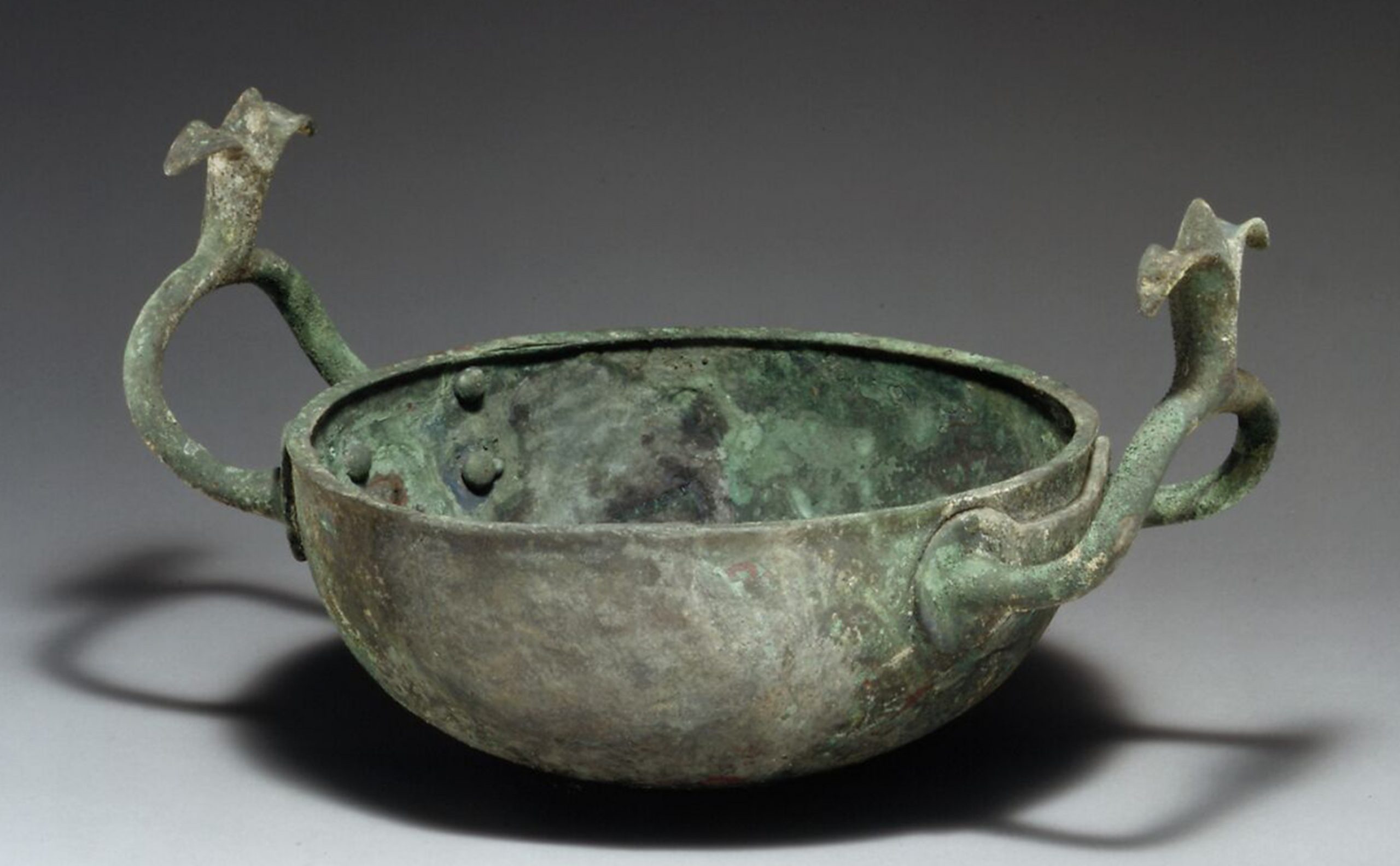
Understanding Cyprus’s Chalcolithic and Bronze Age heritage means understanding how this small island became a major Mediterranean force. It’s a story of innovation – transforming simple farming into urban civilization, mastering metallurgy to supply the ancient world, developing writing and sophisticated trade networks.
It’s also a story of resilience – surviving collapses while maintaining cultural continuity across millennia. For modern Cyprus, these prehistoric roots aren’t abstract history but living heritage that shapes national identity. The island that gave copper its name, that connected East and West, that pioneered so much so long ago, still carries that legacy today.
Whether you’re walking through Choirokoitia’s round houses or admiring the Horned God in a museum, you’re connecting with the remarkable journey of an island that helped build the Bronze Age world.