Explore Cyprus with Our Interactive Map

Explore our top stories and discover ideas worth your time.

Panagia Asinou Church

Panagia Asinou Church

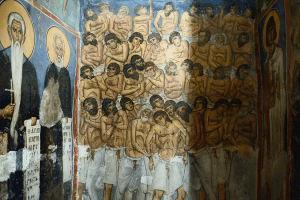
Asinou Church (Panagia Phorviotissa), near Nikitari in the Troodos foothills, preserves one of the Mediterranean’s most complete sequences of Byzantine wall painting, built up in phases from the 12th to the 17th century. Its modest scale, secluded setting, and protective timber roof helped the frescoes survive when many urban churches were altered or lost. This article explains how the church evolved, how its painted program is structured, and what its layered imagery reveals about faith, community life, and historical change in Cyprus. noticketback.com A Church Protected by Its Own Isolation Asinou sits in the foothills of the Troodos range, away from coastal cities and major trade routes. That distance shaped its survival. While many urban churches were altered, damaged, or rebuilt, Asinou remained relatively untouched, sheltered by geography as much as intention. irecommend.ru The setting still feels deliberate. Almond trees and pines surround the church, and the valley softens sound. This sense of removal is not accidental. Byzantine monasteries often sought quiet landscapes where spiritual life could unfold without interruption. At Asinou, that isolation became a form of protection, preserving paintings that would otherwise have been lost. Why It Is Called Panagia Phorviotissa The church's formal name, Panagia Phorviotissa, refers to the 'Monastery of Forvion' (or 'of the vetches'/'of the spurges'), a title linked to rural life and the surrounding…

Read more
Living History of Fishing In Cyprus

Living History of Fishing In Cyprus

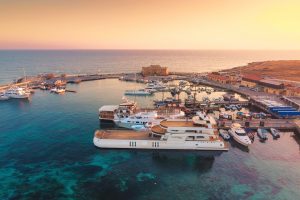
Fishing has shaped life along the Cypriot coast for thousands of years. From small family boats setting out before sunrise to modern vessels working farther offshore, the way fish are caught reflects deeper stories about culture, sustainability, and identity. This article explores how artisanal and industrial fishing coexist in Cyprus, why certain marine species matter so deeply to local life, and how food, regulation, and global recognition are reshaping the island’s relationship with the sea. adobe-stock-com Understanding the Two Worlds of Fishing At its simplest, fishing in Cyprus today exists in two parallel worlds. One is artisanal fishing, rooted in tradition, small-scale effort, and close ties to local communities. The other is industrial fishing, shaped by modern technology, larger vessels, and wider markets. adobe-stock-com Artisanal fishing usually involves small boats operated by their owners, often with help from family members. These fishers work close to shore, rely on experience passed down through generations, and bring back relatively small catches that are sold fresh, often the same day. Industrial fishing, by contrast, uses larger, motorized vessels and mechanized gear to harvest greater volumes of fish, sometimes destined for processing or export rather than immediate local consumption. Both forms are legal and regulated, and both contribute to the island’s food supply. Yet they differ not just in scale, but in how they…

Read more

Sanctuary of Opaon Melanthios

Sanctuary of Opaon Melanthios

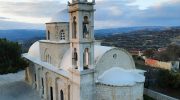
A rural shrine dedicated to a local healing deity (Melanthios), illustrating the existence of indigenous Cypriot gods worshipped alongside the Greek pantheon. google-com The Sanctuary of Opaon Melanthios stands as a profound example of Cyprus's religious syncretism, where an indigenous deity associated with shepherds and rural healing was venerated in harmony with Greek gods like Pan and Apollo. Situated on the 'Petros Anthropos' hill north of Amargeti in the Paphos district, this rural shrine highlights the island's unique spiritual landscape, blending local Cypriot traditions with Hellenistic influences. As a healing deity, Opaon Melanthios, whose name translates to "Dark Shepherd", was invoked for protection over flocks, health, and fertility, reflecting the agrarian society's reliance on divine intervention for well-being and prosperity. This site underscores Cyprus's role as a cultural crossroads, where native gods coexisted with imported pantheons, fostering a resilient worship that endured from the Archaic period through Roman times, and continues to intrigue archaeologists today. A Rural Shrine of Syncretism The Sanctuary of Opaon Melanthios, perched on a modest hill overlooking the verdant valleys of Amargeti, embodies the quiet devotion of Cyprus's rural communities to a deity who bridged local folklore and Greek mythology. Chatgpt-reconstruction Covering a small area of rocky terrain dotted with ancient olive trees, the site features remnants of a temple structure, altars, and votive deposits that…

Read more