Football dominates the sporting landscape of Cyprus, but the island nation embraces a diverse athletic culture that extends far beyond the pitch. From passionate club rivalries to individual Olympic achievements, sports unite communities across this Mediterranean island of 1.14 million residents.
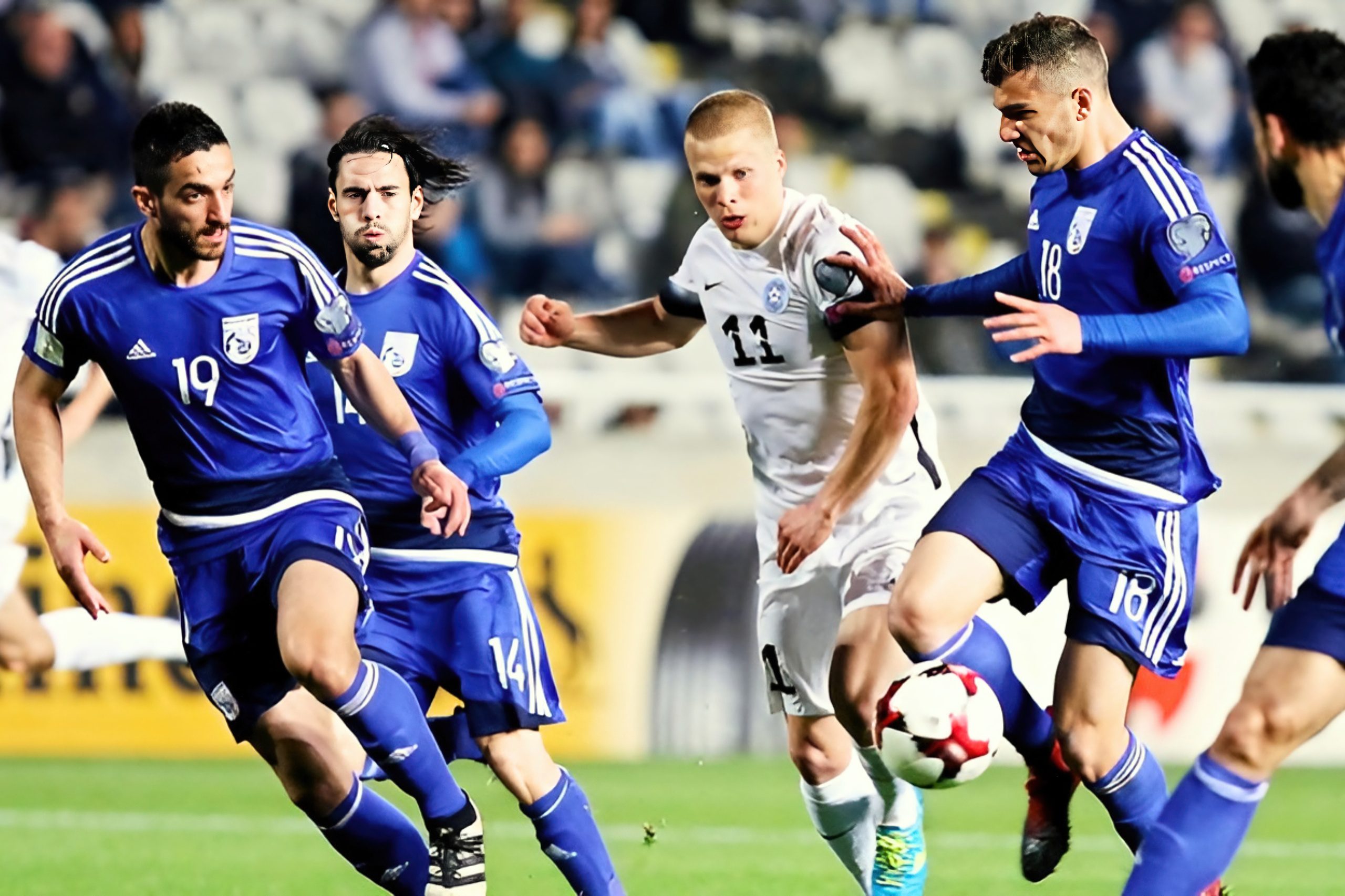
The British introduced football to Cyprus in the early 20th century, and locals embraced it with enthusiasm. By September 1934, the Cyprus Football Association was formed to regulate what had become the island’s favorite sport. The organization joined FIFA in 1948 and UEFA in 1962, officially connecting Cypriot football to the international stage.
The Cypriot First Division serves as the top tier of the country’s football league system, with 14 teams currently competing in the 2025-26 season. Teams play 26 matches in the first round against each other, twice at home and away. The league then splits into two groups for the second round. The top six teams compete for the championship and European qualification spots, while the bottom eight fight to avoid relegation.
APOEL Nicosia stands as the most successful club in Cypriot football history, holding 29 national championships and 21 cup titles. The club made history in the 2011-12 season when they became the first and only Cypriot team to reach the Champions League quarter-finals. APOEL won their group that included Porto, Shakhtar Donetsk, and Zenit St. Petersburg before defeating Lyon on penalties in the round of 16. Real Madrid eventually ended their run with an 8-2 aggregate victory in the quarter-finals, but the achievement put Cyprus firmly on the European football map.
Basketball Claims Second Place in Popularity
Basketball ranks as the second most popular sport in Cyprus, with nearly the entire population following the game. The Cyprus Basketball Federation was established in 1966 and became a full FIBA member in 1974. The sport received a major boost after Greece won the Eurobasket 1987 tournament, which sparked renewed interest and increased investment across the island.
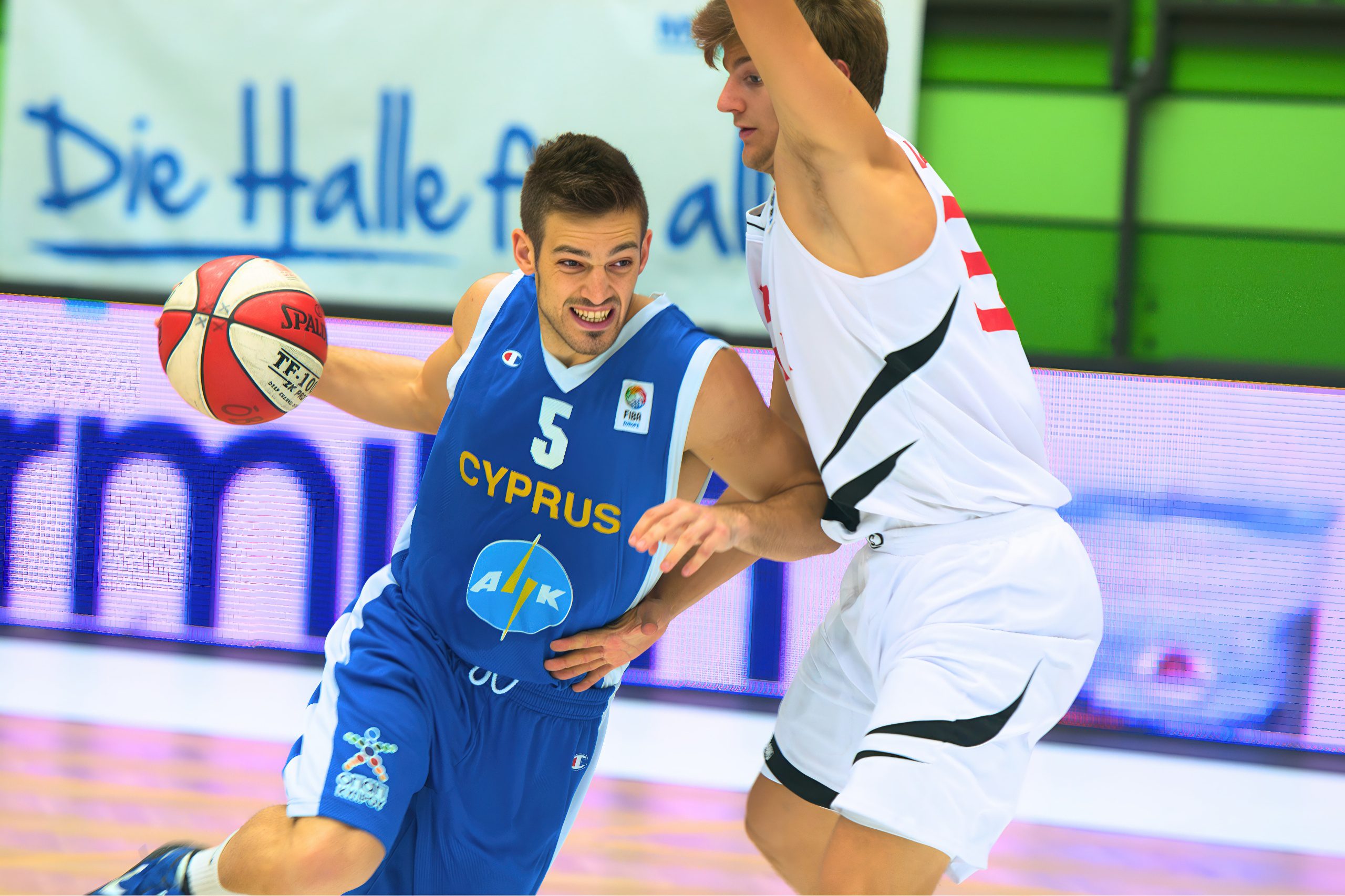
Modern indoor arenas transformed the basketball scene throughout the 1980s. The Cyprus Sports Authority built facilities in every major city, including Eleftheria Stadium in Nicosia and Kition Arena in Larnaca, both of which now host European competition matches. The top division currently features 11 men’s teams and 6 women’s teams, with AEL Limassol claiming the title as the most successful men’s club in the league.
Cyprus will host the prestigious Eurobasket tournament in 2025, representing a major milestone for the country’s basketball community.
National Team Struggles Despite Club Success
The Cyprus national football team has yet to qualify for any major international tournament, despite club success in European competitions. The team played its first match in 1949, a friendly against Maccabi Tel Aviv that ended 3-3. Their first official victory came on November 27, 1963, when they defeated Greece 3-1 in Nicosia.
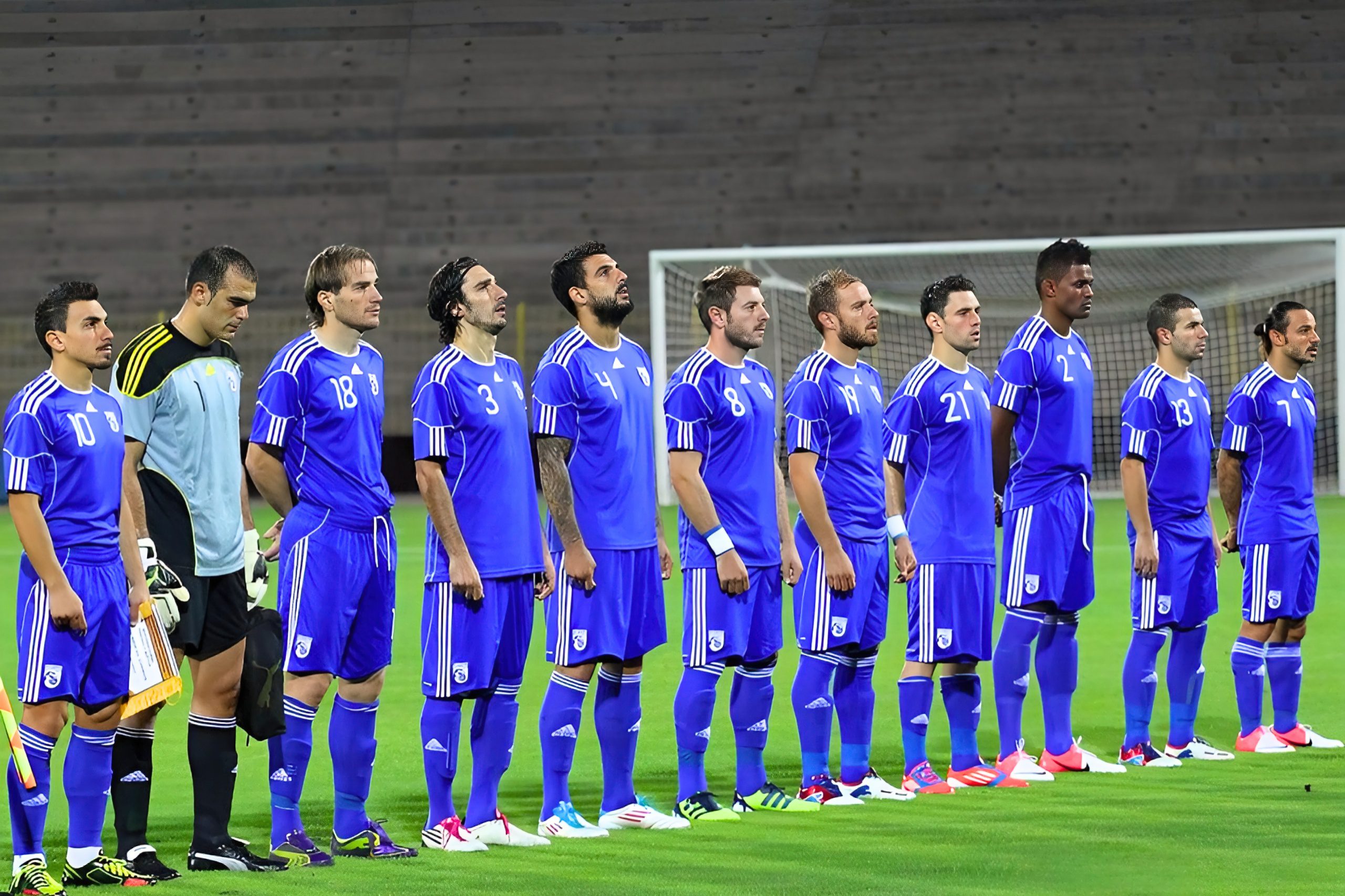
The national team achieved their highest FIFA ranking of 43rd in October 2010 but currently sits at 111th as of June 2023. Cyprus reached a 4-4 draw against Portugal in a Euro 2012 qualifier and secured memorable wins against Ireland (5-2 in 2006) and Bosnia (2-1 in 2015). These isolated victories showcase potential, but the team remains unable to convert sporadic success into tournament qualification.
Michalis Konstantinou holds the record as the all-time leading goalscorer with 32 goals across 85 appearances between 1998 and 2010. Ioannis Okkas earned the most caps in Cypriot history with 106 appearances and scored 27 goals from 1997 to 2012.
Volleyball and Other Sports Gain Ground
The Cyprus Volleyball Federation was established in 1978 and has since built the sport into a significant part of island culture. Men’s and women’s leagues operate across two divisions, with Omonia claiming the most titles in men’s volleyball and PAEEK maintaining a strong reputation for structured development.
Cyprus co-hosted the EuroVolleyU17W 2024 European Championship for girls under 17, raising the country’s profile in European volleyball. The Federation runs the program “Play Volleyball — Grow with It” in collaboration with the Ministry of Education and Sports, offering classes and workshops for schoolchildren across the island.
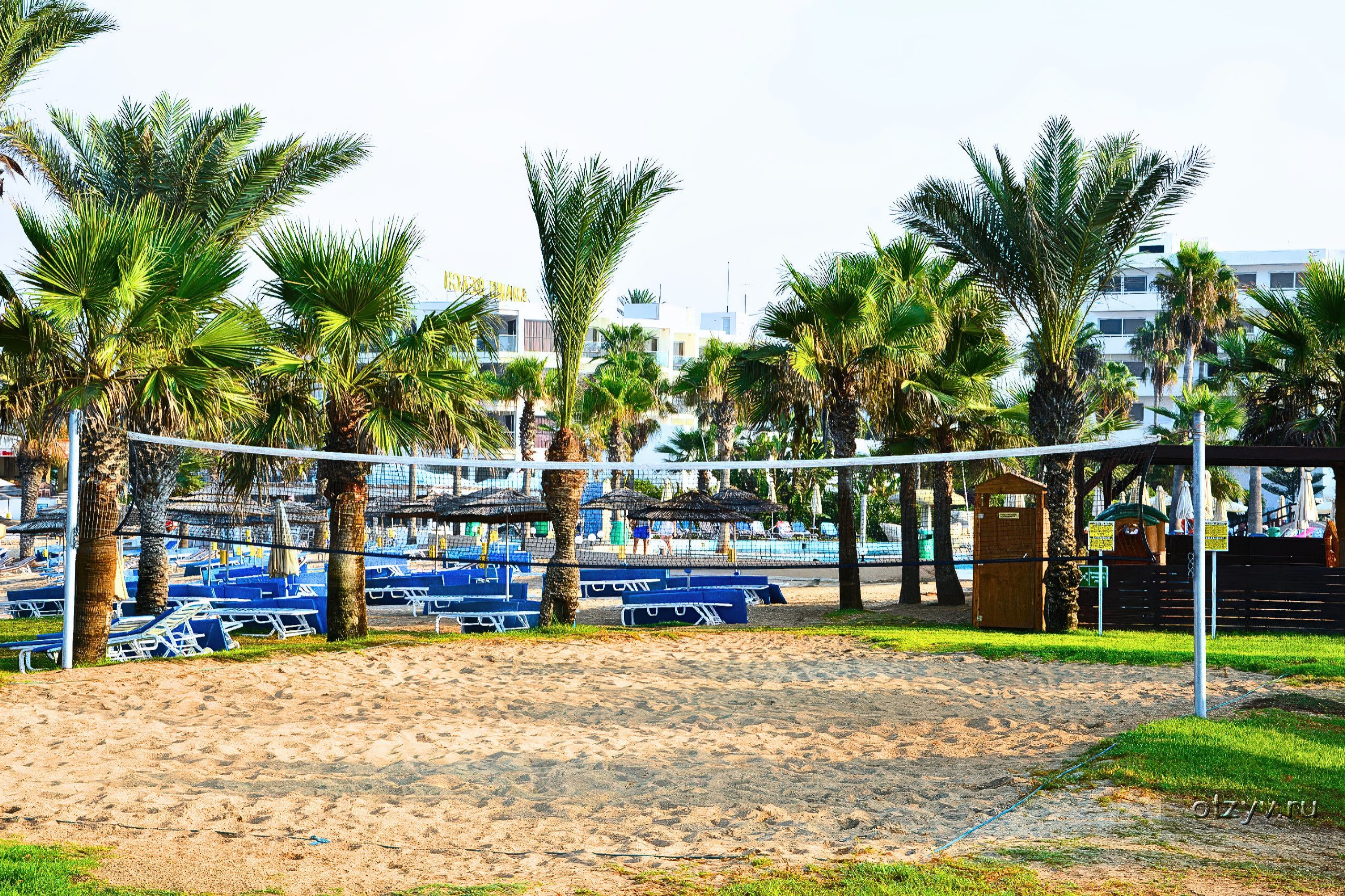
Beach volleyball thrives thanks to ideal climate conditions and extensive coastal infrastructure. Cities like Larnaca, Limassol, Ayia Napa, and Paphos maintain specialized courts that meet international standards. The annual Pancyprian Beach Volleyball Championship attracts top teams from across the island, while Cyprus regularly hosts European Volleyball Confederation events.
Individual Athletes Achieve International Recognition
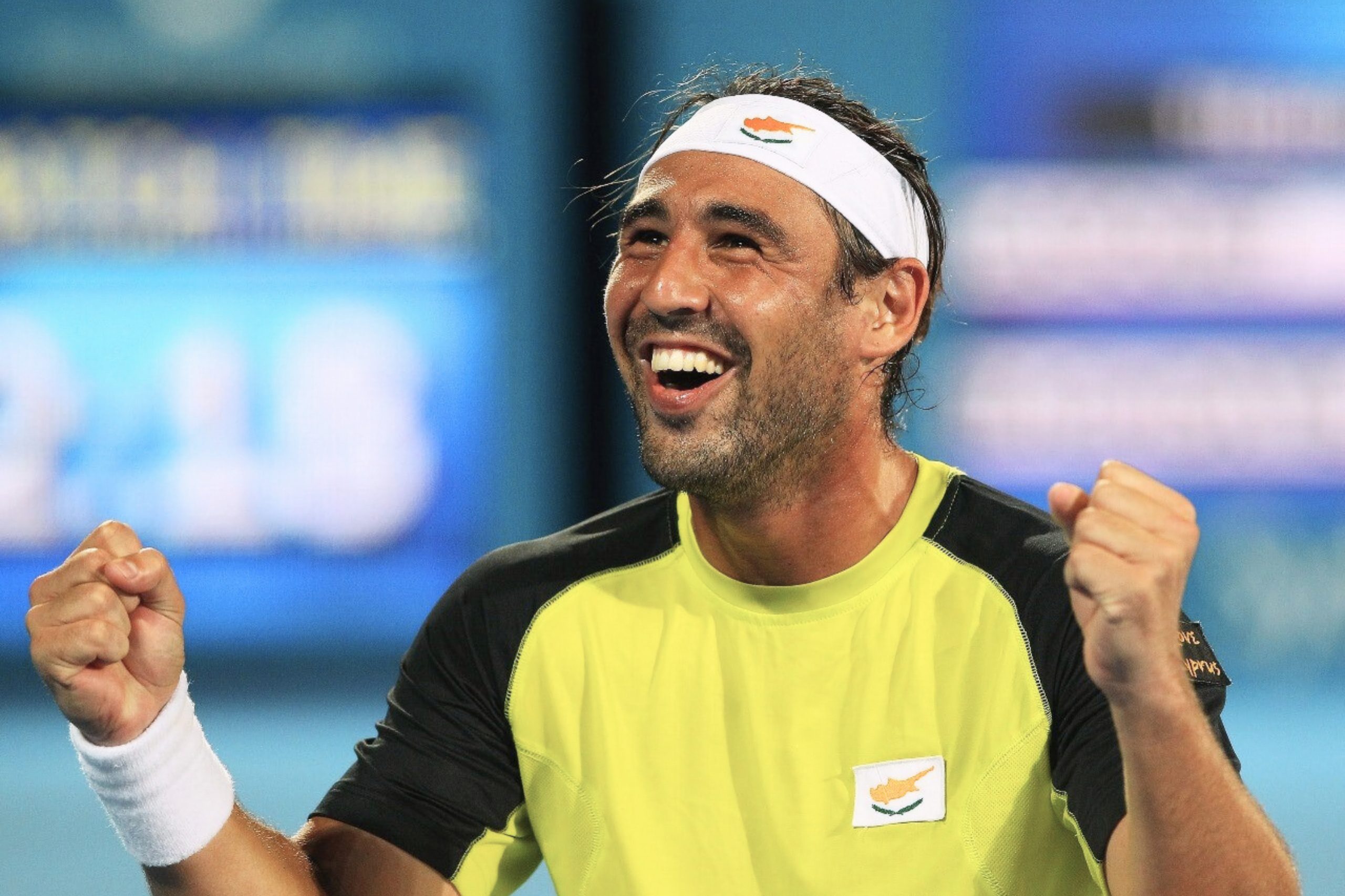
Tennis player Marcos Baghdatis remains the most recognizable Cypriot athlete worldwide. During his career, he reached the 2006 Australian Open final and achieved a career-high ranking of eighth in world singles. His achievements inspired a generation of young tennis players across Cyprus.
Sailor Pavlos Kontides won Cyprus’s first-ever Olympic medal at the 2012 London Olympics, earning silver in the men’s Laser class. He continues to compete at the highest level and remains one of the country’s most celebrated athletes. Track and field athlete Kyriakos Ioannou has won numerous awards in international competitions and holds several national records.
The Cyprus Paralympic team first competed at the 1988 Seoul Games and has since earned 8 medals, including 3 gold. These achievements demonstrate the island’s commitment to inclusive sports programs.
Rally Racing and Emerging Sports
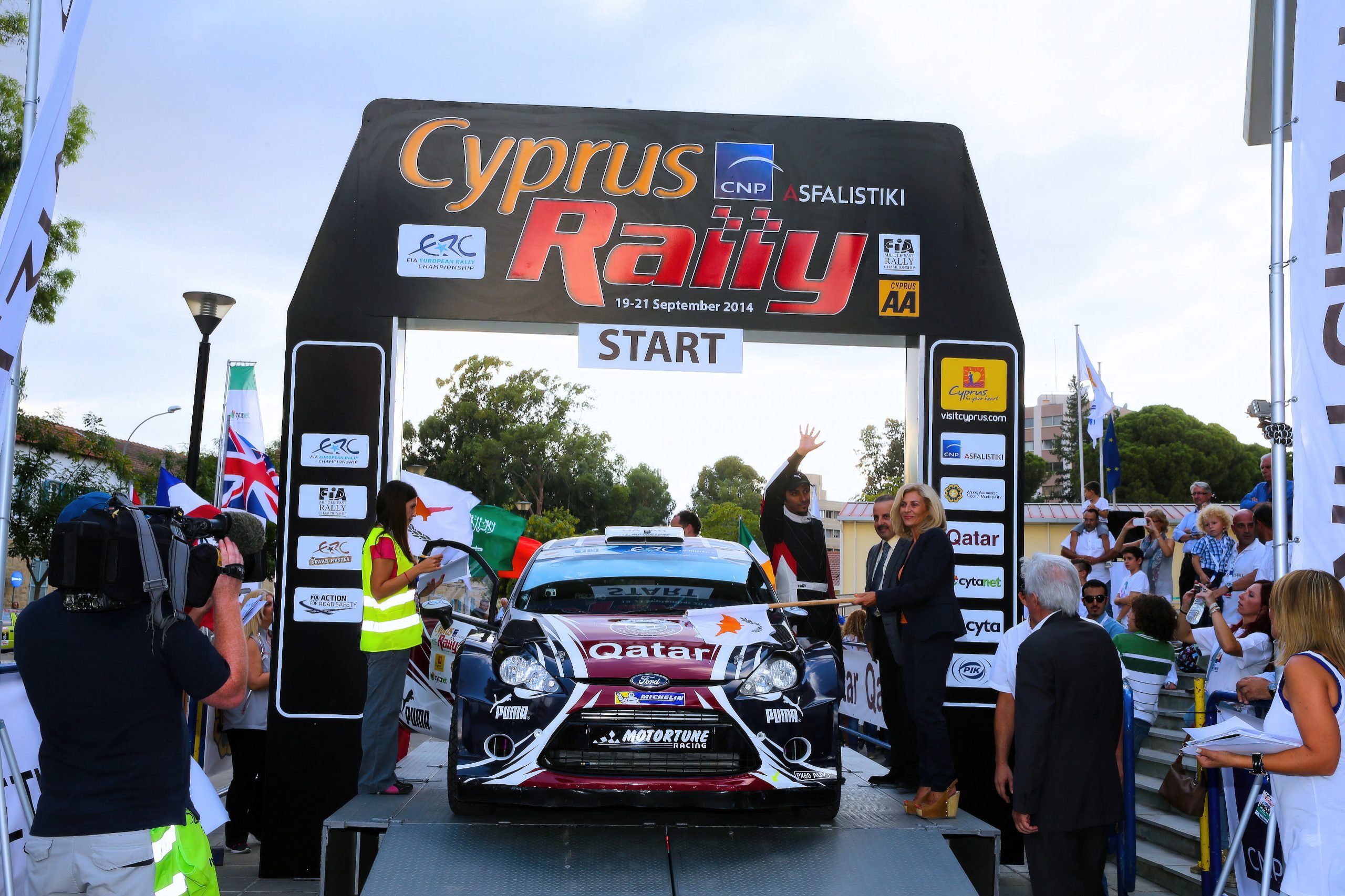
The Cyprus Rally has taken place annually since 1970, attracting fans with its transformation of civilian cars into high-speed racing machines. The event ran on the winding gravel roads of the Troodos Mountains and was part of the FIA World Rally Championship from 2000 to 2006.
Rugby union, though relatively new to Cyprus, has gained traction in recent years. Four teams currently compete: Larnaca Spartans, Limassol Crusaders, Nicosia Titans, and Paphos Tigers. The national team won the FIRA 3D Tournament in 2007 and currently plays in the 2B level after earning promotions in 2008 and 2010.
Stadium Culture and Regional Rivalries
Football stadiums serve as community centerpieces across Cyprus. Six stadiums hold more than 10,000 spectators, with the GSP Stadium in Nicosia boasting a capacity of 22,859. Recent renovation programs have upgraded seating, security systems, and accessibility standards, enabling Cyprus to host international qualifiers and youth championships.
Rivalries extend across multiple sports and geographic regions. APOEL and Omonia maintain an intense rivalry in both football and basketball, with political undertones that date back decades. Fans create elaborate choreographies, lead chants, and maintain ethnic traditions that reflect Cyprus’s complex cultural identity.