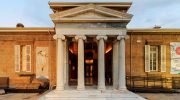
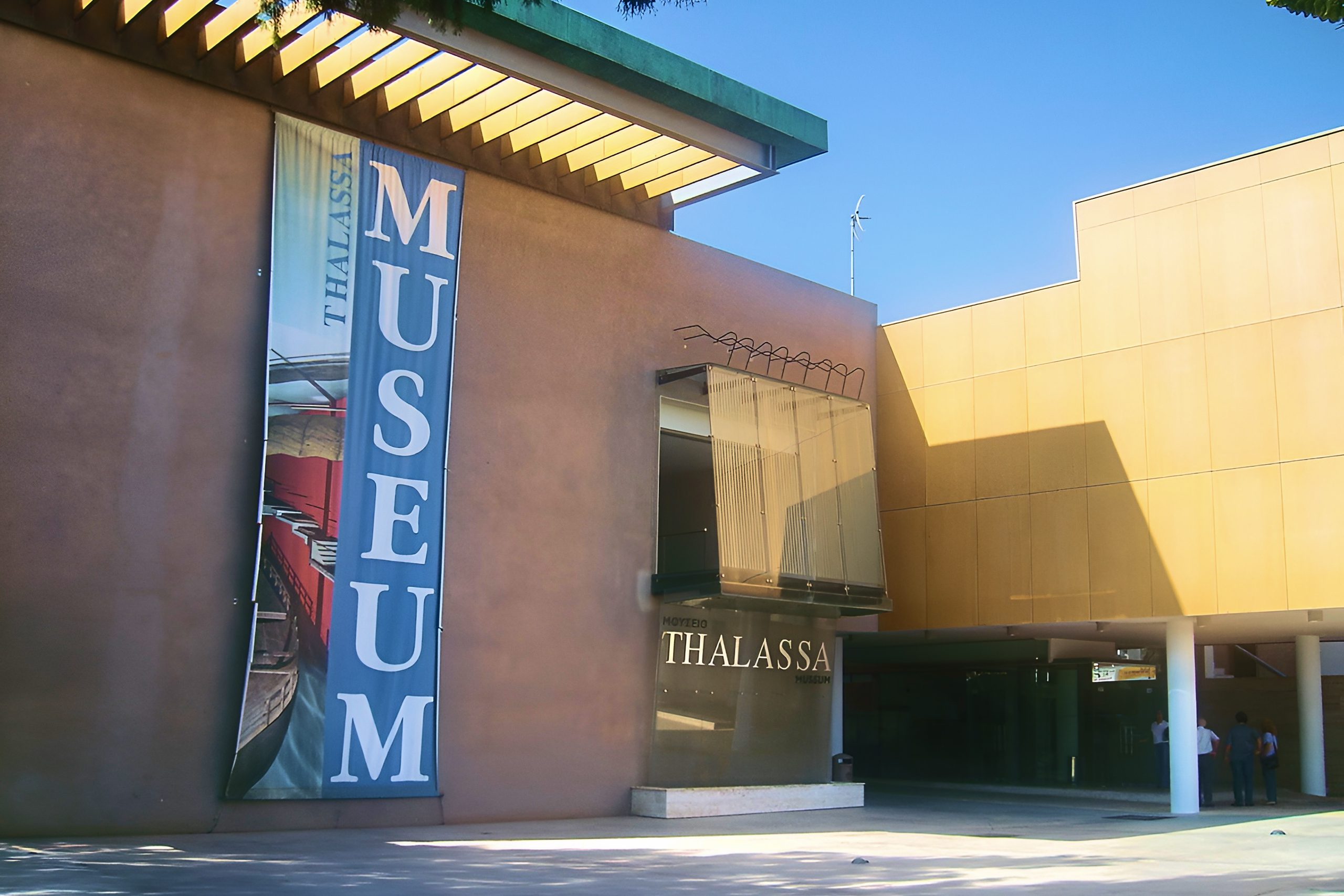
The Thalassa Municipal Museum stands in the center of Ayia Napa as the first museum dedicated entirely to maritime heritage in the Mediterranean region. Named after the Greek word for ‘sea,’ it opened in August 2005 to showcase the relationship between Cyprus and the surrounding waters.
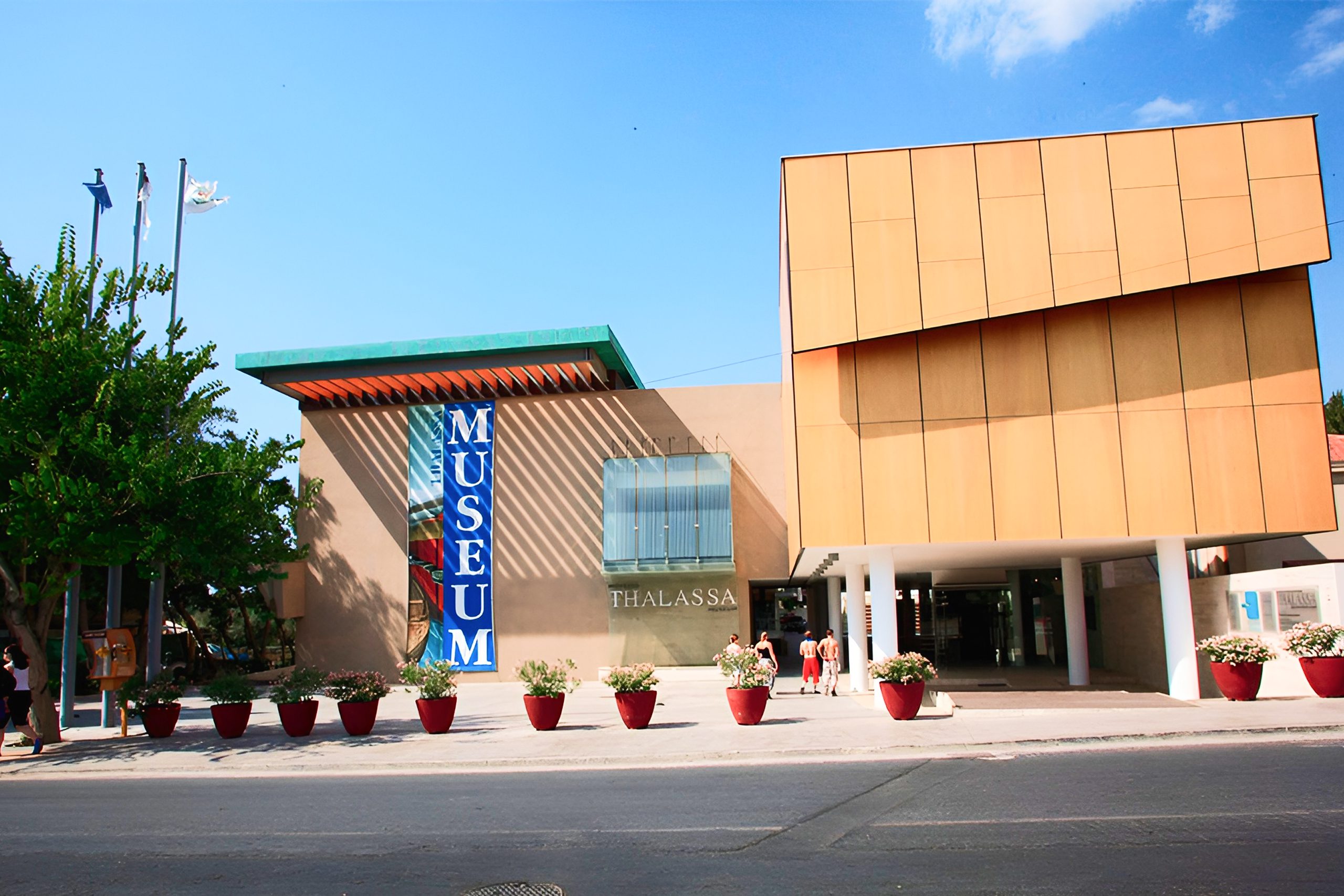
The museum operates under the direction of the Pierides Foundation, the Hellenic Institute for the Preservation of Nautical Tradition, and the Tornaritis-Pierides Marine Life Foundation.
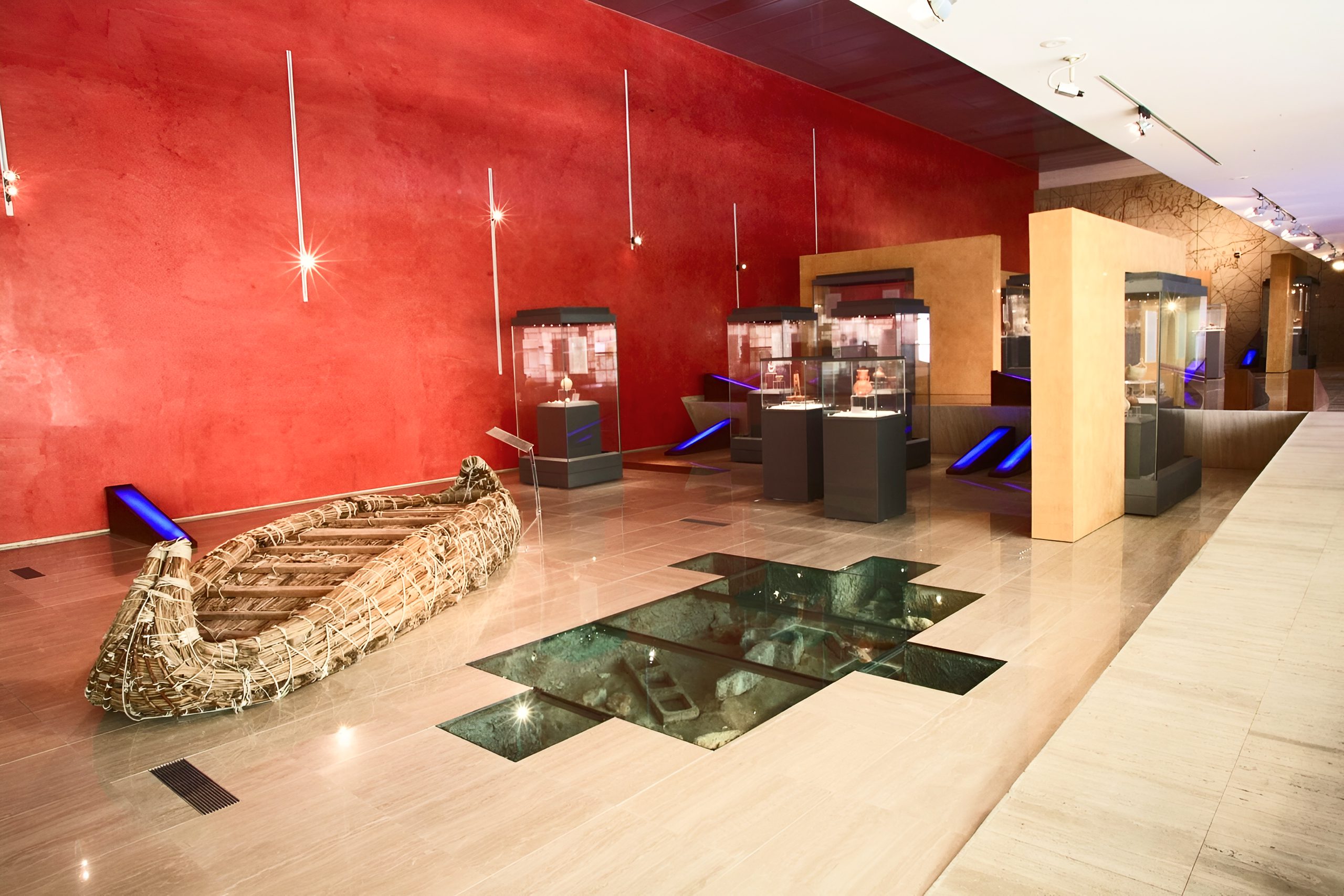
The building itself, constructed from marble, onyx, wood, and metal, features six levels where exhibits can be viewed from multiple angles, including underground display cases that visitors walk over.
Maritime History Through the Ages
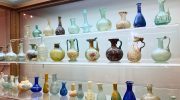
The museum presents 7,000 years of Cypriot history, from the Neolithic period to Venetian rule (5000 B.C. to 1600 A.D.) Archaeological treasures include a composite vase with vertical handle from the Early Bronze Age III period (2100-1900 B.C.), a clay model of a ship with sailors and captain from the Cypro-Archaic II period (600-480 B.C.), and four red figured plates decorated with fish from the Classical and Hellenistic periods (475-30 B.C.).
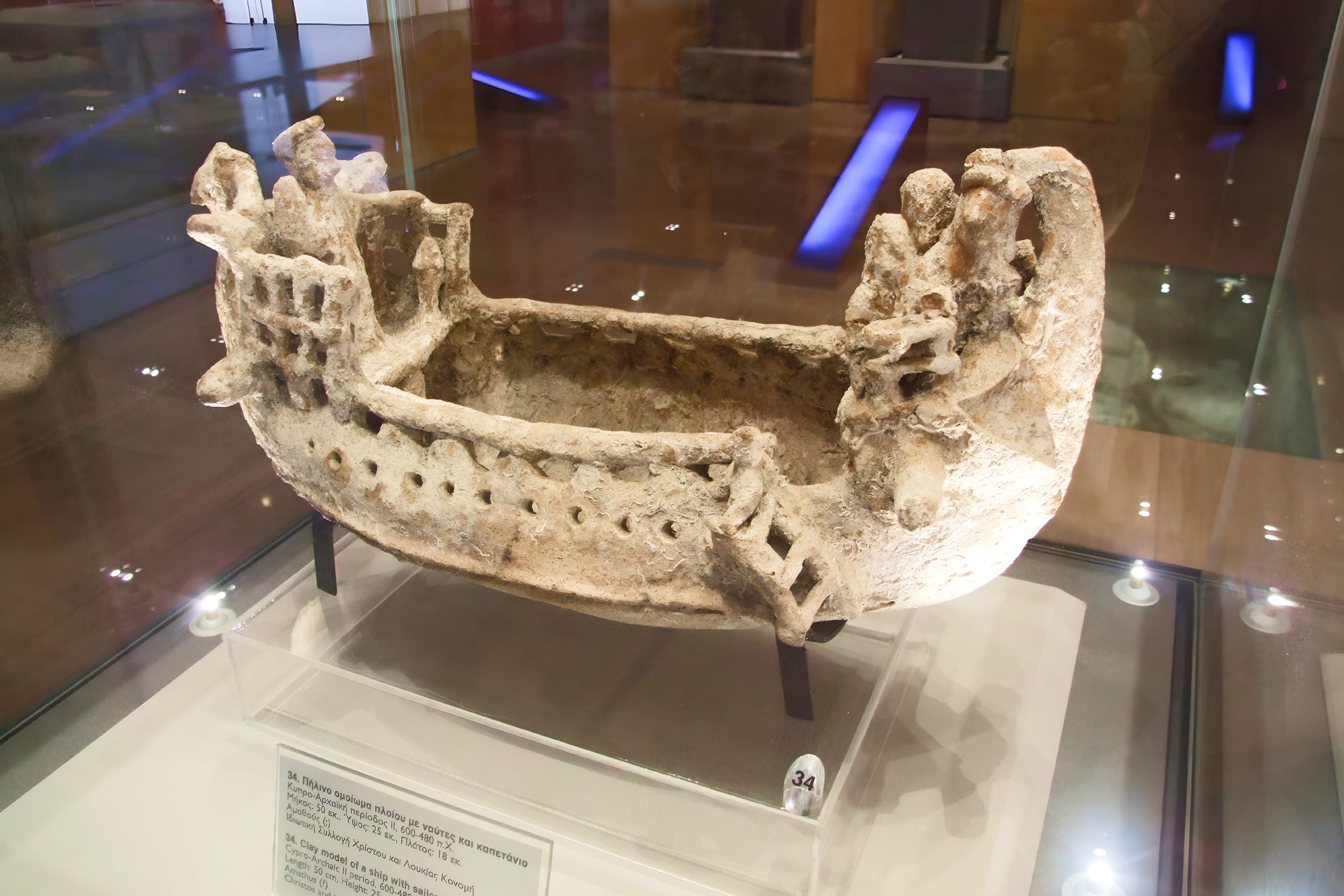
These artifacts demonstrate how ancient Cypriots lived, traded, and traveled across the Mediterranean. The museum also displays a replica of a Mesolithic papyrus vessel from 9200 B.C., which archaeologists believe was used to transport obsidian across the Aegean Sea.
The Kyrenia Ship Discovery
The Kyrenia shipwreck was discovered by Greek-Cypriot diving instructor Andreas Cariolou in November 1965 while he collected sponges at a depth of 33 meters, approximately one nautical mile northeast of Kyrenia harbor. After losing the exact location during the initial storm, Cariolou conducted more than 200 dives before relocating the wreck in 1967.
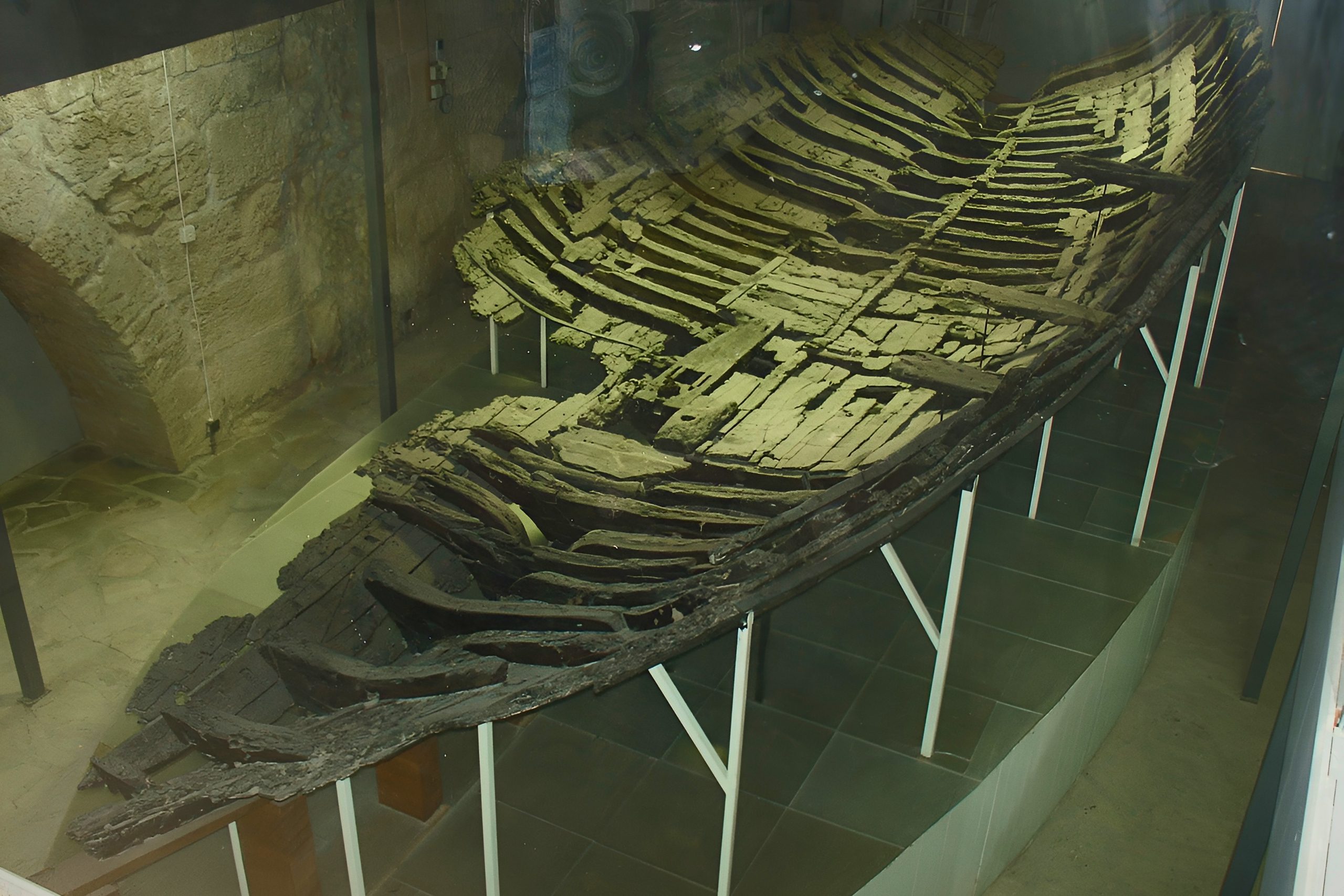
Michael Katzev, a graduate student from the University of Pennsylvania Museum of Archaeology and Anthropology, directed the scientific excavation from 1967 to 1969 with a team of more than 50 underwater archaeologists, students, and technicians. The original ship, remarkably well-preserved with more than 60% of its hull intact, now resides in the Ancient Shipwreck Museum at Kyrenia Castle. The Kyrenia II replica at Thalassa was built in 1985 for scientific experimental purposes and has been exhibited worldwide, including in New York, Nara, Seville, and Hamburg.
Details of the Ancient Vessel
The Kyrenia ship measures 15 meters in length and was constructed from Aleppo pine timber felled around 389 B.C. The ship carried 381 amphoras containing wine, olive oil, and almonds, with most amphoras coming from Rhodes. The cargo included 29 millstones arranged in three rows over the keel, serving both as cargo and ballast. Stone masons from the quarry, probably on the island of Kos, carved identification letters on the sides of these stones.
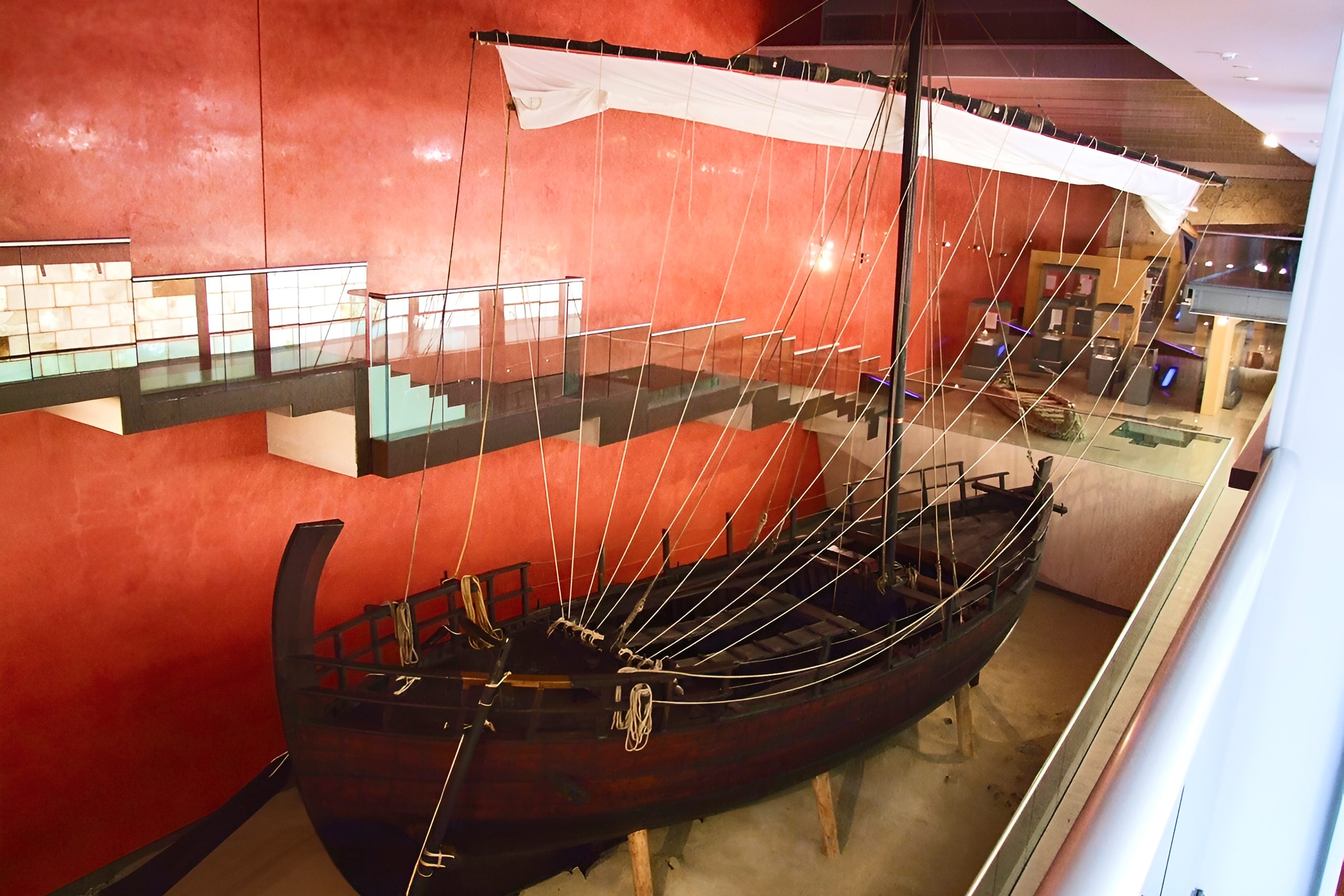
The ship sank between 294 and 291 BC, supported by seven bronze coins found at the wreck site Five coins were minted in the name of Alexander the Great and date between 334 BC and 301 BC. More than 9,000 almonds were found preserved in jars and within the ship’s hull, while 300 lead net weights in the bow indicate the sailors fished during their voyage. Kitchen items including four wooden spoons, four oil jugs, four salt dishes, and four drinking cups suggest a crew of four people.
Understanding the Ship’s Final Journey
Iron spearheads discovered underneath the hull and embedded in the ship’s side led archaeologists to conclude that pirates attacked and sank the vessel. This explains the absence of crew remains or personal effects, as the pirates likely plundered the ship and enslaved the crew.
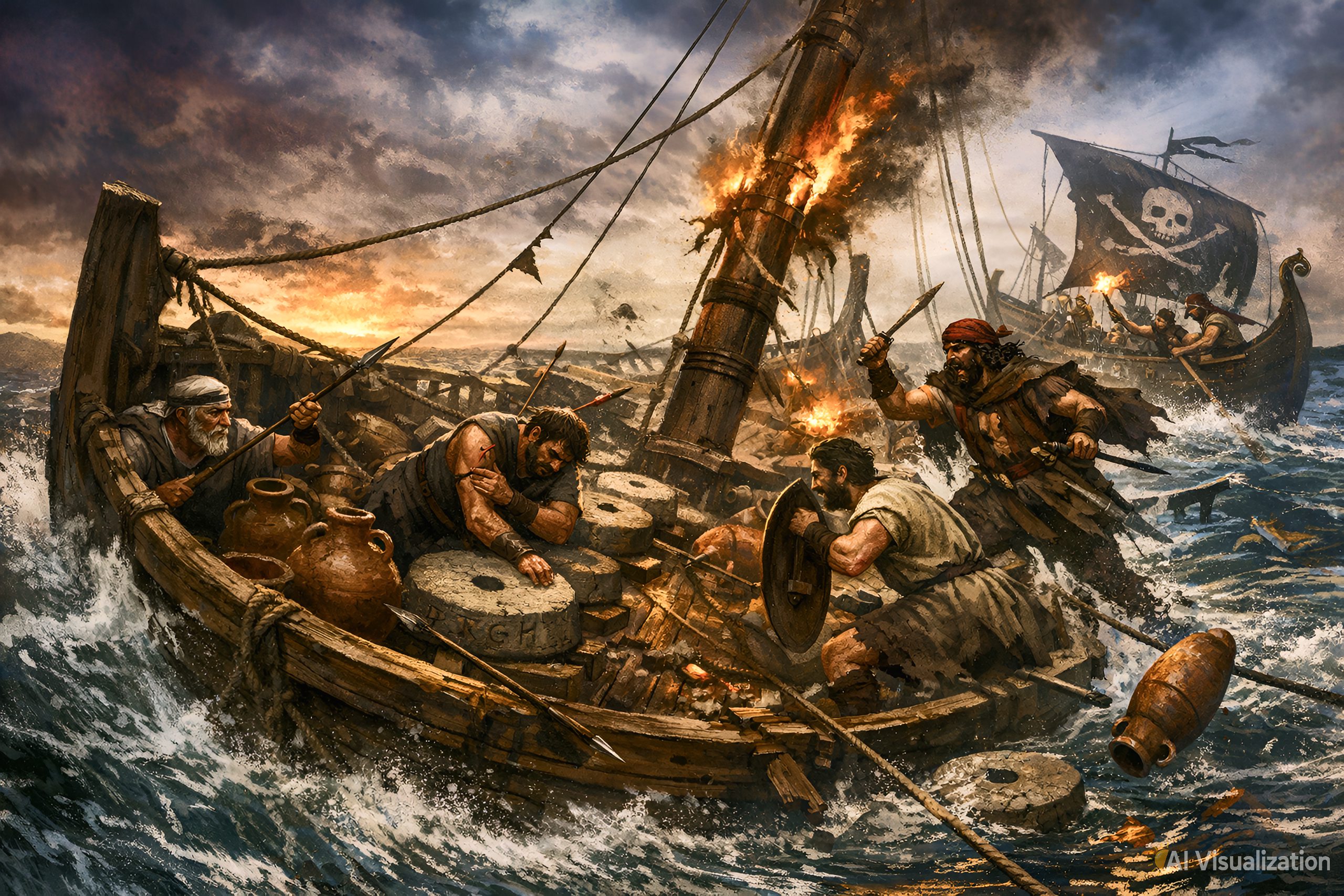
The ship’s trade route included Rhodes, Cyprus, and the Levant, with Egypt as a possible final destination. The vessel had been in service for 15 to 25 years before its final voyage, showing evidence of repairs including a fixed break in the keel and protective layers of pitch and lead sheathing on the hull exterior. These repairs were necessary to extend the aging ship’s lifespan and prevent water infiltration.
Natural History Collections
The basement houses a marine life section with fossils dating back 130 million years ago. The Tornaritis-Pierides Marine Life Foundation contributed paleontological exhibits including fossilized fish, shells, corals, ammonites, and trilobites from the late Cretaceous period (130 to 65 million years ago).
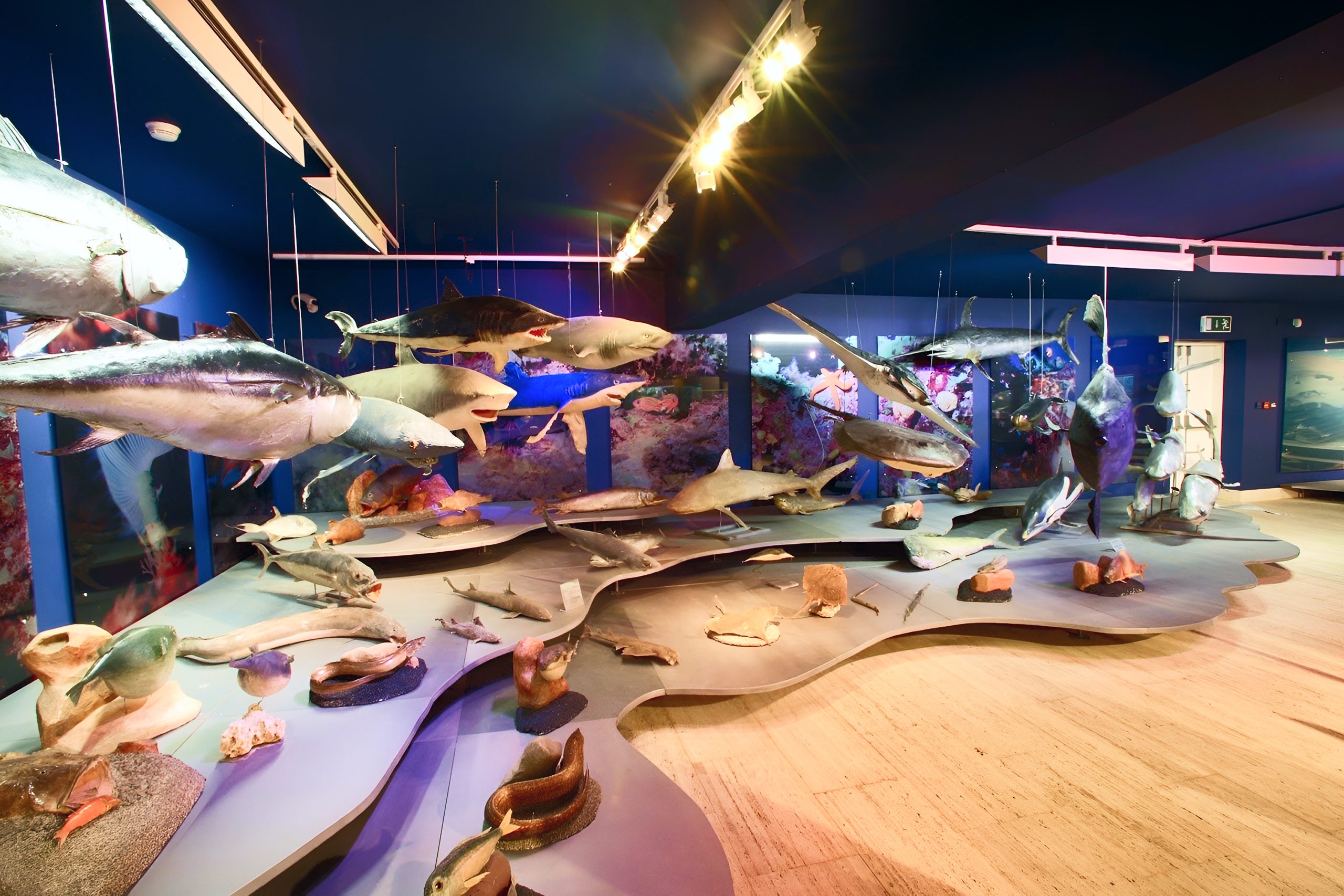
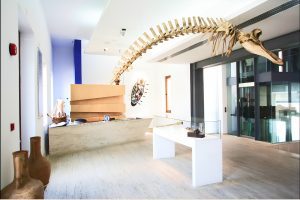
The natural history section displays native marine fauna of the Eastern Mediterranean, including shells, barnacles, corals, sea urchins, starfish, crabs, lobsters, sponges, sea fans, and marine plants found around Cyprus. Stuffed specimens include fish, dolphins, thresher sharks, a large sunfish, sea turtles, seals, and various sea and lake birds in recreated natural habitats.
The museum also exhibits bones and skulls of endemic pygmy hippopotamus and elephants that roamed Cyprus approximately 8,000 years ago, connecting visitors to the island’s prehistoric ecosystem.
Modern Relevance and Cultural Impact
The Thalassa Museum serves as an educational hub for maritime archaeology and marine conservation in Cyprus. In 2025, the museum celebrated its 20th anniversary and established a permanent educational space dedicated to Cypriot maritime archaeology featuring a SCUBA diving kit and replicas of finds from underwater excavations.
The museum offers interactive activities and virtual reality experiences that allow visitors to explore underwater archaeological sites. The Kyrenia ship appears on three Cypriot euro coins (10, 20, and 50 cents), demonstrating its significance as a national symbol. Educational programs target children and youth aged 15-35 years, fostering respect for cultural heritage and marine conservation. The museum promotes awareness about the delicate balance of underwater ecosystems and the impact of human activity on Mediterranean waters.
Planning Your Museum Visit
The Thalassa Museum occupies a central location in Ayia Napa, just minutes from the town center and harbor. Adult admission costs €4, with reduced rates of €2.50 for university and high school students and €1.50 for primary and secondary school students. The museum operates Monday from 9:00 to 14:00, Tuesday through Friday from 9:00 to 17:00, Saturday from 9:00 to 14:00, and remains closed on Sundays.
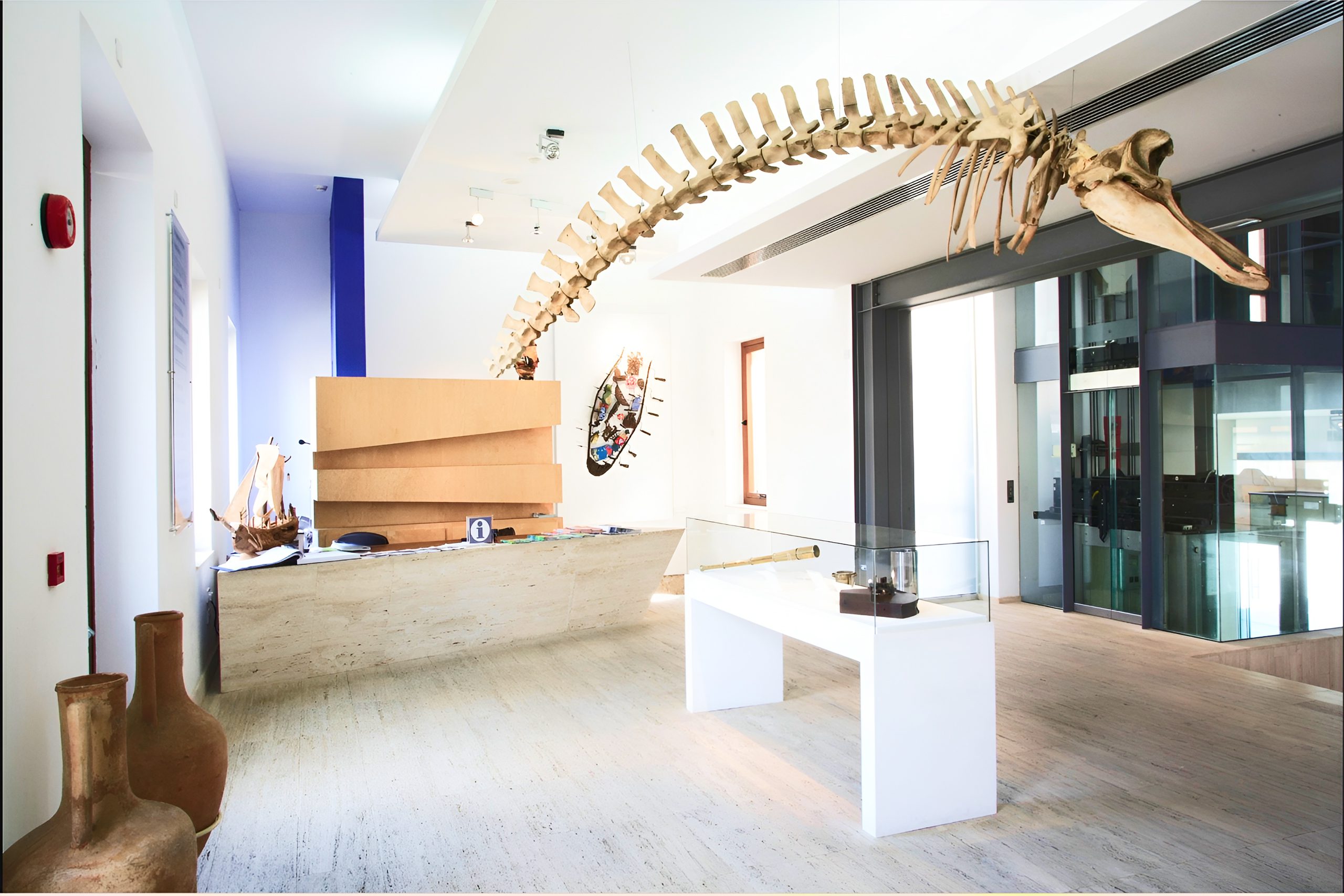
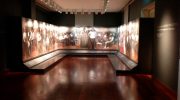
Most visitors spend one to two hours exploring the exhibits. The facility includes a café, gift shop, and an outdoor amphitheater that hosts concerts, performances, and cultural events during summer months. A multipurpose hall accommodates exhibitions, educational programs, lectures, seminars, and workshops throughout the year. Fiber optic illumination highlights the exhibits, and audiovisual panels provide information about Cyprus’s historical periods.
Why This Museum Matters
The Thalassa Museum preserves and presents the maritime story of Cyprus in ways that connect ancient seafaring traditions to contemporary island identity. The institution demonstrates how the sea shaped commerce, culture, and daily life across millennia. Through the Kyrenia ship replica and extensive archaeological collections, visitors gain tangible connections to the island’s Hellenistic past and its crucial role in Mediterranean trade networks.
The natural history exhibits remind us that Cyprus’s relationship with the sea extends far beyond human history into geological time. This museum deserves attention because it transforms abstract archaeological data into accessible narratives, making maritime heritage meaningful for both residents and visitors. The combination of ancient artifacts, life-size replicas, and natural specimens creates a complete picture of Cyprus’s enduring bond with the Mediterranean.