Cyprus agriculture follows ancient patterns shaped by Mediterranean climate and generations of farming wisdom. The island produces diverse crops throughout the year, from citrus fruits and potatoes to grapes and olives. Over 320 sunny days annually create ideal conditions for cultivation, though water scarcity challenges farmers who consume 70% of the island’s resources for irrigation.
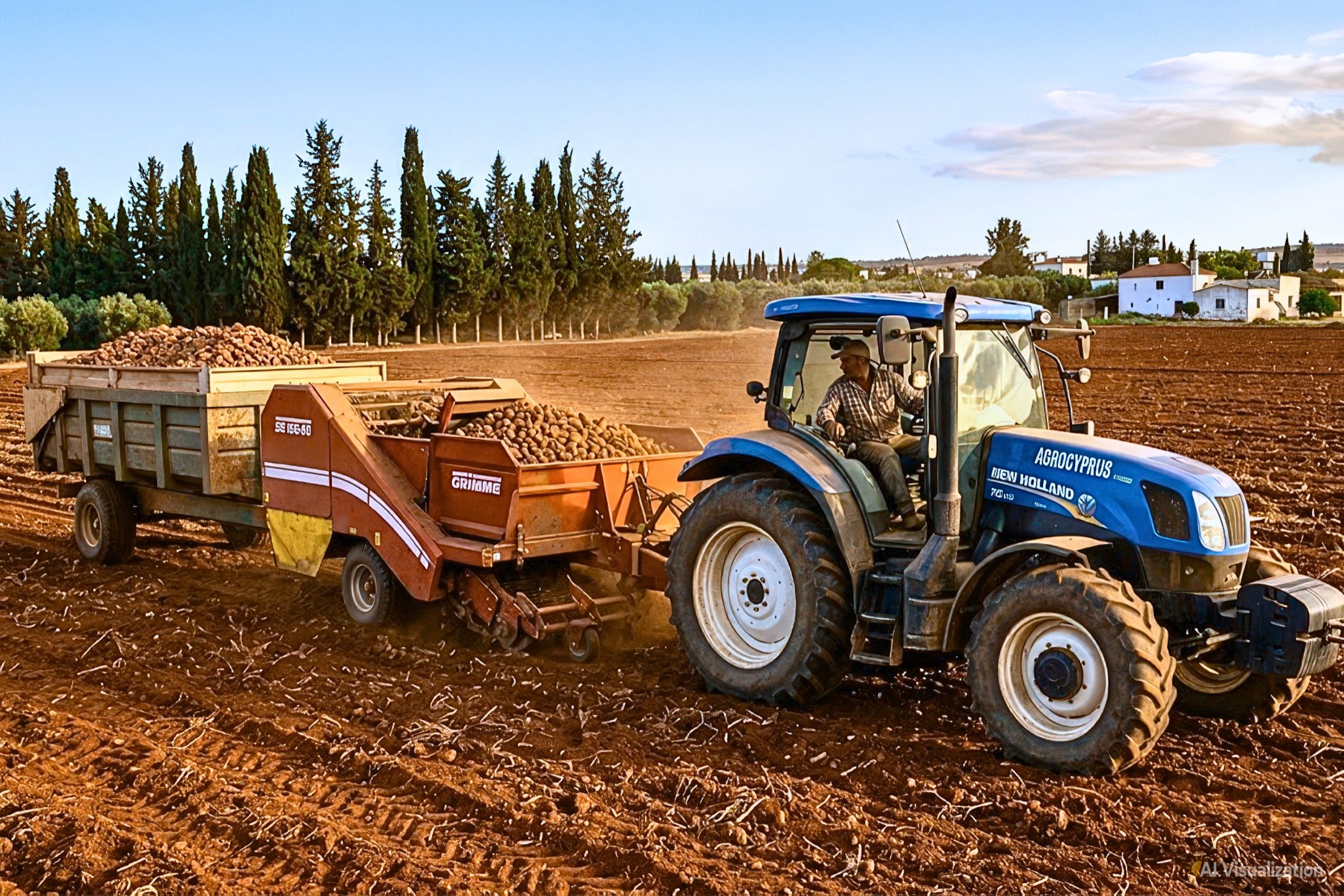
Small family farms dominate the landscape despite modernization. Agriculture contributes roughly 2% to GDP while employing 7% of the workforce. The sector supports rural communities and preserves village life across mountainous terrain. Traditional methods blend with contemporary techniques as Cyprus maintains its reputation for quality Mediterranean produce.
Ancient Roots Shape Modern Agriculture
Farming traditions in Cyprus stretch back to the 2nd millennium BC, with archaeological evidence of olive pressing from the 13th century BC. The island cultivated grains, vines, and olive trees for millennia. Ottoman rule introduced land classifications that persisted through British colonial administration until independence in 1960.
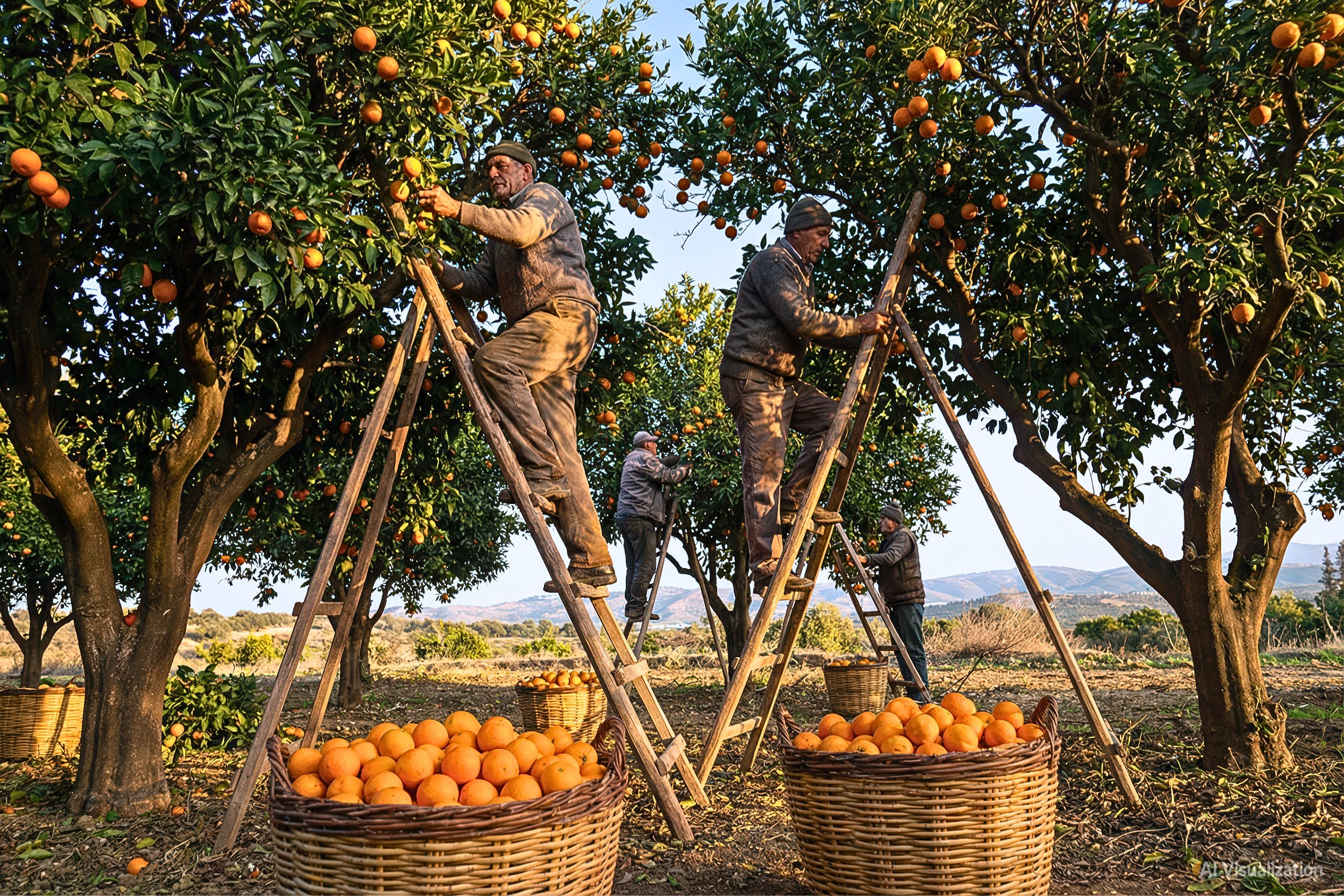
The Church of Cyprus emerged as the largest private landowner, controlling an estimated 5.8% of arable land before 1974. British authorities reformed ownership laws in 1946, allowing unrestricted private land ownership for the first time. Agricultural cooperatives formed in 1909 after farmers toured Britain and Germany, studying their systems.
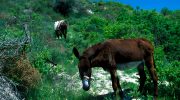
Today, farming faces mountainous terrain that complicates mechanical cultivation. The government promotes drought-resistant crops and wastewater treatment for irrigation. Six desalination plants now provide water security, ending historical vulnerability to droughts that damaged entire growing seasons.
Spring Awakens the Growing Season
March through May brings moderate temperatures ideal for planting. Farmers prune olive trees and prepare fields for summer crops. Green almonds appear during early harvests, celebrated in mountain villages with fresh produce. Wildflowers blanket the countryside, attracting beekeepers who produce Cyprus honey.
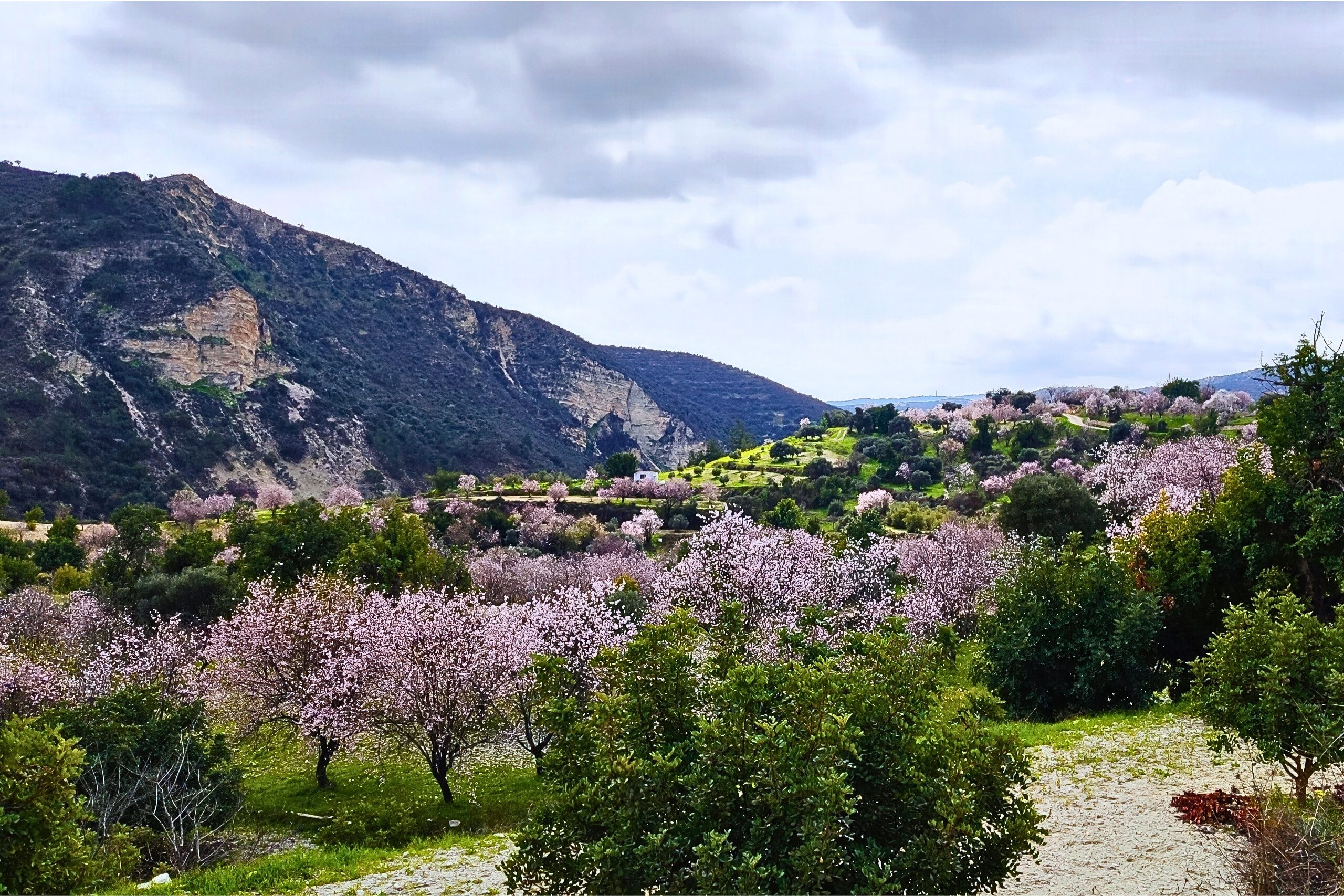
Spring markets overflow with artichokes, broad beans, asparagus, and fresh herbs. Sheep shearing occurs across highland farms, providing wool for traditional crafts. The agricultural calendar accelerates as days lengthen and temperatures climb. Villages organize pruning competitions and farming workshops passing knowledge to younger generations.
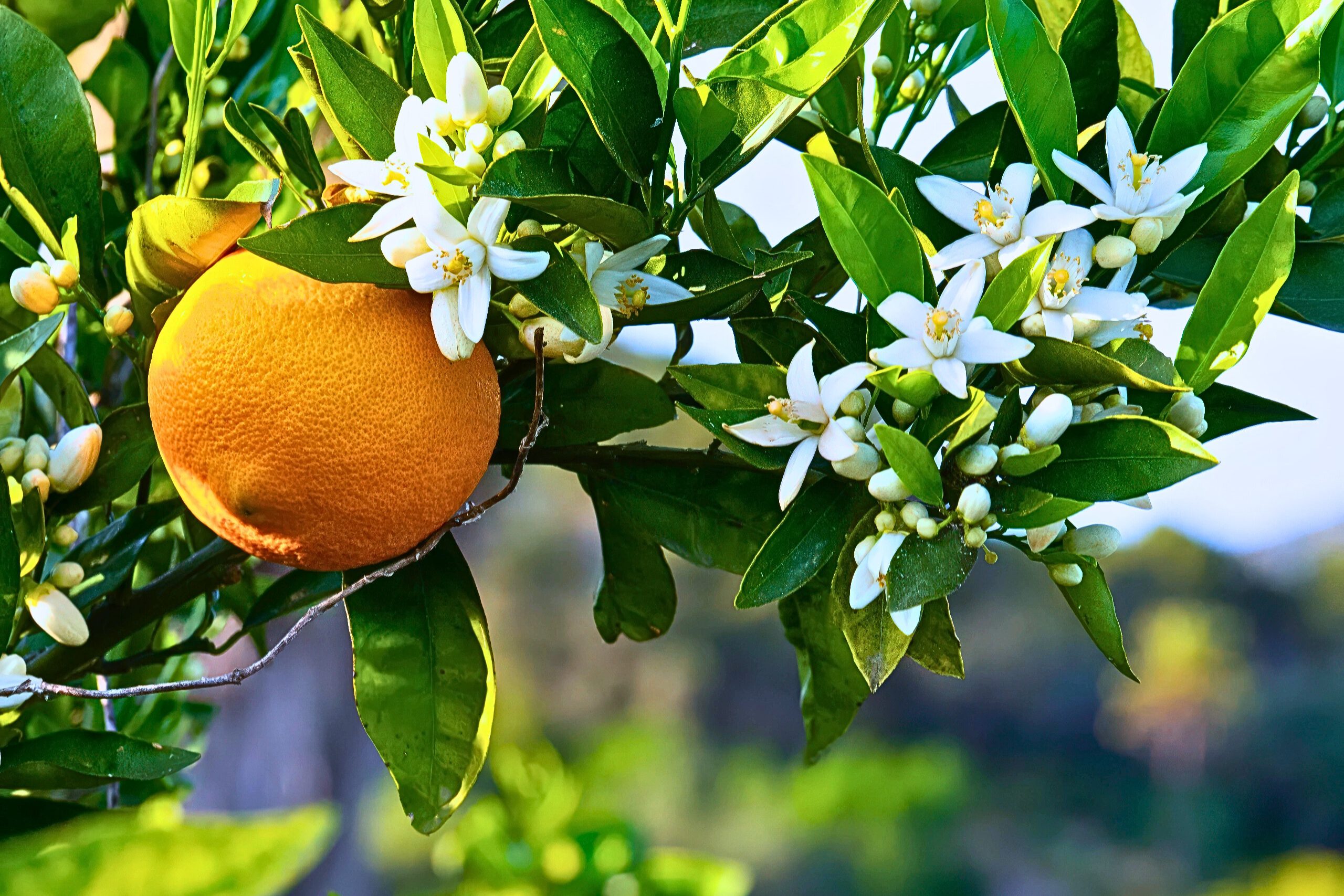
Citrus orchards near the coast bloom with fragrant orange blossoms, creating aromatic tunnels along country roads where cypress trees frame the groves. Tourist routes promote agrotourism experiences where visitors participate in harvesting and food preparation.
Summer Delivers Peak Harvest Activity
June through August marks the busiest farming period. Watermelons dominate Kokkinochoria villages, with farmers selling freshly picked fruit directly from roadside trucks. Cyprus watermelon season kicks off summer, often paired with halloumi cheese in traditional combinations. The fruit contains 91% water and thrives in intense Mediterranean heat.
Tomato cultivation spans 280 hectares, producing approximately 16,000 tons annually. Planting occurs February through August, with harvests running June through December. The crop consists of 95% water, making irrigation critical during peak summer months.
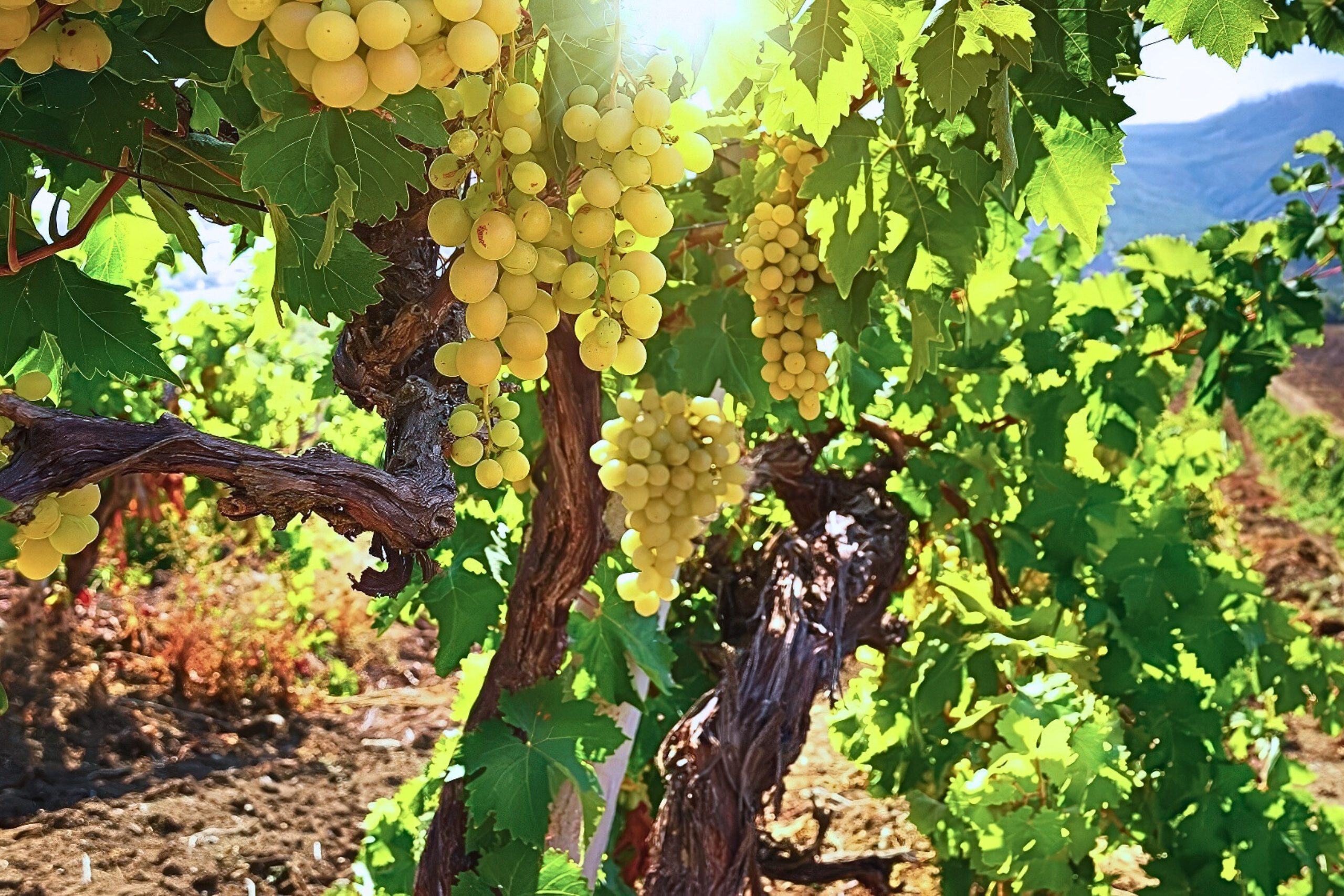
Grapes reach maturity across island vineyards. The wine industry transformed dramatically since the 1990s, with over 40 small wineries producing quality wines. The Limassol Wine Festival, started in 1961, attracts 100,000+ visitors annually. Six organized wine routes showcase regional varieties and winemaking traditions. Cooperatives KEO, SODAP, ETKO, and LOEL represent major producers alongside boutique operations.
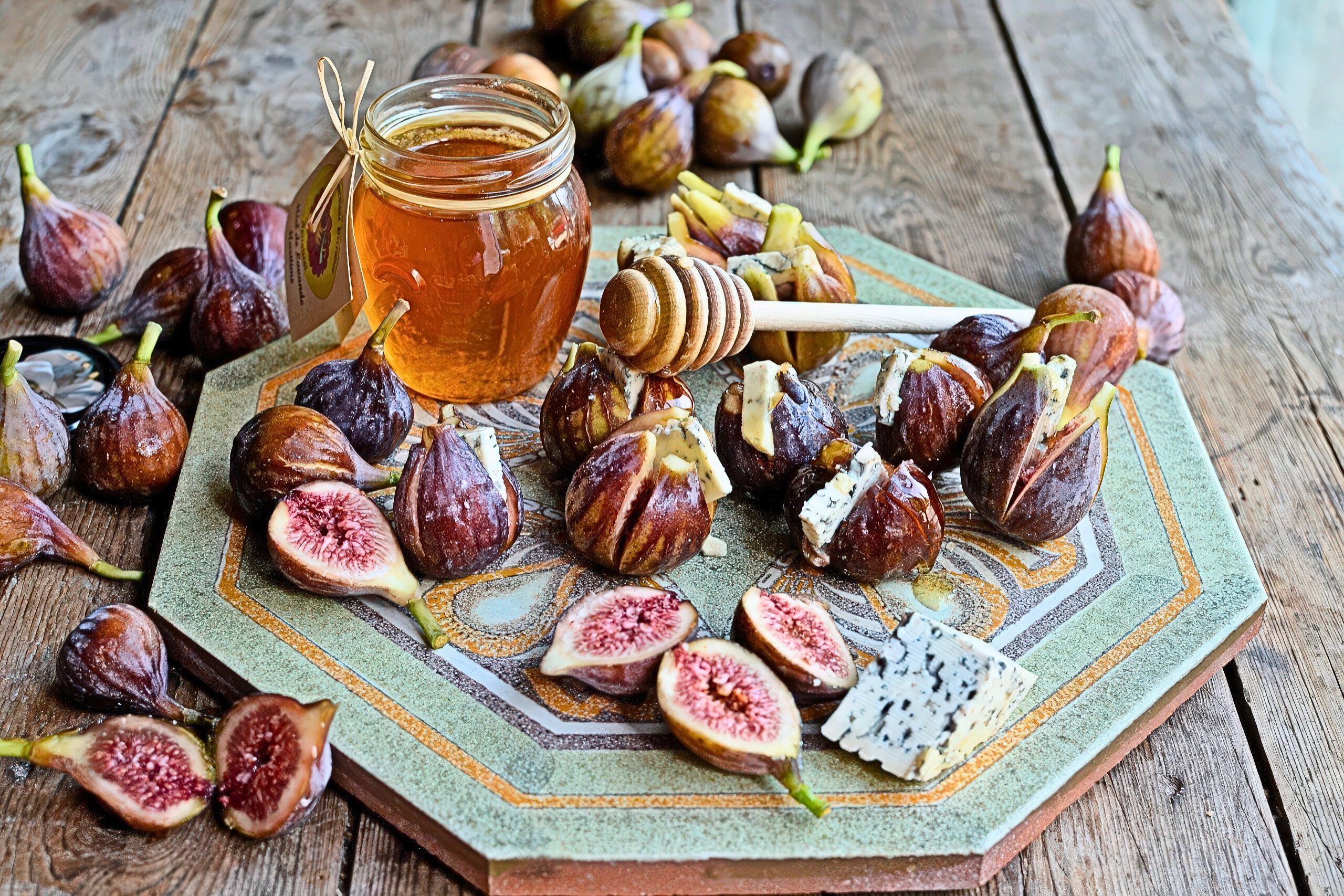
Fig trees provide abundant fruit, particularly celebrated in mountain villages. The Figs and Honey Festival highlights these essential crops with traditional music, dancing, and authentic cuisine. Summer festivals create community gatherings where locals and tourists experience rural culture firsthand.
Autumn Brings Grape and Olive Celebrations
September through November creates ideal harvest conditions as temperatures moderate. Grape picking transforms into social events across wine villages. Vasa Koilaniou, known as the Wine Village, hosts elaborate grape harvest festivals. Participants join farmers in vineyards at sunrise, harvesting grapes using traditional methods passed through generations.
Traditional dishes appear during festivals, including palouze (grape must pudding) and soutzoukos (grape juice candies formed on strings of nuts). These time-consuming preparations demonstrate commitment to preserving culinary heritage. Live performances feature bouzouki and laouto music accompanying syrtos and zeibekiko folk dances.
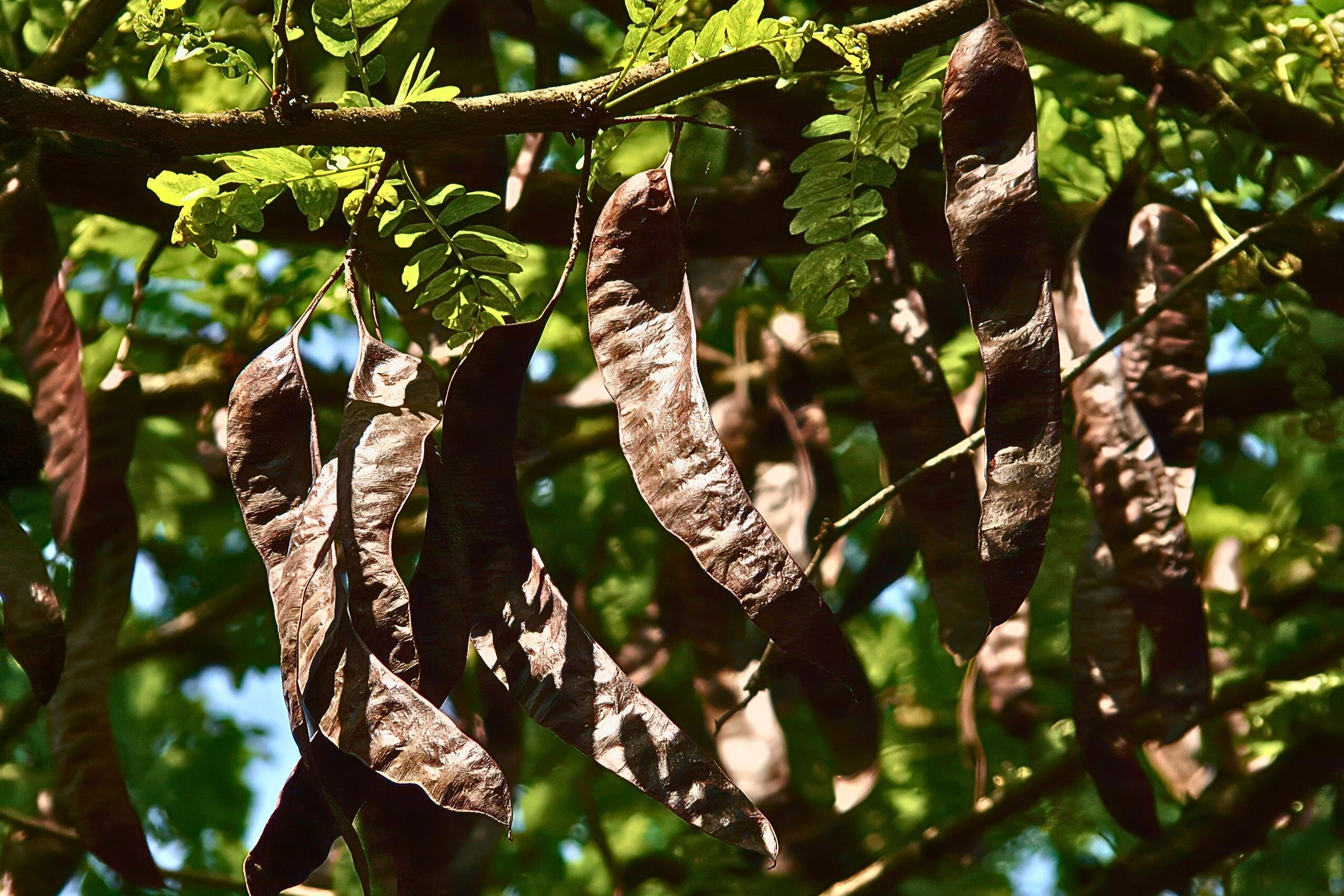
Carob harvest begins in September, earning its nickname “Black Gold of Cyprus.” The trees grow since Neolithic times (7000-3000 BC), producing pods with natural sweetness. Pegeia hosts the annual Carob Festival featuring picking competitions, cooking demonstrations, and educational workshops about the crop’s versatility. Products include carob syrup, cookies, ice cream, and pasteli (carob toffee).
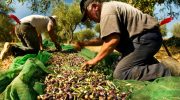
Olive harvesting starts in October and continues into January depending on conditions. Families spread blankets beneath trees, using long sticks to shake branches and dislodge fruit. Green olives come first, followed by darker varieties. The traditional method damages trees but remains culturally significant. Modern vibrating rakes and machinery now assist while preserving authenticity.
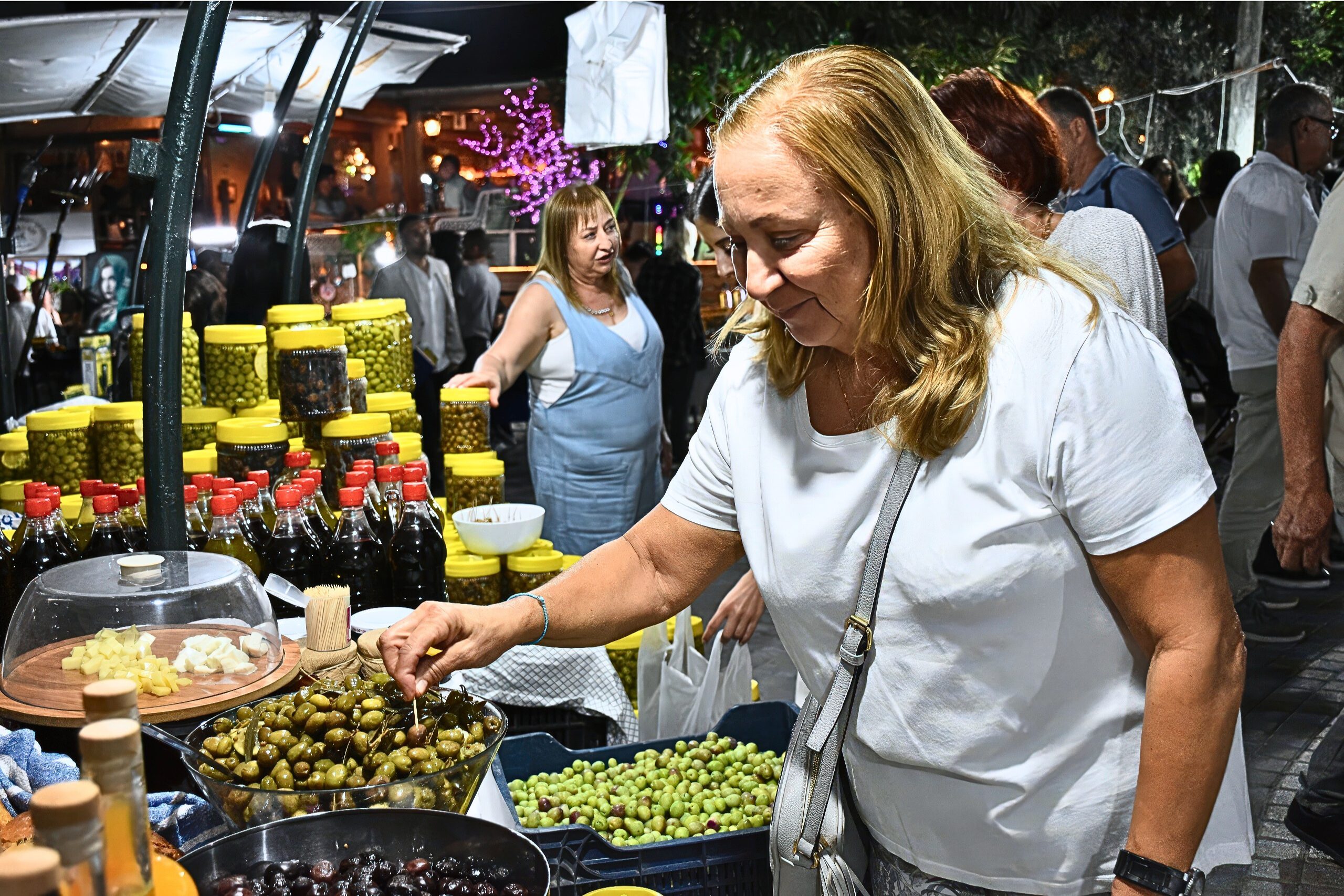
Zeytinlik village holds an annual Olive Festival each October celebrating the crop’s importance. Fresh pressing takes approximately three hours, yielding one liter of oil from five kilos of olives. Green olives undergo soaking in saltwater for five weeks before consumption. Chakistes (cracked olives in lemon juice, garlic, and coriander) appear as restaurant appetizers throughout the island.
Winter Provides Rest and Citrus Bounty
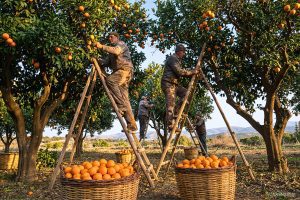
December through February brings quieter agricultural activity. Citrus fruits reach peak quality as oranges, lemons, grapefruits, and mandoras (mandarin-orange hybrids) ripen. Winter harvests supplied major markets in Russia and the UK, with 2013 citrus exports to Russia reaching €10.7 million before political trade disruptions forced market diversification.

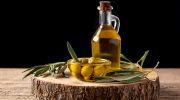
Villages prepare traditional Christmas pastries including kourabiedes (almond cookies) and melomakarona (honey biscuits). Olive pressing continues in traditional mills, both manual stone grinders powered by electric rotors and modern stainless-steel crushers. Virgin olive oil from first pressing offers highest quality, with subsequent pressings producing lower grades.
Farmers plan spring planting during winter months. Agricultural research institutes test drought-resistant varieties including experimental corn, barley, ancient wheat, chickpeas, and cowpeas across 11-hectare trial fields. Scientists develop naturally crossed varieties adapted to Cyprus heat and water scarcity.
Rural tourism thrives as visitors experience slower village rhythms. Cozy accommodations offer traditional Cypriot hospitality without summer crowds. The season allows deeper cultural immersion into farming communities preparing for the annual cycle’s renewal.
Local Markets Connect Farmers and Communities
Farmers’ markets operate year-round across major cities. Nicosia’s Agios Antonios indoor market opens Monday through Saturday, offering seasonal produce, fresh fish, meat, traditional products, cheeses, and homemade bread. Strovolos Market operates Fridays with inexpensive vegetables and fruits. Oxi Square Market, Nicosia’s largest, functions Wednesdays and Saturdays with rare fruits and local cuisine.
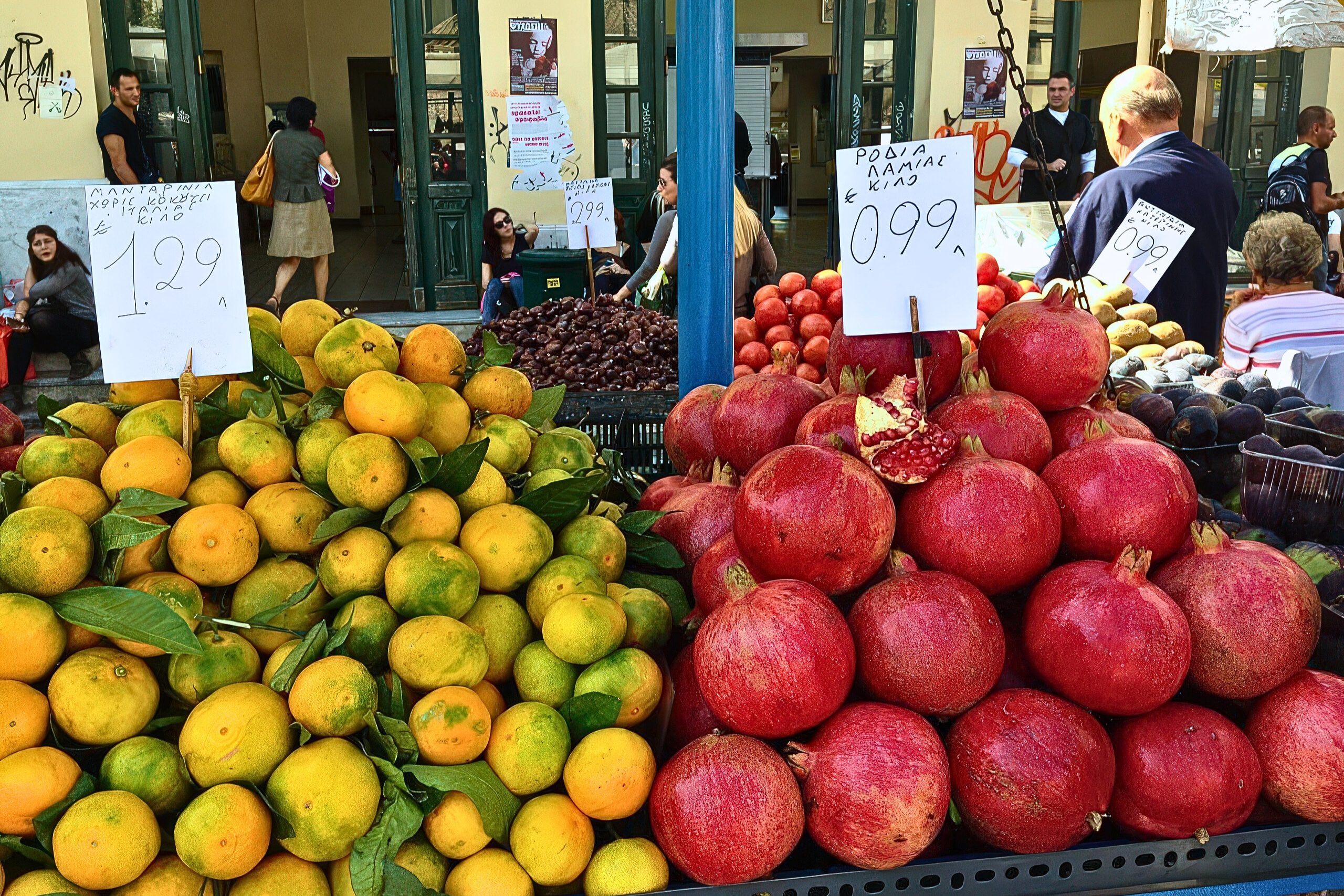
Limassol hosts Saturday Organic Farmers’ Markets featuring rabbit meat and rare cheeses difficult to find elsewhere. The Municipal Market runs Monday through Saturday indoors. Markets open very early (around 5am) and close by lunchtime, requiring visitors to arrive promptly for best selection.
Farmers sell directly at markets, establishing personal connections with customers. Conversations about products, recipes, and growing methods enhance shopping experiences beyond simple transactions. Seasonal variations mean available produce changes dramatically throughout the year, encouraging customers to follow natural cycles.
Preserving Traditions in Modern Context
Cyprus farming balances tradition with innovation. The island cannot compete with countries producing massive volumes at low costs but excels in quality, organic farming, and specialty products. High phenolic olive oil attracts scientific research from UC Davis, University of Athens, and Yale University studying health benefits.
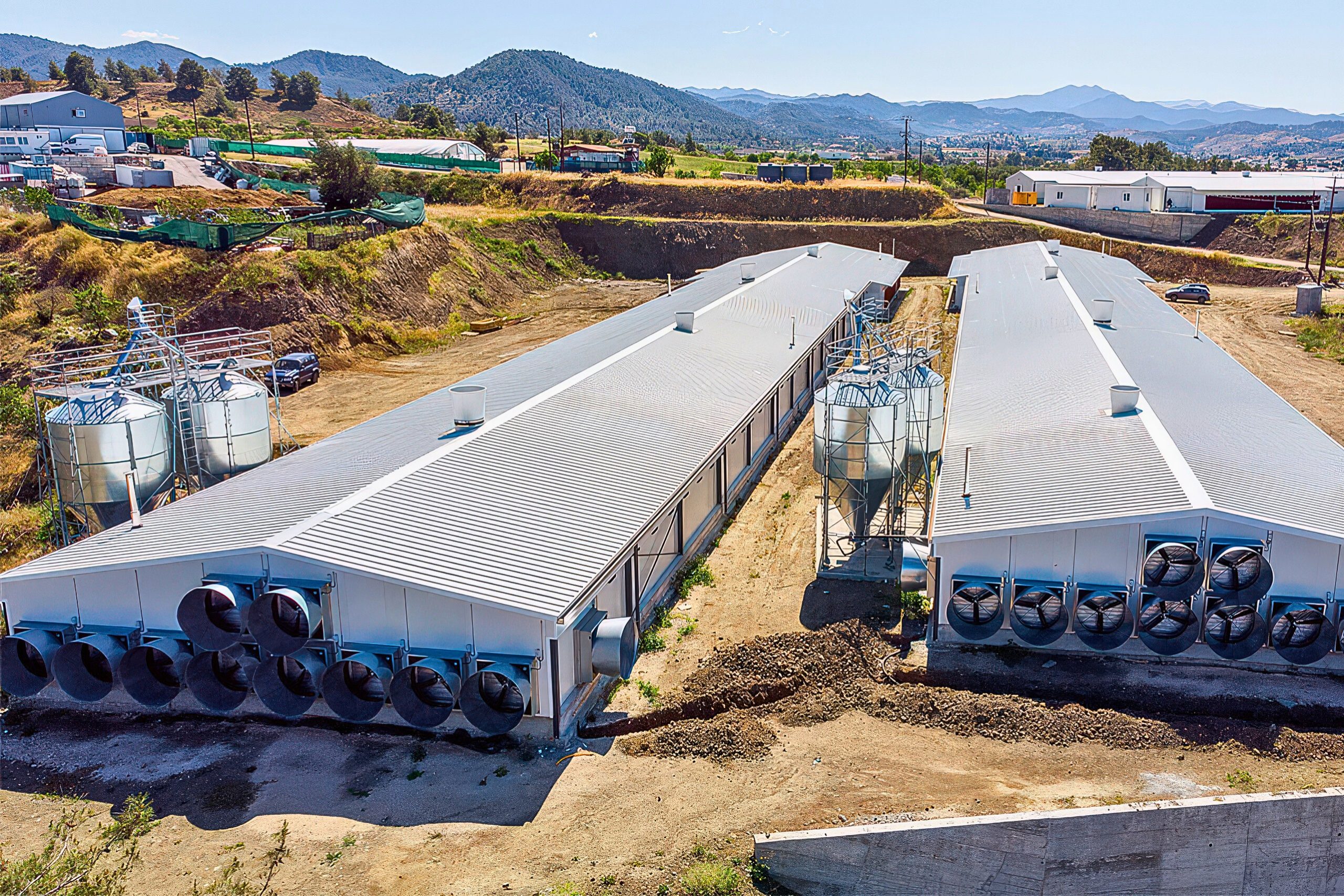
Regenerative agriculture practices emerge on organic farms using agroecology design to create systems mimicking natural ecosystems. These approaches increase biodiversity while maintaining productivity. The Agricultural Research Institute experiments with solar-heated greenhouses, soil fertility improvements, and water optimization.
Young farmers increasingly adopt business-minded approaches, capturing international markets while maintaining cultural practices. Investment in renewable energy and smart technology modernizes operations without abandoning ancestral knowledge. The sector demonstrates adaptability and resilience facing climate challenges.
Agricultural tourism routes allow visitors to experience authentic farming activities. Participants harvest fruits, observe traditional food preparation, and understand the connection between land and culture. These experiences preserve traditions by demonstrating their ongoing relevance rather than treating them as historical curiosities.