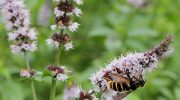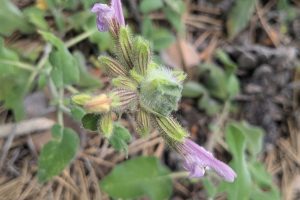
Imagine wandering the sun-drenched paths of Cyprus’s Troodos Mountains, where a humble herb releases a spicy, earthy aroma that whispers of age-old remedies and hearty island feasts. This is oregano, a wild treasure that’s flavored Cypriot life for centuries, inviting us to uncover its simple joys and hidden strengths.
A Spicy Star in the Mint Family
Oregano is a fragrant herb from the vast Lamiaceae family, a group that includes over 7,000 species worldwide, like mints, sages, and basils – all sharing square stems and leaves packed with essential oils that give them their punchy scents and flavors. In Cyprus, it grows as a tough little bush in rocky spots, a classic example of Mediterranean wild plants that thrive in harsh, sunny environments.
A Gift from Mountain Spirits
The name “oregano” springs from ancient Greek words – “oros” for mountain and “ganos” for joy – beautifully capturing how this resilient plant thrives on sunny hillsides and brings simple delight to those who stumble upon it. In Cyprus, its tale reaches back to the island’s earliest settlers around 10,000 years ago, who likely gathered it for nourishment and healing, much like their kin across the Mediterranean waves. Locally known as ρίγανη (rigani), it echoes this joyful legacy, cherished by ancient inhabitants for its seasoning and soothing powers long before tales were etched in stone. Over millennia, it has adapted alongside the region’s ever-shifting climates, weaving itself into folklore as a symbol of strength and safeguard against ailments.
Fuzzy Leaves and Dainty Blooms
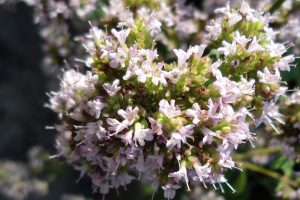
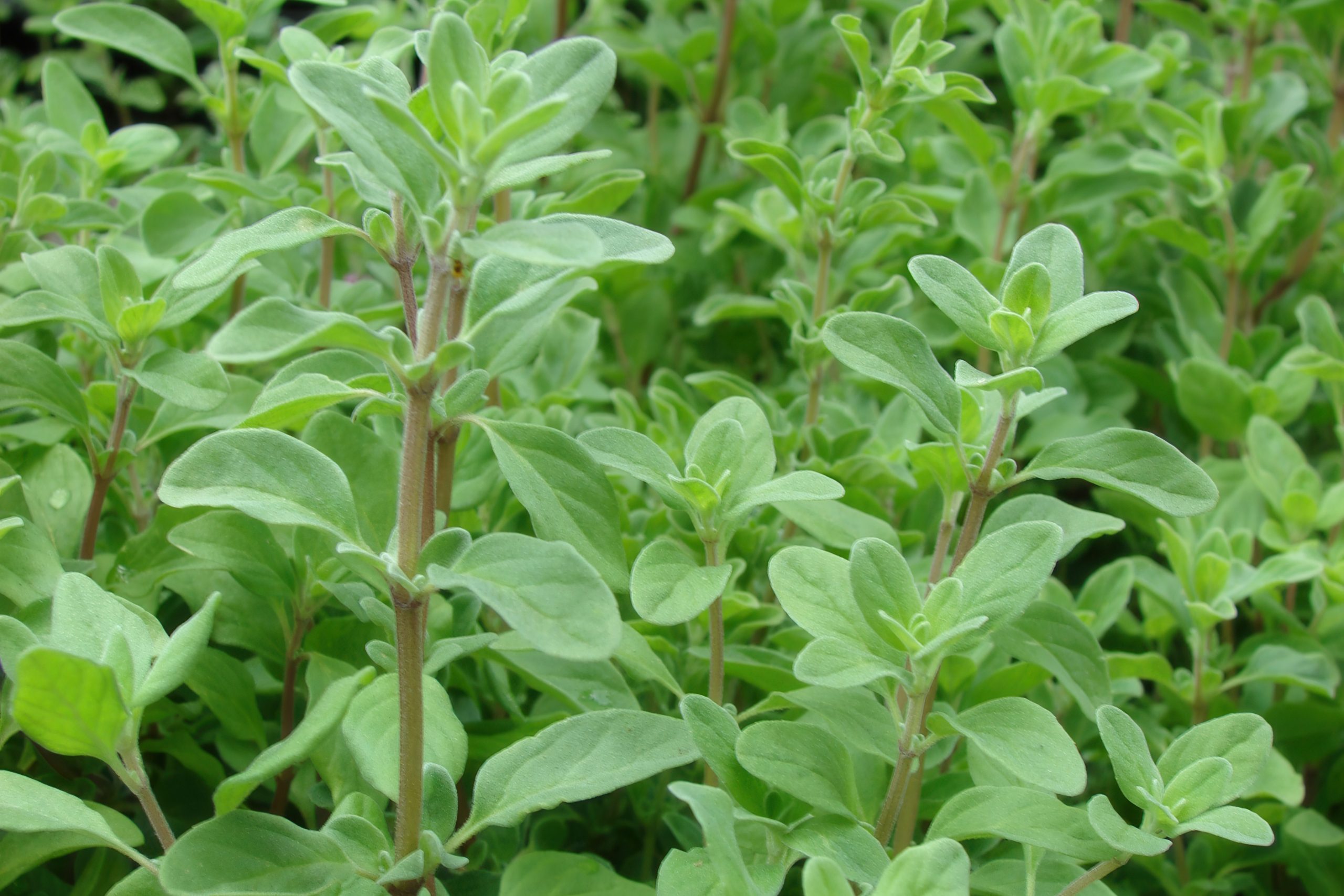
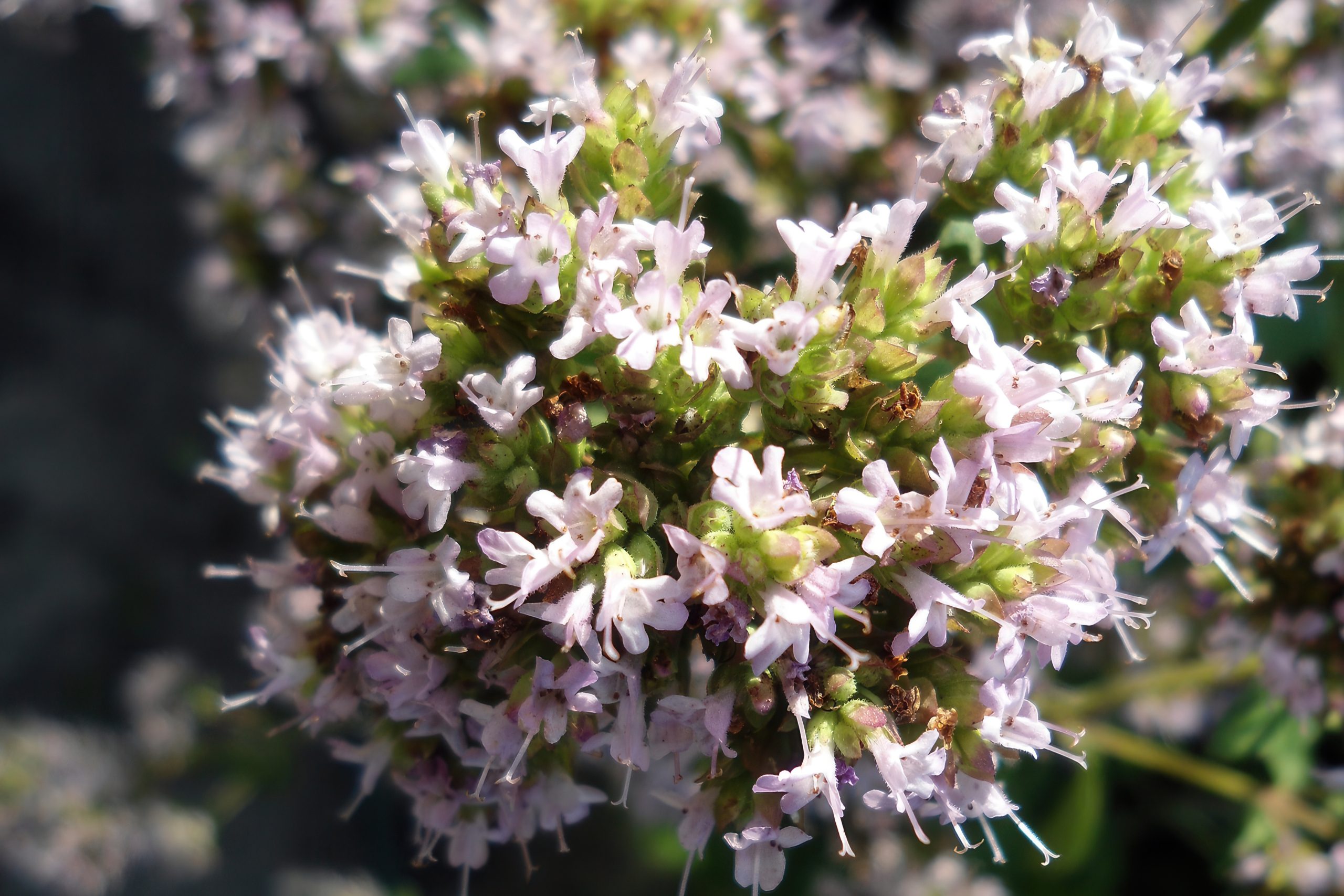
This sturdy perennial forms low, woody clumps with soft, oval leaves that feel slightly fuzzy to the touch, releasing a bold, peppery scent when brushed. In summer, it sprouts slender stems topped with clusters of tiny pinkish-purple flowers, creating a haze of color that dances in the breeze against the island’s dry, stony backdrops.
Delightful Tidbits
• Oregano’s zesty kick comes from compounds like carvacrol, which ancient Greeks used as a natural bug repellent – Hippocrates even praised it for soothing coughs!
• In Cyprus, it’s a key player in halloumi cheese rubs and souvlaki marinades, a tradition that dates back to Byzantine feasts.
• Bees adore its nectar, producing a dark, thyme-like honey that’s been called “the elixir of the gods” in local lore.
• One pinch can flavor a whole pot, but overdo it and you’ll learn why Romans used it to mask spoiled meat in tough times.
• During World War II, islanders brewed it as a tea when imports vanished, turning scarcity into a comforting ritual.
• Its oils can zap bacteria better than some modern cleaners, a secret that modern science is rediscovering for natural preservatives.
Layers of Aromatic Lore
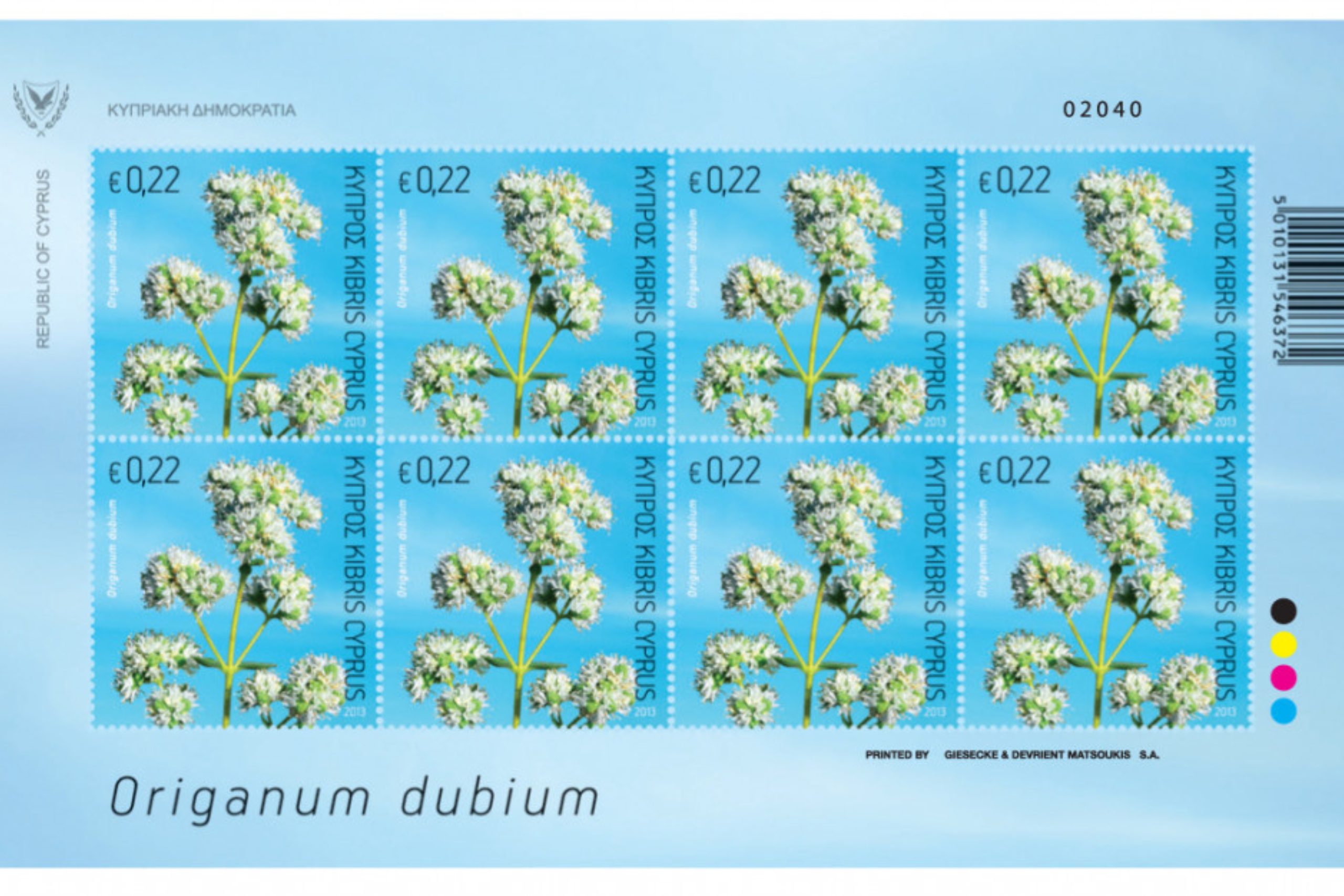
Beyond the common wild oregano (Origanum vulgare), Cyprus boasts unique varieties like Origanum dubium, an rare species with extra-potent leaves, and Origanum majorana, the sweeter marjoram often grown in gardens. Origanum dubium, known locally as “rouvanos” – a name possibly echoing ancient words for strength or perhaps just its robust growth – even graces stamps from Cyprus Post, celebrating its aromatic heritage in a 2013 series that let you scratch and sniff the scent. The plant’s strong aroma comes from natural oils like carvacrol and thymol, which give it that warm, peppery smell reminiscent of pizza or mountain air after rain. These same oils act as nature’s medicine cabinet, helping to fight off germs and reduce swelling in simple ways – think of them as tiny warriors in the leaves that ease tummy troubles or freshen breath, a gentle power people have trusted since ancient healers mixed them into salves.
Sprinkling Flavor into Today
In modern Cyprus, oregano remains a kitchen hero, adding zest to everything from grilled meats to herbal teas, while its essential oils appear in local soaps and remedies for colds. With climate shifts challenging wild plants, it’s a symbol of resilience, supporting pollinators in our maquis scrublands and reminding us of sustainable foraging traditions that keep island cuisine fresh and healthy.
Seeking the Scented Clumps
Spot oregano on hikes through the Troodos or Akamas trails (Smigies Nature Trail), where its aroma guides you in summer – pluck a sprig gently (with permission) to feel its velvety leaves and inhale the invigorating spice. Visiting feels like a treasure hunt, with the plant’s warmth lingering on your fingers, turning a simple walk into a sensory adventure connected to Cyprus’s wild heart.
A Herb That Seasons the Soul
Oregano is worth cherishing because it captures Cyprus’s essence – a modest plant with mighty flavors, linking prehistoric gatherers to today’s cooks, fostering health, culture, and joy. In an island blooming with endemic treasures, it reminds us how nature’s gifts bind us to our heritage, sprinkling a bit of mountain magic into every Cypriot moment.