Trahanas is not a soup in the usual sense. It is a solution shaped by necessity. Long before refrigeration, electricity, or supermarkets, Cypriot households needed a way to preserve the abundance of summer milk and turn it into nourishment for the colder, damp months that followed. Trahanas emerged as a practical answer to this challenge, turning perishable ingredients into a stable, nourishing reserve.
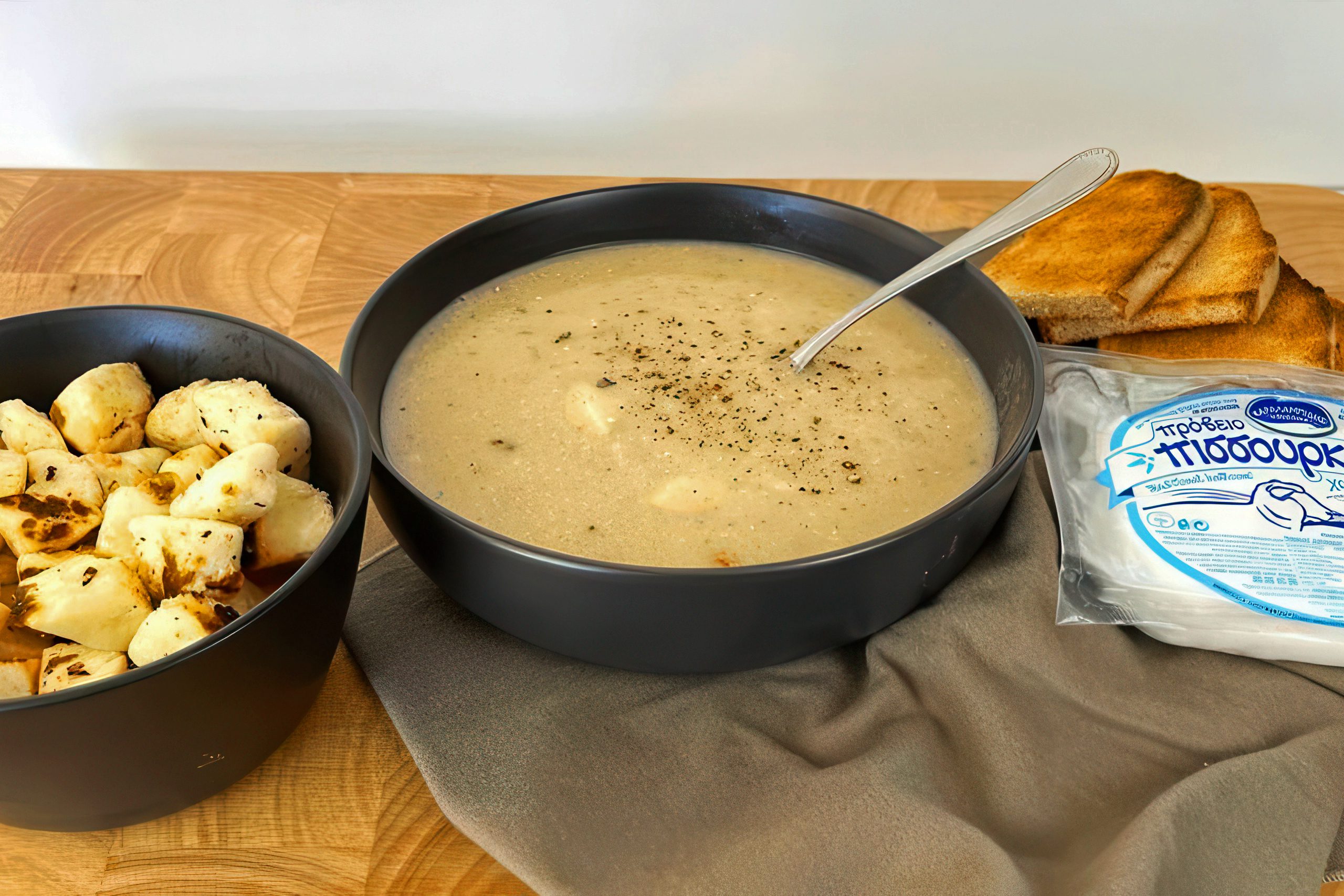
Tangy, filling, and deeply comforting, trahanas sits at the centre of Cyprus’s food memory not because it is impressive, but because it worked when it mattered most. To eat trahanas is to taste the logic of survival shaped by land, climate, and patience.
A Food Designed to Last, Not Impress
At its core, trahanas is made from sour sheep’s or goat’s milk combined with cracked wheat, often called konari in Cyprus. The mixture is fermented, cooked, shaped, and then dried under the summer sun until it becomes hard and shelf-stable. Months later, it is rehydrated with water or stock and slowly boiled into a thick, warming soup.
This transformation is the point. Trahanas begins as liquid, becomes solid, and returns to liquid again, with every stage designed to extend life rather than enhance appearance. The rough texture, the sourness, and the muted colour are not flaws. They are evidence of a food designed with intention, where practicality mattered more than refinement.
Why Fermentation Is the Heart of Trahanas
The defining character of trahanas comes from fermentation. As the milk sours naturally, lactic acid bacteria and wild yeasts lower the mixture’s pH, creating the tangy flavour that distinguishes Cypriot trahanas from milder versions found elsewhere in the region.
This acidity does more than shape taste. It protects the food, slows spoilage, and improves digestibility, allowing valuable nutrients from milk and wheat to remain stable for long periods. In practical terms, fermentation turns perishable ingredients into a dependable winter reserve. For Cypriot villages, this was not culinary curiosity. It was food security.
Made in Summer, Eaten in Silence
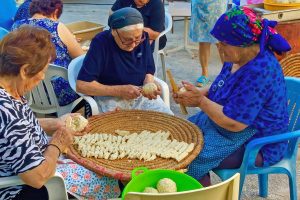
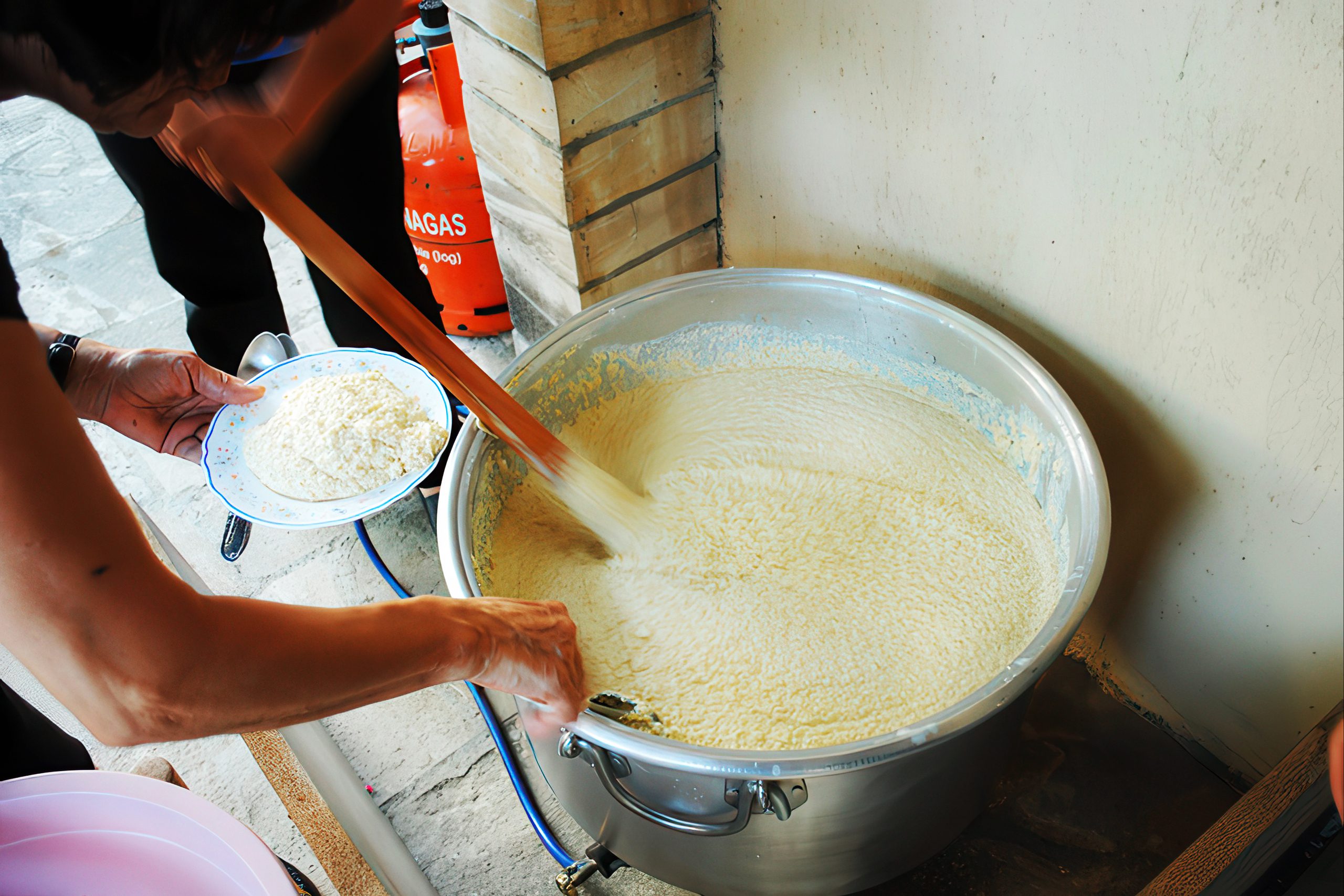
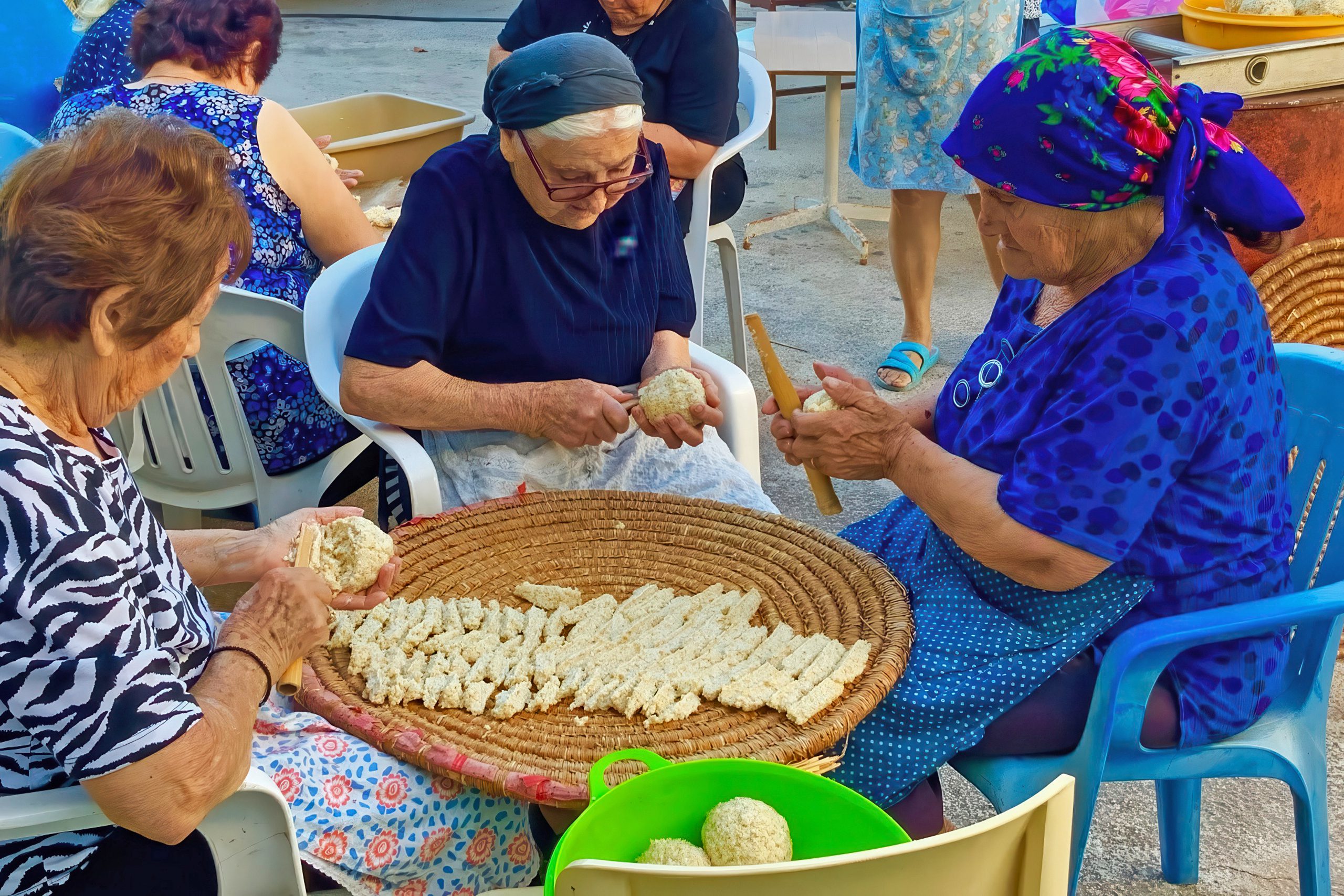
Traditionally, trahanas is prepared in the height of summer, when milk production peaks and drying conditions are ideal. Large pots are set over a fire, and wheat is added slowly to boiling sour milk. The mixture thickens into a heavy paste that demands constant stirring, often becoming a communal task.
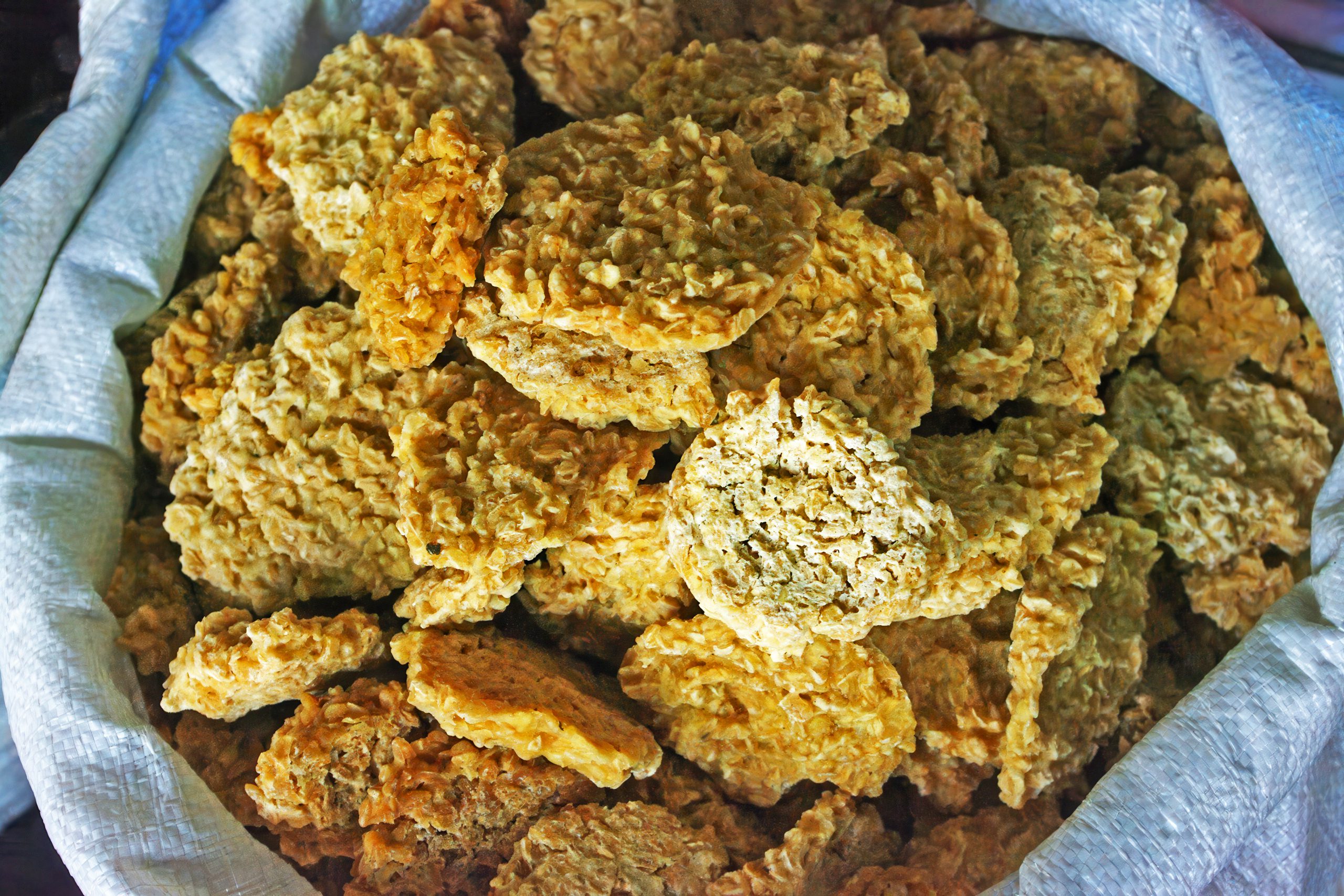
Once cooked, it is shaped by hand into small, oblong or finger-shaped pieces and laid out to dry, often on rooftops or wooden boards, where the sun and wind complete the process. Drying takes days and cannot be rushed. This slowness became so familiar that “spreading trahanas” entered the local language as a way to describe anything that takes far too long.
By the time winter arrives, the work is done. The dried trahanas wait quietly in storage, ready to be called back into use when fresh food becomes scarce.
A Dish Anchored in the Mountains
While trahanas is known across Cyprus, it is most closely associated with mountain villages. Cooler nights, lower humidity, and pastoral economies made highland regions ideal for both milk production and drying. These villages depended heavily on stored foods, and trahanas became central to daily winter meals.
In isolated areas, it often replaced bread as a primary source of energy. Historical records show monasteries requesting wheat specifically to make trahanas rather than loaves, recognising its efficiency, portability, and nutritional density. In this context, trahanas was not comfort food. It was dependable food that sustained communities through long winters.
Why Halloumi Belongs in the Bowl
In Cyprus, trahanas soup is rarely served alone. Cubes of halloumi and sometimes fresh tomato are added near the end of cooking, softening without melting and adding texture and salt to the soup’s sour base.
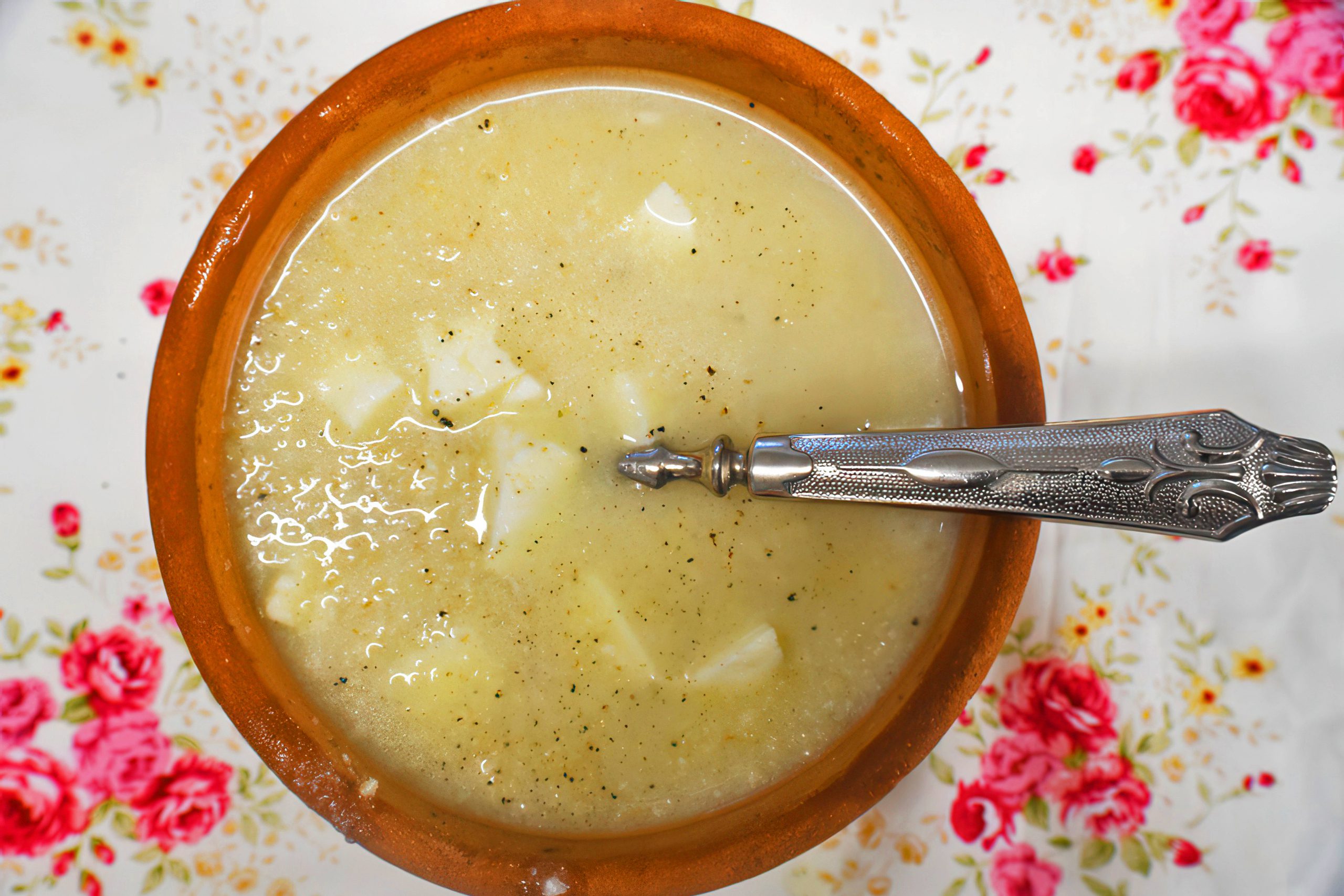
This pairing reflects a broader logic in Cypriot cooking. Halloumi and trahanas are born from the same moment in the agricultural year, both products of surplus milk preserved through different methods. When they meet in the same bowl, the result feels complete rather than decorative, connecting preservation techniques into a single meal.
A Taste That Divides, Then Stays
Trahanas is not immediately appealing to everyone. Its sourness surprises first-time eaters, and its thickness challenges expectations of what soup should be. Yet for those who grow up with it, the flavour is deeply reassuring.
It is often served to children, the elderly, and those recovering from illness. Soft, warming, and filling, it asks little of the body while giving much in return. Over time, the taste becomes familiar, then comforting, then indispensable, embedding itself in daily life and memory.
From Necessity to Heritage
Today, trahanas are no longer required for survival. Refrigeration has replaced fermentation as a daily necessity, and imported foods have widened dietary choices. Yet the dish remains, cooked in homes, served in village festivals, and quietly reintroduced in modern kitchens.
Some chefs reinterpret it as risotto-like dishes or refined soups, while others insist it be left untouched. Both approaches recognise the same truth: trahanas carries meaning far beyond its ingredients. It represents a way of living where nothing was wasted, where time was invested rather than saved, and where food was inseparable from season and place.
Why Trahanas Still Matters
Trahanas matters because it explains Cyprus without spectacle. It tells the story of an island that learned to work with its limitations rather than fight them, using fermentation, drying, and patience to turn scarcity into stability.
In a world of instant food and constant availability, trahanas stands quietly apart. It reminds Cyprus of who it was when endurance mattered more than variety, and it offers a taste of that wisdom to anyone willing to slow down. It is not a dish designed to impress visitors. It is a dish designed to carry people through winter.