Traditional Shoemaking (Tsamika & Village Footwear) in Cyprus involves handmade leather footwear designed for agricultural and pastoral life, reflecting craftsmanship shaped by the island’s environment. Tsamika, a type of sturdy boot, and other village shoes use local materials like goat hide for durability, with simple stitches and soles suited to rocky terrain. This tradition preserves ancient skills, where functionality meets cultural symbolism, offering a glimpse into how rural Cypriots adapted to their landscape through practical art.
- A Timeless Craft of Leather and Land
- The Historical Roots of Cypriot Shoemaking
- A Design of Durability and Symbolism
- Intriguing Facts You Need to Know
- Unraveling Deeper Layers of Meaning Shaping How we Walk
- Traditional Shoemaking in Cyprus Today
- Opportunities for Exploration
- A Tradition Stepped in History
A Timeless Craft of Leather and Land
Traditional shoemaking in Cyprus embodies a practical artistry where leather is shaped into footwear that supports the demands of farming and herding. Tsamika boots, with their high ankles and thick soles, and village shoes like low-cut “podinia” for lighter work, use tanned hides to create items that withstand the island’s varied climates – hot summers, wet winters, and rugged paths. This craft, passed through family workshops, blends utility with subtle symbolism, such as stitched patterns for protection or colors echoing nature. It highlights how Cypriot artisans responded to environmental needs, turning animal byproducts into essential tools that defined rural identity and status.
The Historical Roots of Cypriot Shoemaking
The tradition dates to prehistoric times, with leather scraps from Neolithic sites like Choirokoitia (7000 BC) suggesting early foot coverings for hunting. By the Bronze Age (2500-1050 BC), excavations at Enkomi by Claude Schaeffer in the 1950s uncovered tanned hide fragments with stitch holes, indicating boots for miners in copper pits. Trade with the Levant introduced tanning techniques using oak bark for durability, as seen in 12th-century BC artifacts from Kition.
In the Iron Age (1050-750 BC), Greek settlers brought laced sandal designs, but Cypriots adapted them to closed shoes for terrain, as depicted on Geometric pottery from Vouni with incised footgear. Byzantine era (4th-15th centuries AD) integrated Christian symbols like crosses on soles for protection, preserved in leather from Machairas Monastery digs. Lusignan rule (1192-1489) added French boot styles with heels for nobility, but rural tsamika stayed flat for stability.
Venetian period (1489-1571) saw Italian influences in stitching, with tsamika gaining reinforced toes for work. Ottoman occupation (1571-1878) formalized guilds, with tanners using sumac for soft leather, as noted in 18th-century traveler Ali Bey. British colonial rule (1878-1960) documented it in ethnographic reports by R. Hamilton Lang in 1878, describing Phyti shoemakers as “village guardians.” Post-independence in 1960, it became a heritage craft, with the 1974 Turkish invasion affecting hide supplies but sustaining in southern villages. UNESCO’s heritage efforts recognize its continuity, with the Cyprus Handicraft Service training artisans since the 1980s.
Ethnoleather studies by Maria Socratous link techniques to ancient Cypriot tanning from 2000 BC, showing 4,000 years of evolution.
A Design of Durability and Symbolism
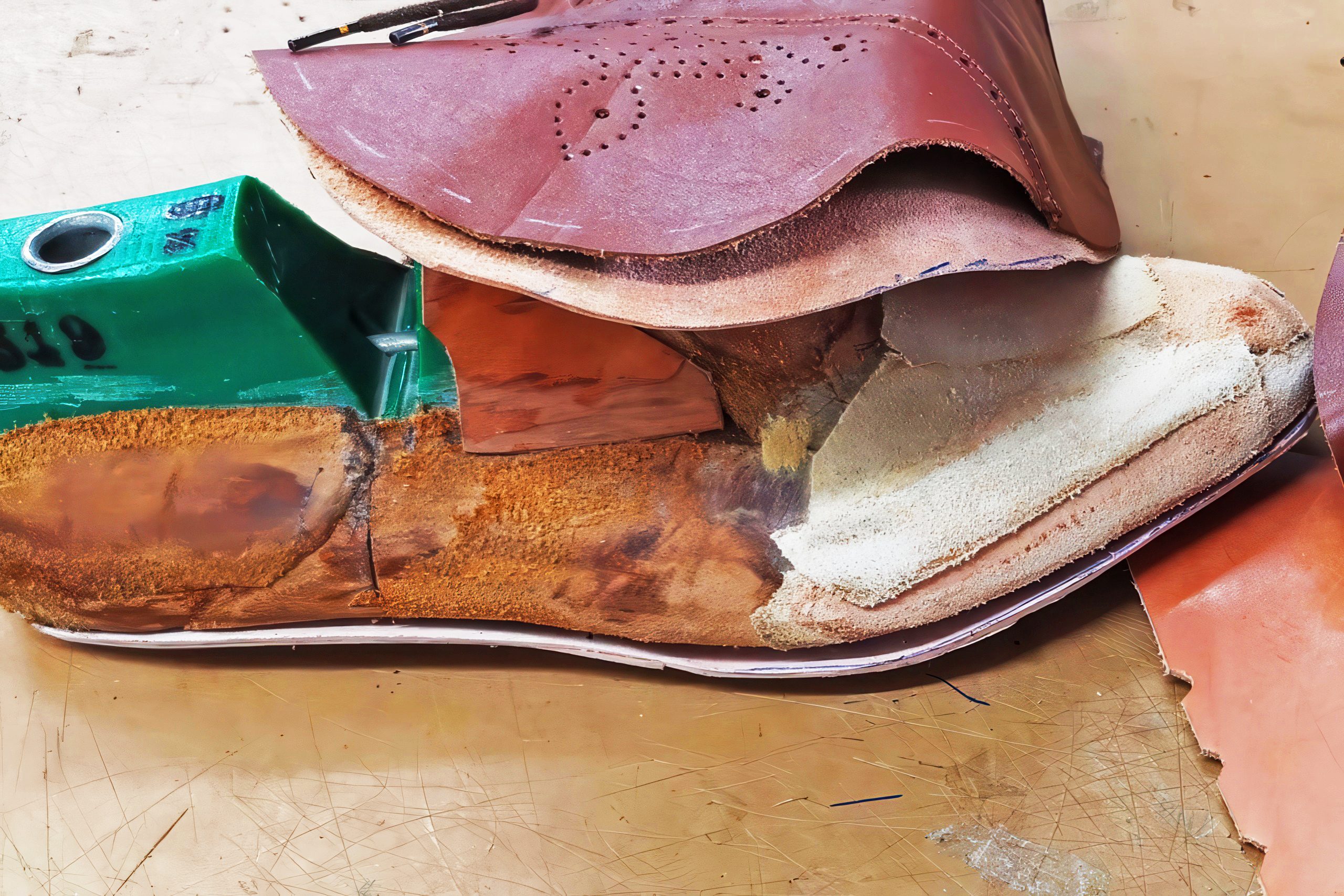
Tsamika boots use goat or cow hide tanned with vegetable agents for flexibility, with thick soles from layered leather or rubber in modern variants for grip on rocks. Stitching with waxed thread creates water-resistant seams, while high ankles protect from thorns. Village shoes like “podinia” are low-cut for breathability in heat, with open weaves for air flow.
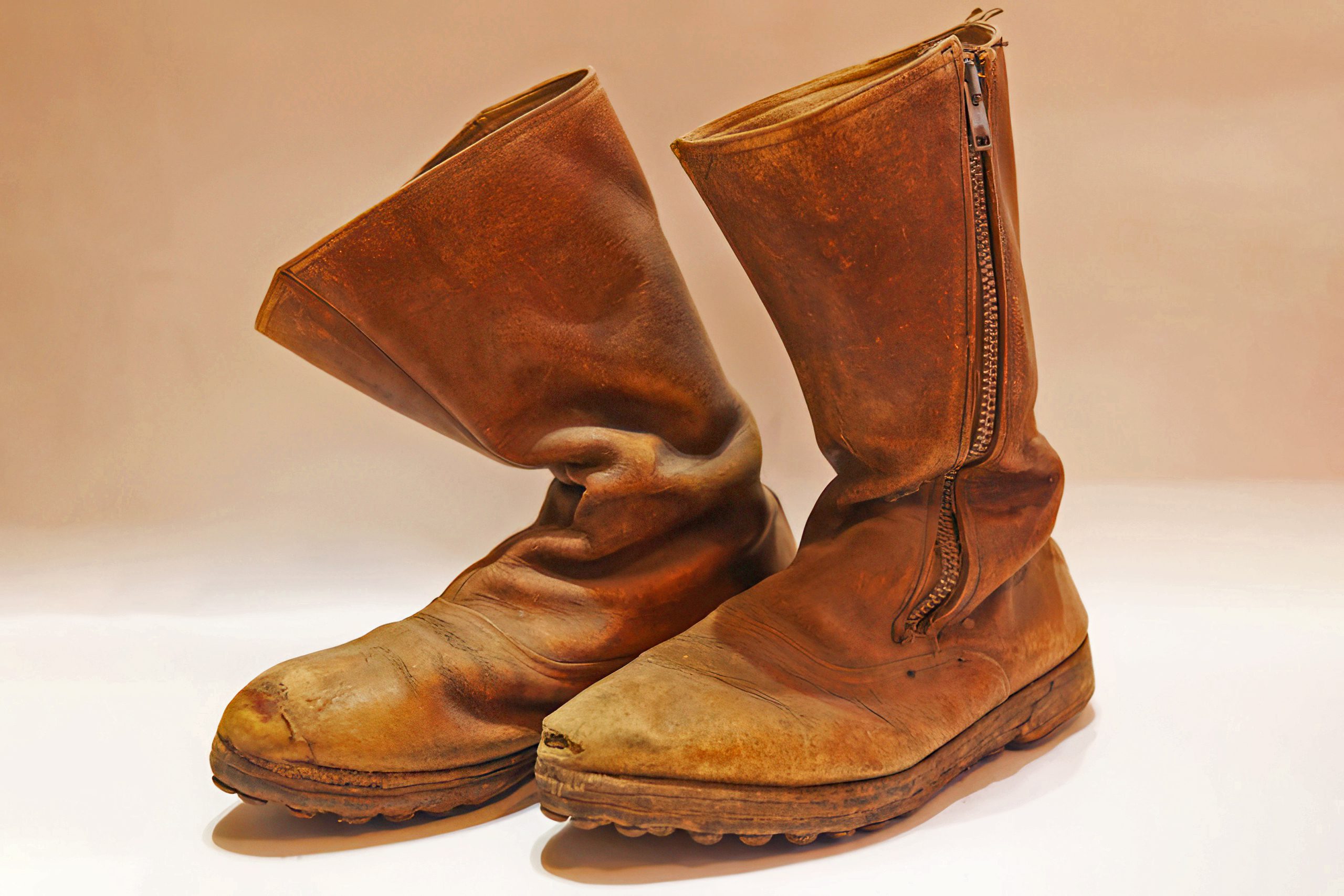
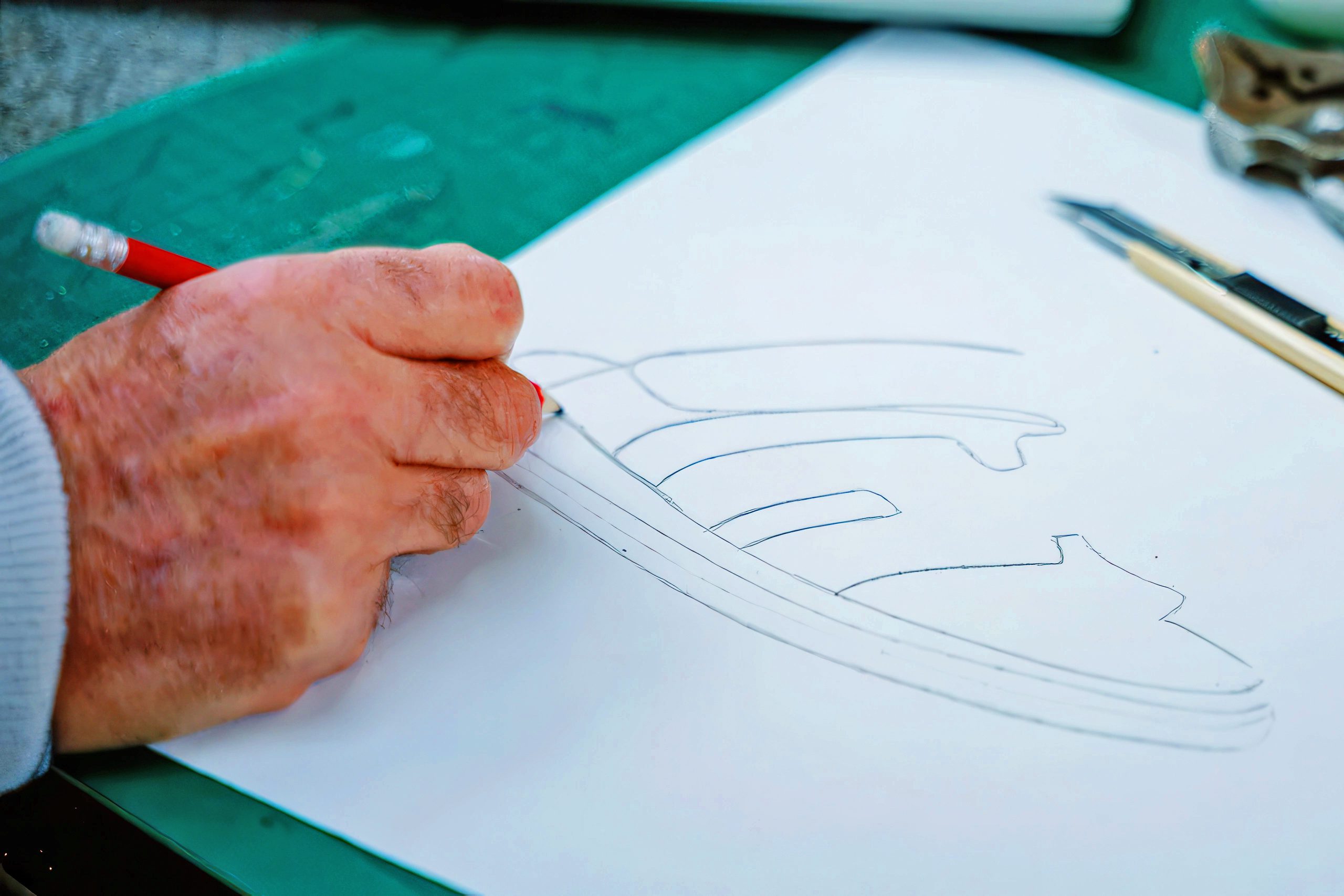
Patterns carry symbolism: crosses on insoles for faith, waves for adaptability. Colors from natural dyes – brown for earth, black for mourning – were chosen for meaning, with red for vitality in ceremonial pairs. Regional variants: Troodos tsamika are heavier for cold, coastal lighter for sand. Tools are basic: awls, hammers, and lasts, often family heirlooms with carved initials for luck.
Quality depends on tanning – soaked in pits for weeks – and fitting, where shoemakers measure feet with sticks for custom comfort.
Intriguing Facts You Need to Know
A quirky legend claims a tsamika boot kicked a genie, granting endless leather – a tale explaining durable soles. One motif, “snake stitch,” wards snakes, sewn on toes for protection. During Ottoman times, boots hid gold in heels for smuggling, a find in 1980s digs. Famous artisan Andreas from Kornos in the 19th century crafted for the Sultan, blending styles. And in contests at festivals, shoemakers compete in speed-stitching, with prizes for seam strength.
Restorations of antique boots reveal hidden pockets for amulets, used in pilgrimages. A 5th-century AD pair from Salamis shows Roman-inspired straps, traded to Egypt.
Unraveling Deeper Layers of Meaning Shaping How we Walk
Tsamika’s symbolism extends to theology: crosses on soles echo walking in faith, representing divine protection. In rituals, boots were gifted at baptisms for life’s journey, linking to Saint Christopher’s patronage. Socially, it elevated artisans – as family providers, they gained status, with guilds in Paphos from the 17th century organizing sales. Economically, it fueled trade, with British exports in the 1900s boosting reputation.
Cultural depth: patterns like waves symbolize life’s flow, influenced by ancient myths. In Ottoman era, shoemaking became “resistance art,” with hidden symbols defying conversion. Ethnocraft studies at the University of Cyprus analyze designs for ergonomics, linking to ancient foot health.
Influences from Arab leatherwork added tanning, Venetian boots intricate seams, but Cypriots kept rugged for utility.
Traditional Shoemaking in Cyprus Today
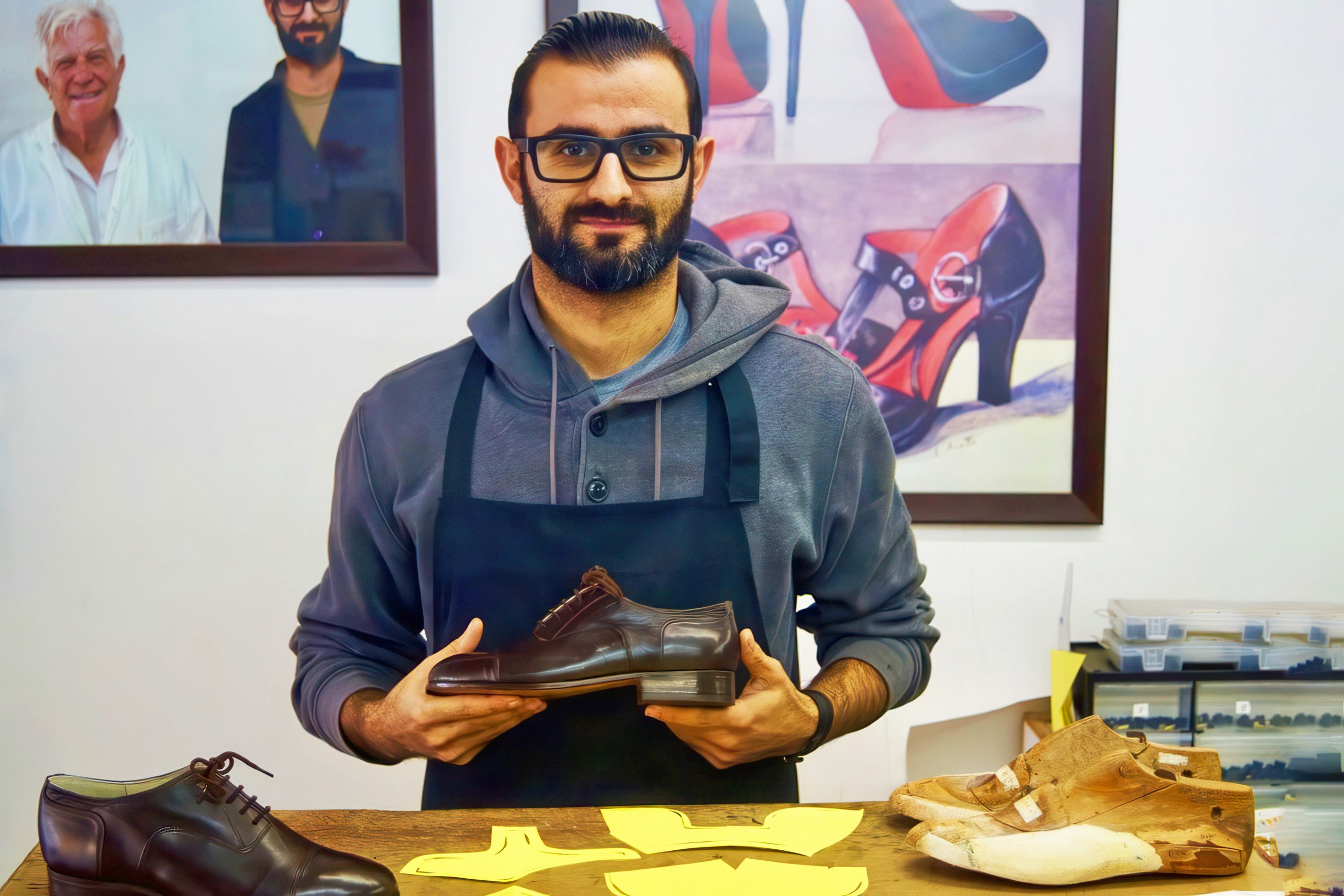
In contemporary Cyprus, traditional shoemaking thrives as a symbol of rural craftsmanship, with workshops in villages like Kornos employing 20 artisans for custom orders. Amid division since 1974, it fosters unity, with joint exhibitions across lines showcasing techniques. Climate change affects hide sources, prompting sustainable tanning initiatives. Artists fuse it with modern design, like shoes in fashion by Cypriot brands at Paris shows. In a globalized world, UNESCO’s heritage status spurs tourism, with sales supporting local economies.
Opportunities for Exploration
Cultural centers like the Cyprus Folk Art Museum in Lefkosia host shoemaking demonstrations, open daily for €3. Festivals like the Paphos Craft Festival in June feature live crafting, free to attend with workshops. Guided tours through the Cyprus Tourism Organization cost €15-20, visiting ateliers for sessions. Spring or fall avoids heat, pairing with Troodos hikes where shoemaking echoes in village shops. Many venues offer online videos for remote access.

A Tradition Stepped in History
Traditional Shoemaking (Tsamika & Village Footwear) holds value as a guardian of handmade leather craft, where designs for agricultural life reflect environment-based ingenuity. This wasn’t just utility; it’s a link to historical roots, blending history with skill in every stitch. Knowing it enriches appreciation for Cyprus as an artisanal crossroads. Engagement with its form or motif evokes renewed wonder at cultural endurance. In a modern age, it affirms handmade’s power to connect past and present.