3 minutes read 5 views See on map

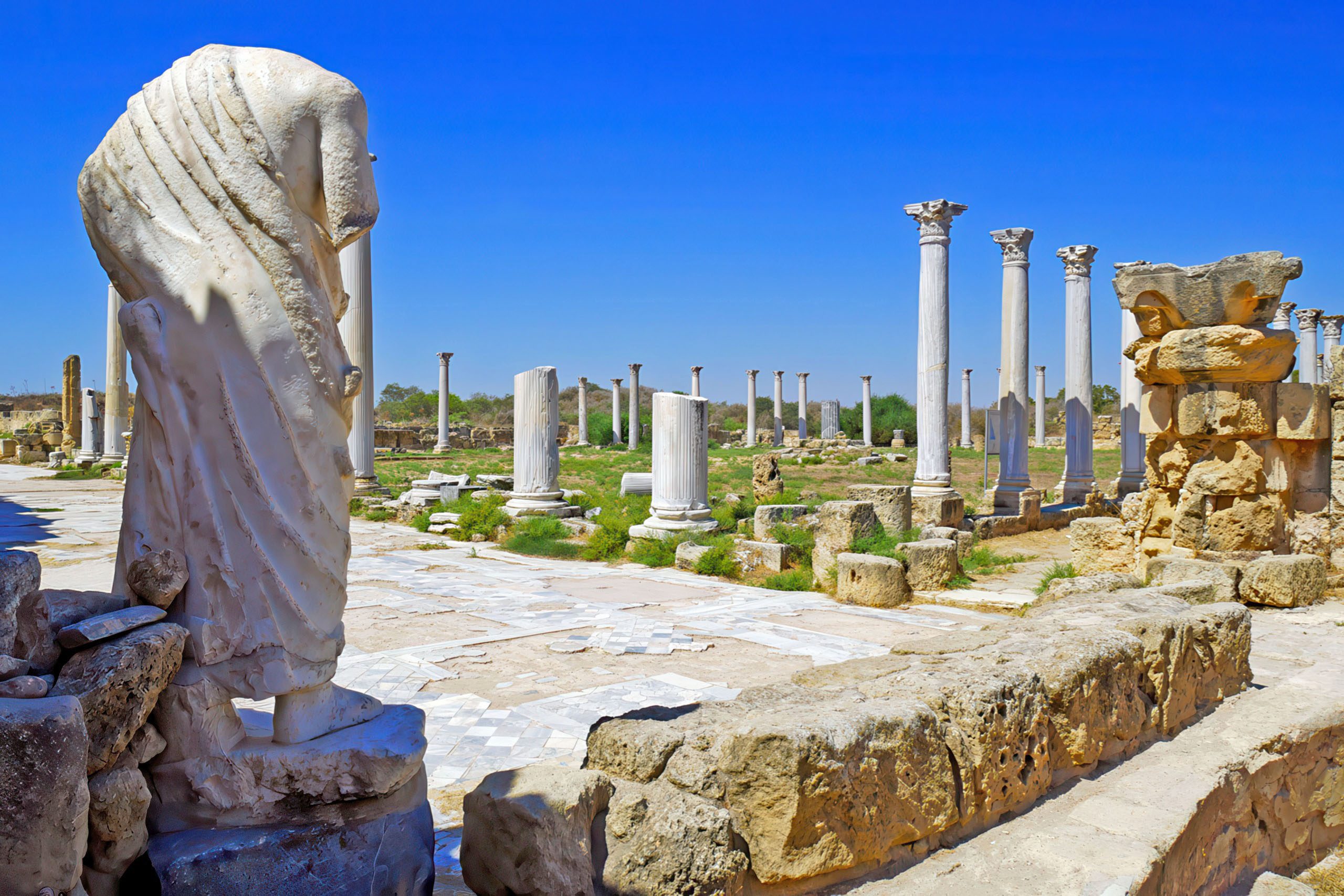
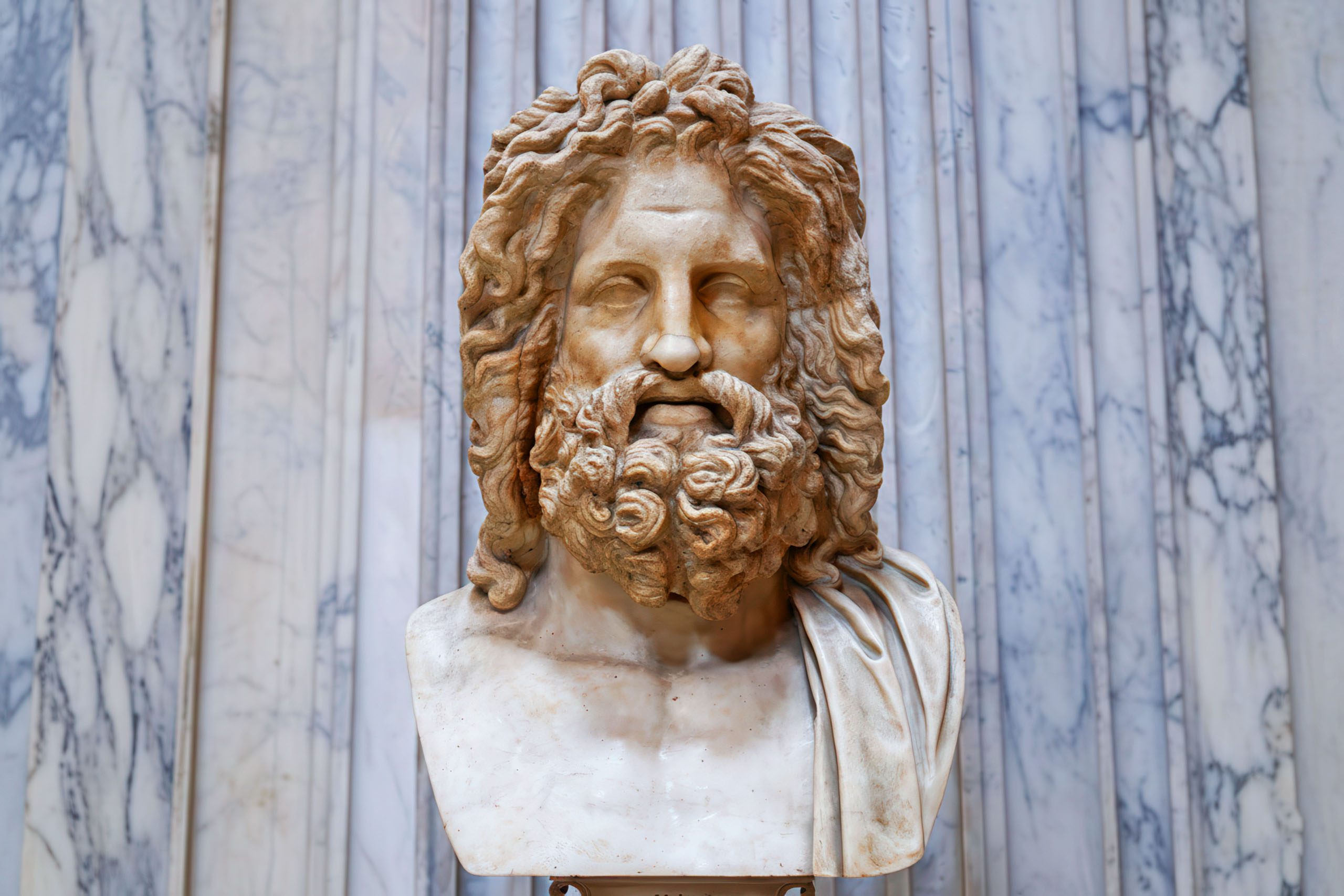
The Temple of Zeus Salaminios was one of the most important religious monuments of ancient Salamis. Dedicated to Zeus as the supreme god of the Olympian pantheon, it symbolised the city’s Greek identity, political authority, and connection to divine protection.

dreamstime-com

Through this temple, Salamis expressed its place within the wider Greek world while affirming its own power and prestige.

A Temple at the Heart of Salamis

The Temple of Zeus Salaminios stood within the great city of Salamis on the eastern coast of Cyprus. As one of the island’s largest and wealthiest cities, Salamis required a religious centre that matched its status.

vici-org

The choice of Zeus was deliberate. As ruler of gods and men, Zeus represented order, authority, and legitimacy. Worshipping him in monumental form reinforced Salamis’s role as a leading city with strong ties to Greek tradition and values.

Zeus as Guardian of the City

Zeus Salaminios was not a distant or abstract god. He was believed to actively protect the city, its people, and its rulers. His cult emphasised stability, justice, and continuity, qualities essential for a powerful urban centre.

wikipedia-org

Rulers and elites used the sanctuary to demonstrate their devotion and to associate their authority with divine approval. Public ceremonies held at the temple reinforced the idea that Salamis thrived under Zeus’s watchful presence.

From Early Cult to Monumental Temple

The worship of Zeus at Salamis likely began long before the construction of the monumental temple. Early cult practices probably took place in simpler settings, gradually evolving as the city grew in wealth and influence.
crazyfamilyontheroad-com

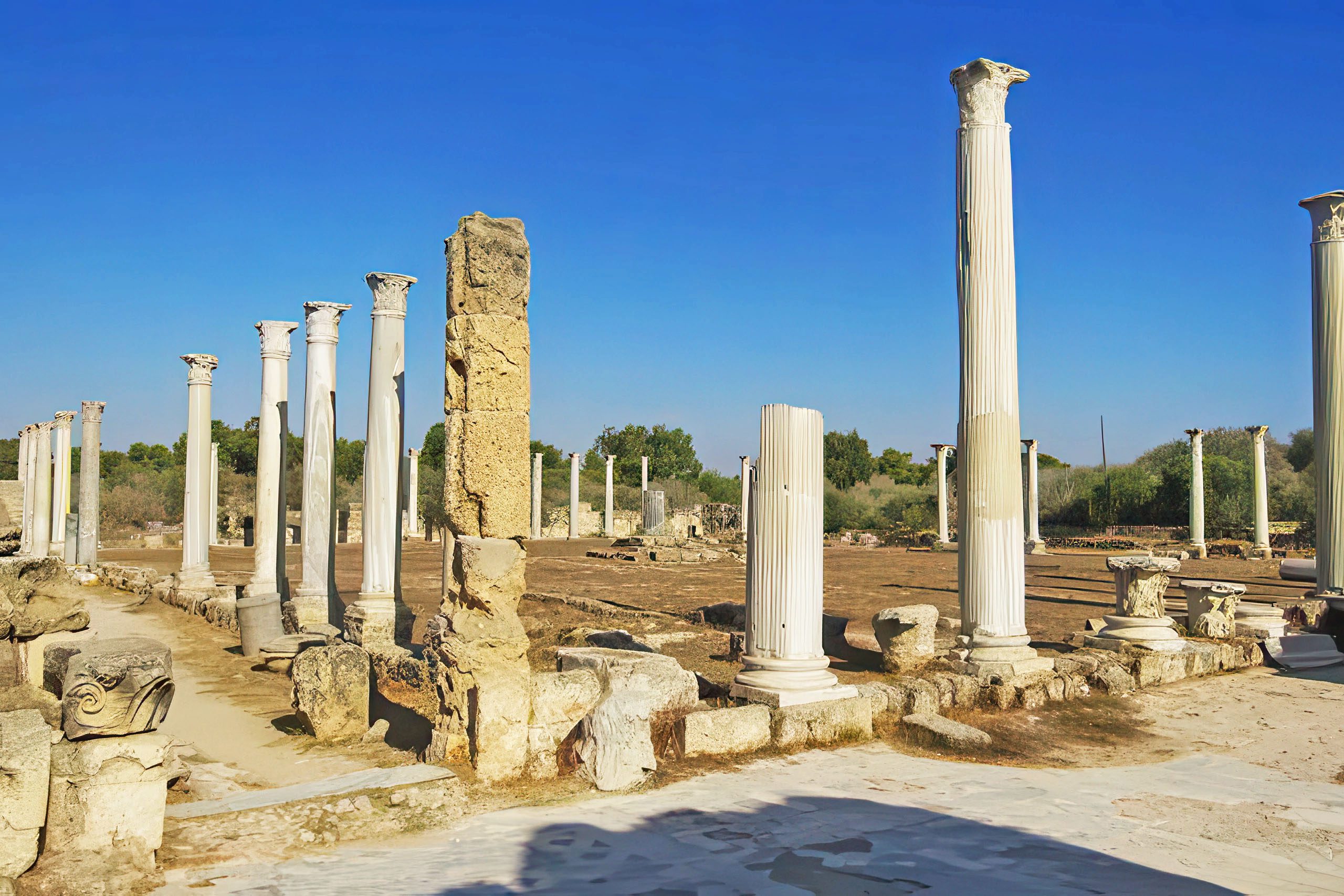
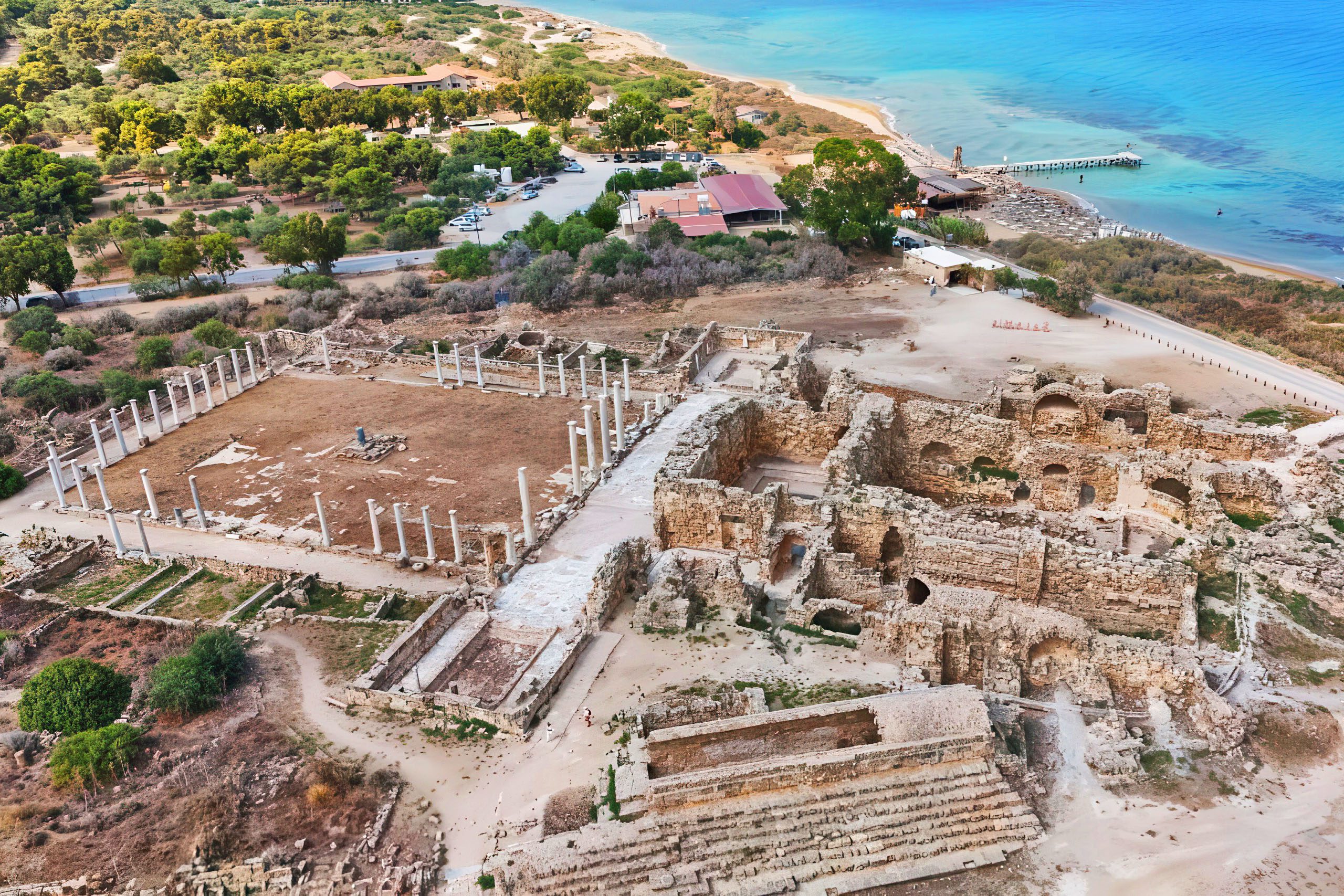
During the Hellenistic and Roman periods, the sanctuary was transformed into an imposing architectural complex. Large columns, spacious courtyards, and carefully planned approaches created a setting designed to inspire awe and respect among worshippers and visitors alike.

Ritual, Power, and Public Life

The temple was not only a religious space but also a stage for public life. Festivals, sacrifices, and official gatherings brought citizens together, strengthening communal identity and loyalty to the city.

By honouring Zeus in such a prominent way, Salamis aligned itself with the religious and cultural norms of the Greek world. The temple became a symbol of belonging, linking the city to mainland Greece and other Hellenised regions of the Mediterranean.

Decline and Silence

As Christianity spread across the eastern Mediterranean, traditional pagan worship declined. The Temple of Zeus Salaminios eventually lost its religious role and fell into disuse.

ancientcyprus-com

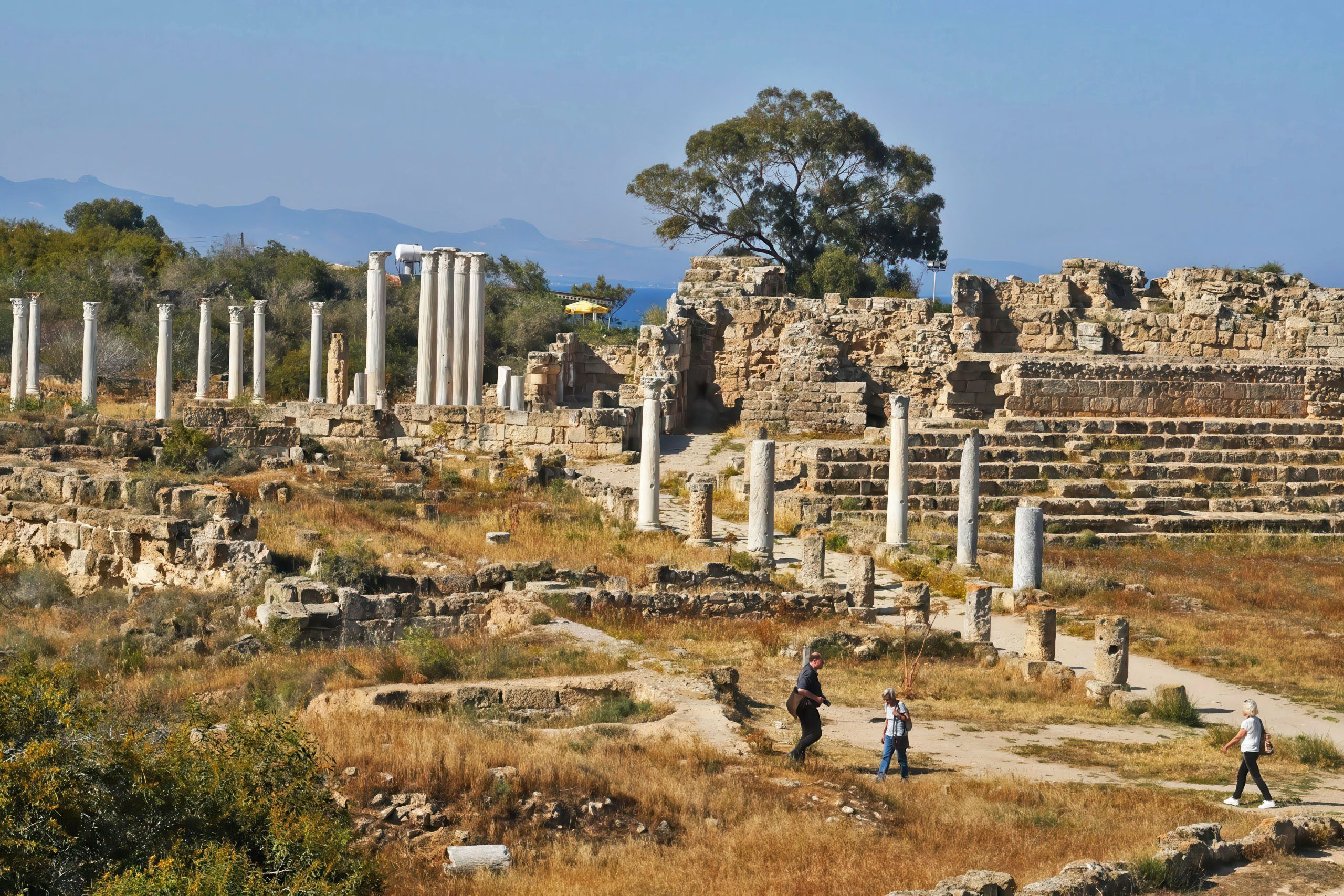
Earthquakes, rebuilding, and the passage of time reduced the once-grand structure to ruins. Yet even in its broken state, the scale of the remains reflects the former importance of the sanctuary and the ambitions of the city that built it.

Encountering the Site Today

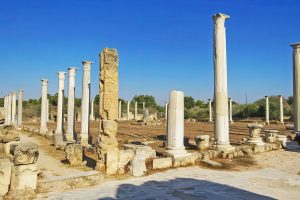
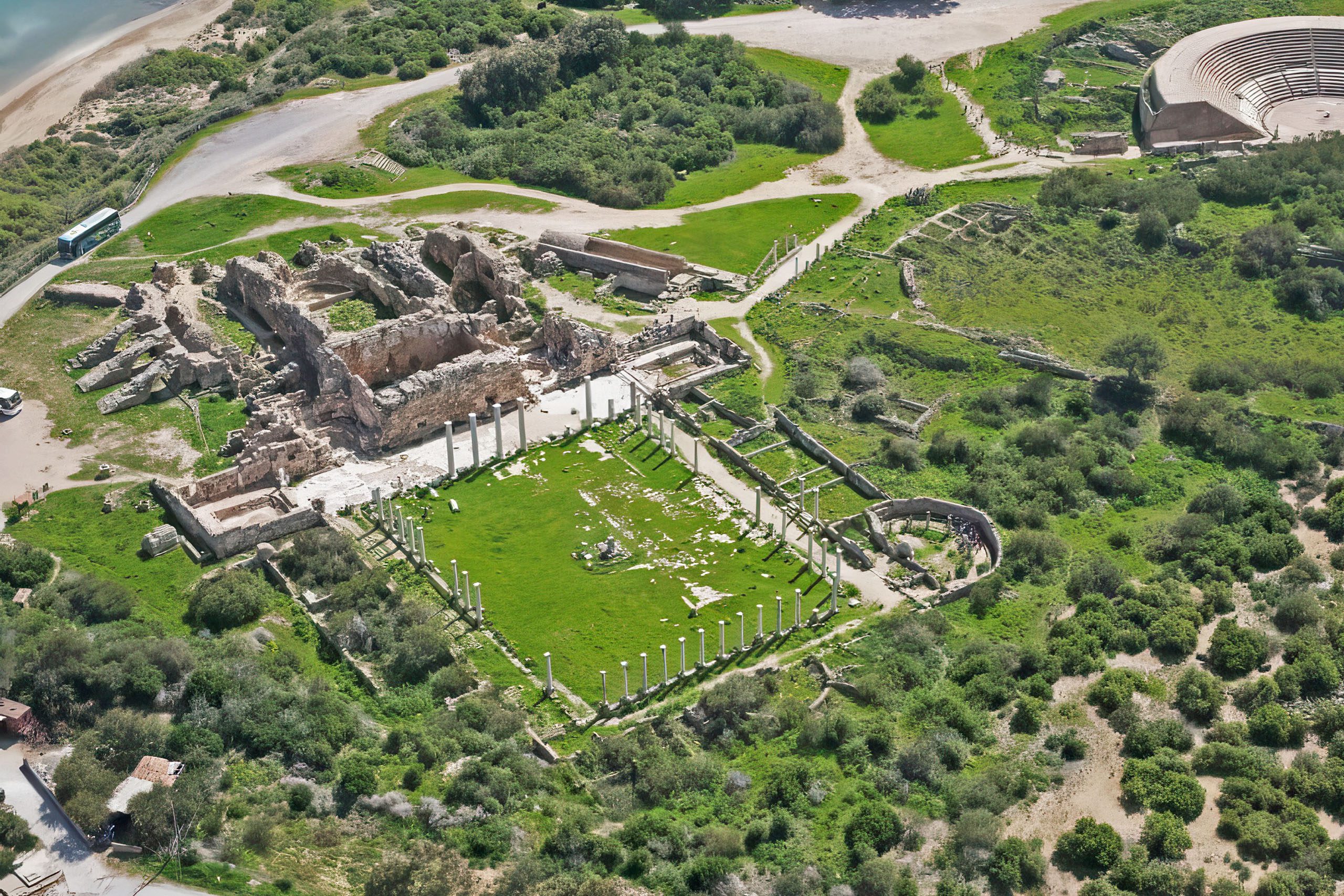
Today, the remains of the Temple of Zeus Salaminios can be explored within the archaeological site of Salamis. Foundations, columns, and scattered stone blocks hint at the grandeur that once defined the sanctuary.
myguidecyprus-com

Walking through the area allows visitors to imagine the ceremonies, crowds, and processions that once filled the space, placing the ruins within the broader story of ancient Cypriot and Greek civilisation.

Why the Temple Still Matters

The Temple of Zeus Salaminios stands as a powerful reminder of how religion, politics, and identity were deeply intertwined in the ancient world. Through this sanctuary, Salamis declared who it was, where it belonged, and which values it upheld.

Understanding this temple helps explain how Cyprus balanced local traditions with Greek cultural identity. It remains an enduring symbol of the island’s role as a bridge between worlds, shaped by belief, power, and history.

Explore our top stories and discover ideas worth your time.

Temple of Aphrodite at Amathus

Temple of Aphrodite at Amathus

Located on the acropolis of Amathus, this sanctuary was a major rival to Paphos and featured two giant stone vases symbolizing the city's wealth. The Temple of Aphrodite at Amathus stands as an enduring symbol of Cyprus's ancient religious landscape, where devotion to the goddess of love and fertility rivaled the famed sanctuary at Paphos, drawing pilgrims from across the Mediterranean. Perched on the acropolis of the ancient city-kingdom of Amathus, near modern Limassol, this site blended indigenous Cypriot traditions with Phoenician, Greek, and Roman influences, reflecting the island's role as a cultural melting pot. Dedicated to Aphrodite, often syncretized with the earlier Astarte, the temple highlighted Amathus's prosperity through monumental features like two colossal stone vases, each weighing around 14 tons and standing over 1.85 meters tall, which served as emblems of the city's wealth and engineering prowess. As a key center for rituals tied to fertility, beauty, and renewal, it competed with Paphos for prestige, underscoring regional rivalries in ancient Cyprus. Today, the ruins offer insights into millennia of worship, from prehistoric roots to Roman grandeur, fostering appreciation for the island's layered heritage amid ongoing archaeological discoveries. A Major Sanctuary on the Acropolis The Temple of Aphrodite crowned the acropolis of Amathus, a strategic hilltop overlooking the southeastern coast, providing both defensive advantages and panoramic views of the…

Read more
Temple of Astarte-Aphrodite at Tamassos

Temple of Astarte-Aphrodite at Tamassos

The Temple of Astarte-Aphrodite at Tamassos was a sacred site where different religious traditions met and blended. It reflects the merging of the Phoenician goddess Astarte with the Cypriot form of Aphrodite, showing how Cyprus functioned as a crossroads of belief in the ancient Mediterranean. The sanctuary reveals how cultures interacted not only through trade and politics, but also through shared and evolving religious ideas. A Sanctuary in the Heart of Cyprus Tamassos lay inland, near rich copper resources and important trade routes. Though far from the coast, it was deeply connected to the wider Mediterranean world. The presence of a sanctuary dedicated to Astarte-Aphrodite reflects these connections and the movement of people, goods, and beliefs across the island. facebook-com The temple served the local population while also reflecting foreign influence, making it a powerful symbol of Cyprus’s layered cultural identity. Two Goddesses, One Sacred Presence Astarte was a major Phoenician goddess associated with fertility, love, war, and royal power. Aphrodite, though later known as the Greek goddess of love, had deep roots in earlier Cypriot and Near Eastern traditions. At Tamassos, these two divine figures were not seen as separate, but as different expressions of the same sacred force. britannica-com This blending, known as religious syncretism, allowed worshippers from different backgrounds to recognise their own beliefs within a shared…

Read more
Myrtou-Pigadhes Sanctuary

Myrtou-Pigadhes Sanctuary

A Late Bronze Age sanctuary featuring a rare monumental altar with "horns of consecration," establishing a clear religious link between Cyprus and Minoan Crete. blogspot-com The Myrtou-Pigadhes Sanctuary represents a pivotal archaeological site in Cyprus, illuminating the island's religious practices during the Late Bronze Age and its cultural exchanges with the Aegean world. Located in the northwest region near the village of Myrtou, this sanctuary dates primarily to the 16th to 11th centuries BC and is renowned for its monumental stepped altar adorned with "horns of consecration," a distinctive Minoan symbol that underscores direct influences from Cretan religious traditions. As a rural cult center, it served local communities for rituals involving offerings, animal sacrifices, and possibly fertility or solar worship, blending indigenous Cypriot elements with imported Minoan motifs. This site highlights Cyprus's role as a Mediterranean hub, where trade in copper and ceramics facilitated the spread of religious ideas, fostering a syncretic spirituality that bridged Eastern and Western traditions and influenced subsequent Iron Age cults. A Late Bronze Age Cult Center Nestled on a low hill in the fertile plains south of the Kyrenia Mountains, the Myrtou-Pigadhes Sanctuary spans approximately 0.5 hectares, comprising open courts, altars, and storage areas that reflect an organized religious complex. Excavated in the 1950s by archaeologist Joan du Plat Taylor, the site reveals a sequence…

Read more